LACMA

ShopMembershipMyLACMATickets
LACMA
Los Angeles County Museum of Art
5905 Wilshire Blvd.
Los Angeles, CA 90036
info@lacma.org
(323) 857-6000
Sign up to receive emails
Subscribe
© Museum Associates 2025

Museum Hours

Monday

11 am–6 pm

Tuesday

11 am–6 pm

Wednesday

Closed

Thursday

11 am–6 pm

Friday

11 am–8 pm

Saturday

10 am–7 pm

Sunday

10 am–7 pm


  • About LACMA
  • Jobs
  • Building LACMA
  • Host An Event
  • Unframed
  • Press
  • FAQs
  • Log in to MyLACMA
  • Privacy Policy
© Museum Associates 2025
Collections

Unknown
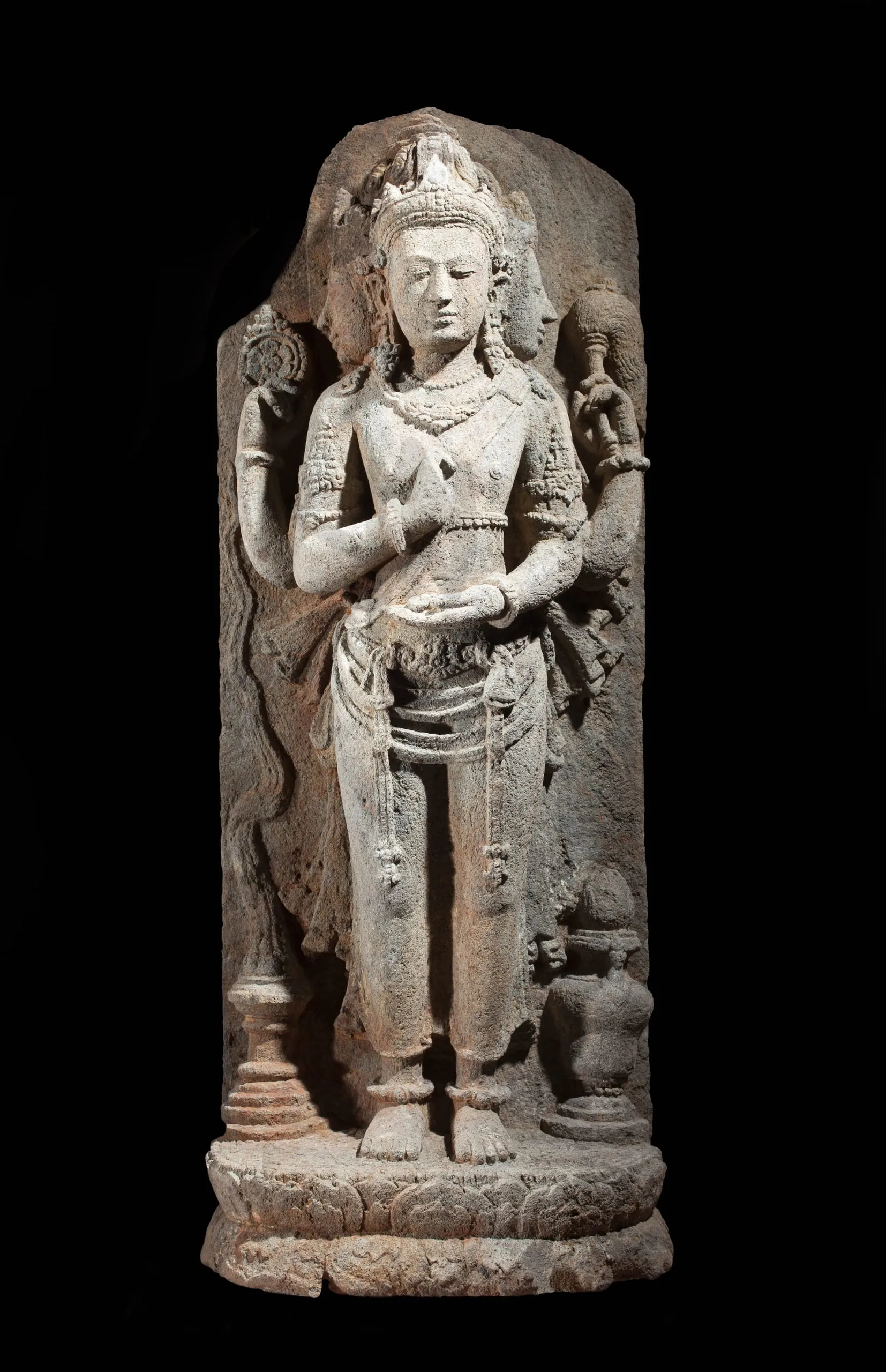
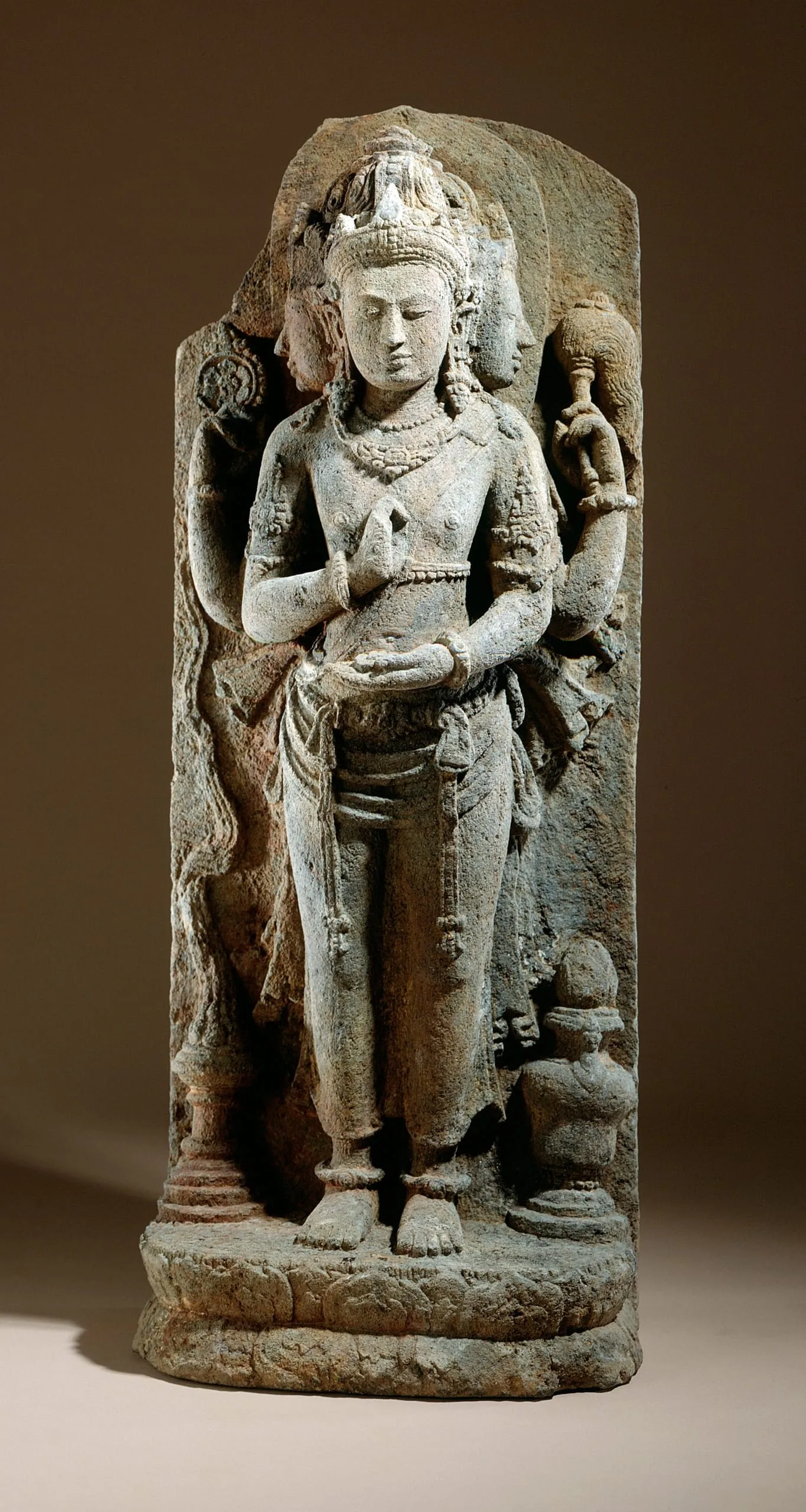
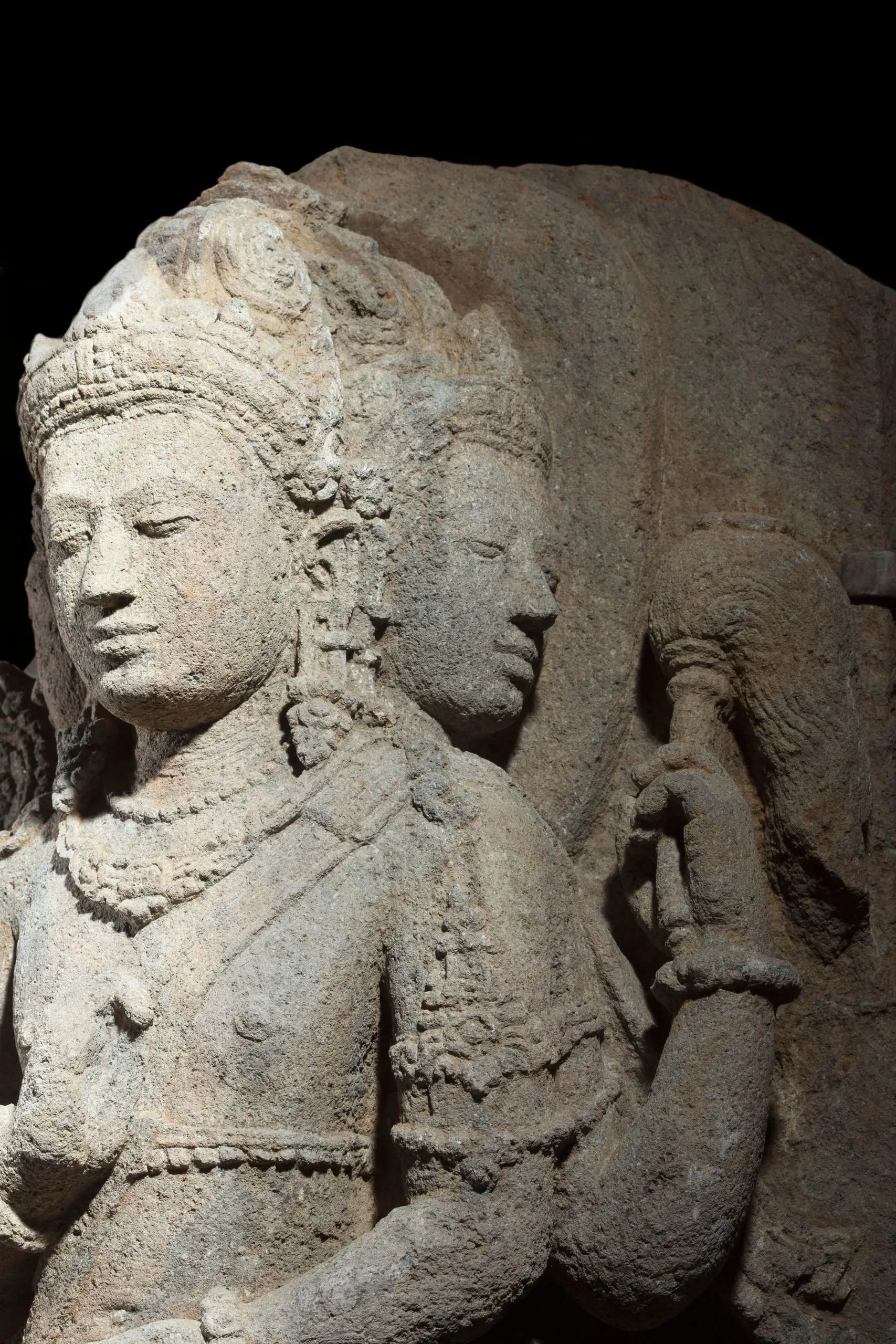
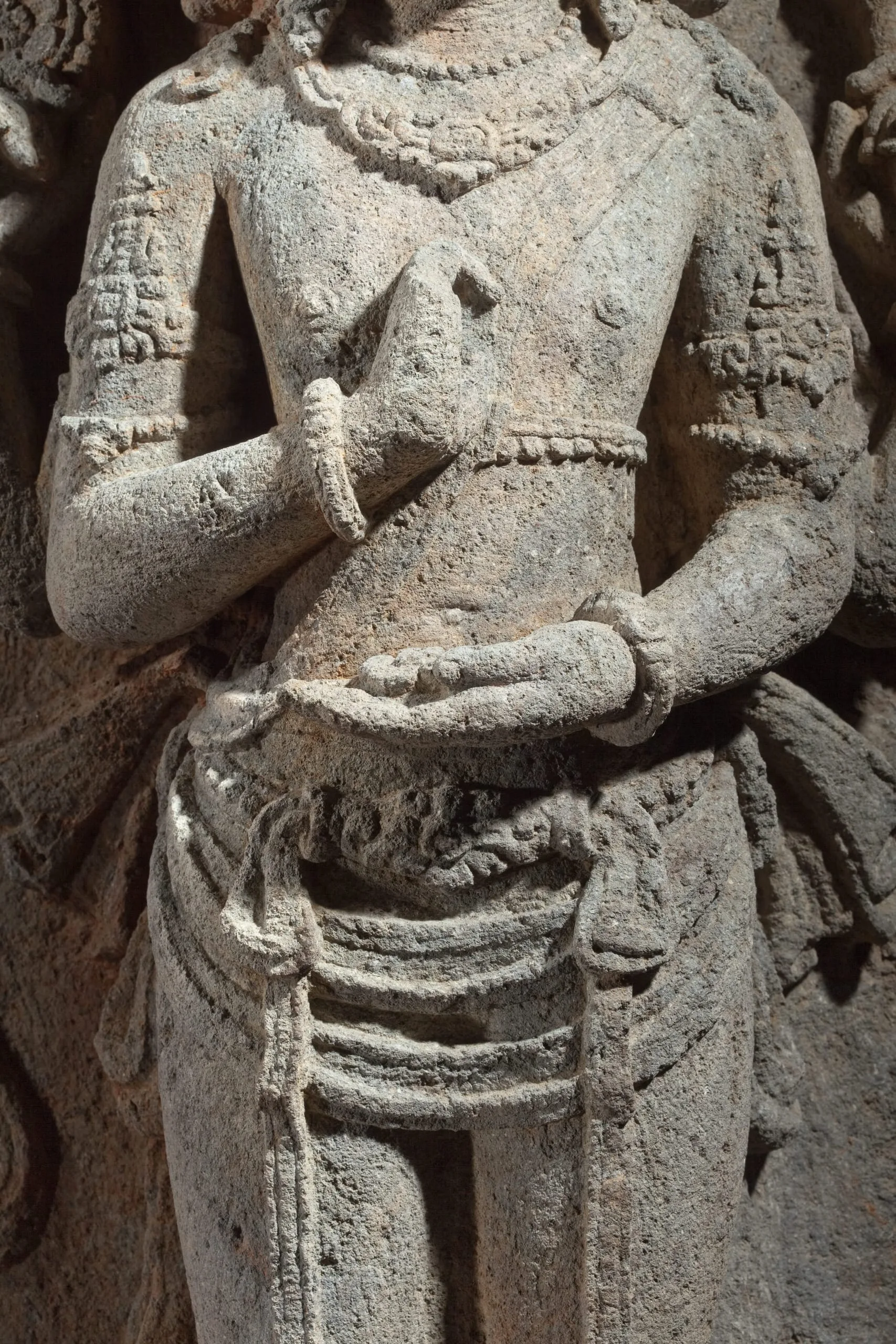
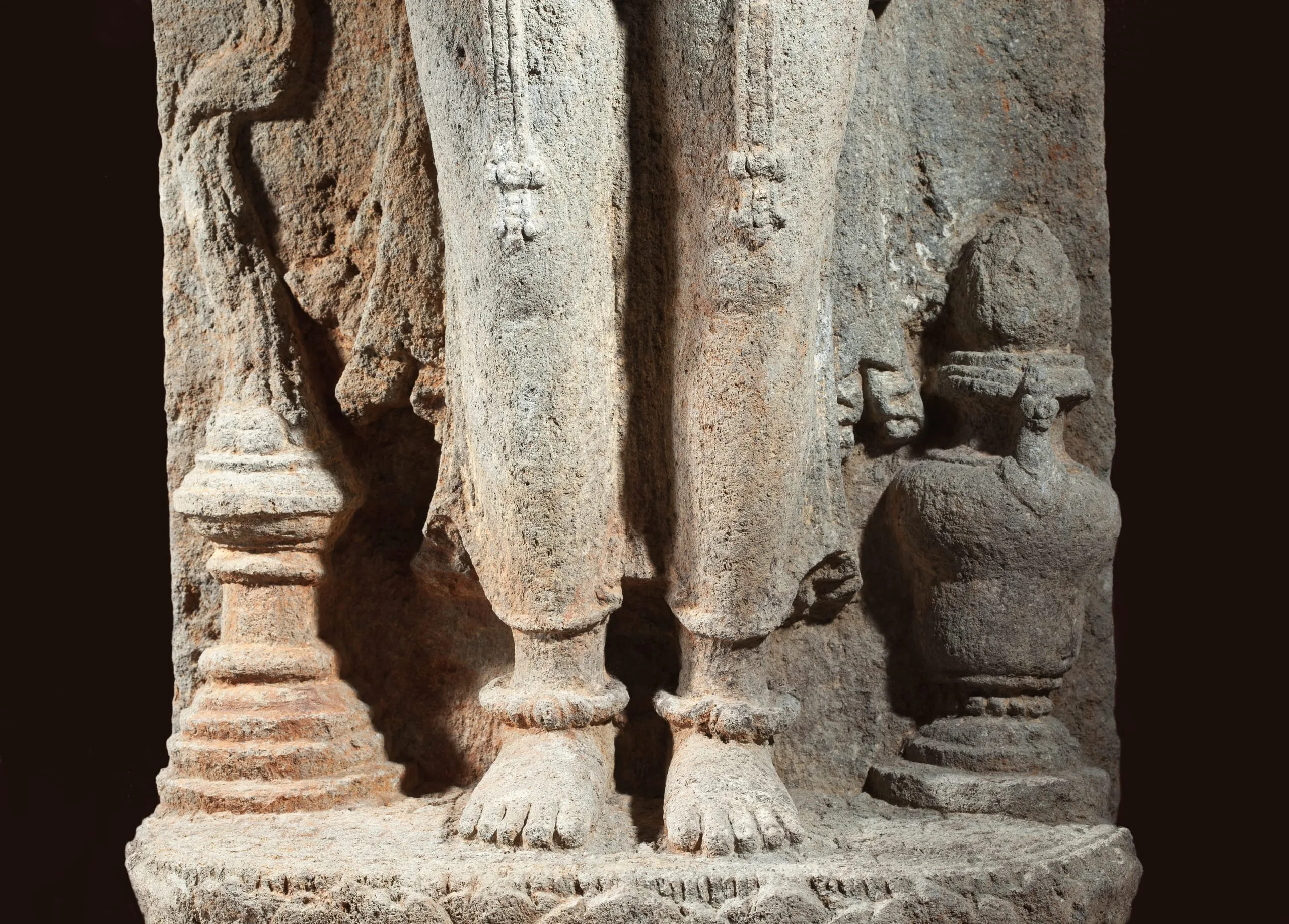
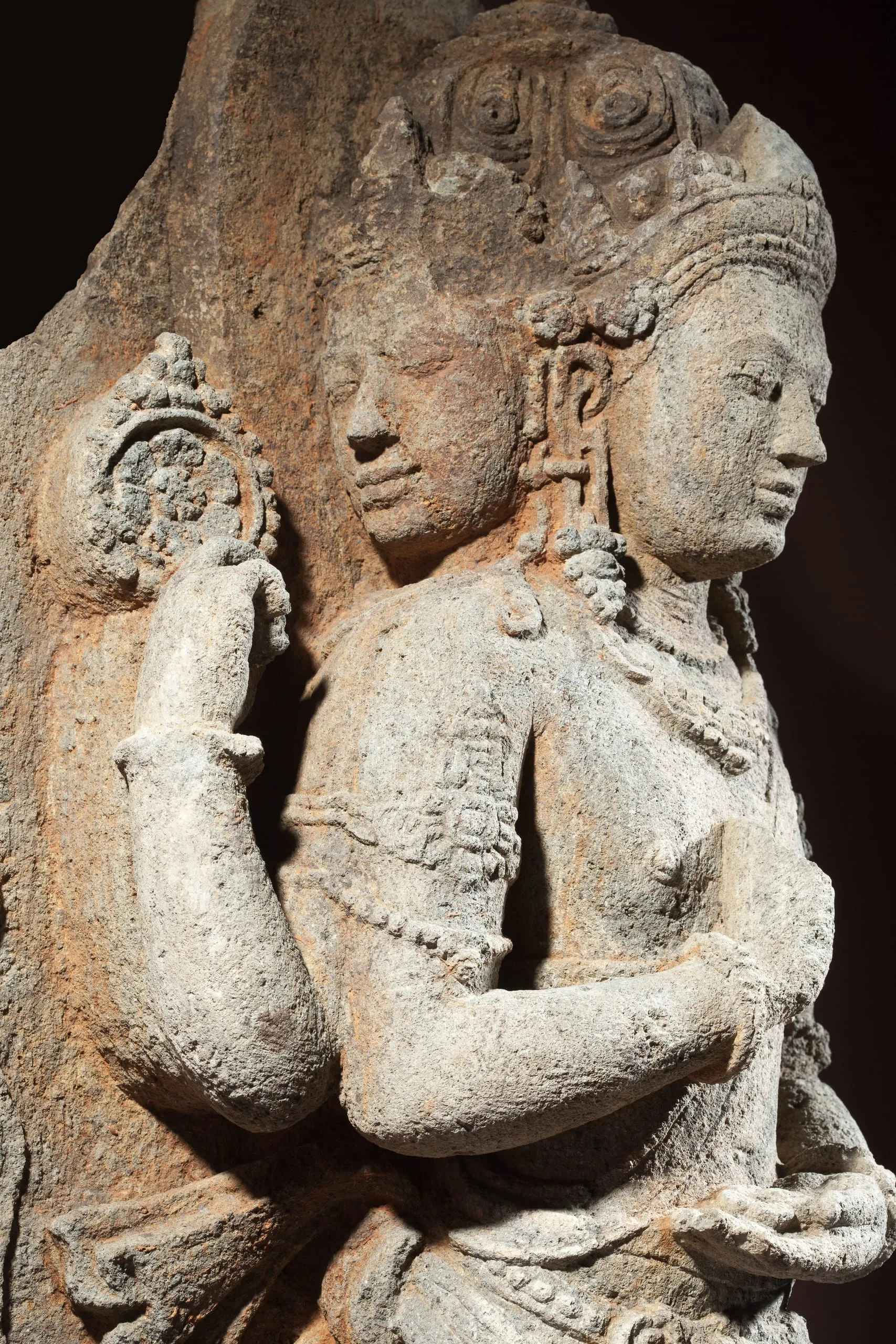
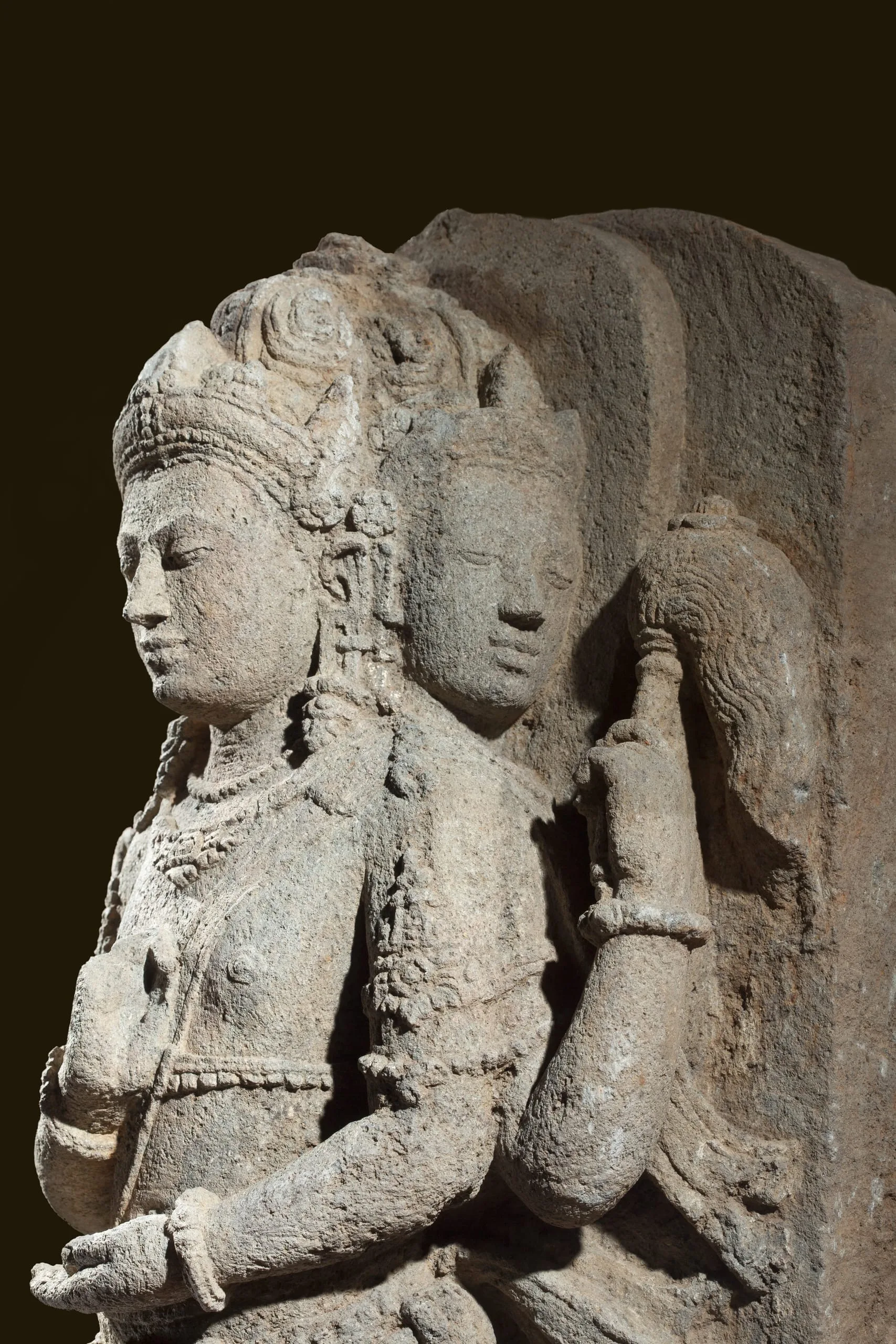
Brahma, the God of Creation9th century

Not on view
Gray stone relief sculpture of a four-armed standing deity on a lotus base, wearing beaded jewelry and an elaborate tiered crown, with weathered surface
Stone relief sculpture of a standing crowned deity figure, adorned with jewelry and draped garments, hands held before the body in an offering gesture, with attendant figures carved in lower relief behind, set against an arched stone backing with a lotus base.
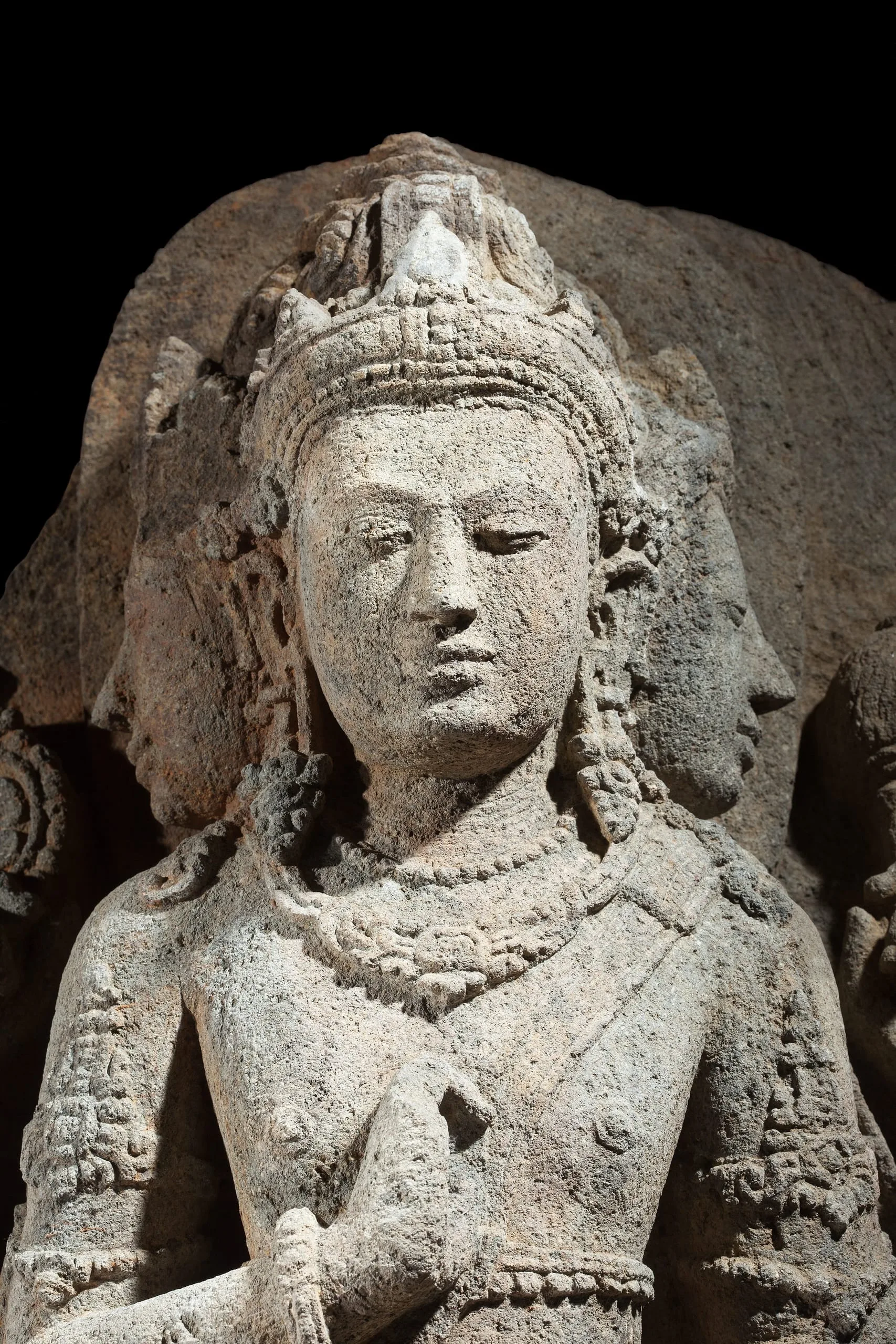
Stone sculpture, upper body of a deity figure with elaborate crown, braided hair, and layered necklaces, frontal pose with downcast eyes, weathered granite surface against a dark background.
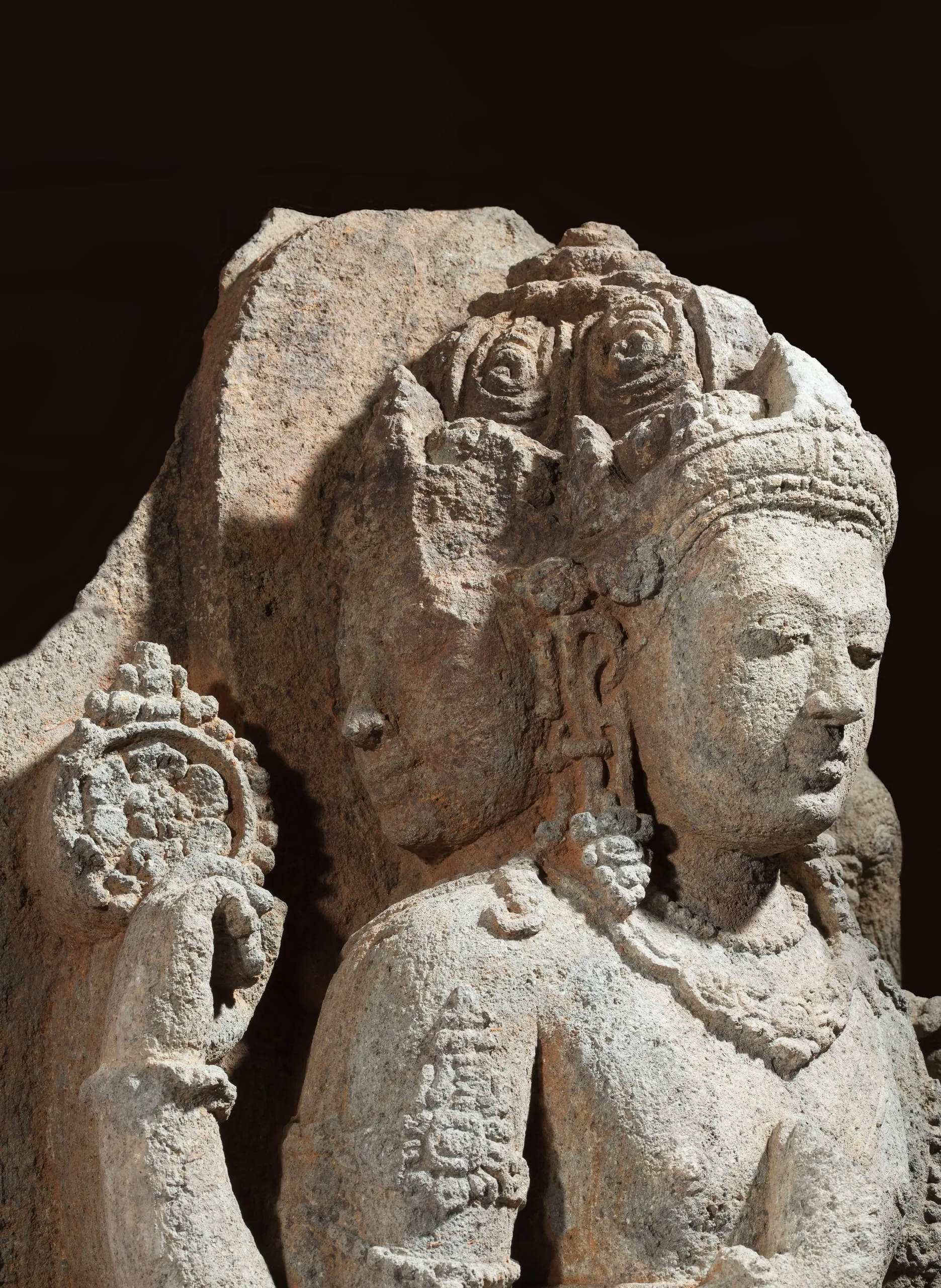
Stone relief sculpture of a deity figure in three-quarter view, with an ornate crown of spiral curls, beaded necklace, and a chakra disc held in one hand; detailed carving with weathered gray granite surface against a dark background.
Stone relief sculpture of two figures in three-quarter view, wearing elaborate crowns, beaded jewelry, and ornamental garments; the foreground figure faces left with downcast eyes, a smaller figure visible behind, against a dark background.
Stone relief sculpture, torso and arms of a standing figure adorned with carved necklaces, armlets, and a decorated waist sash, hands positioned in a mudra gesture, with weathered gray stone surface.
Stone sculpture fragment showing the lower portion of a standing figure, feet resting on a carved base, with anklet details visible; flanked by a tiered stupa form at left and a vessel at right, weathered pinkish-gray stone surface.
Stone relief sculpture of a two-headed deity figure with elaborate crown, beaded jewelry, and ornamental details carved in high relief; weathered sandstone surface with dark background.
Stone sculpture of two deity figures in close relief, the foreground figure wearing elaborate jewelry and a tall headdress, shown in three-quarter view with hands in a ritual gesture, a second face visible behind; weathered gray stone surface with fine carved detail.
Artist or Maker
Unknown
Title
Brahma, the God of Creation
Place Made
Indonesia, Central Java
Date Made
9th century
Medium
Volcanic stone (andesite)
Dimensions
45 3/4 x 17 1/2 x 12 1/2 in. (116.2 x 44.45 x 31.75 cm)
Credit Line
Gift of the 2000 Collectors Committee
Accession Number
M.2000.30
Classification
Sculpture
Collecting Area
South and Southeast Asian Art
Curatorial Notes

Brahma, the Hindu god of creation, is identified by his four heads that symbolize his all-seeing, all-knowing presence, which penetrates the four quarters of the universe. Three of his heads are manifest in this relief sculpture, while the fourth is understood to be on the rear. Brahma is also the god of wisdom, and the four sacred books of Hinduism, the Vedas, are said to have sprung from his four heads. He is also the teacher of priests and upholder of proper religious ritual. His upper right hand holds a rosary used to count prayers. His upper left hand holds a fly whisk, which is waved symbolically in religious rites. His lower right hand is raised to his chest in a gesture of teaching and discourse. His lower left hand is held horizontally in a meditation position and has a sacred lotus blossom in the palm. To the right of his feet is a sacrificial altar with ritual smoke rising from it that is believed to carry the worshipper's prayers to the gods. The water vessel to his left is symbolic of an ascetic's life and contains holy water used in religious rites.

Brahma is invoked in 8th-century Javanese inscriptions as the guardian of temples and correct religious practice. This sculpture was likely created to grace the southern exterior niche of a temple dedicated to the god Shiva. Numerous Hindu and Mahayana Buddhist temple complexes were built in Java during the Shailendra Dynasty (c.730-930), including the great “cosmic mountain” of Borobudur in the 9th century.

Selected Bibliography
  • Markel, Stephen. "Hindu Cosmology and Mythology." Orientations 55, no.6 (2024): 39-47.