LACMA

ShopMembershipMyLACMATickets
LACMA
Los Angeles County Museum of Art
5905 Wilshire Blvd.
Los Angeles, CA 90036
info@lacma.org
(323) 857-6000
Sign up to receive emails
Subscribe
© Museum Associates 2026
  • About LACMA
  • Jobs
  • Building LACMA
  • Host An Event
  • Unframed
  • Press
  • FAQs
  • Log in to MyLACMA
  • Privacy Policy
© Museum Associates 2026
Collections

Unknown
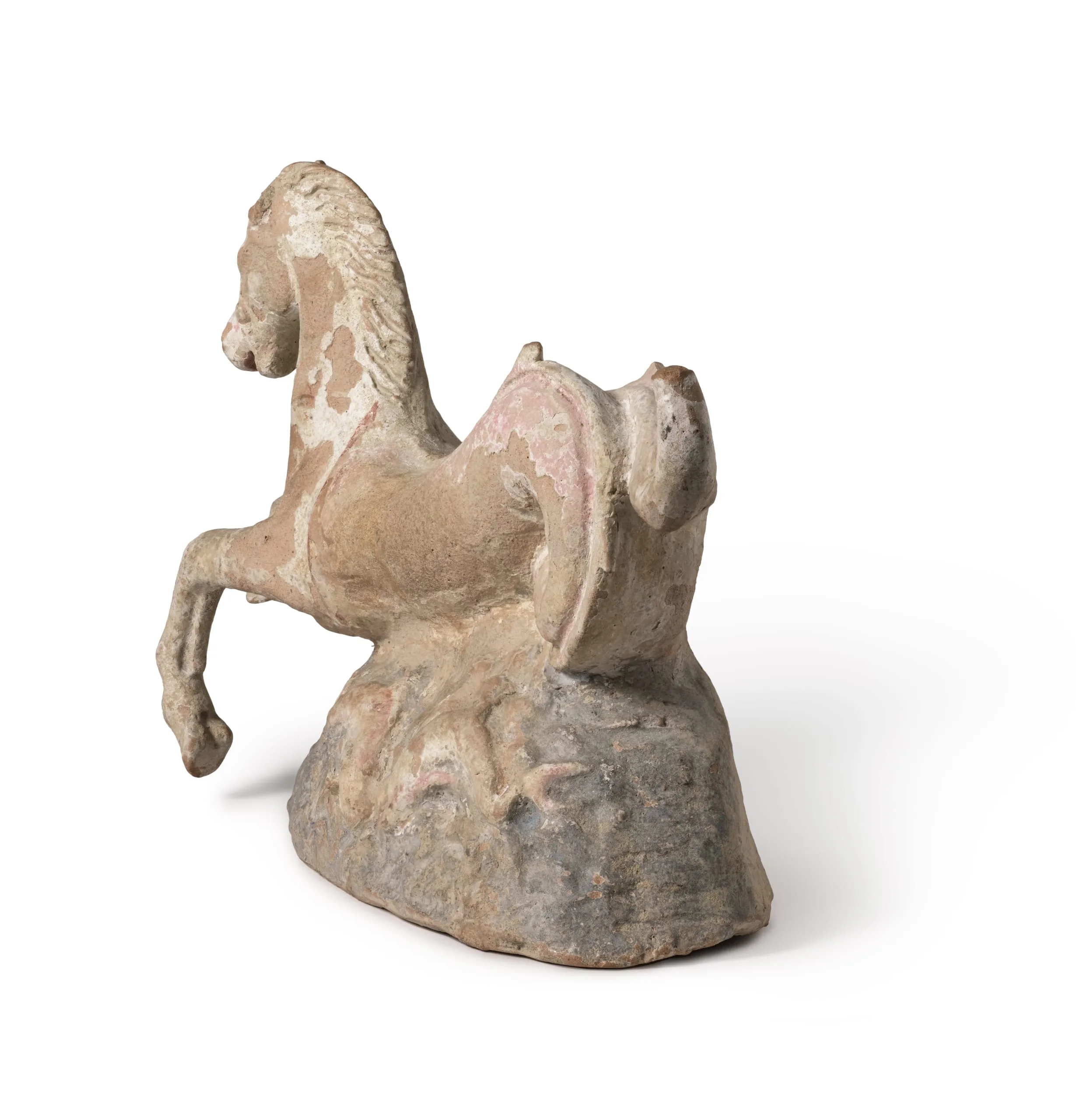
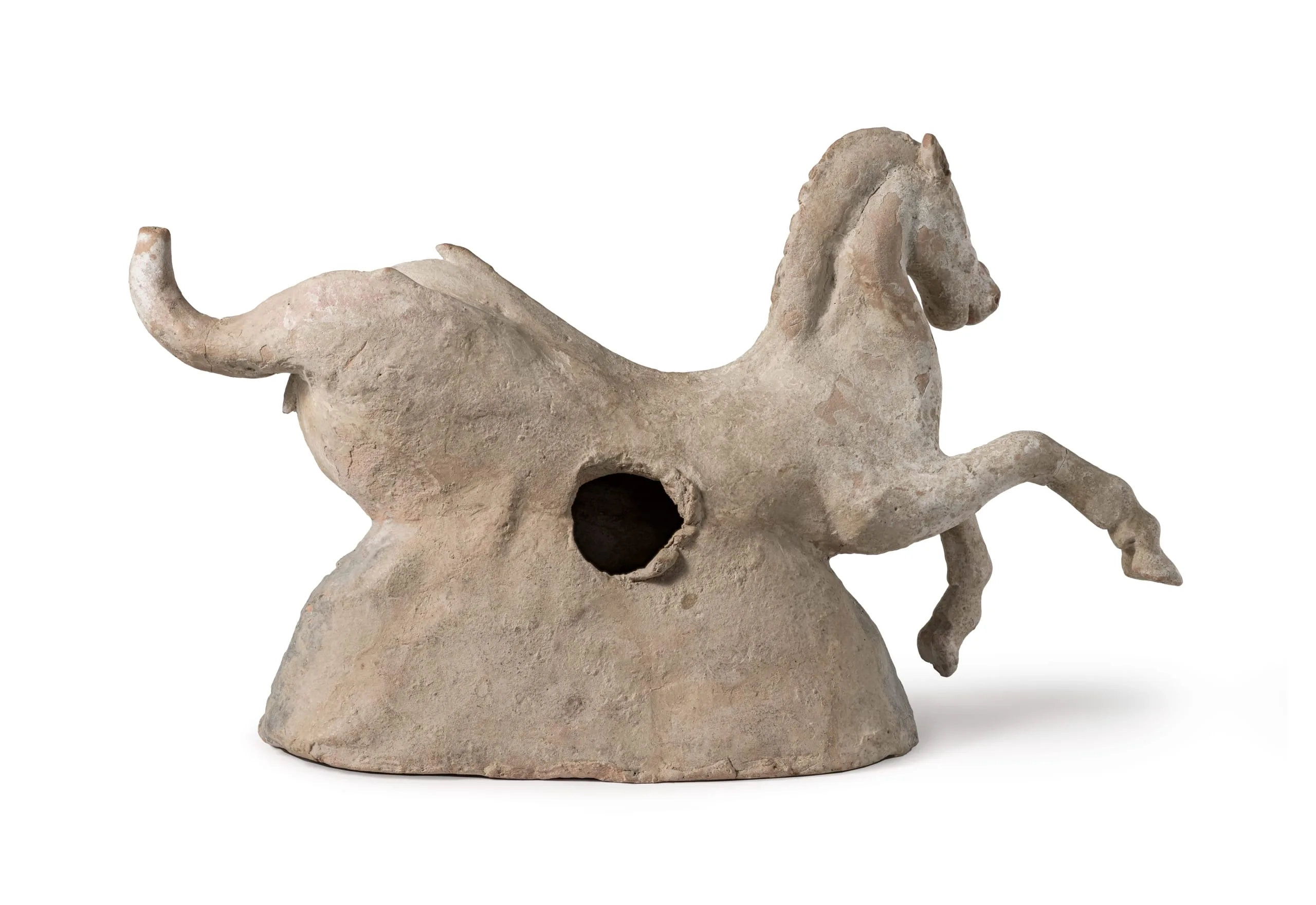
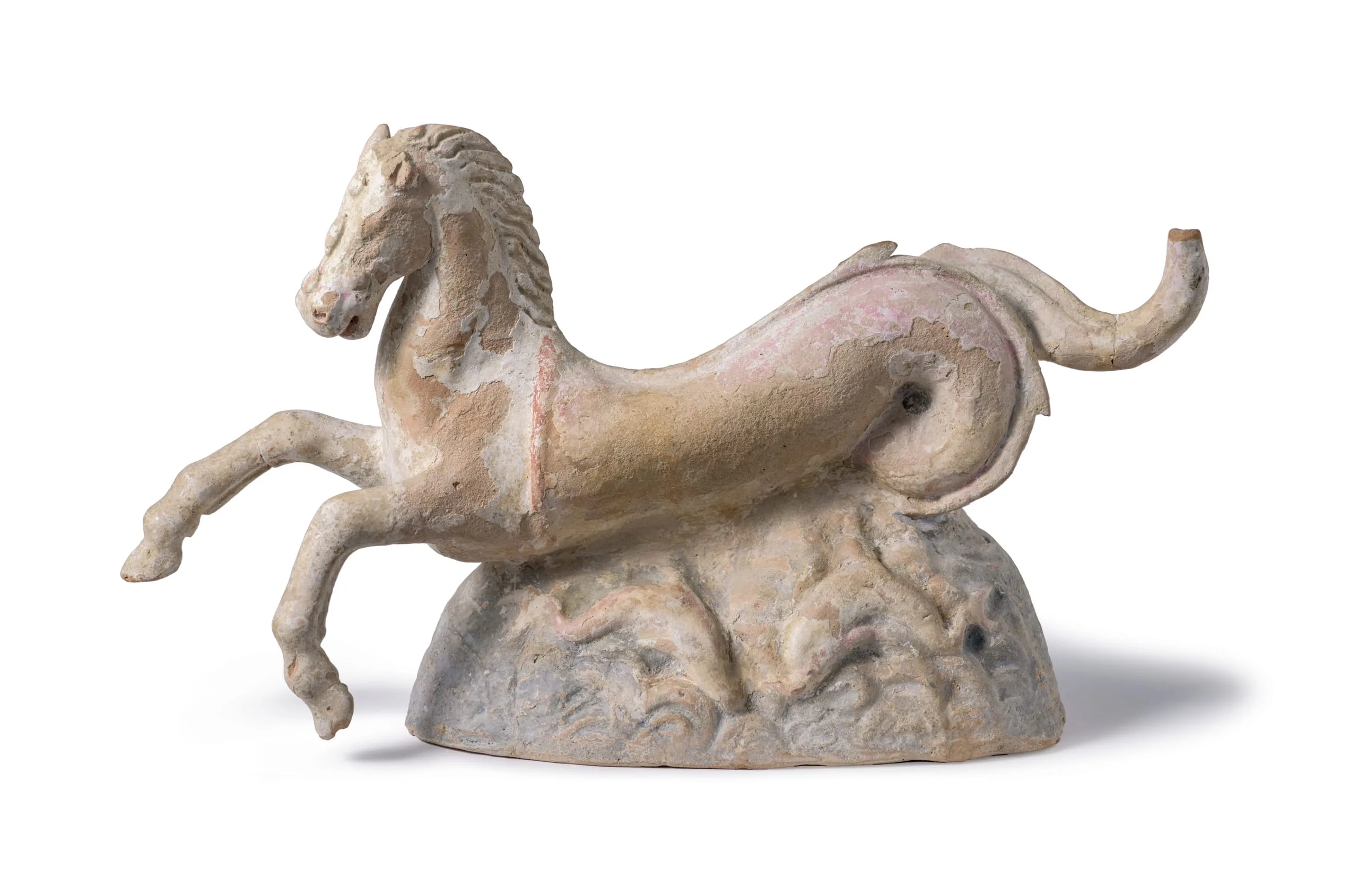
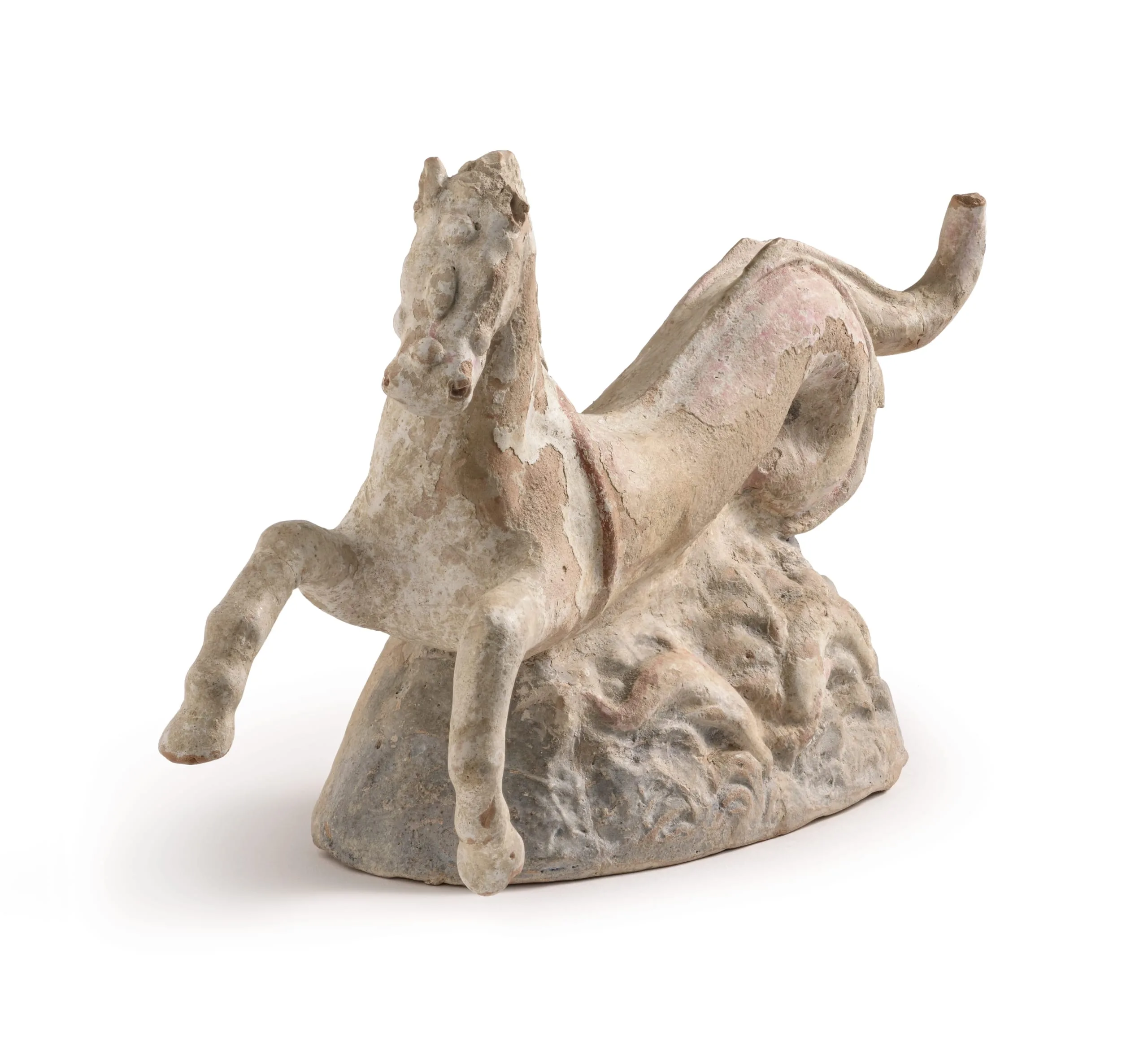
Hippocamp3rd century B.C.

On view:
Geffen Galleries, floor 1
Terracotta sculpture of a rearing hippocampus — horse with fish tail — with cream and pale pink painted surface, mounted on a rocky gray base
Earthenware figure of a rearing horse with forelegs raised, mounted on a textured oval base suggesting rocky ground; traces of pale pink and white pigment remain on the buff clay surface.
Terracotta sculpture of a rearing horse with forelegs raised, mounted on a rocky base; remnants of pale pink and white pigment visible on the weathered tan surface.
Earthenware tomb figure of a galloping horse emerging from a rounded mound base, with front legs raised and tail extended; pale gray clay surface with weathered texture and a circular opening in the base.

Unknown, Hippocamp, 3rd century B.C., Los Angeles County Museum of Art, Gift of Varya and Hans Cohn, photo © Museum Associates/LACMA

Artist or Maker
Unknown
Title
Hippocamp
Culture
Greek
Place Made
Italy, Sicily (Centuripe)
Date Made
3rd century B.C.
Medium
Earthenware
Dimensions
6 7/8 × 12 1/4 × 3 1/4 in. (17.5 × 31.1 × 8.3 cm)
Credit Line
Gift of Varya and Hans Cohn
Accession Number
AC1992.152.13
Classification
Sculpture
Collecting Area
European Painting and Sculpture: Greek and Roman
Curatorial Notes

The subject of this ceramic statuette is a hippocamp, or hippocampus, a hybrid creature with the head and forelegs of a horse and the body and tail of a fish. The body and base of the sculpture were made from separate molds that were then assembled and retouched by hand. After firing, the object was painted. This well-preserved work is finished only on one side and was meant to be viewed from the front. The base depicts a seascape with blue waves and two pink dolphins leaping toward the center. The hippocamp rises above the waves, with its front half painted white and its back half painted pink, with a belt of reddish brown dividing the two. From the fourth century BCE onward, hippocampi and other related beings became popular in funerary imagery and were thought to symbolize the sea and the netherworld.

Centuripe (ancient Kentoripa), where this object was found, was a Siculan (indigenous population of Sicily) settlement northwest of Catania that became Hellenized during the fifth century BCE. Its remote location in the Sicilian interior separated the Siculi from the major art centers of Sicily and southern Italy, which led them to pursue their own creative direction during the Hellenistic period (c. 323−30 BCE). The artists of the city specialized in producing polychrome terracotta figures and vases like this hippocamp, which had no parallels in the western Mediterranean. Most examples of work from Centuripe have been found in funerary contexts outside the town, demonstrating that these painted terracottas were primarily intended for use as grave goods.
Selected Bibliography
  • Thomas, Nancy, and Constantina Oldknow, eds. By Judgment of the Eye: The Varya and Hans Cohn Collection. Los Angeles: Hans Cohn, 1991.
  • Esguerra, Clarissa, and Michaela Hansen. Lee Alexander McQueen: Mind, Mythos, Muse. Los Angeles: Los Angeles County Museum of Art, 2022.
  • Esguerra, Clarissa M., Michaela Hansen, Katie Somerville, and Danielle Whitfield, editors. Alexander McQueen: Mind, Mythos, Muse. Melbourne: National Gallery of Victoria; Los Angeles: Los Angeles County Museum of Art, 2022.