LACMA

ShopMembershipMyLACMATickets
LACMA
Los Angeles County Museum of Art
5905 Wilshire Blvd.
Los Angeles, CA 90036
info@lacma.org
(323) 857-6000
Sign up to receive emails
Subscribe
© Museum Associates 2025

Museum Hours

Monday

11 am–6 pm

Tuesday

11 am–6 pm

Wednesday

Closed

Thursday

11 am–6 pm

Friday

11 am–8 pm

Saturday

10 am–7 pm

Sunday

10 am–7 pm


  • About LACMA
  • Jobs
  • Building LACMA
  • Host An Event
  • Unframed
  • Press
  • FAQs
  • Log in to MyLACMA
  • Privacy Policy
© Museum Associates 2025
Collections

Unknown
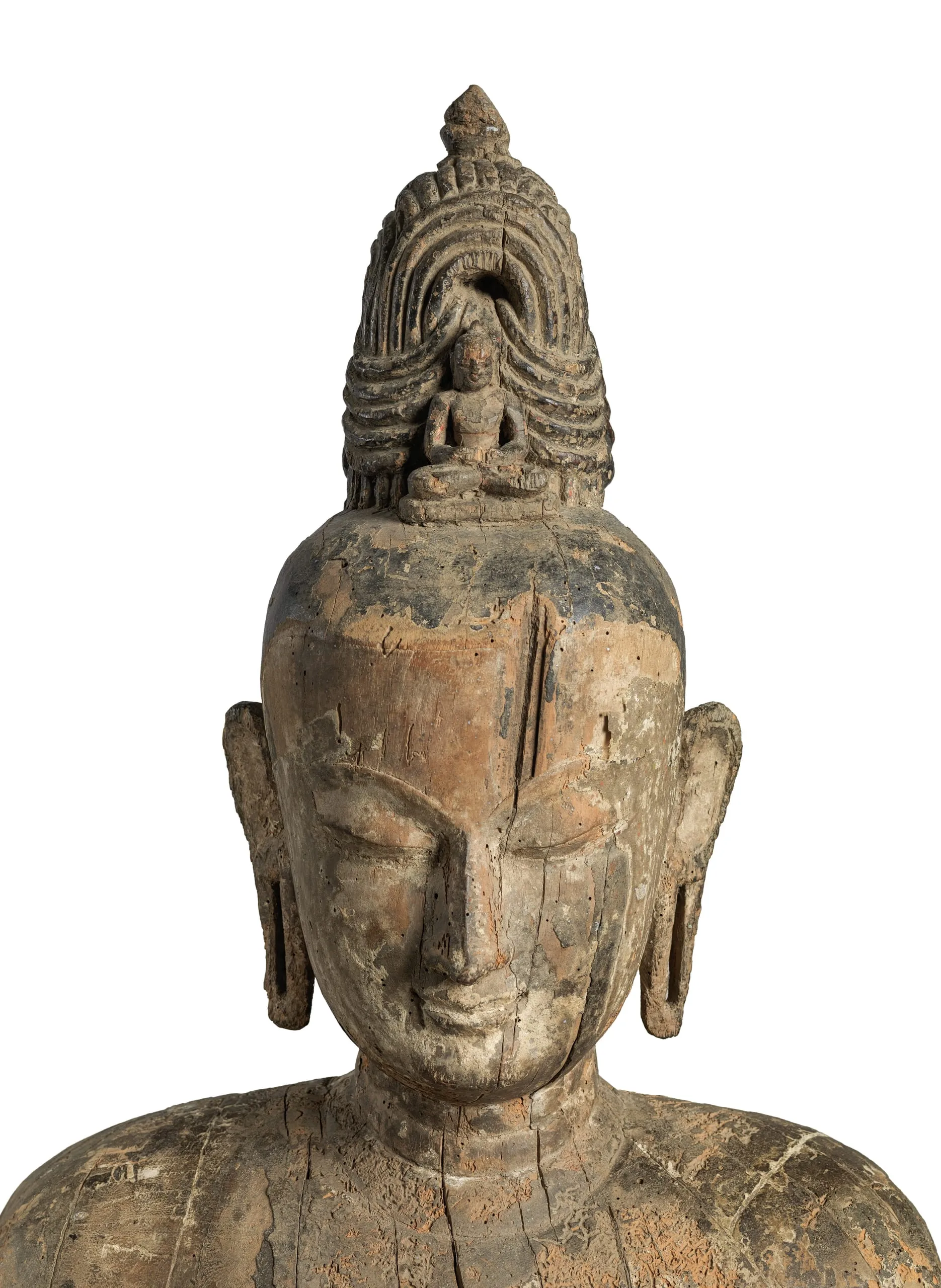
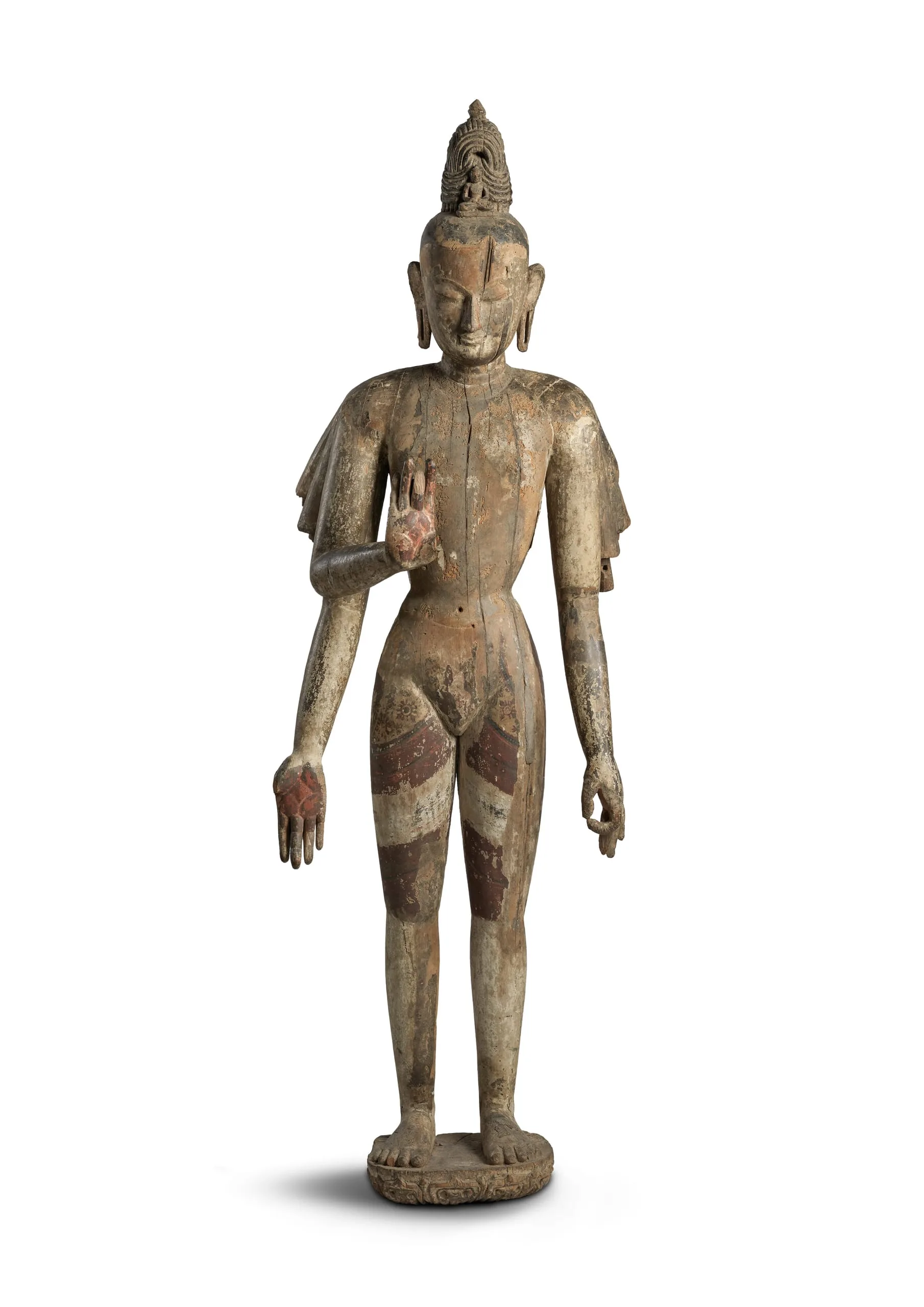
The Bodhisattva Amoghapasha Lokeshvaracirca 15th century or earlier

On view:
Resnick Pavilion, floor 1
Full-length carved wood sculpture of a standing figure with a tall stacked headdress, elongated ears, one hand raised in a gesture, with remnants of red and gilt paint on a weathered surface
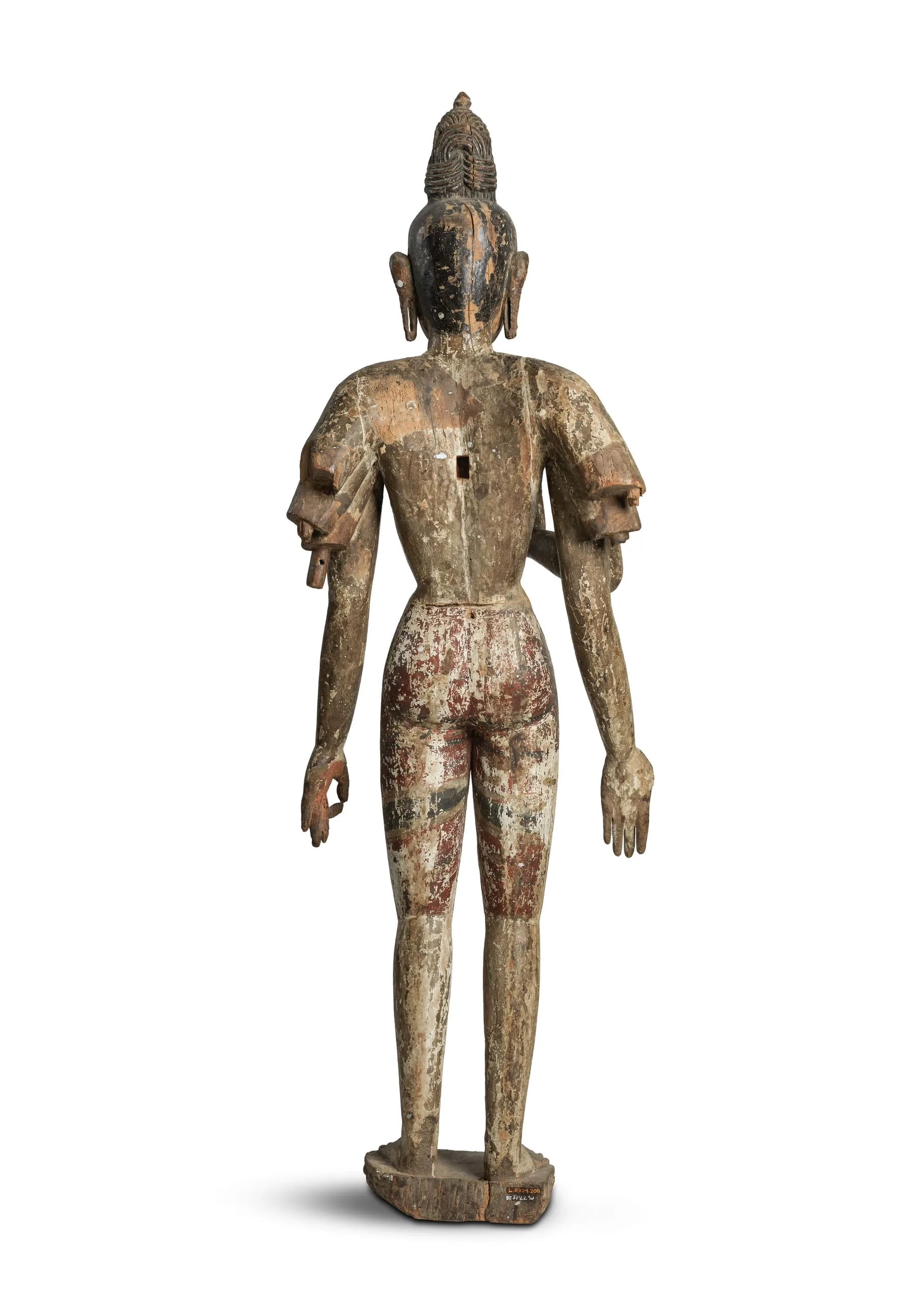
Wooden sculpture of a standing deity figure viewed from the back, with a tall crown, elongated ears, and multiple arms, showing heavily weathered and flaking polychrome surface in red, white, and black pigments, mounted on a flat base.
Carved wooden bodhisattva head and shoulders with weathered, flaking polychrome surface; tall layered crown with a small seated figure at center; elongated earlobes and serene downcast facial features.
Artist or Maker
Unknown
Title
The Bodhisattva Amoghapasha Lokeshvara
Place Made
Nepal
Date Made
circa 15th century or earlier
Medium
Wood with traces of paint
Dimensions
66 1/2 x 21 x 18 in. (168.91 x 53.34 x 45.72 cm)
Credit Line
From the Nasli and Alice Heeramaneck Collection, Museum Associates Purchase
Accession Number
M.77.19.28
Classification
Sculpture
Collecting Area
South and Southeast Asian Art
Curatorial Notes

As one of the 108 forms of Avalokiteshvara, the Bodhisattva of Compassion, Amoghapasha Lokeshvara (Unfailing Noose Lord of the World), is one of the most important deities in Newar Buddhism. He is one of the eight tutelary deities of the Kathmandu Valley. Amoghapasha Lokeshvara is worshiped by the laity in the Ashtami Vrata ritual performed on the eighth day of the bright half of each lunar month. Attendees are instructed as to how to transform themselves through meditation into Amoghapasha and thus become the embodiment of altruistic compassion themselves.

The sculpture would have originally been displayed in a group with Amoghapasha flanked by two of his female attendants, White (Sita) Tara to his right, and Bhrikuti to his left. A kneeling figure of Hayagriva to Amoghapasha’s left would complete the ensemble. Groups such as this were, and still are, placed in major Avalokiteshvara temples, in the city of Patan, Nepal, where a shrine to Amoghapasha and his retinue is mandatory for the major Buddhist monastic institutions.

This life-size representation of Amoghapasha stands on a lotus base. It has an ascetic’s piled hair with a diminutive seated figure of the meditation Buddha (dhyanibuddha), Amitabha. The sculpture originally had eight arms, but only three remain complete. The now-lost forearms of the other five were once tenoned to the torso. The upper right hand is held in the gesture of reassurance (abhaya mudra). The lower right hand is held in the gesture of charity (varada mudra). The remaining left hand once held a mendicant’s water pot. The sculpture was originally brightly painted with patterned textiles, much of which has been lost through ritual cleansing. It was also once adorned with now-missing metal jewelry. See also M.72.1.10 and M.83.220.7.
Selected Bibliography
  • Little, Stephen, and Tushara Bindu Gude. Realms of the Dharma: Buddhist Art across Asia. Los Angeles: Los Angeles County Museum of Art, 2025.