LACMA

ShopMembershipMyLACMATickets
LACMA
Los Angeles County Museum of Art
5905 Wilshire Blvd.
Los Angeles, CA 90036
info@lacma.org
(323) 857-6000
Sign up to receive emails
Subscribe
© Museum Associates 2025

Museum Hours

Monday

11 am–6 pm

Tuesday

11 am–6 pm

Wednesday

Closed

Thursday

11 am–6 pm

Friday

11 am–8 pm

Saturday

10 am–7 pm

Sunday

10 am–7 pm


  • About LACMA
  • Jobs
  • Building LACMA
  • Host An Event
  • Unframed
  • Press
  • FAQs
  • Log in to MyLACMA
  • Privacy Policy
© Museum Associates 2025
Collections

Unknown
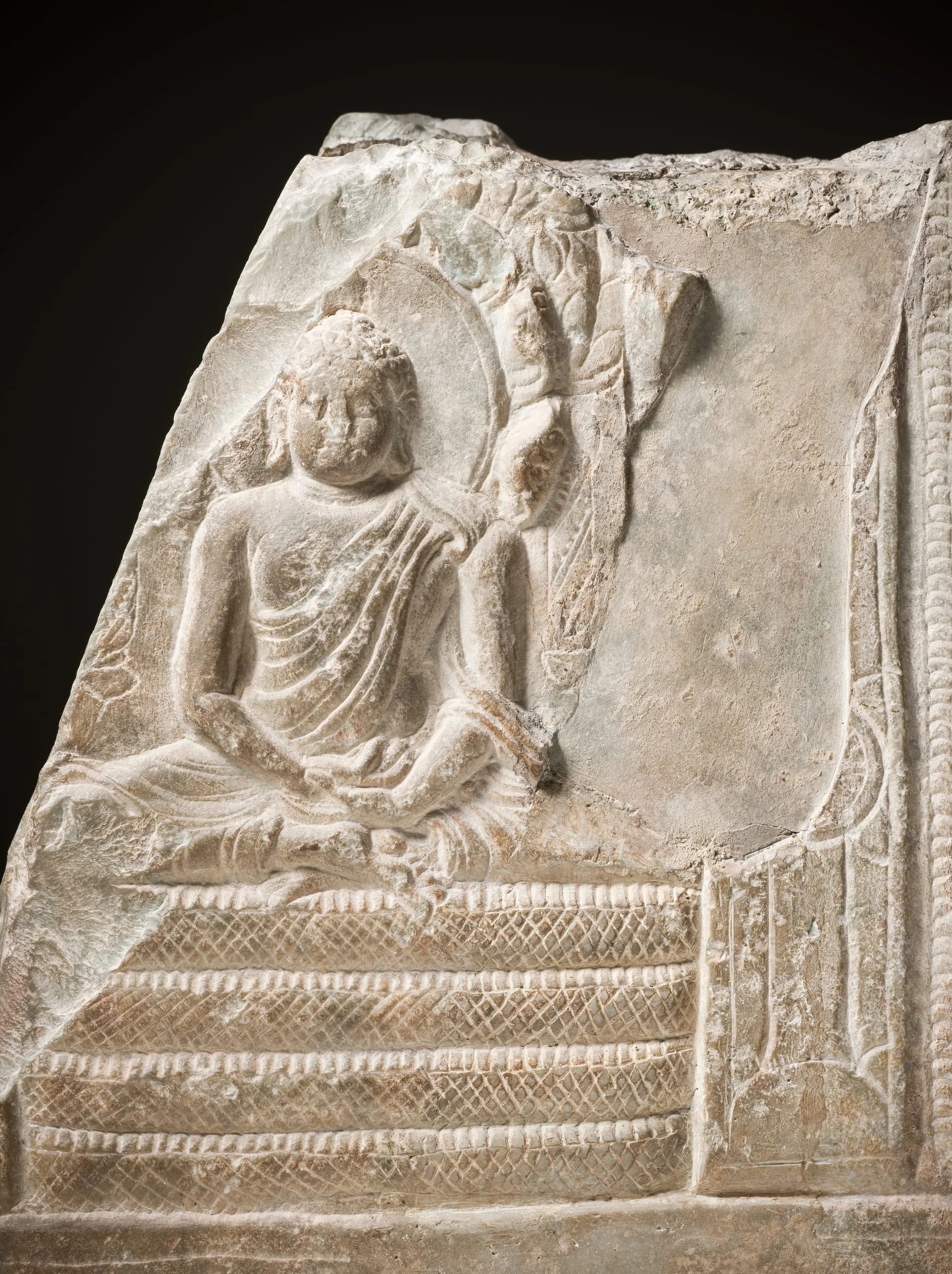
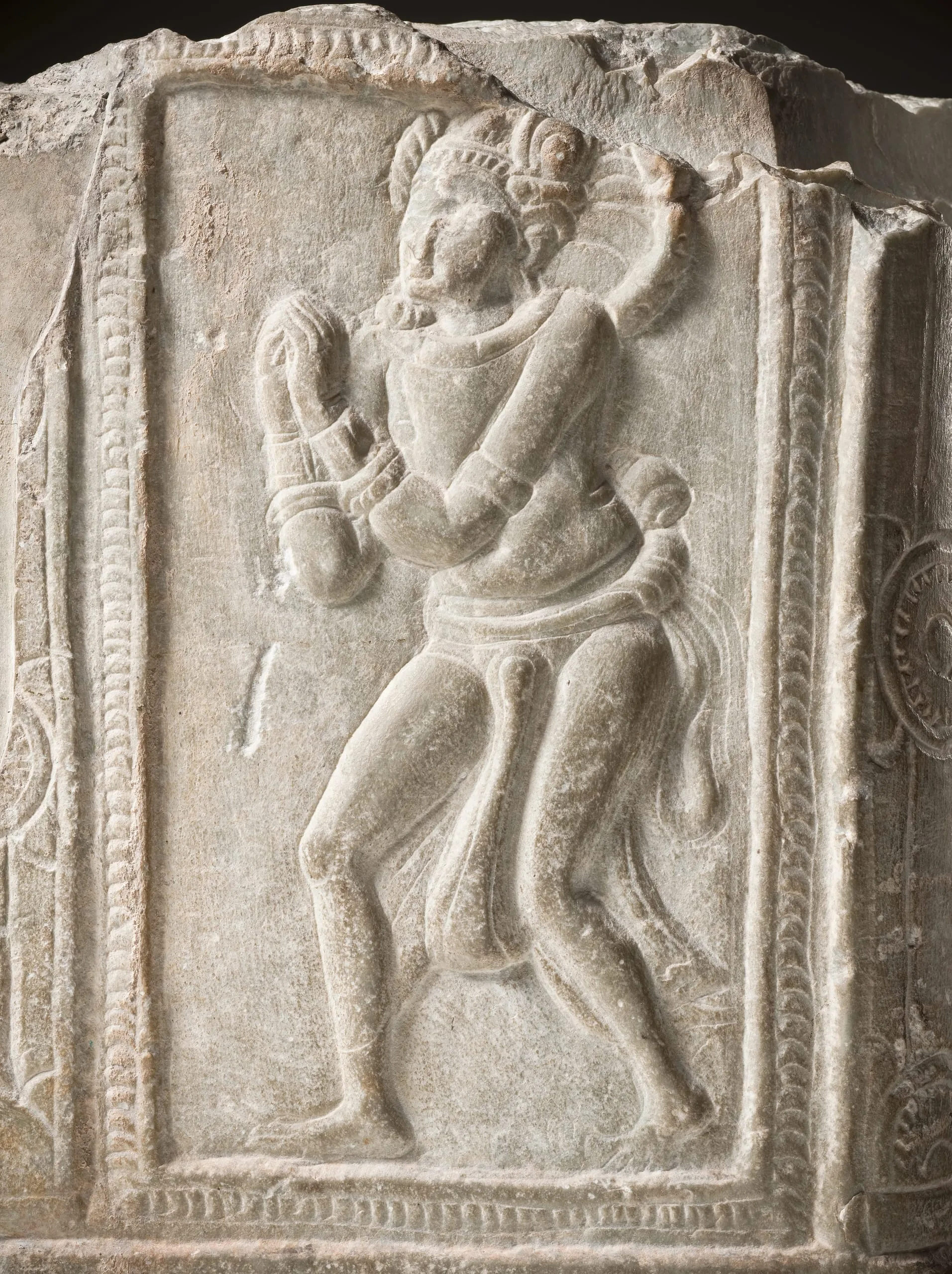
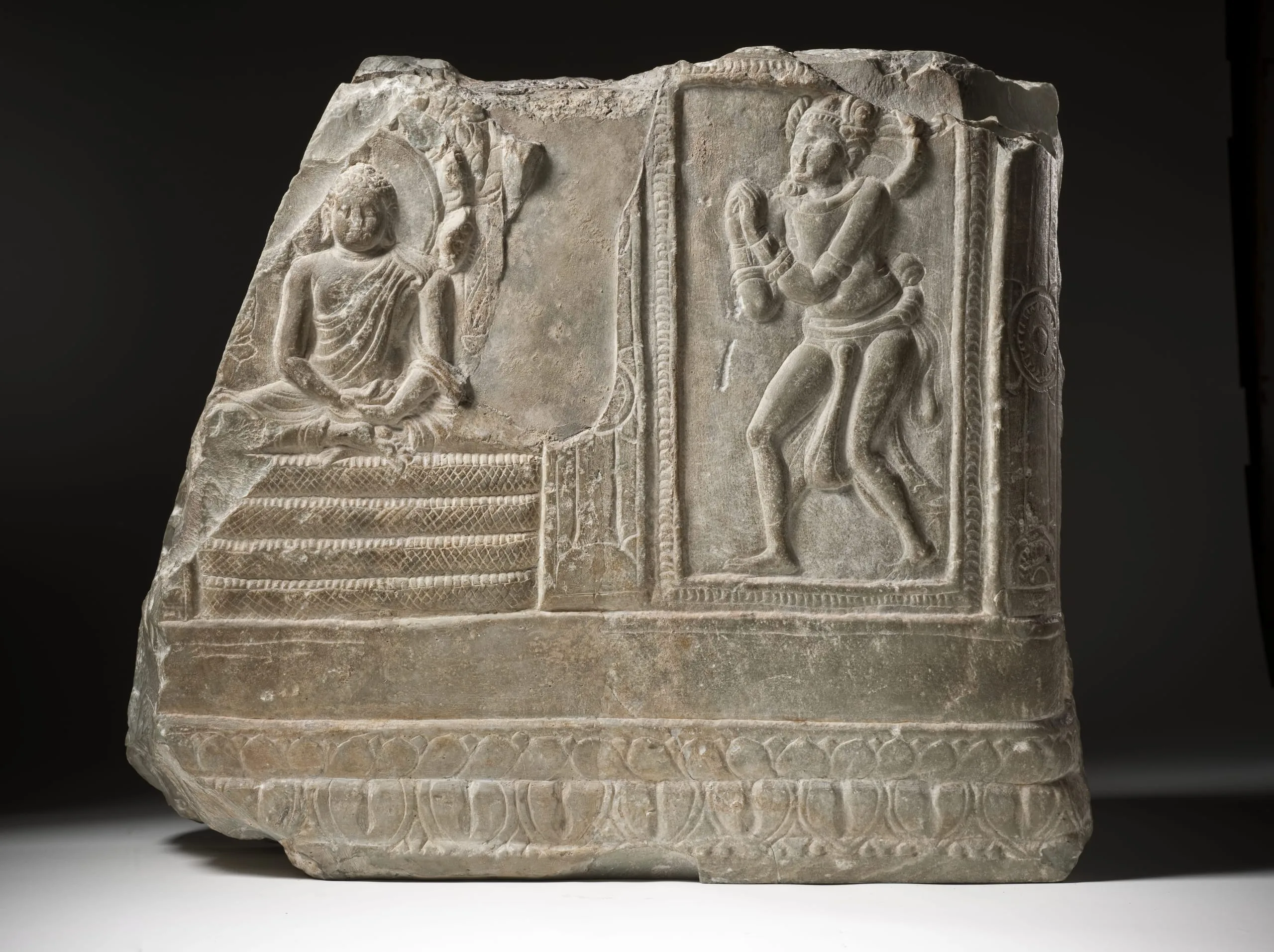
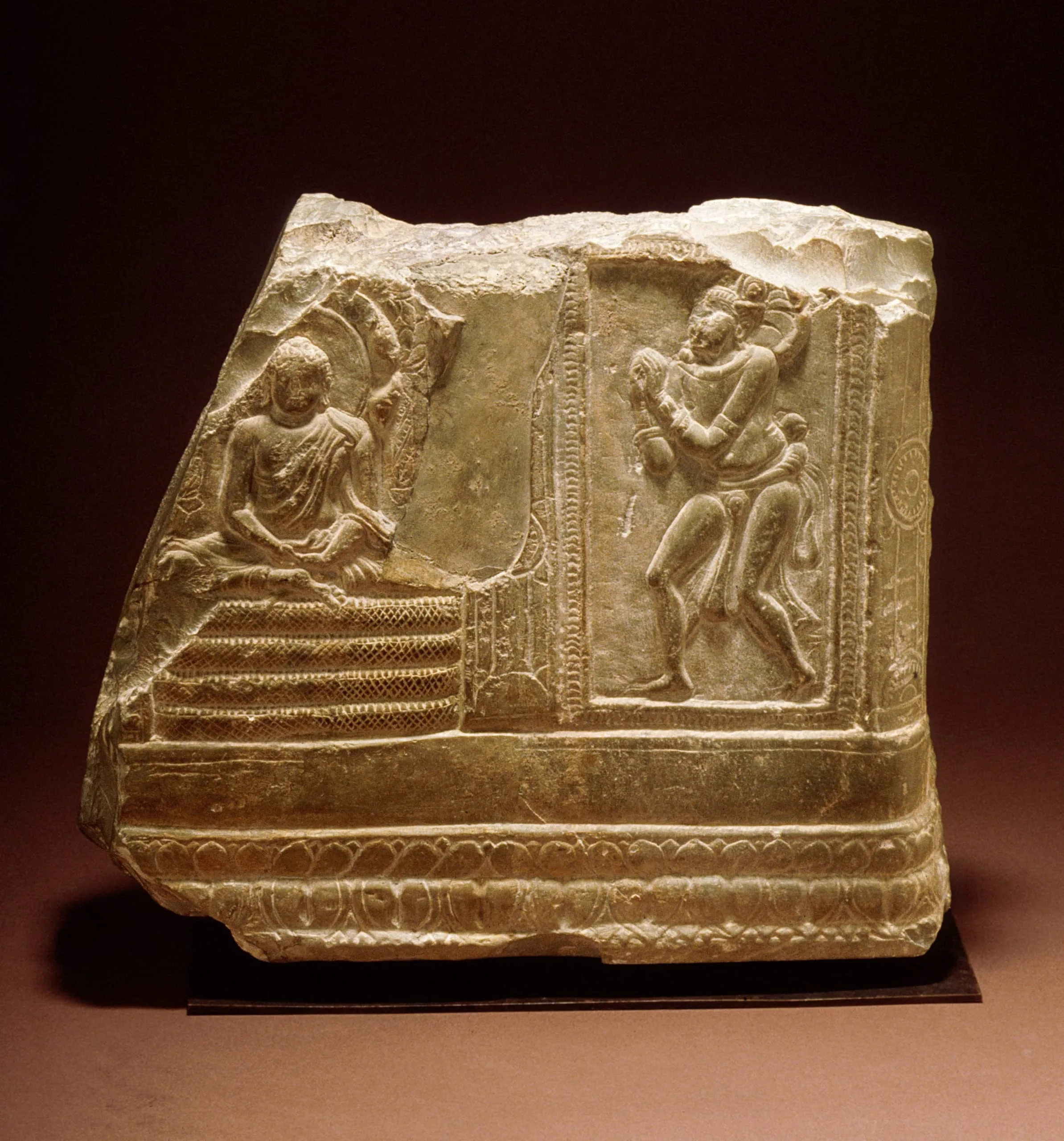
Buddha Shakyamuni Sheltered by the Serpent King Muchalindacirca 300-350

Not on view
Gray schist relief panel with two carved registers: a seated haloed figure on a latticed throne at left, and a dynamic standing crowned figure with raised arms at right
Fragment of a pale stone relief panel with two carved registers: at left, a seated figure with a halo on a tiered lotus throne; at right, a standing male figure in a dynamic pose within an architectural niche with pilasters. Lower border decorated with petal motifs. Upper edge broken and irregular.
Stone relief fragment depicting a seated figure in meditation pose, draped in robes, with a circular halo, atop a tiered lotus throne with beaded and latticed carving; a large hand gesture descends from above at right.
Stone relief panel depicting a dancing figure with multiple arms, ornamental jewelry, and a beaded border, carved in pale gray stone with weathered surface.
Artist or Maker
Unknown
Title
Buddha Shakyamuni Sheltered by the Serpent King Muchalinda
Place Made
India, Andhra Pradesh, Goli Village
Date Made
circa 300-350
Medium
White limestone
Dimensions
16 1/2 x 17 1/2 x 6 in. (41.91 x 44.45 x 15.24 cm)
Credit Line
Gift of the Michael J. Connell Foundation
Accession Number
M.71.54
Classification
Sculpture
Collecting Area
South and Southeast Asian Art
Curatorial Notes

This image represents the occasion when the Buddha, after his enlightenment at Bodhgaya, sat meditating beneath a tree. A fierce storm arose that threatened to interrupt the Buddha’s serenity, and the serpent-king Muchalinda spread his hood over the Buddha for seven days to protect him. Here, the Buddha is shown enthroned upon the coils of the snake’s body, while the polycephalic hood forms a canopy. In the panel on the right, the personified serpent-king approaches the Buddha with his hands held in the gesture of adoration (anjali mudra). He is identified by his cobra-hood nimbus with a snake emanating from his left shoulder.

At Goli village and the principal sites of Nagajunakonda and Amaravati there were Buddhist monastic communities that commissioned large stupas (funerary and reliquary monuments) adorned with exquisitely carved reliefs. This sculpture can be identified as being from the Goli village stupa because of the distinctive treatment of the Buddha’s robe wherein the drapery is arranged so as to produce an extra flap over the left shoulder which appears almost like an epaulet. The treatment of the Buddha’s robes in early Andhra sculptures also suggests Western stylistic influence through contact with the nearby Roman trading ports.
Selected Bibliography
  • Little, Stephen, Tushara Bindu Gude, Karina Romero Blanco, Silvia Seligson, Marco Antonio Karam. Las Huellas de Buda. Ciudad de México : Instituto Nacional de Antropología e Historia, 2018.
  • Little, Stephen, and Tushara Bindu Gude. Realms of the Dharma: Buddhist Art across Asia. Los Angeles: Los Angeles County Museum of Art, 2025.