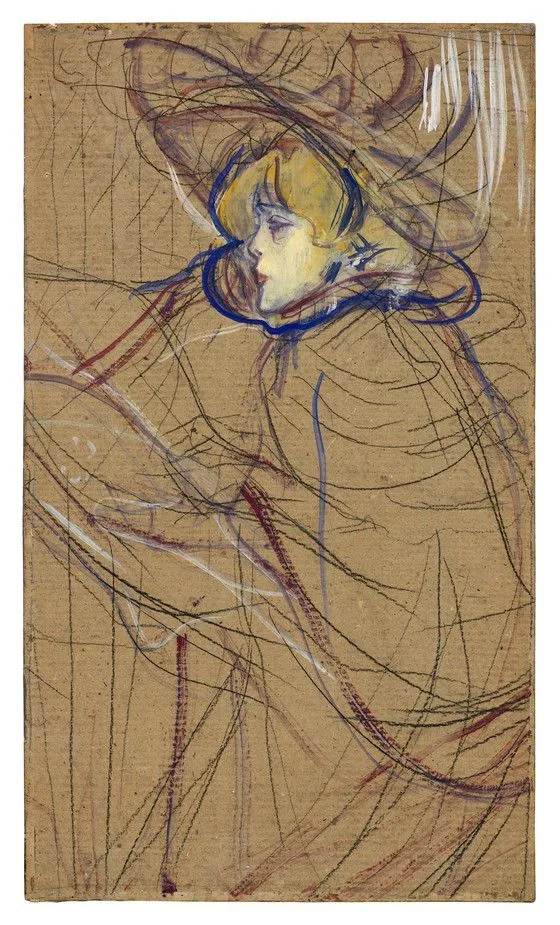
Possibly Thadée Natanson (1868–1951), Paris, c. 1902.(1) Serobe Sévadjian (c. 1869–1932) (sale, Paris, Hôtel Drouot, 22 March 1920, lot 22, to);(2) Walter Gay (1856–1937), Paris.(3) Marquis di Biron, 20th c., to;(4) L. Besnard.4 Private Collection, Paris, c. 1980. Anonymous (sale, Paris, Ader Picard Tajan, 9 April 1987, lot 85). Anonymous (sale, New York, Christie’s, 11 May 1988, lot 18, to); A. J. Perenchio (1930–2017), Los Angeles, gifted 2025 to; Los Angeles County Museum of Art
Footnotes
(1) Natanson was a great supporter and collector of Bonnard, Toulouse-Lautrec, and Vuillard. With brothers Alexandre and Alfred, Thadée Natanson ran the French arts journal La Revue blanche.
(2) The 22 March 1920 Drouot sale catalogue lists “S… S…” as the owner, however newspapers at the time listed the owner’s name as “M. Sevadjian” when publishing the sale results.
(3) Walter Gay was an American painter and collector who lived in Paris, best known for his painted interiors that celebrate French furniture and interior design.
(4) According to an inscription on the back of the board: “Toulouse Lautrec / achete par moi au / Marquis di Biron / L. Besnard.” This likely refers to Guillaume de Gontaut, Marquis de Biron (1859–1939), and possibly the author, critic, and collector Lucien Besnard (1872–1955). The Marquis de Biron was a lender of another image of Jane Avril to the 1902 Exposition H. de Toulouse-Lautrec, no. 111.