- Title
- Flowers of One Hundred Worlds
- Date Made
- 1909/1910
- Medium
- Set of (three) woodblock printed albums; ink and colors on paper
- Dimensions
- 11 7/8 x 8 7/8 in. (30.16 x 22.54 cm) each
- Accession Number
- M.2005.78a-c
- Curatorial Notes
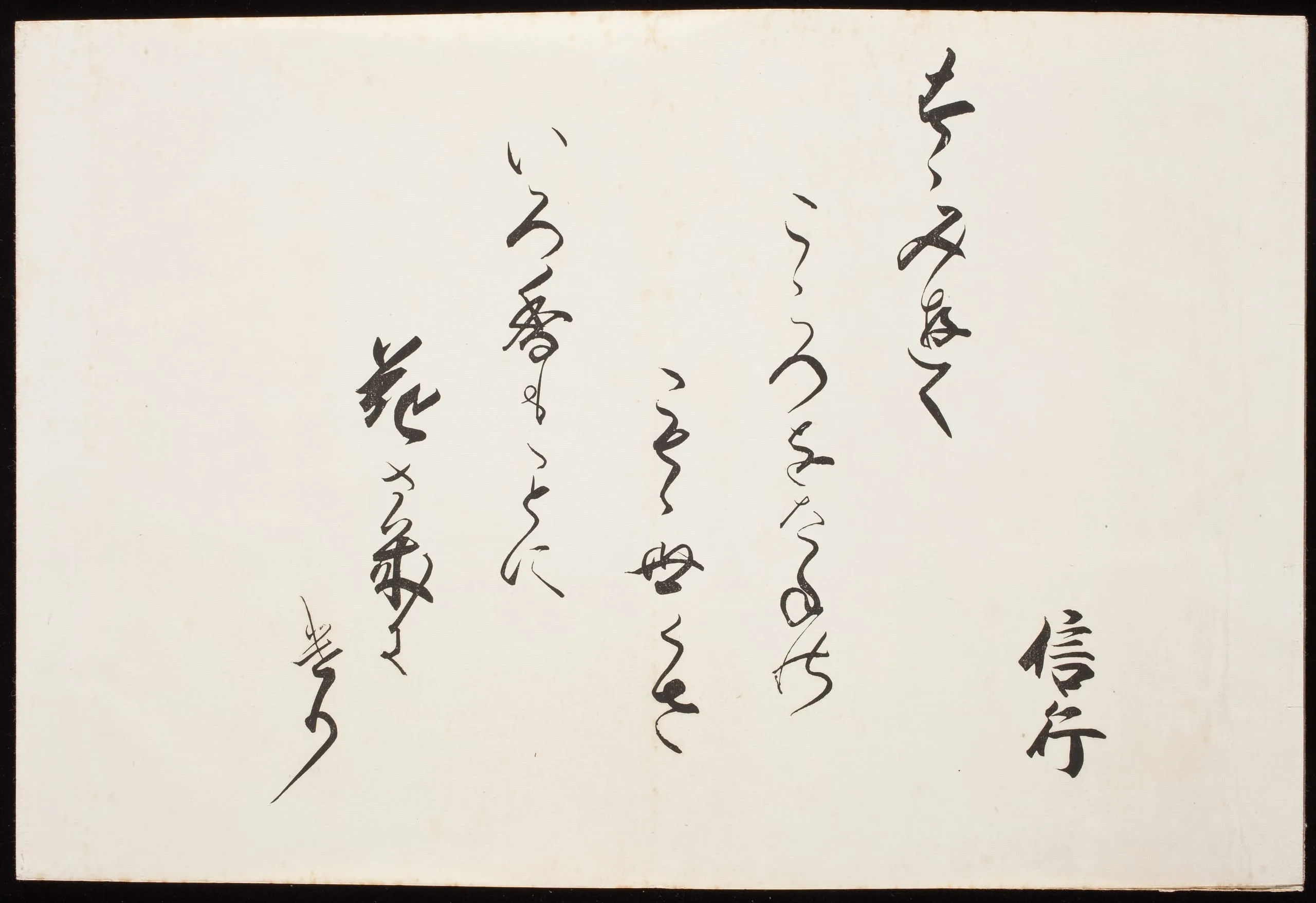
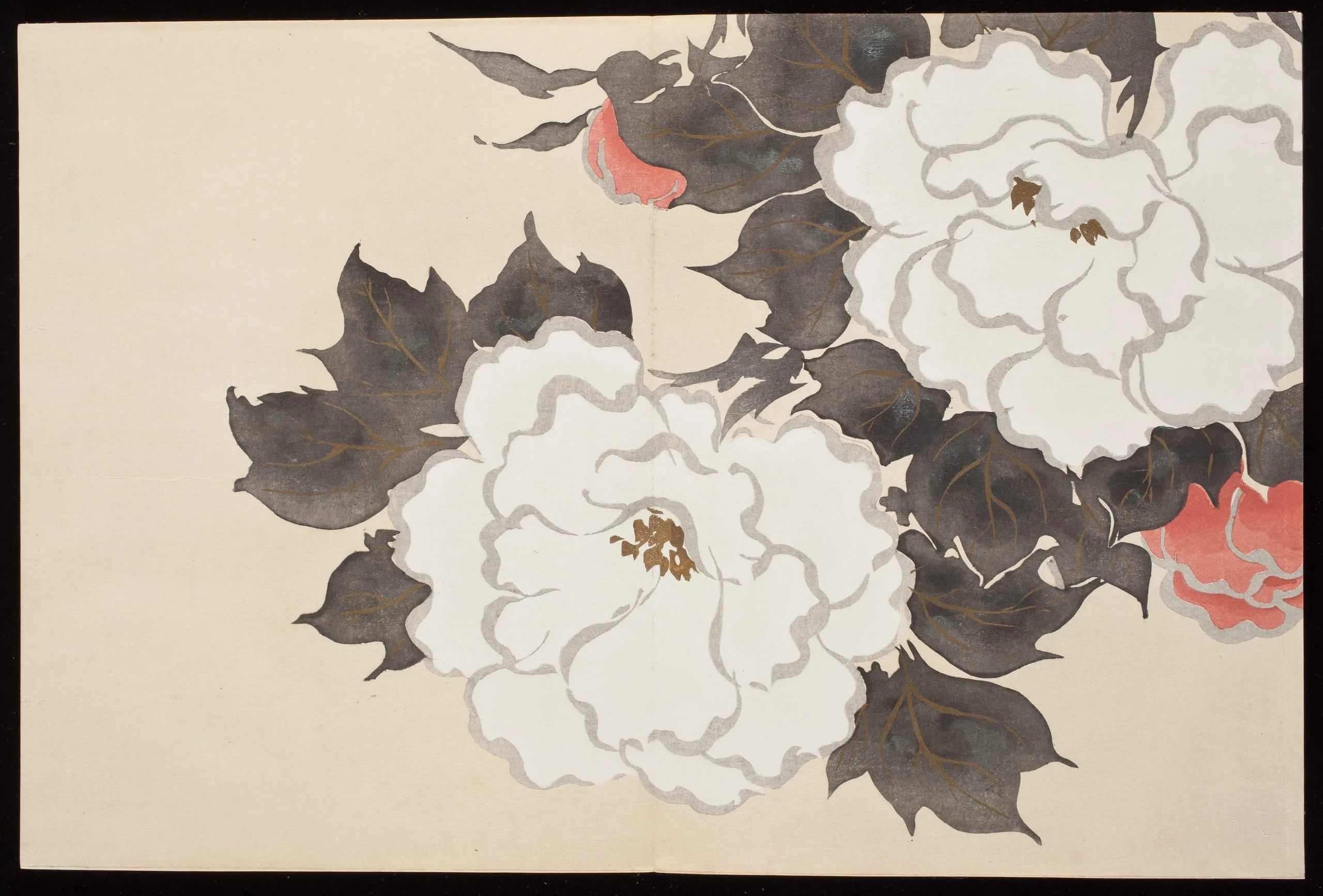
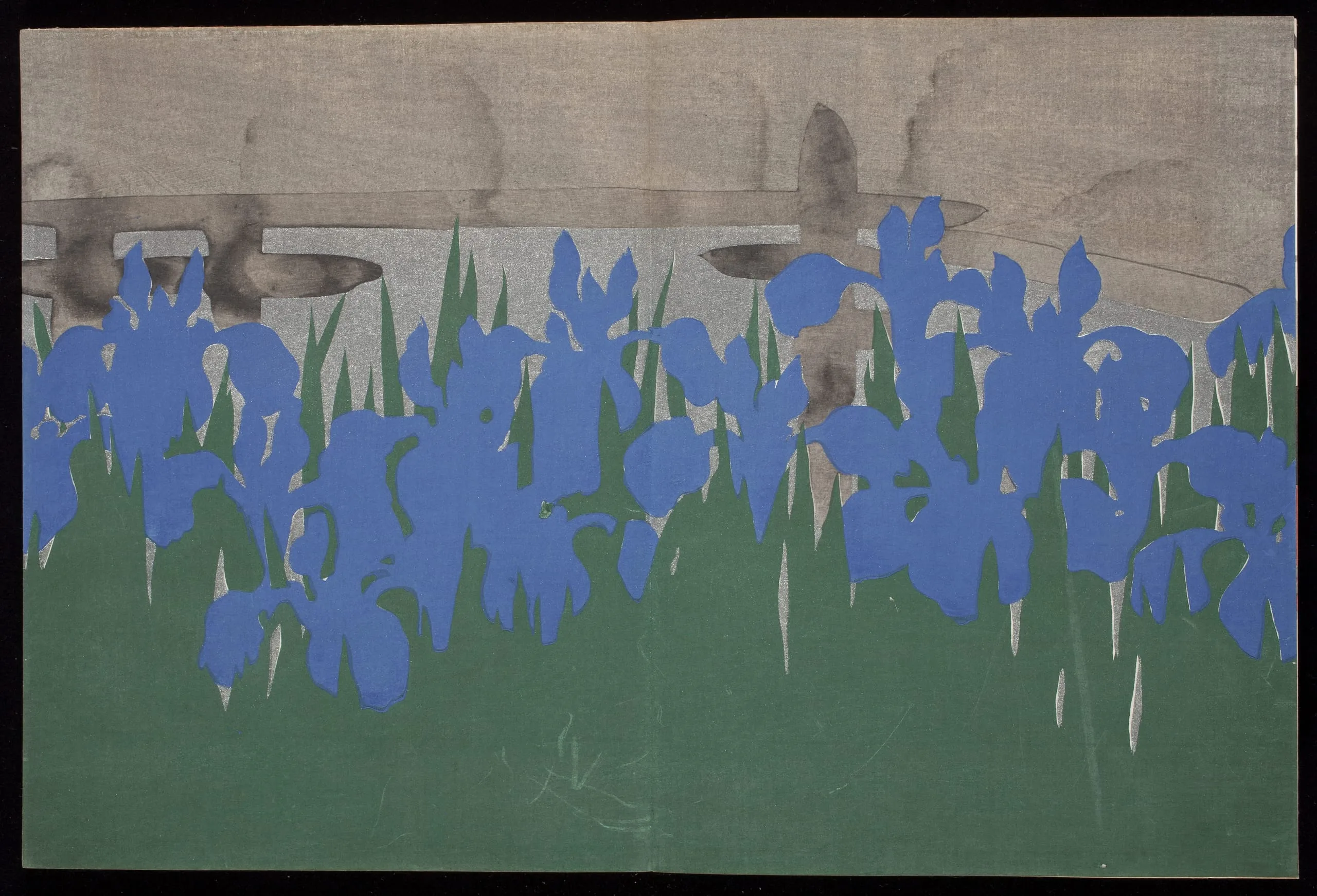
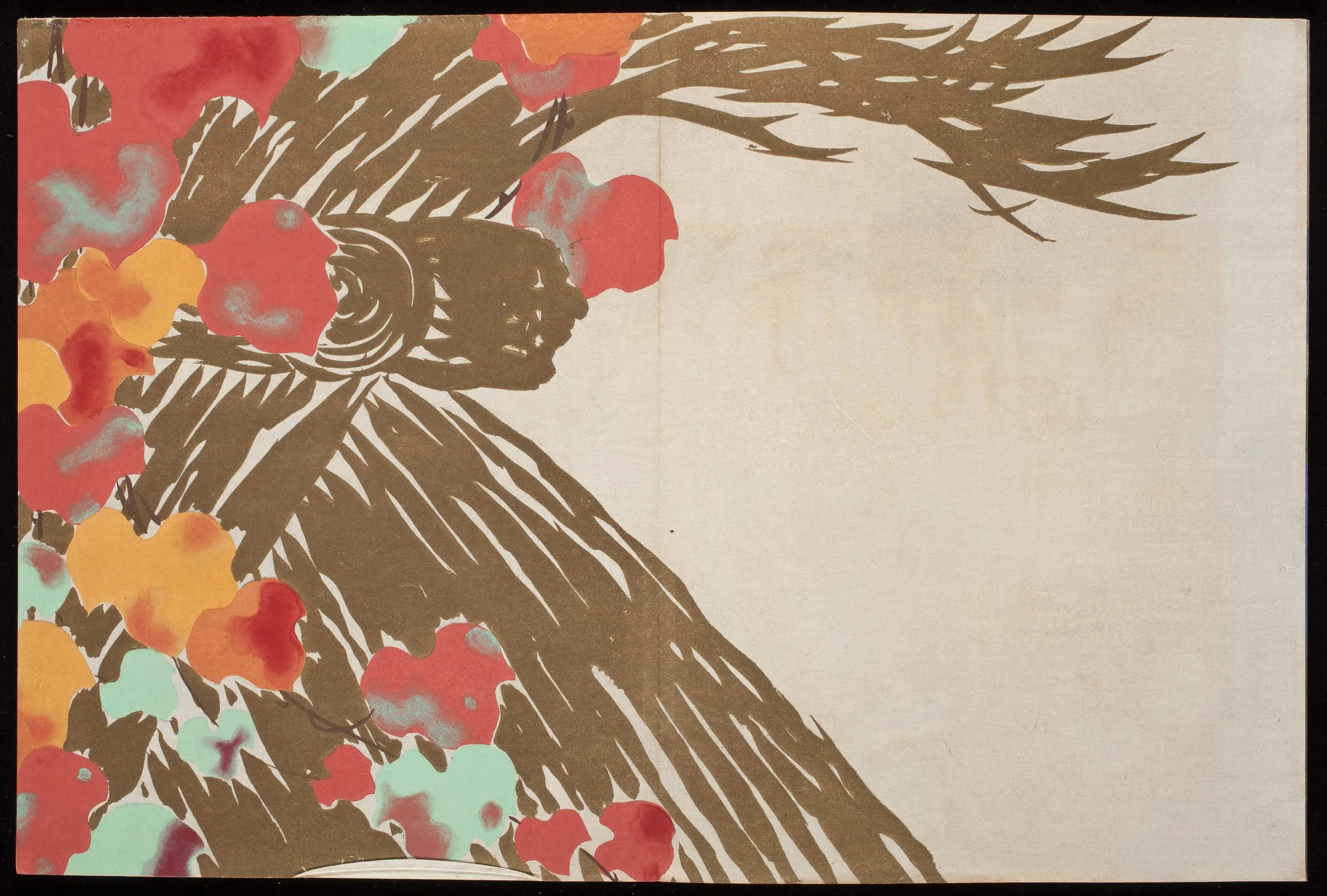
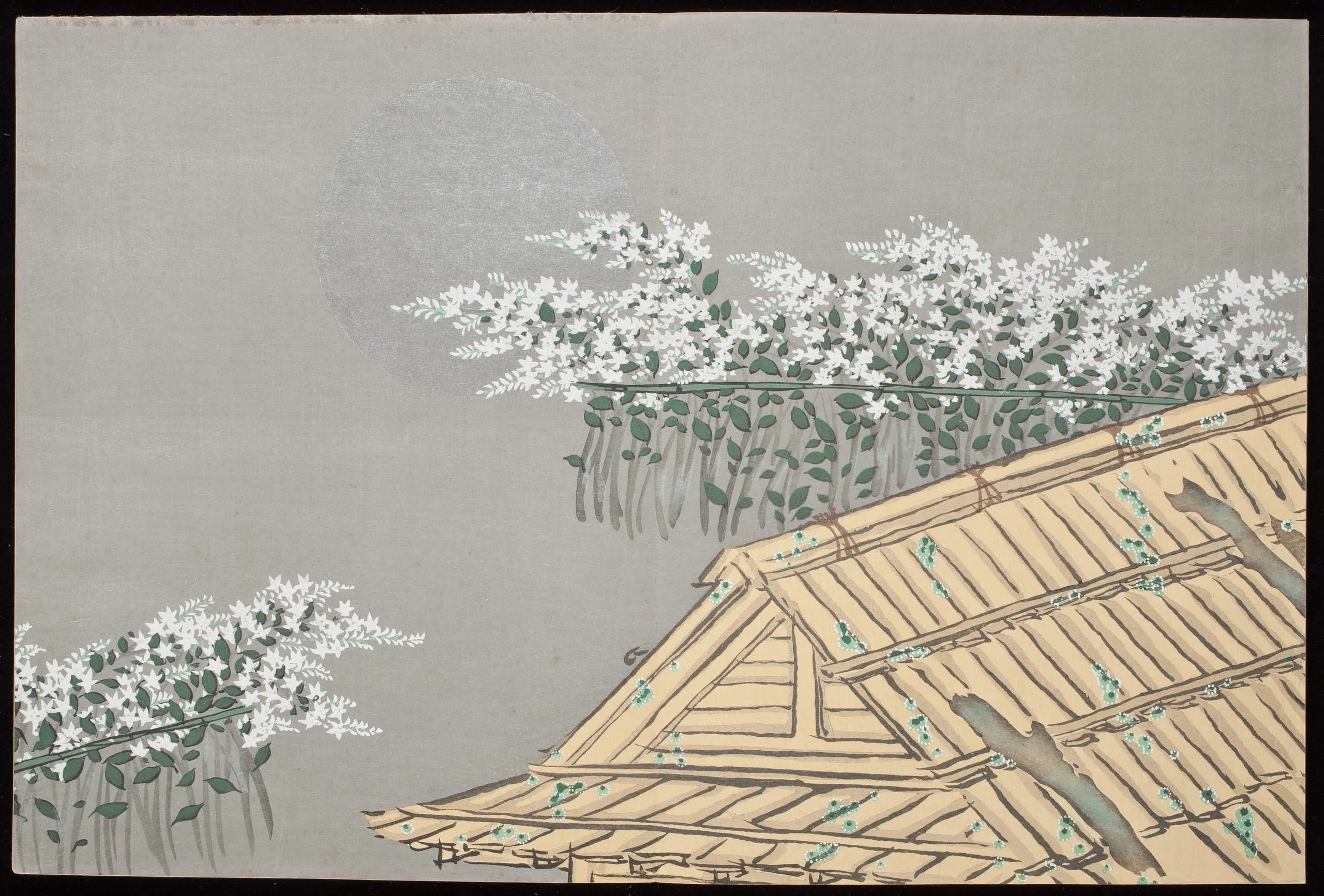
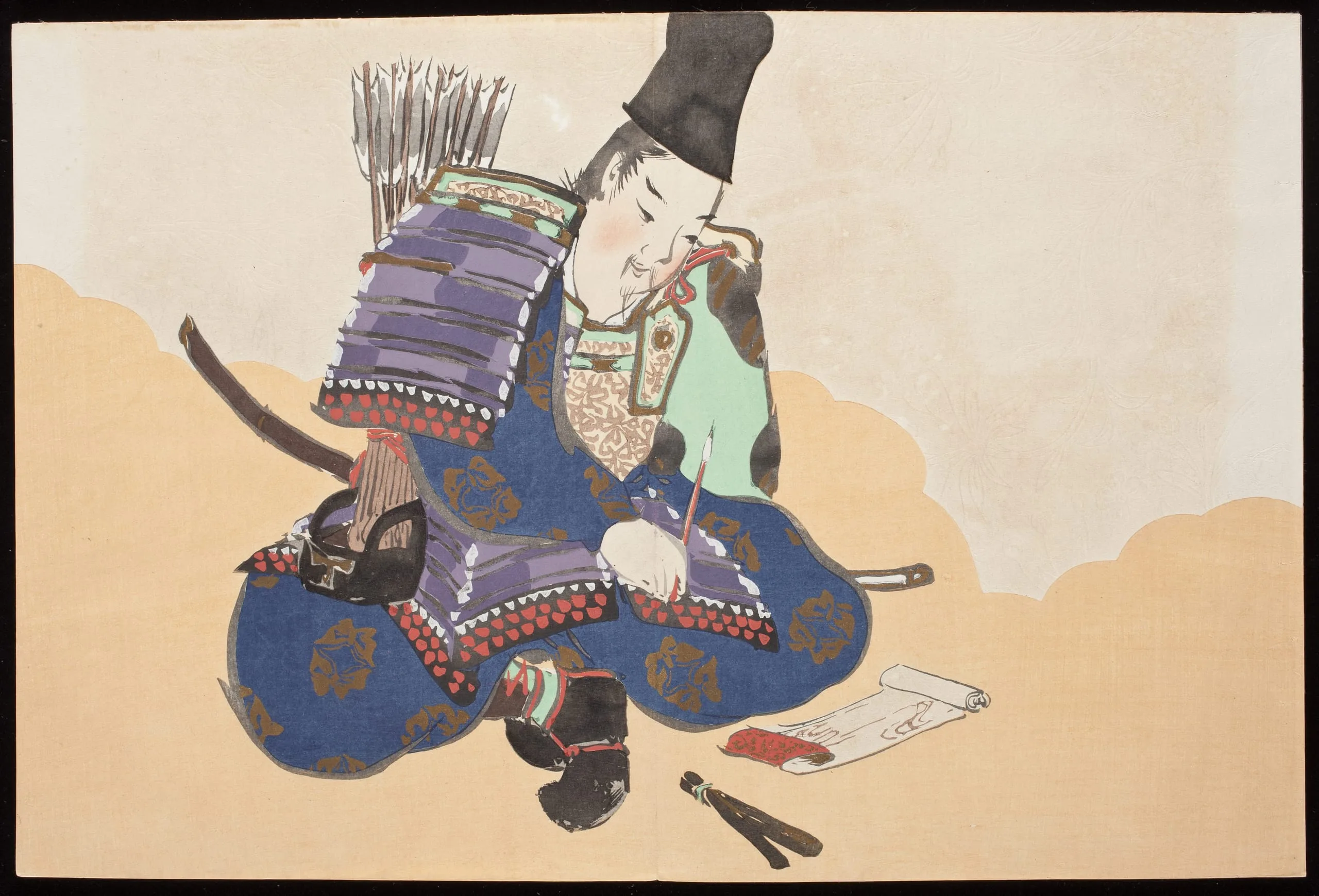
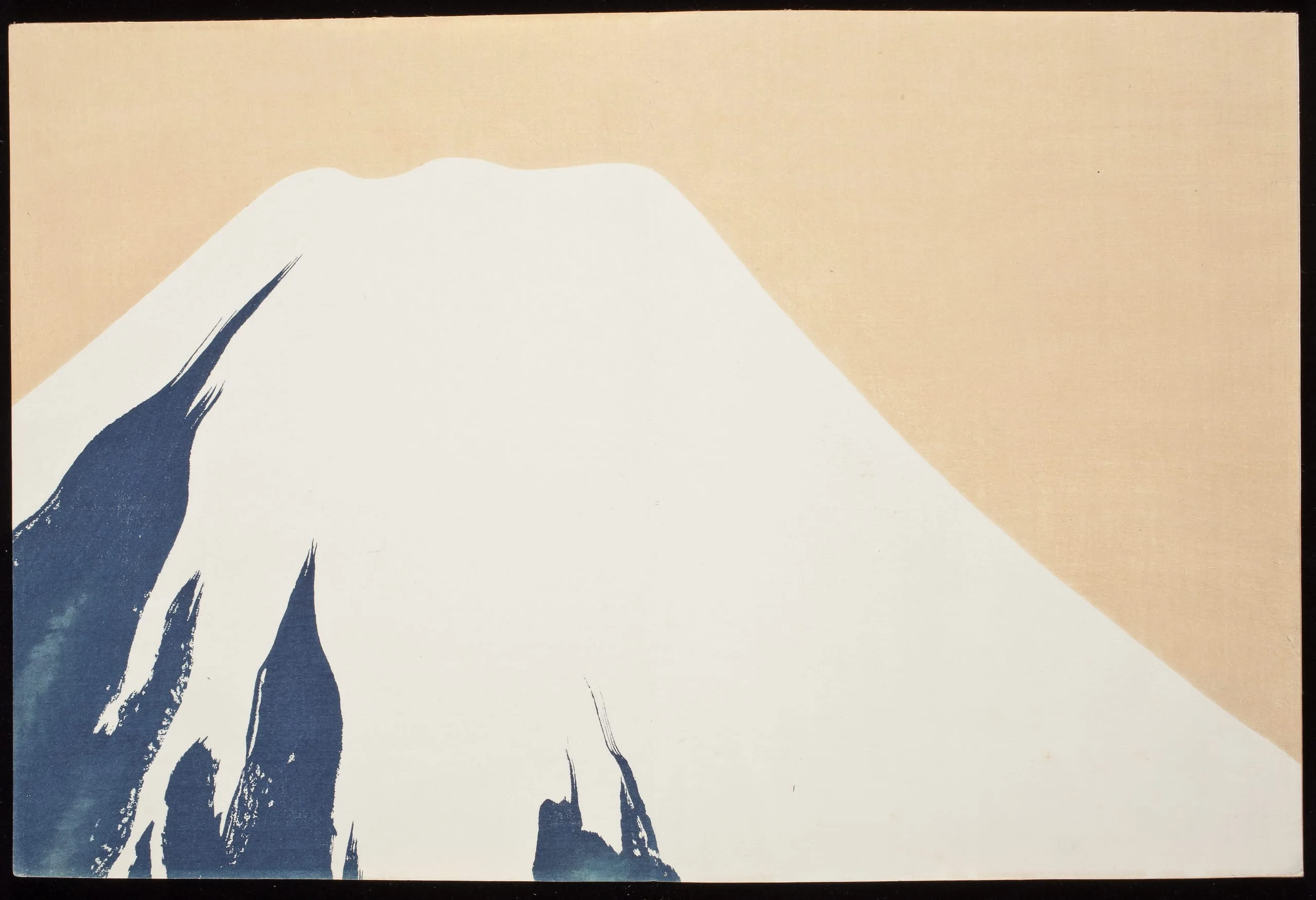
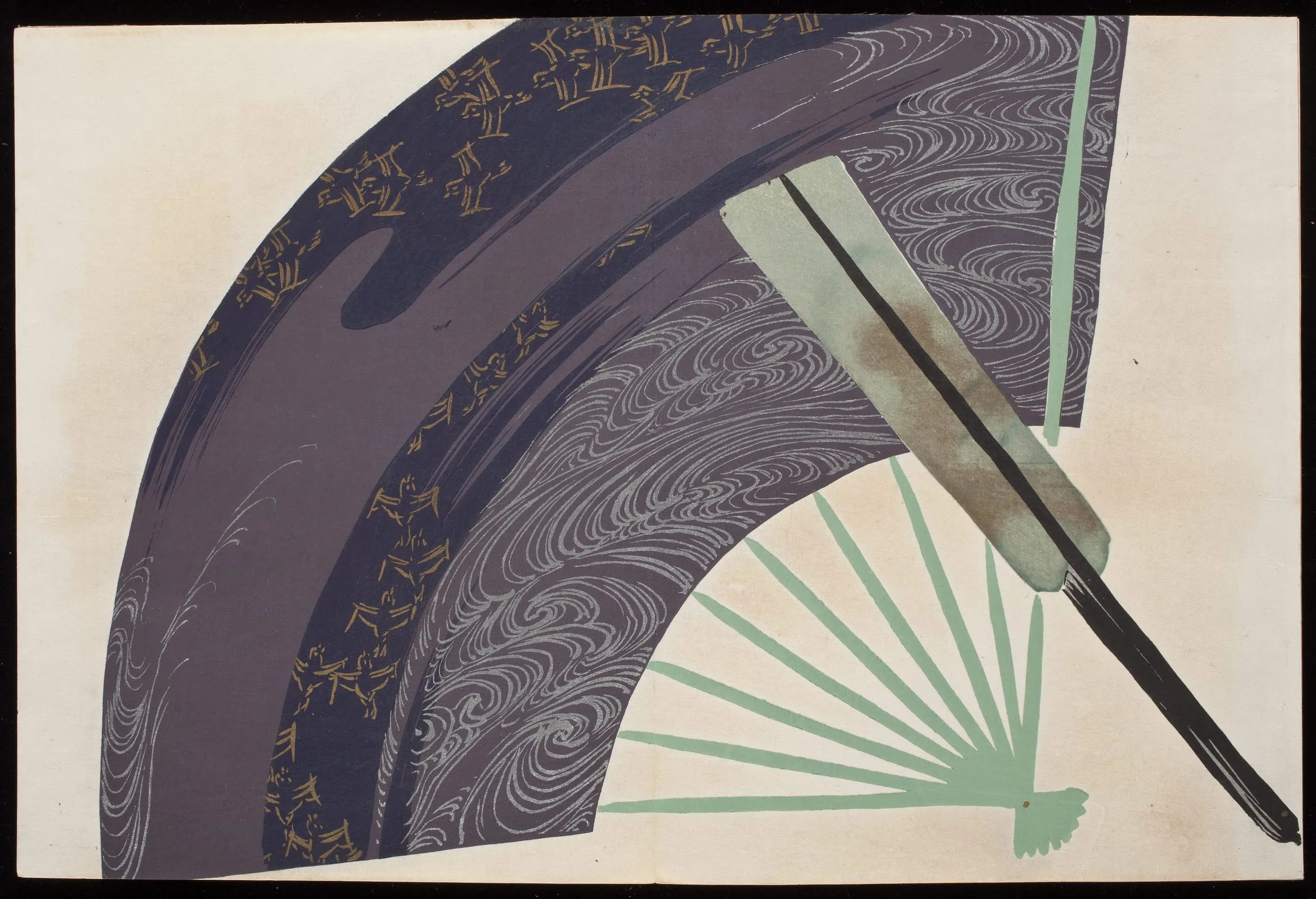
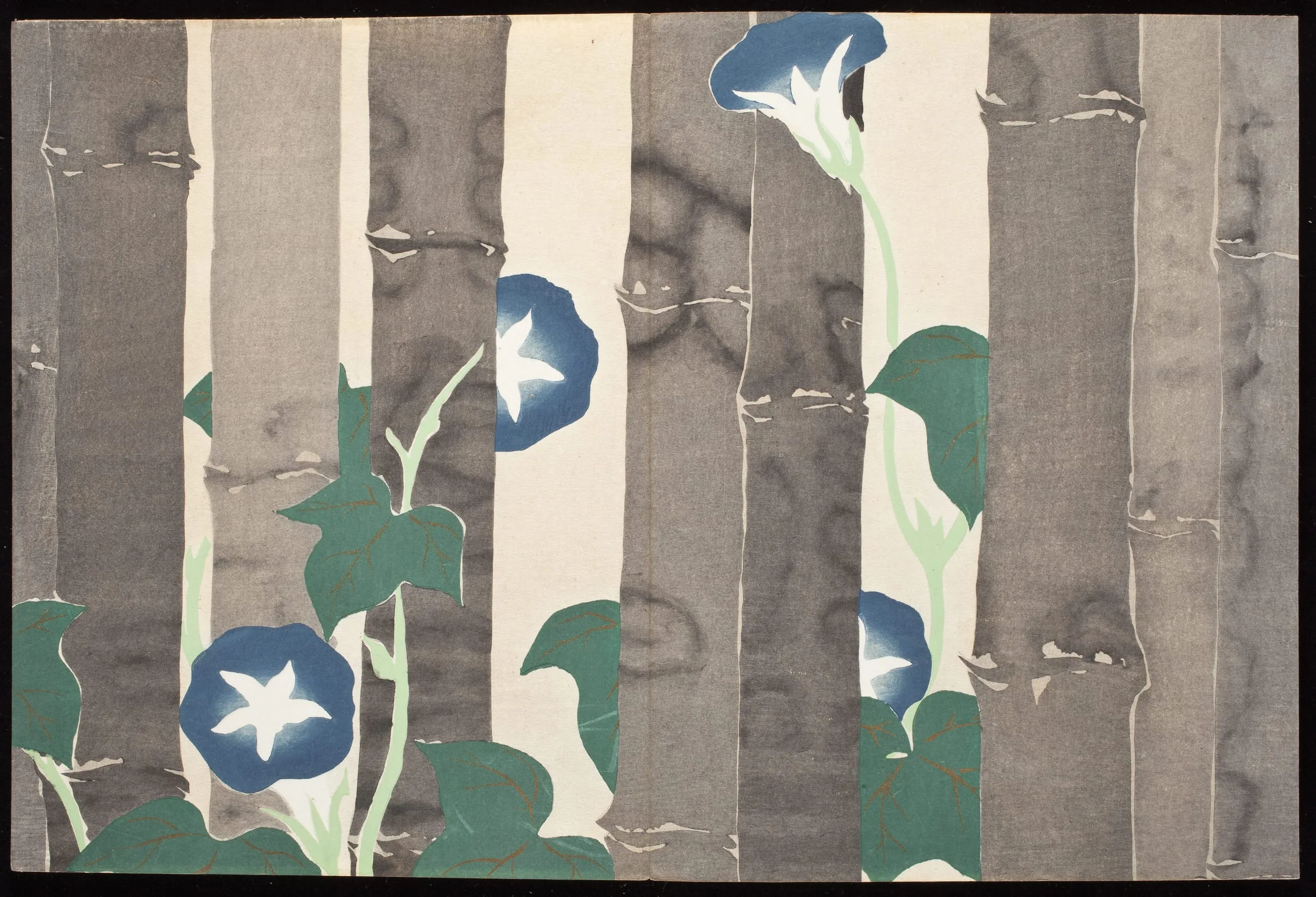
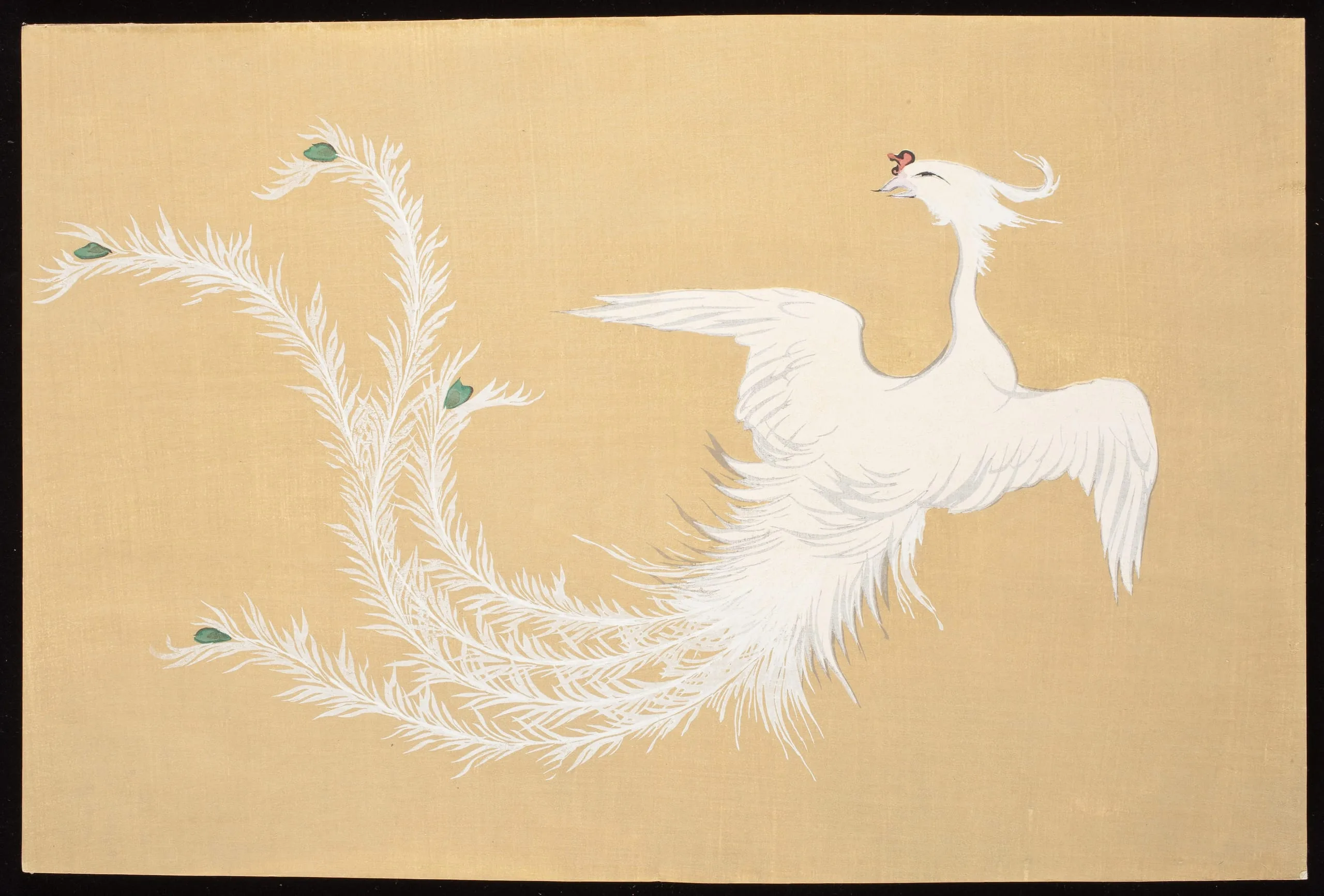
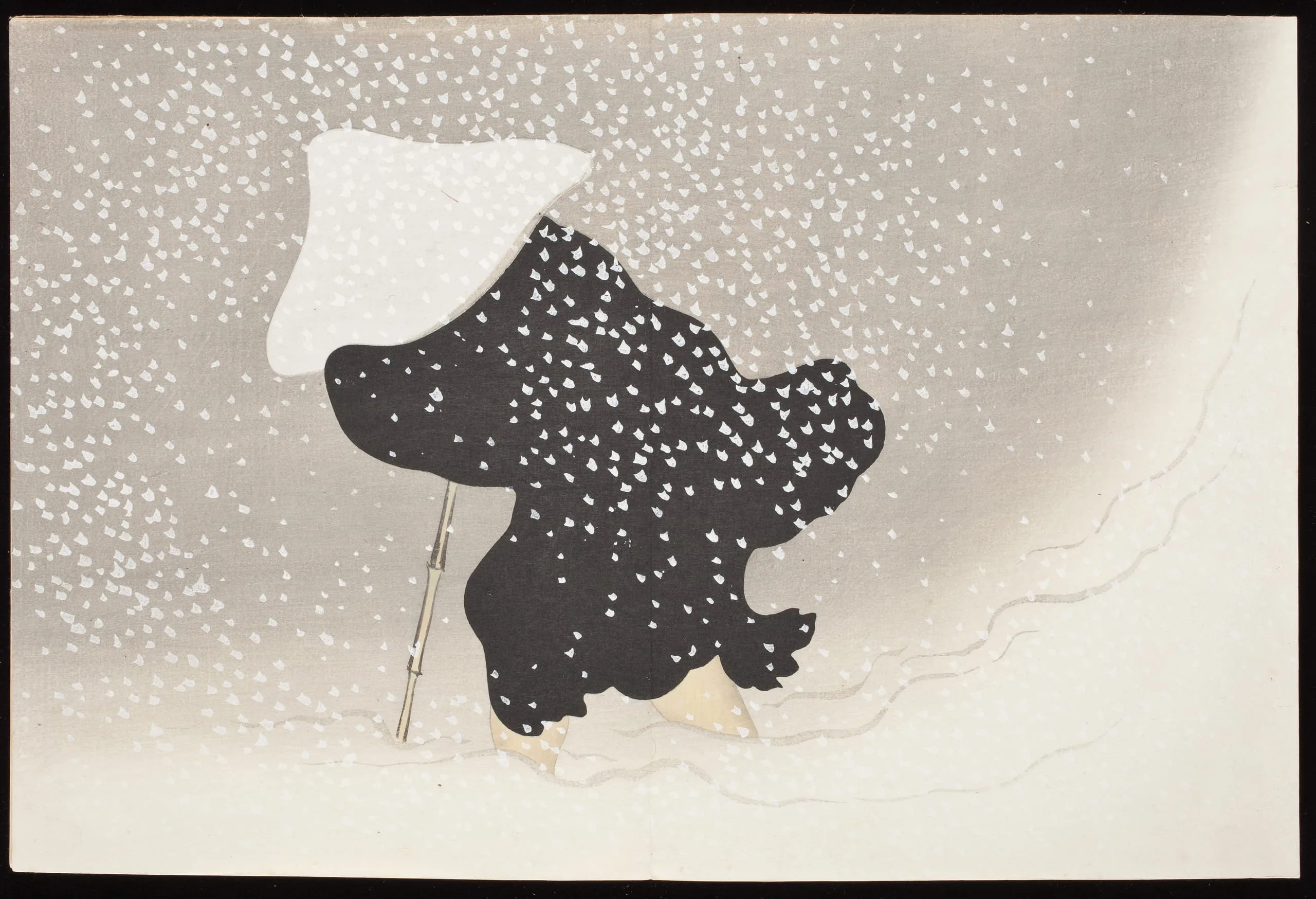
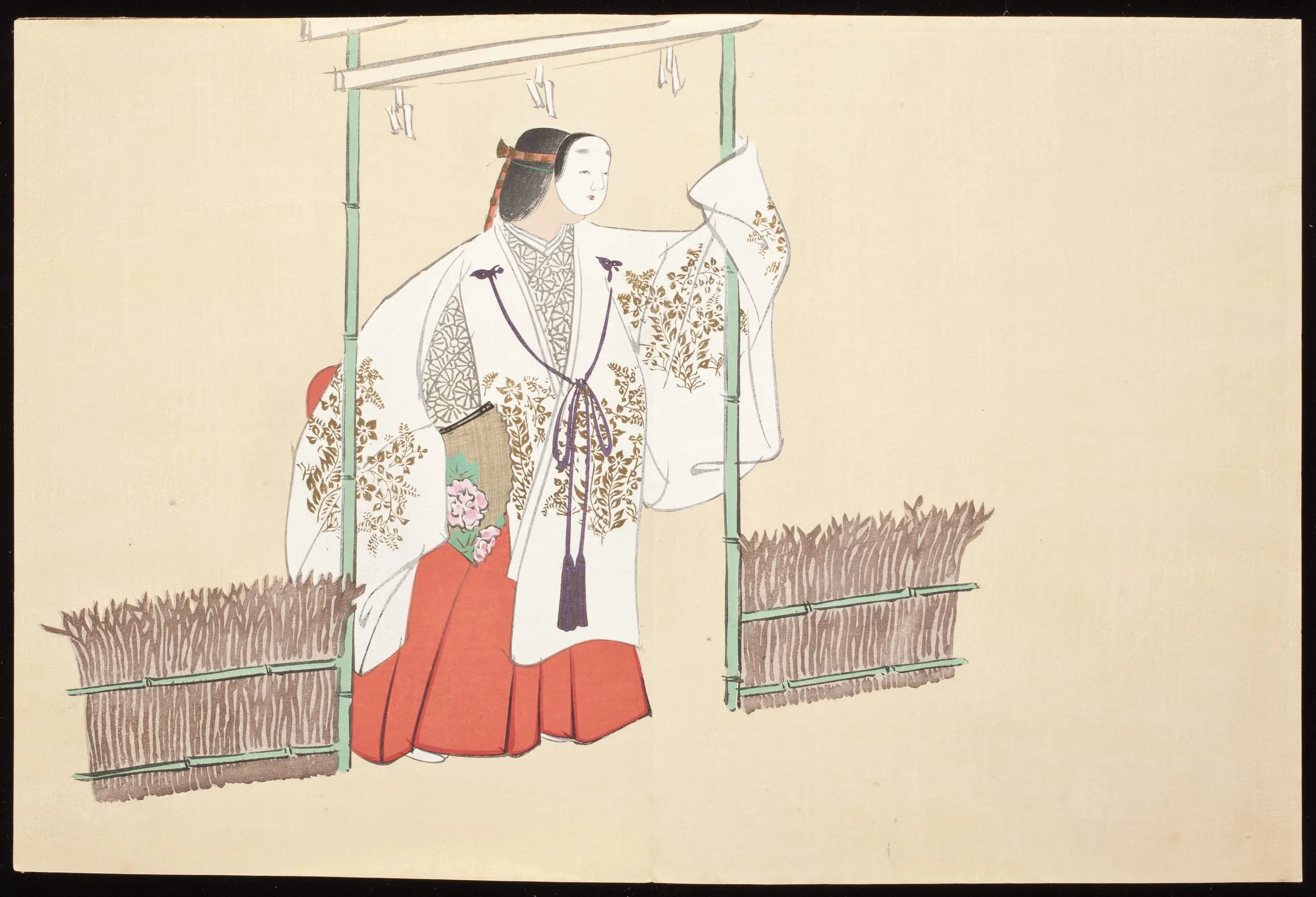
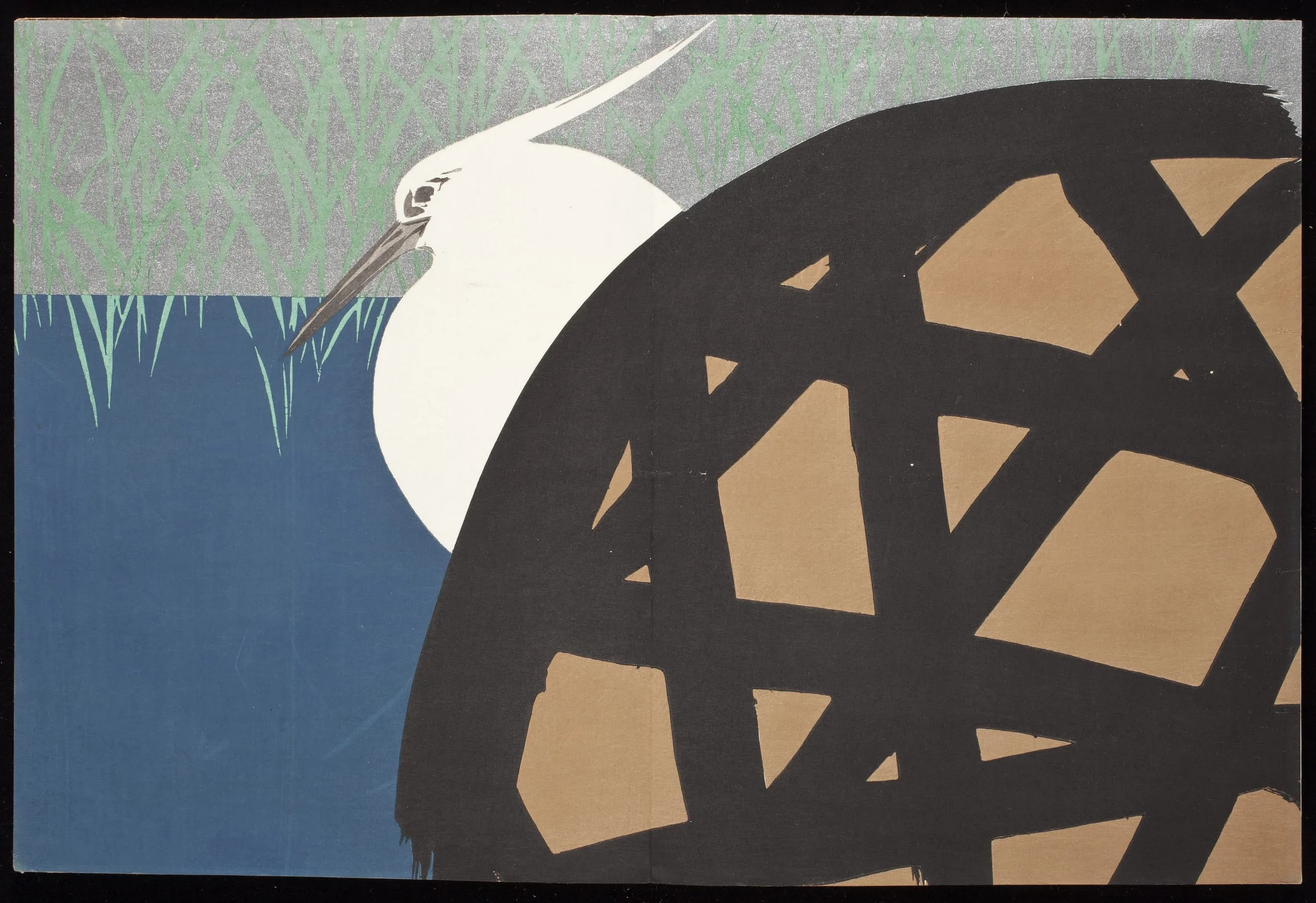
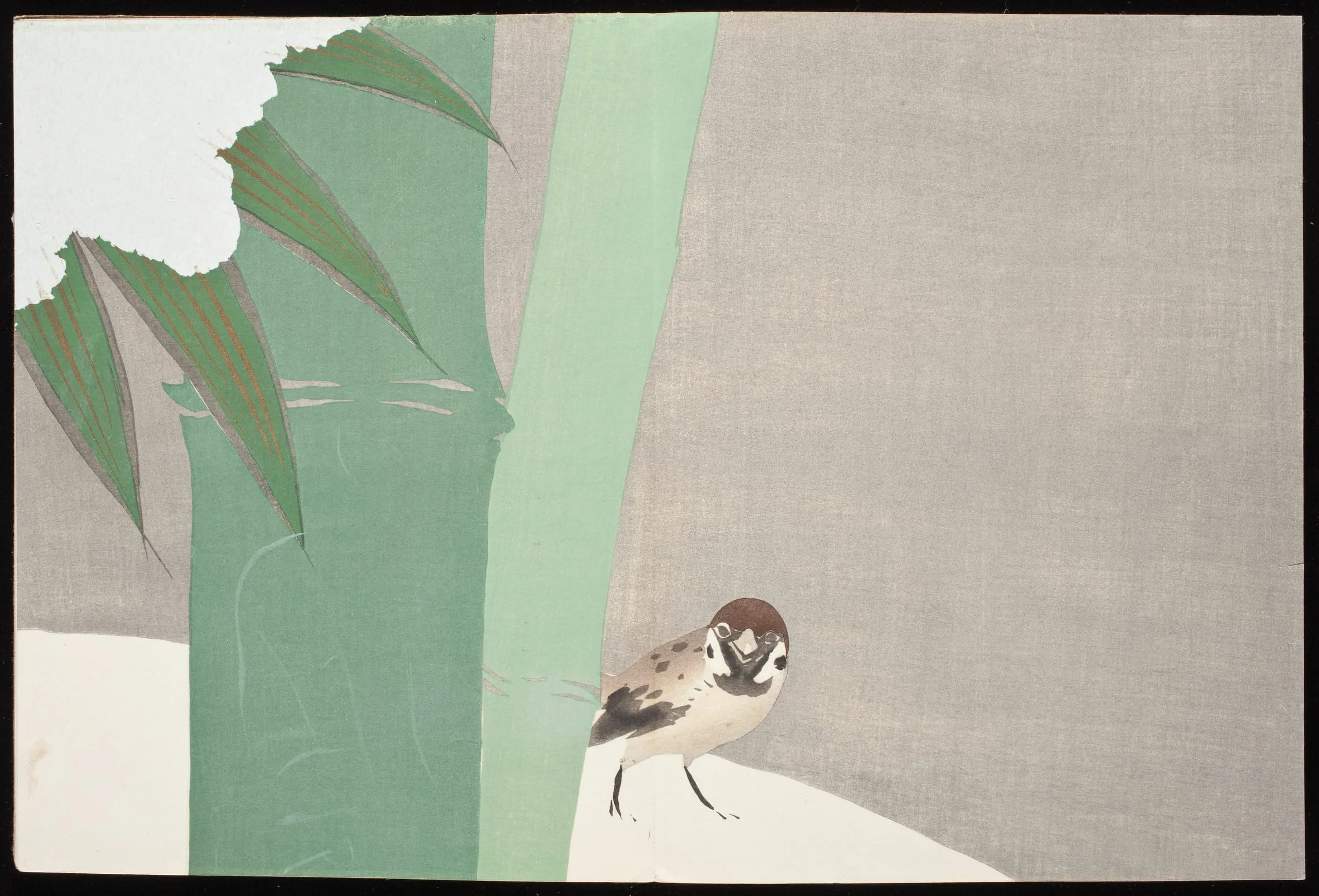
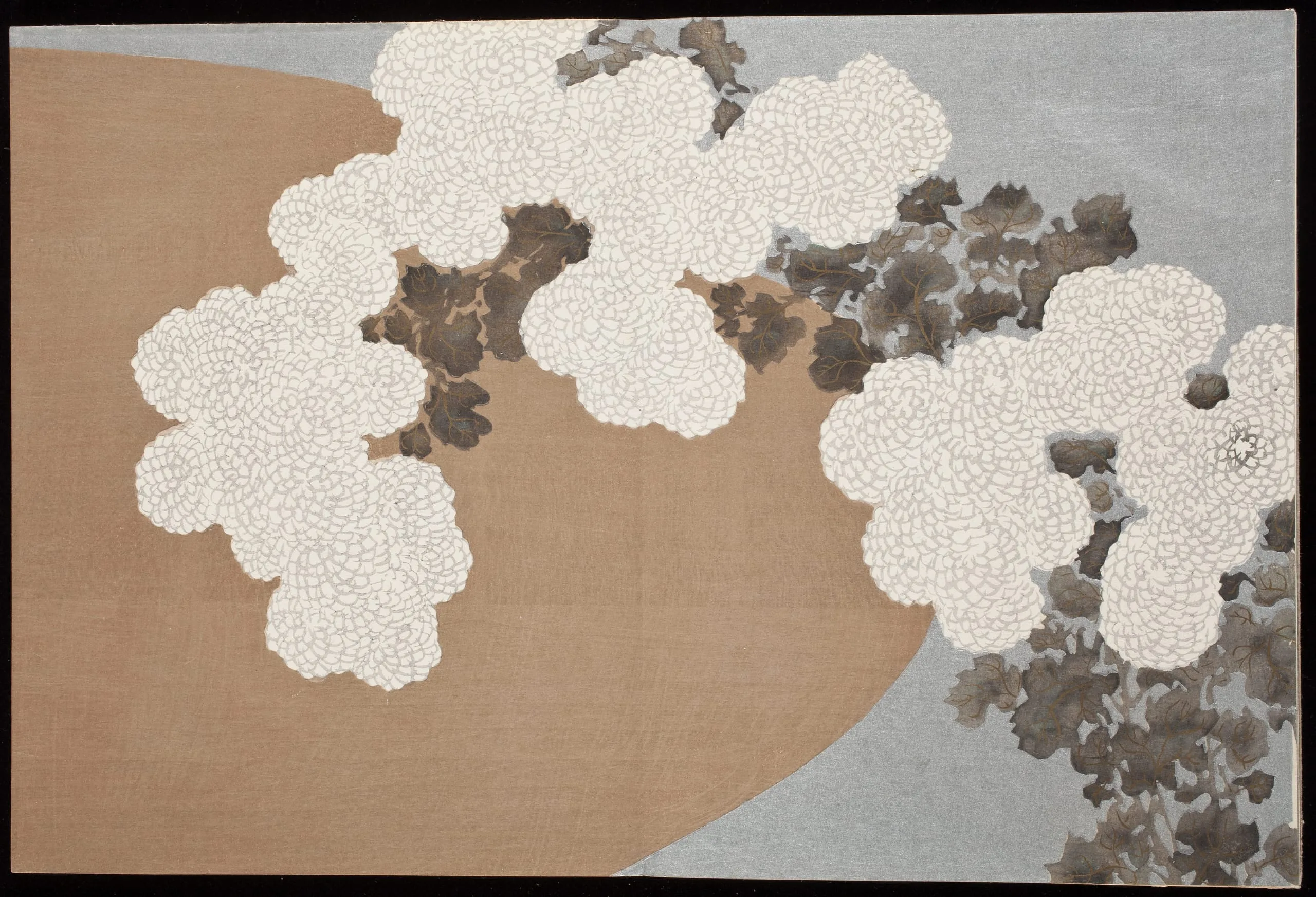
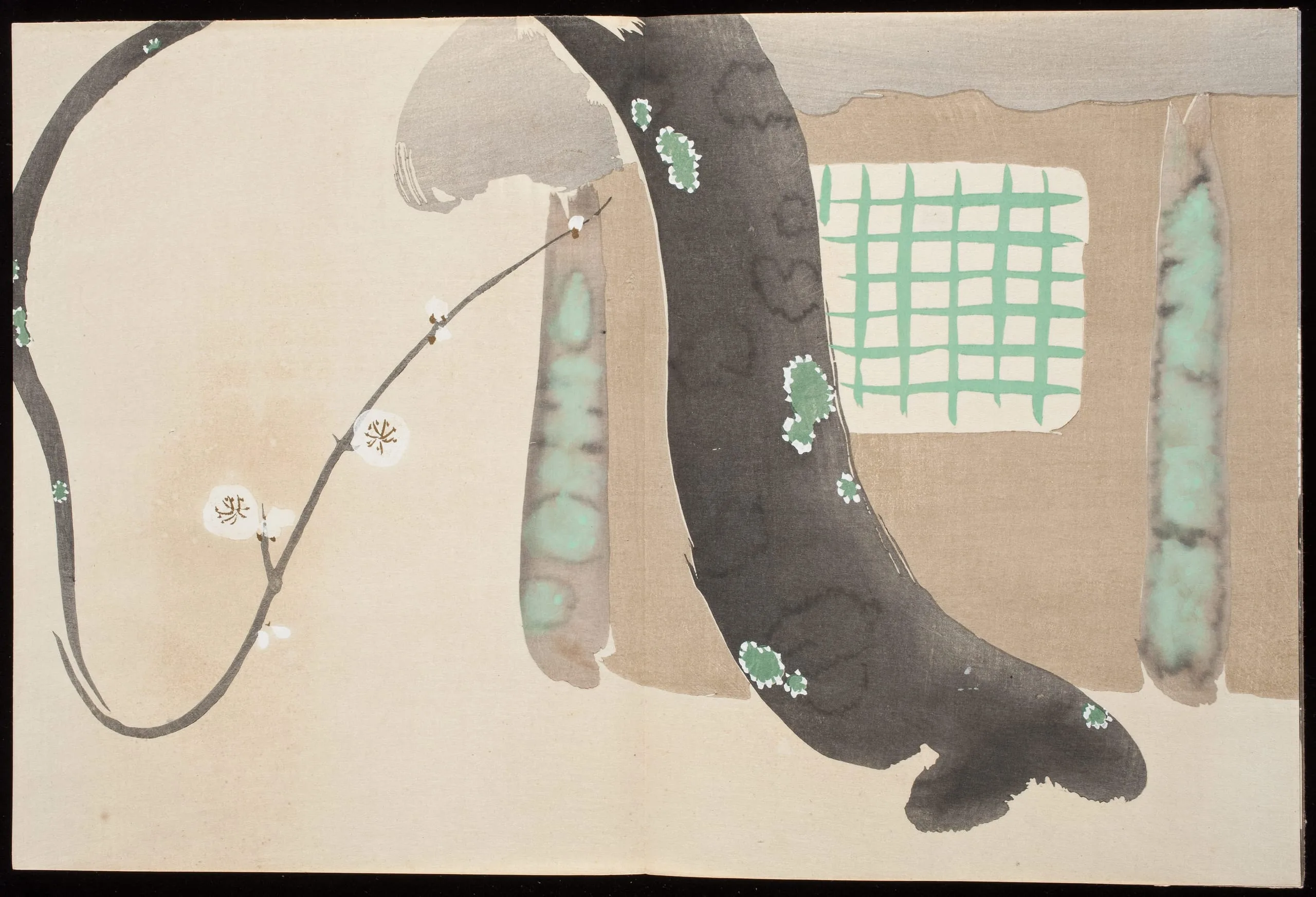
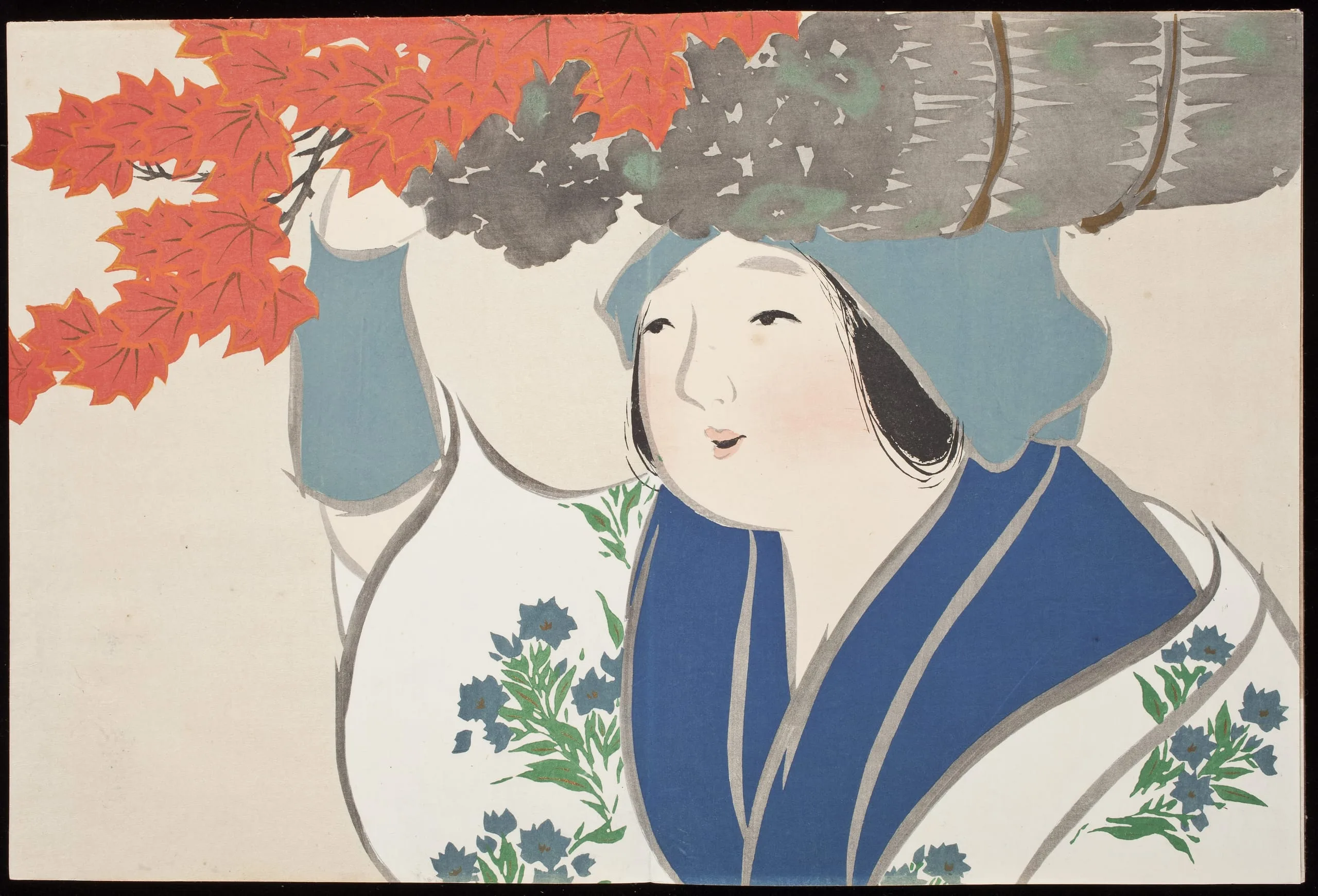
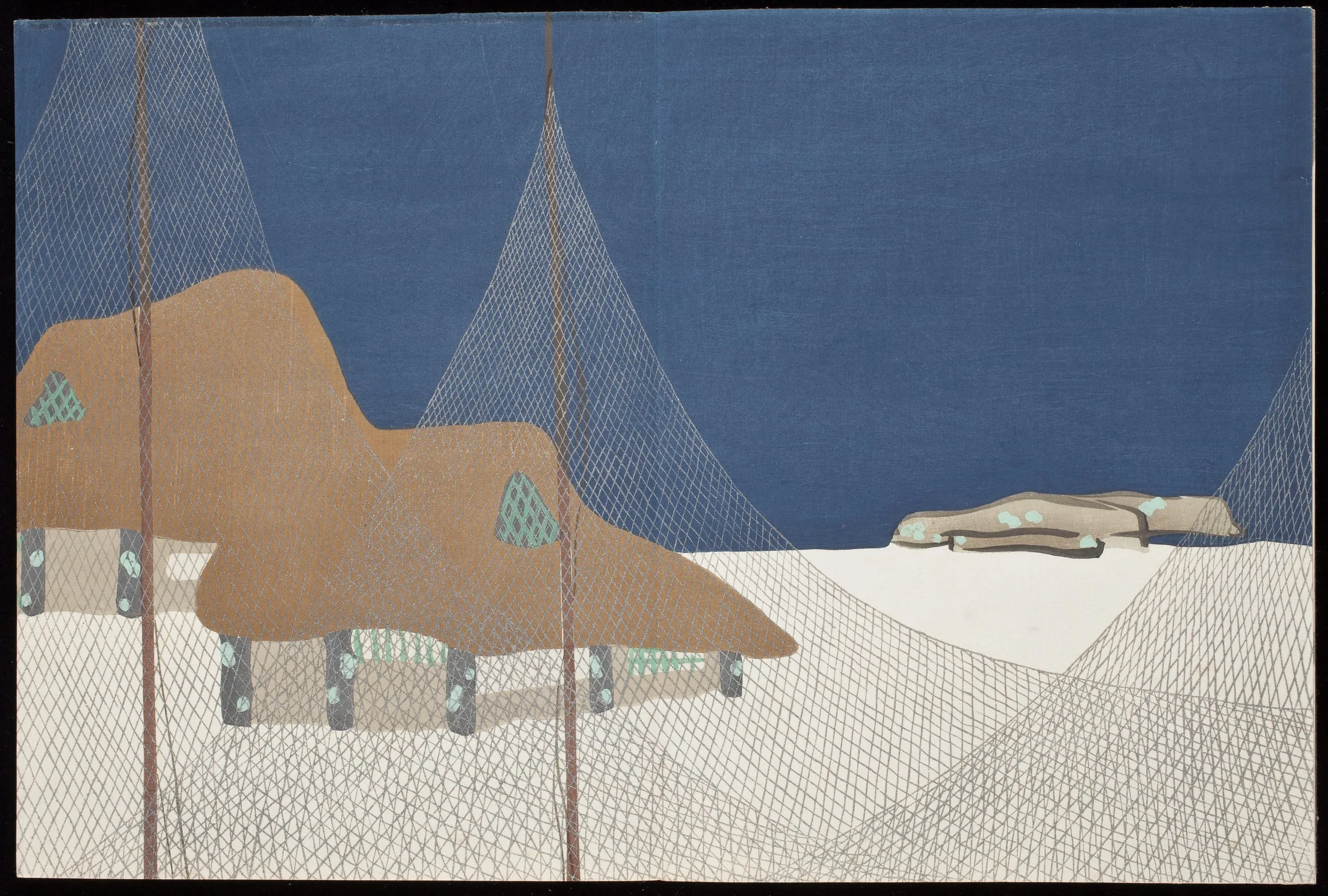
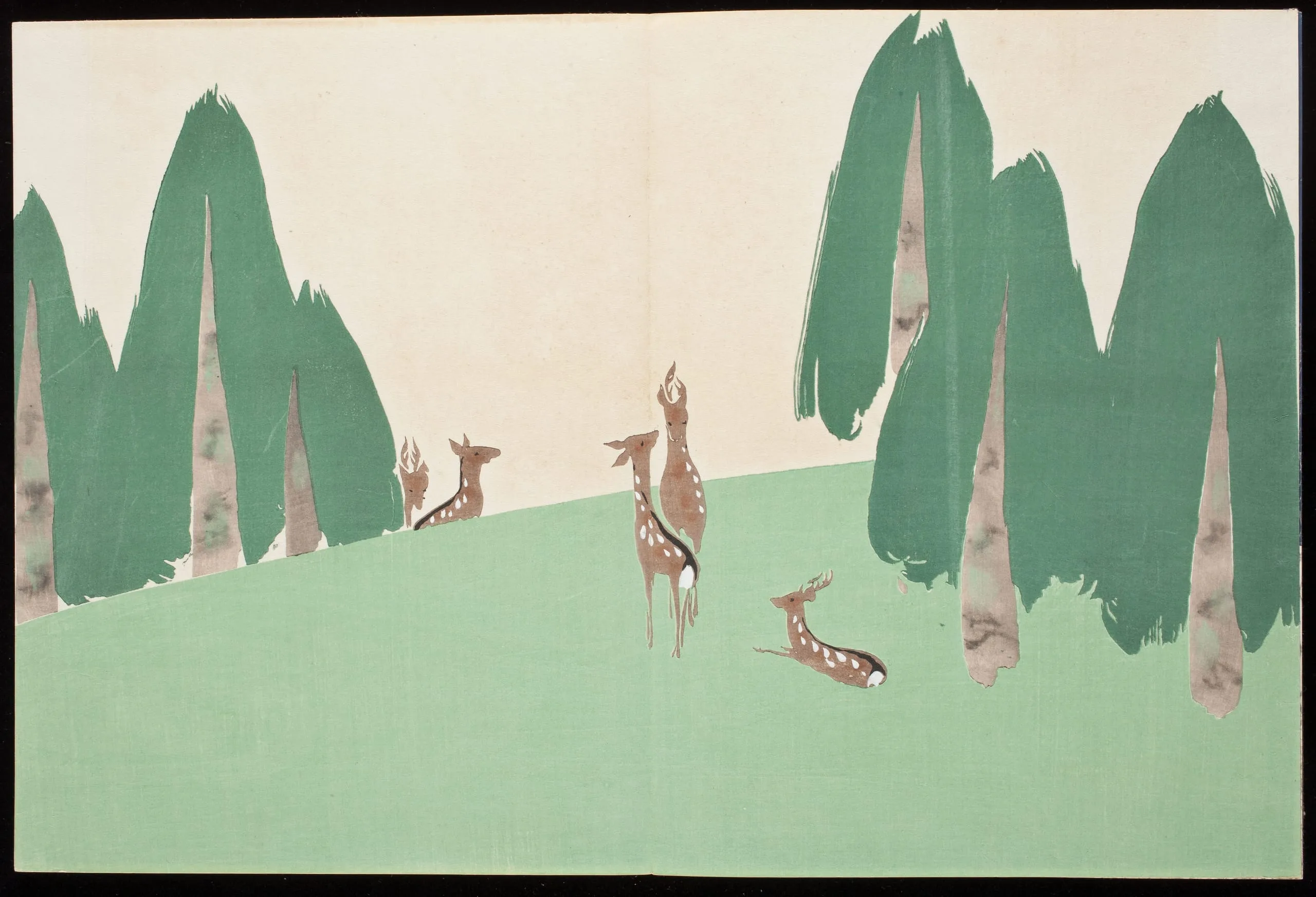
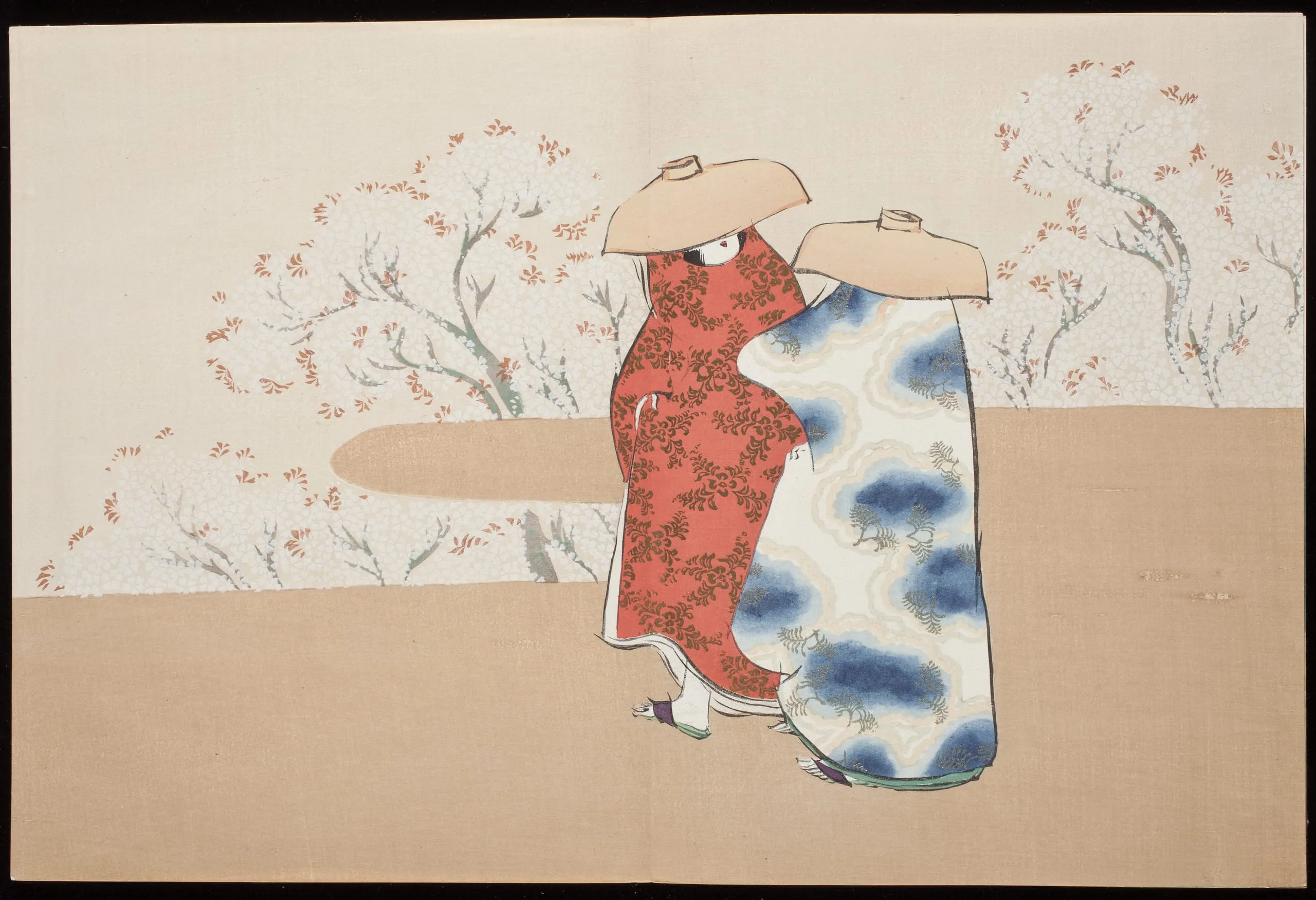
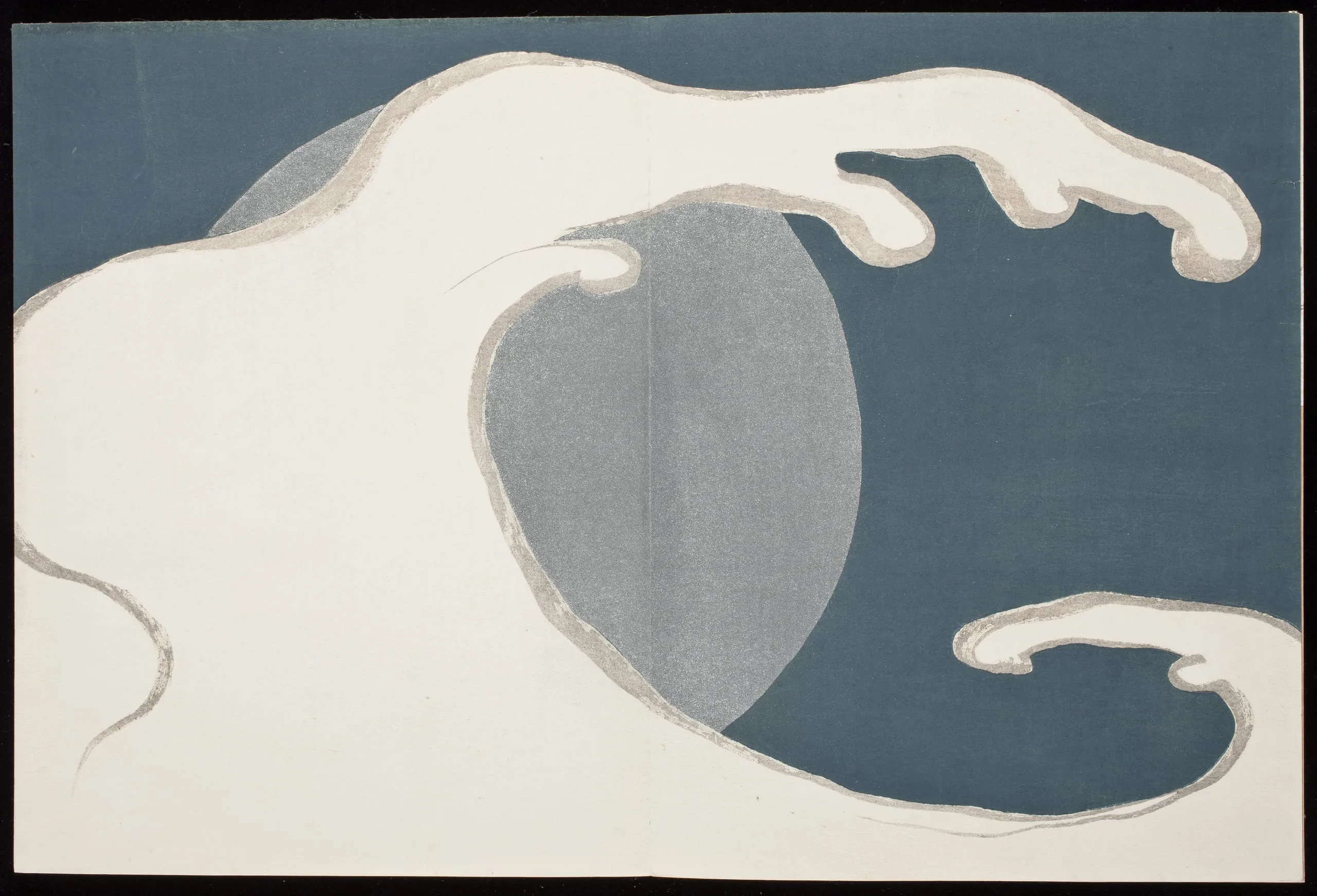
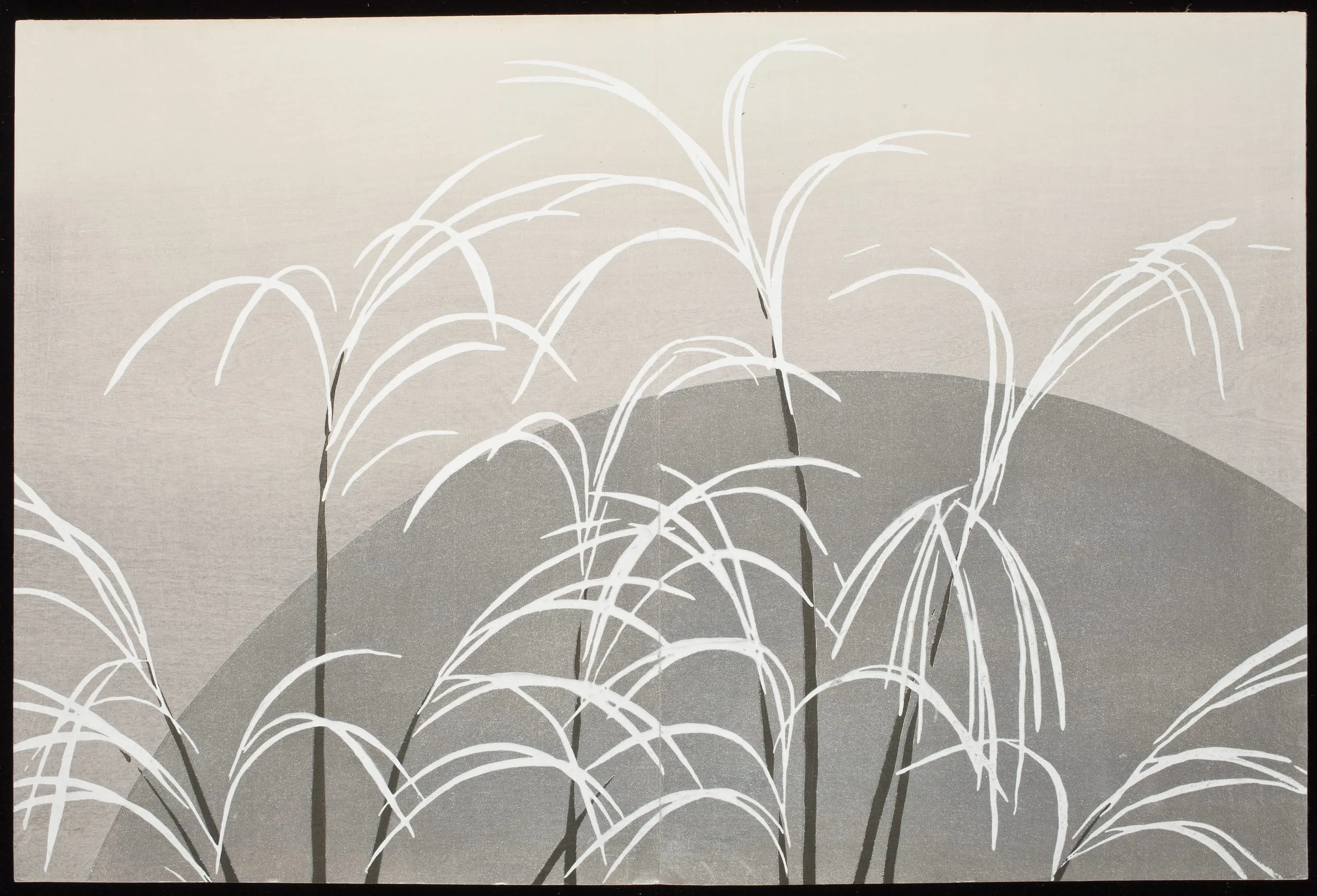
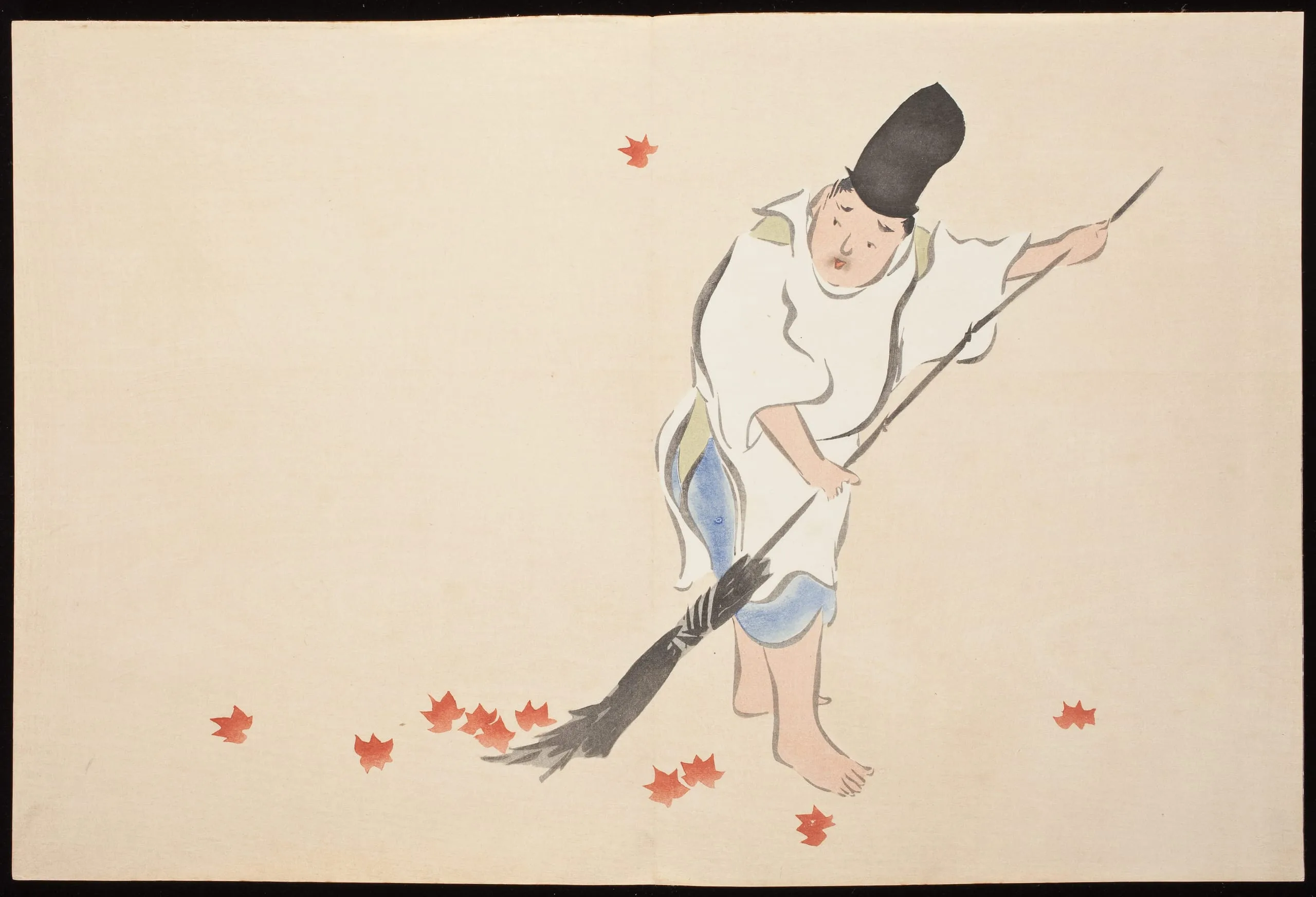
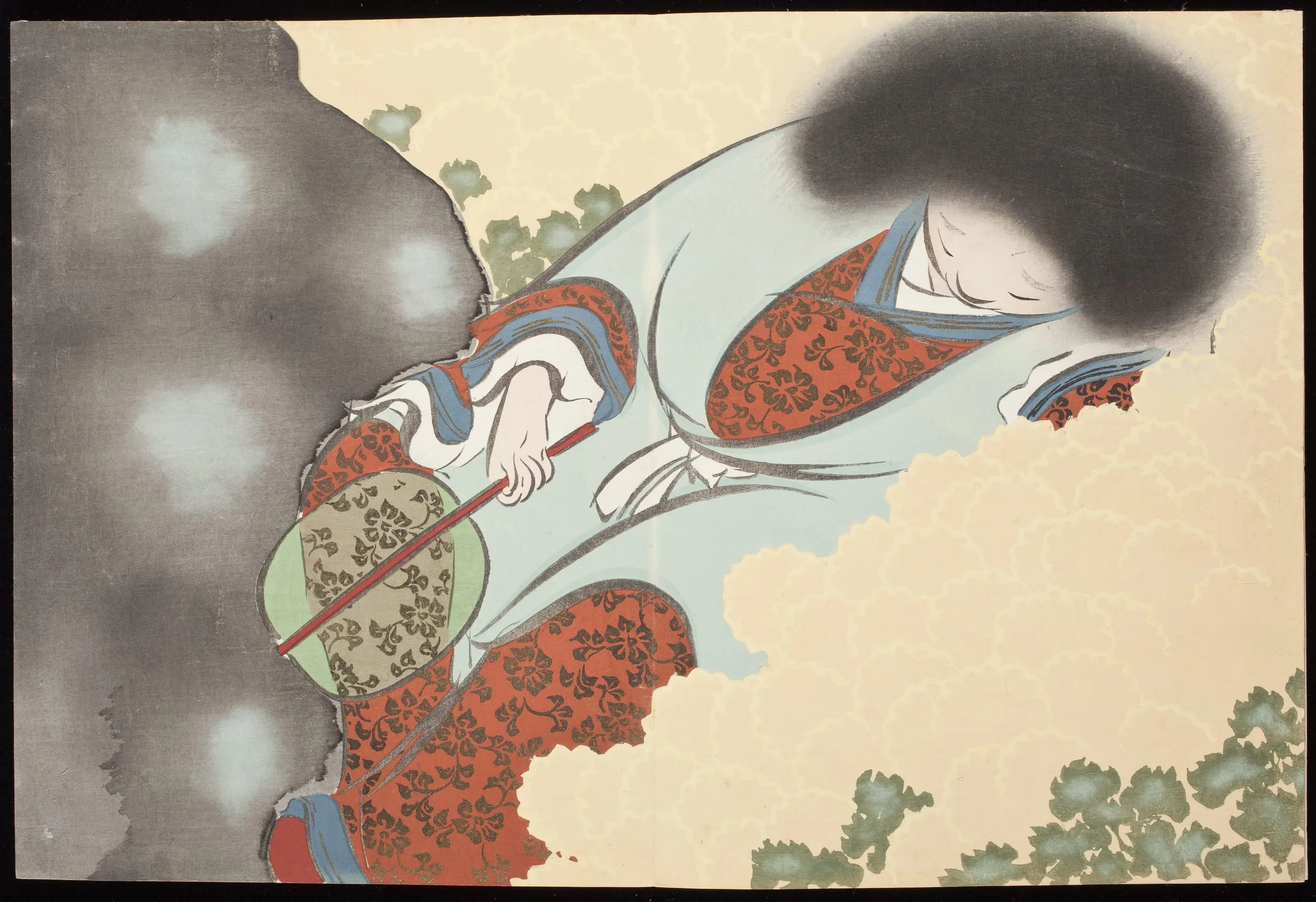
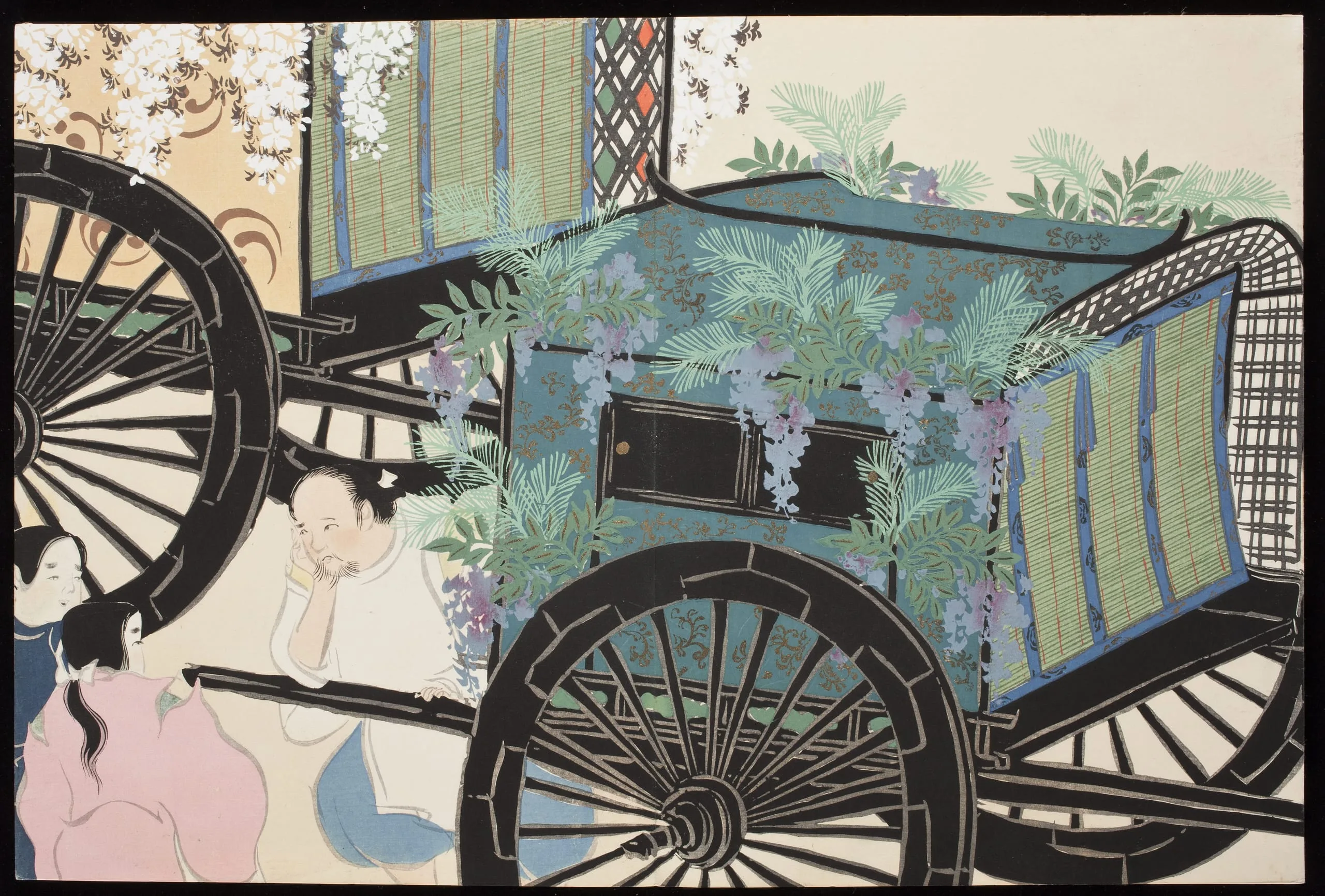
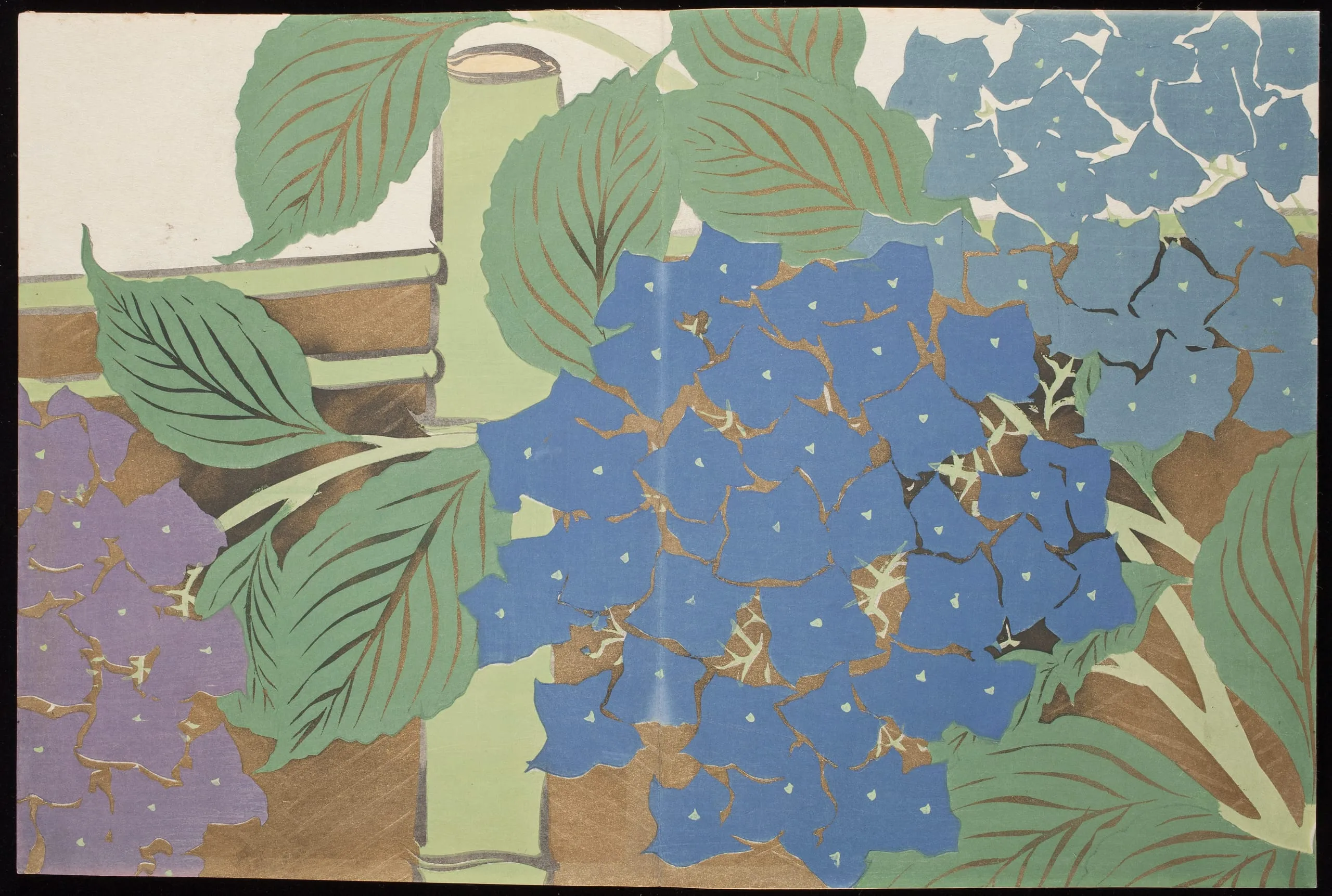
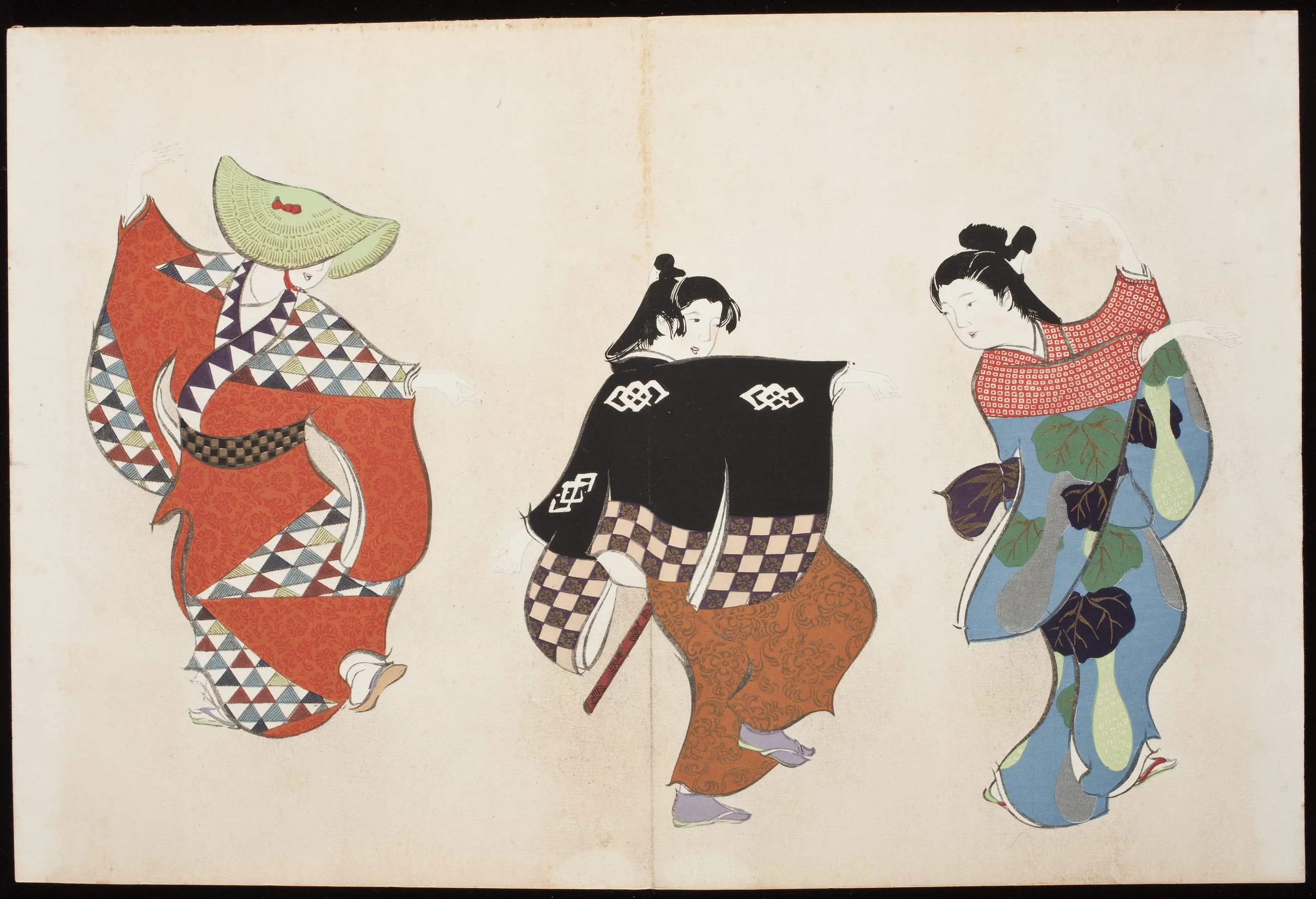
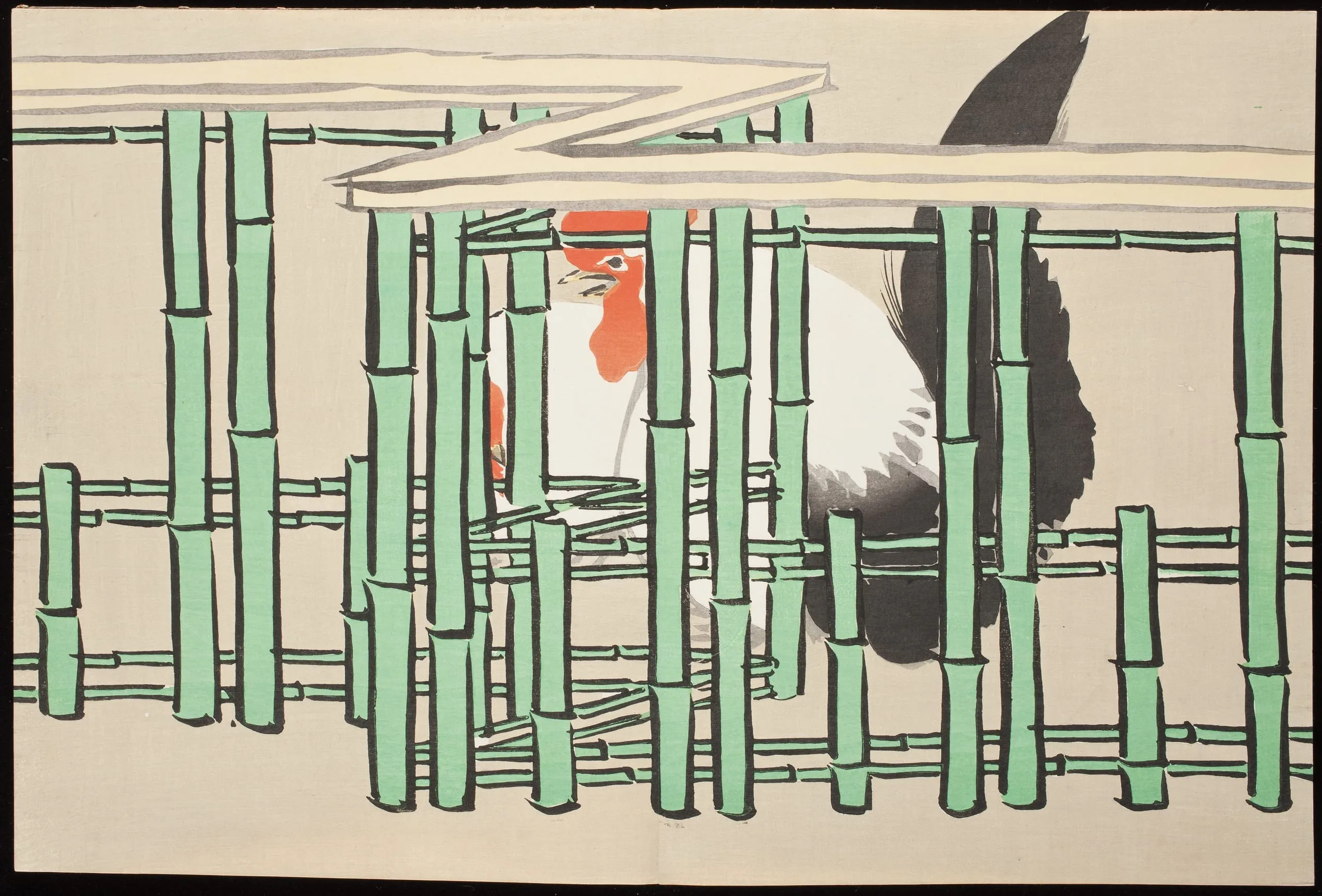
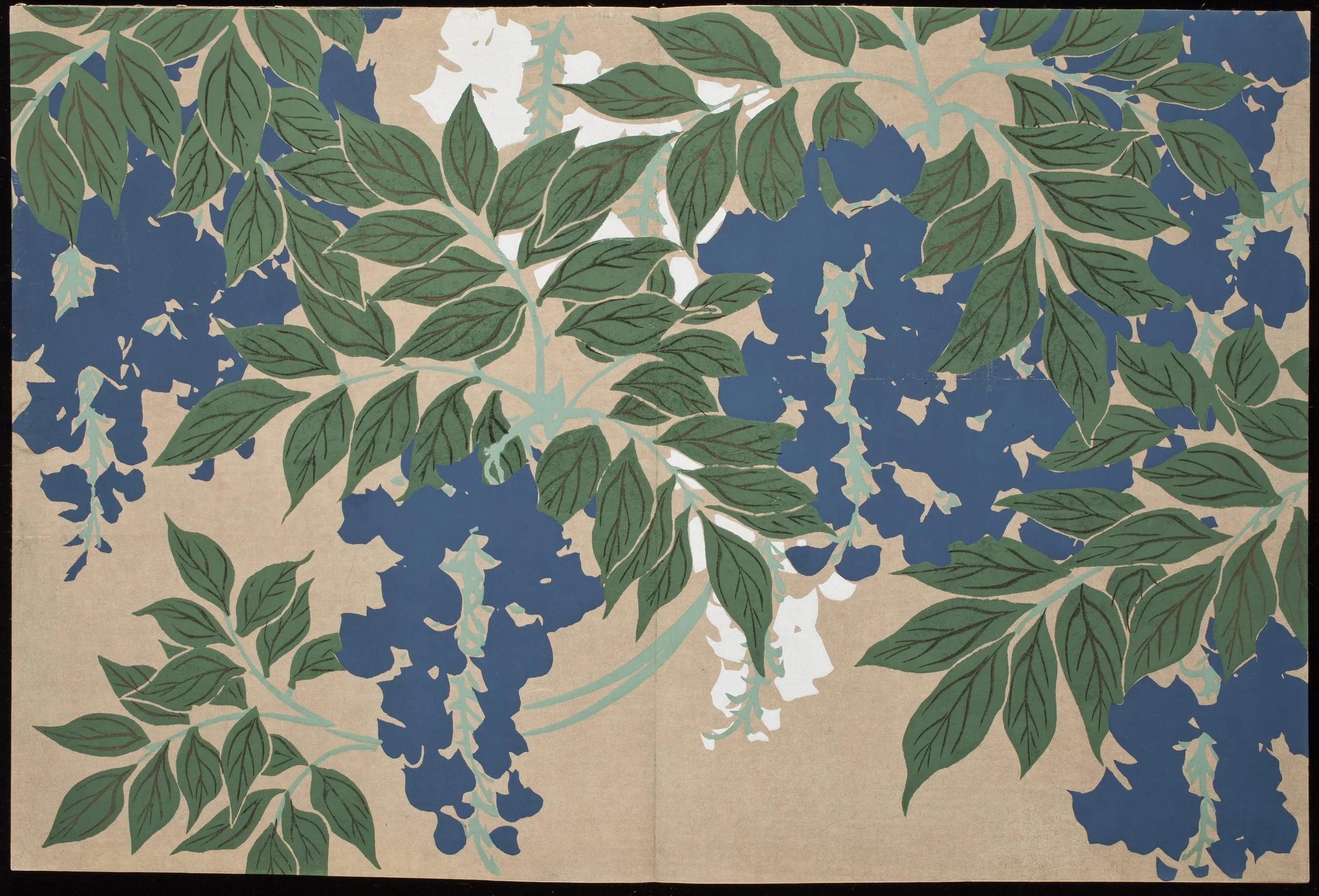
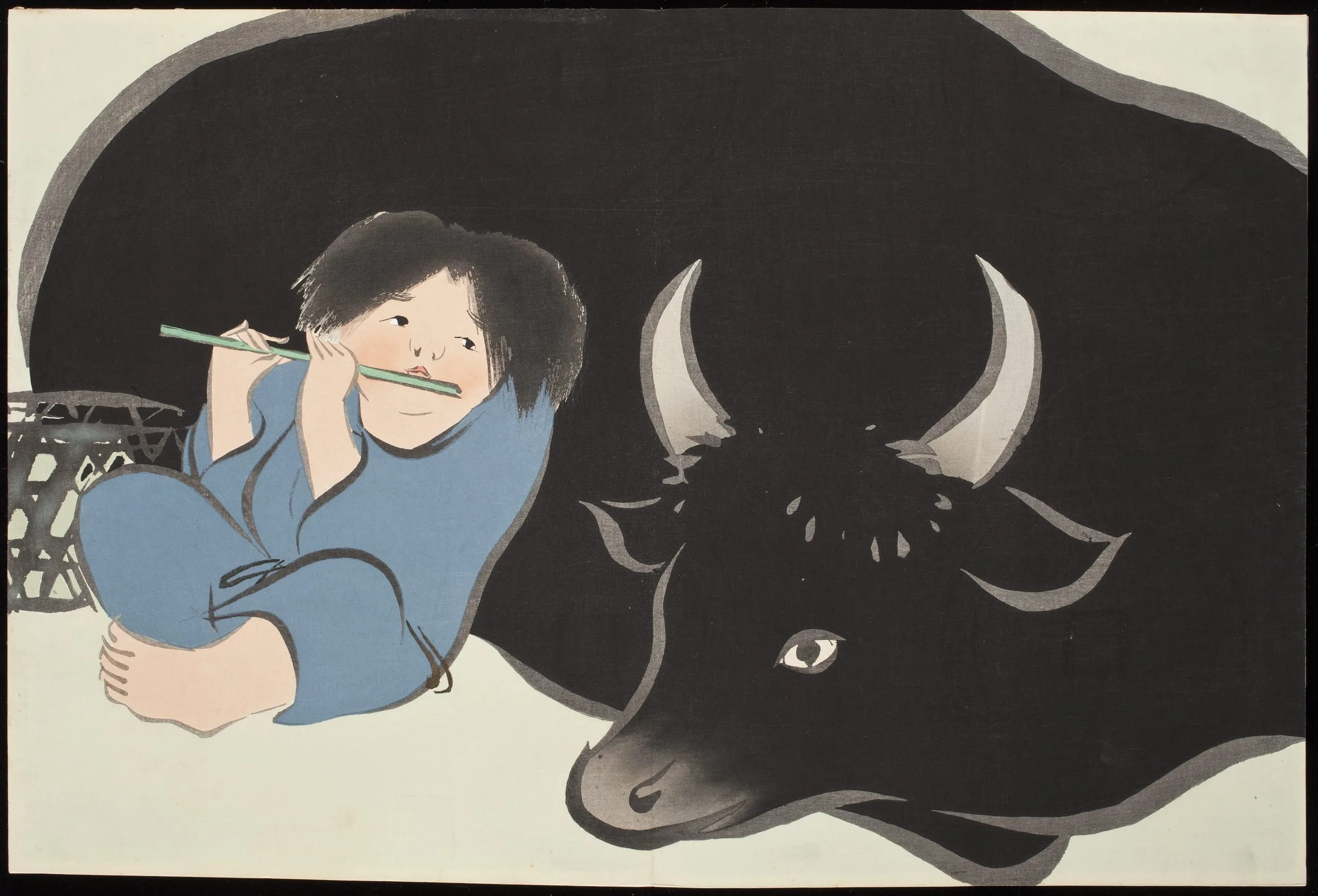
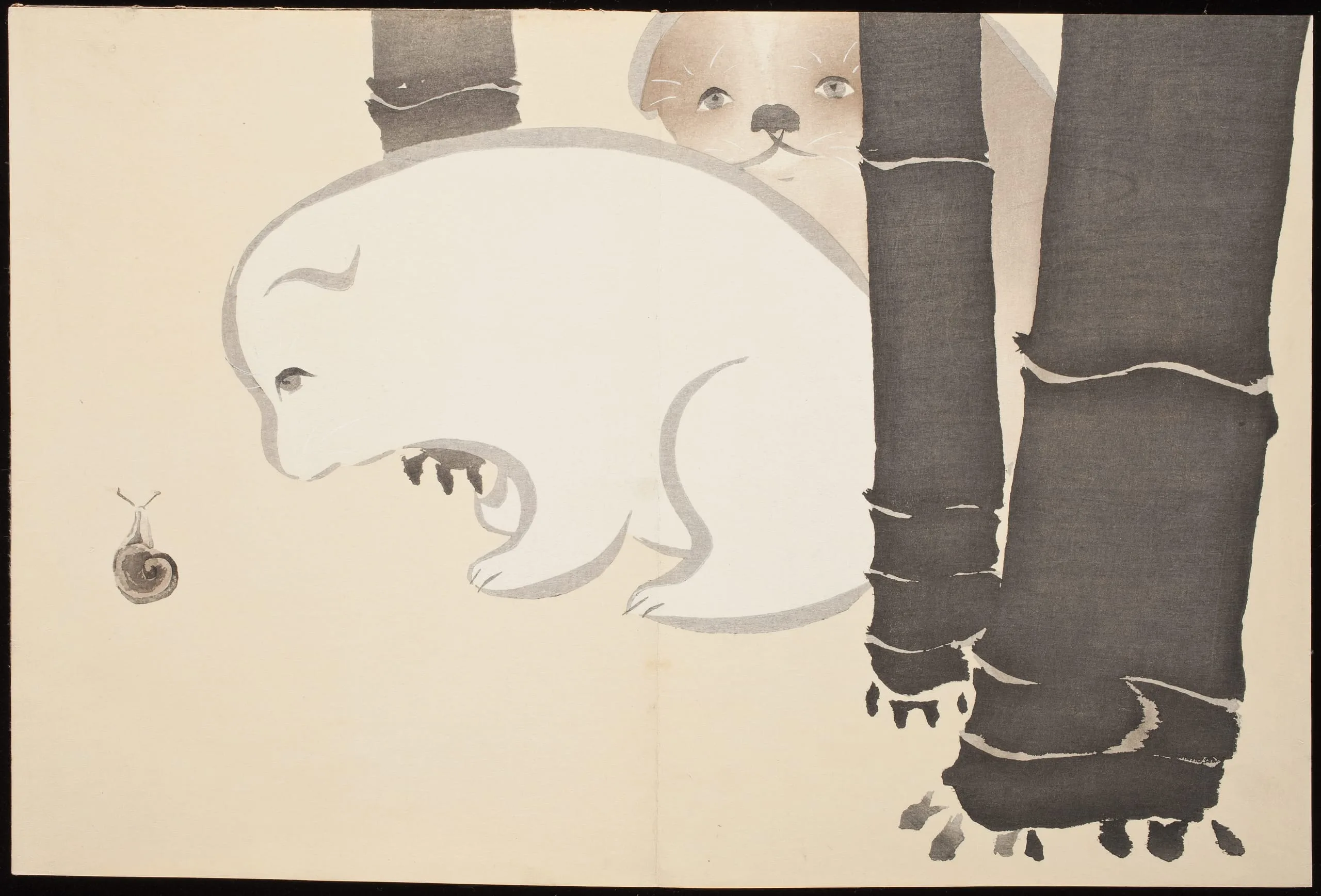
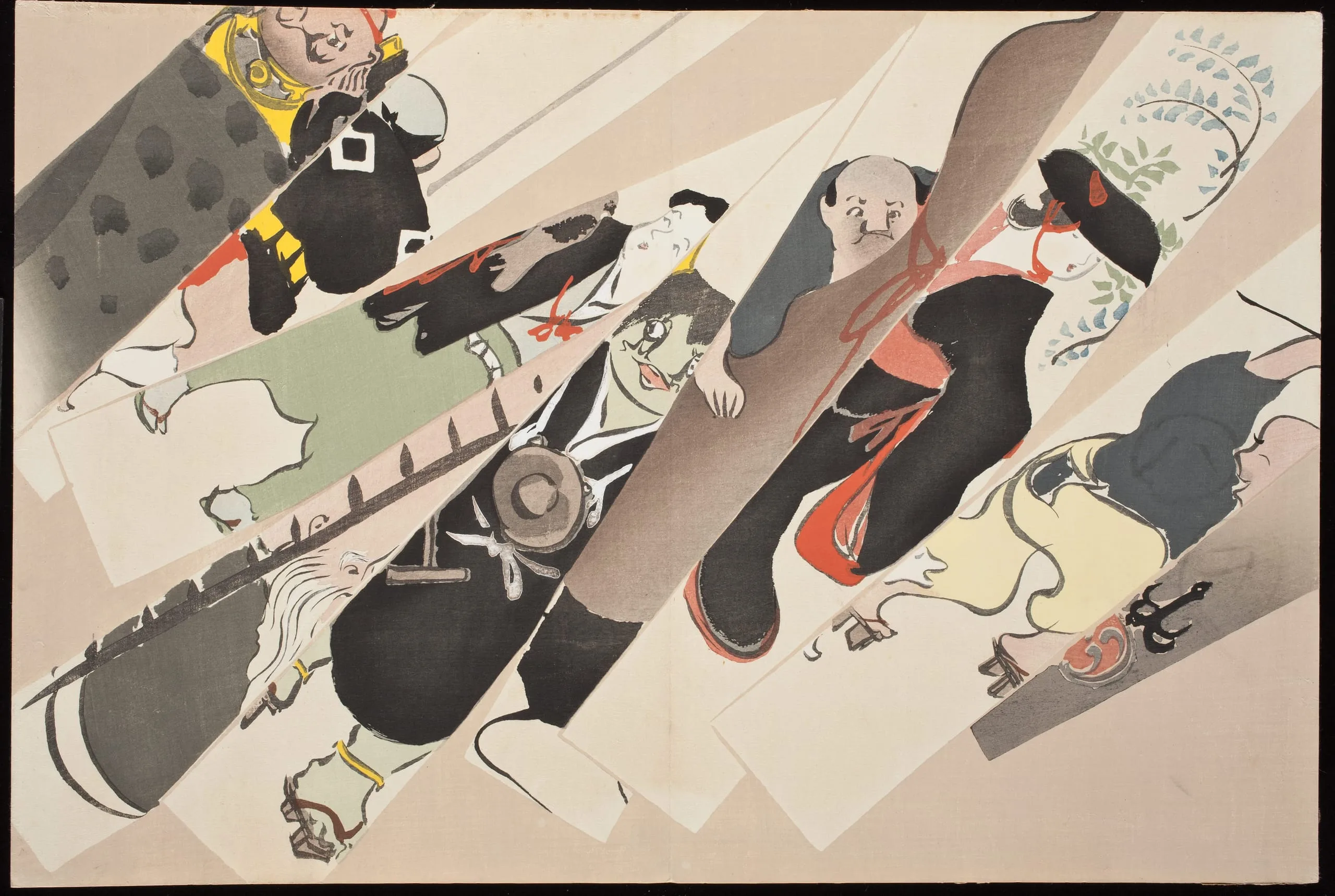
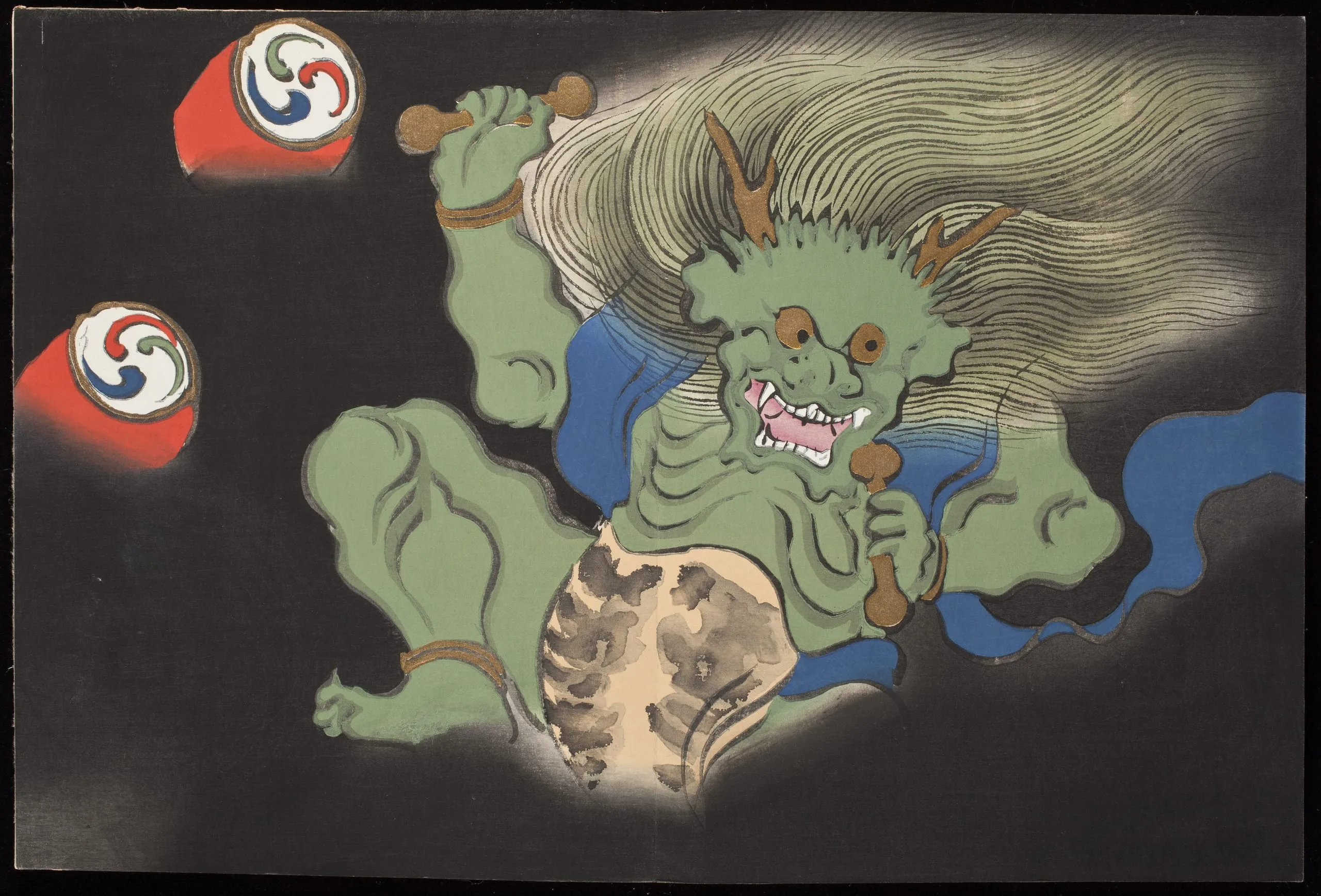
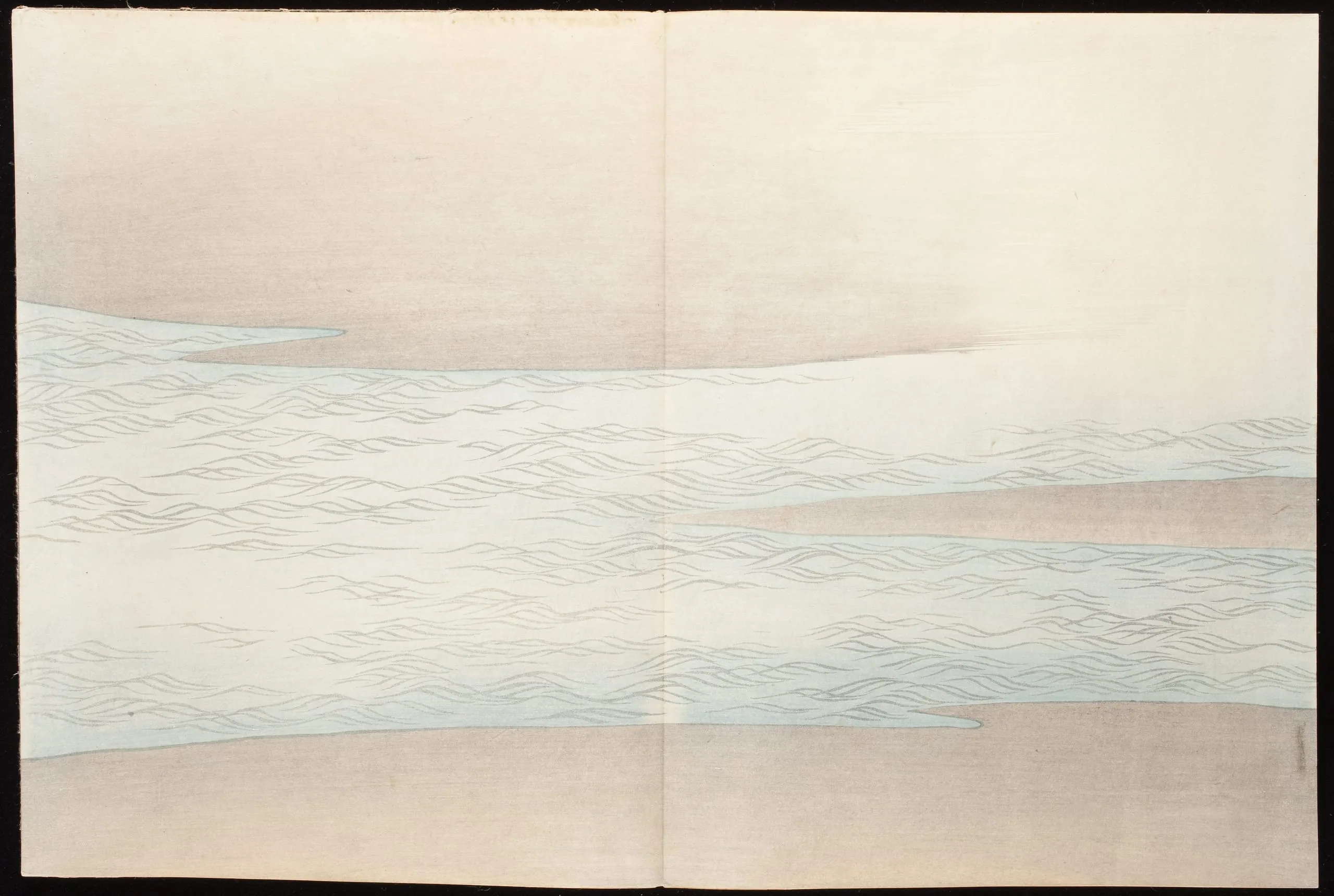
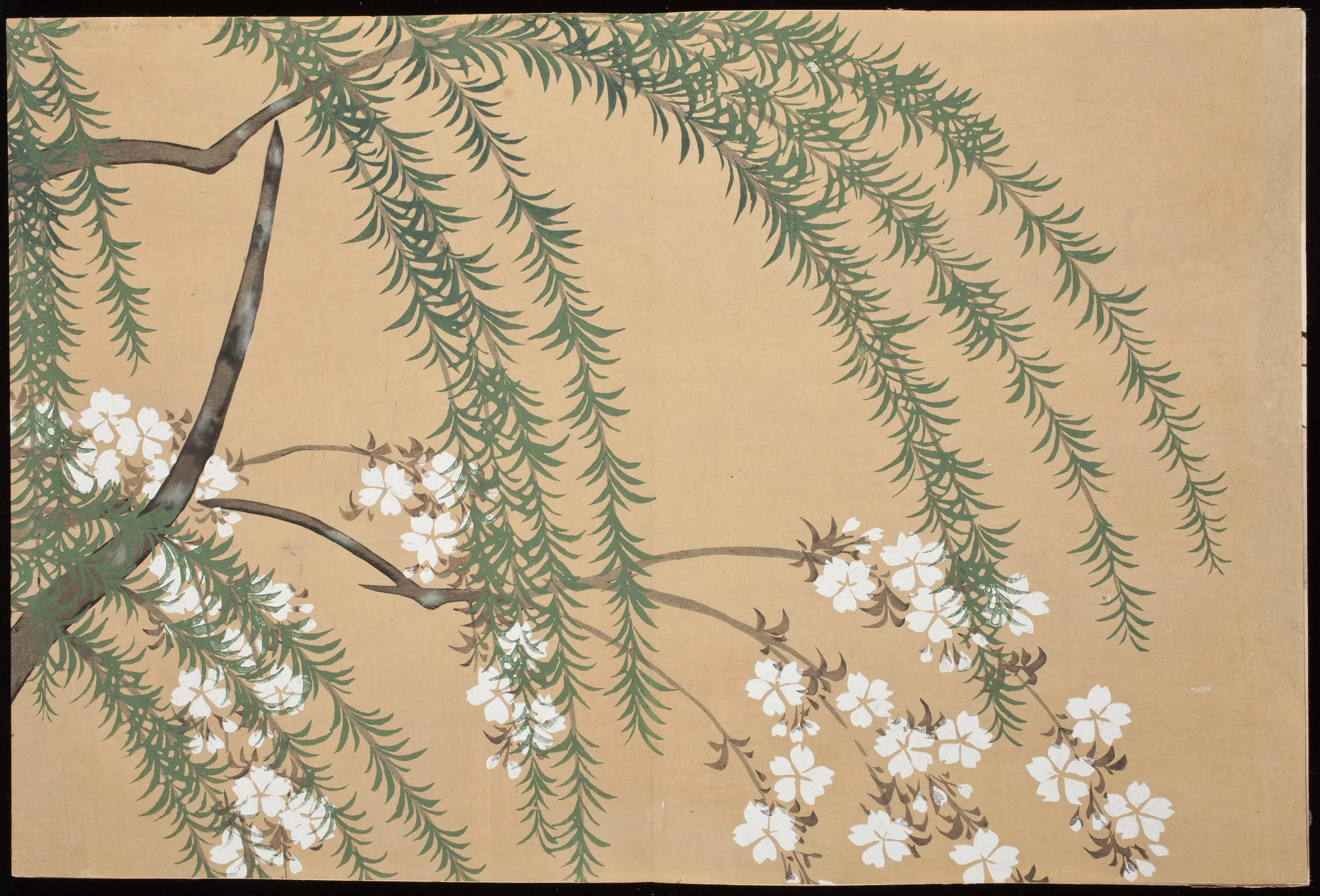
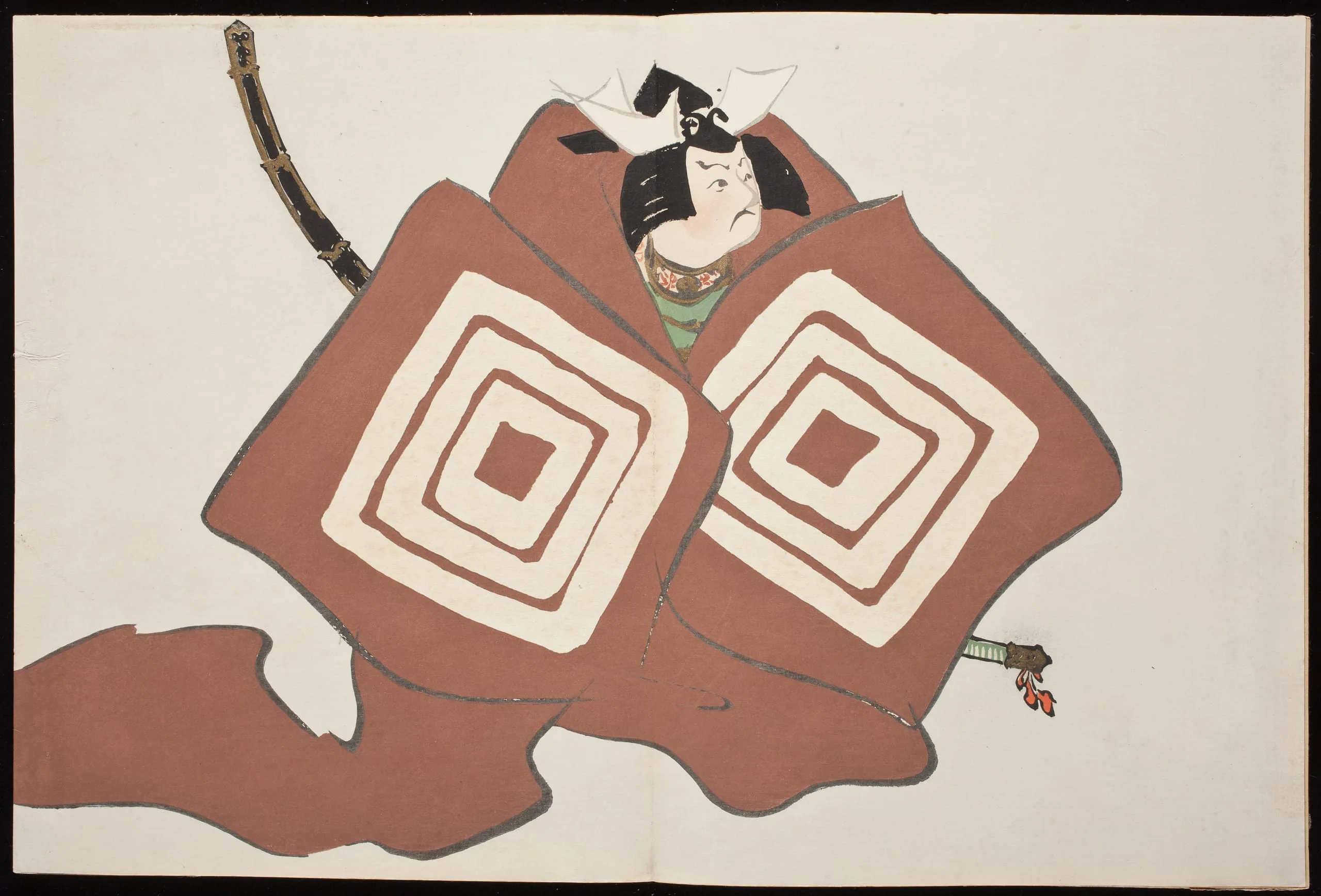
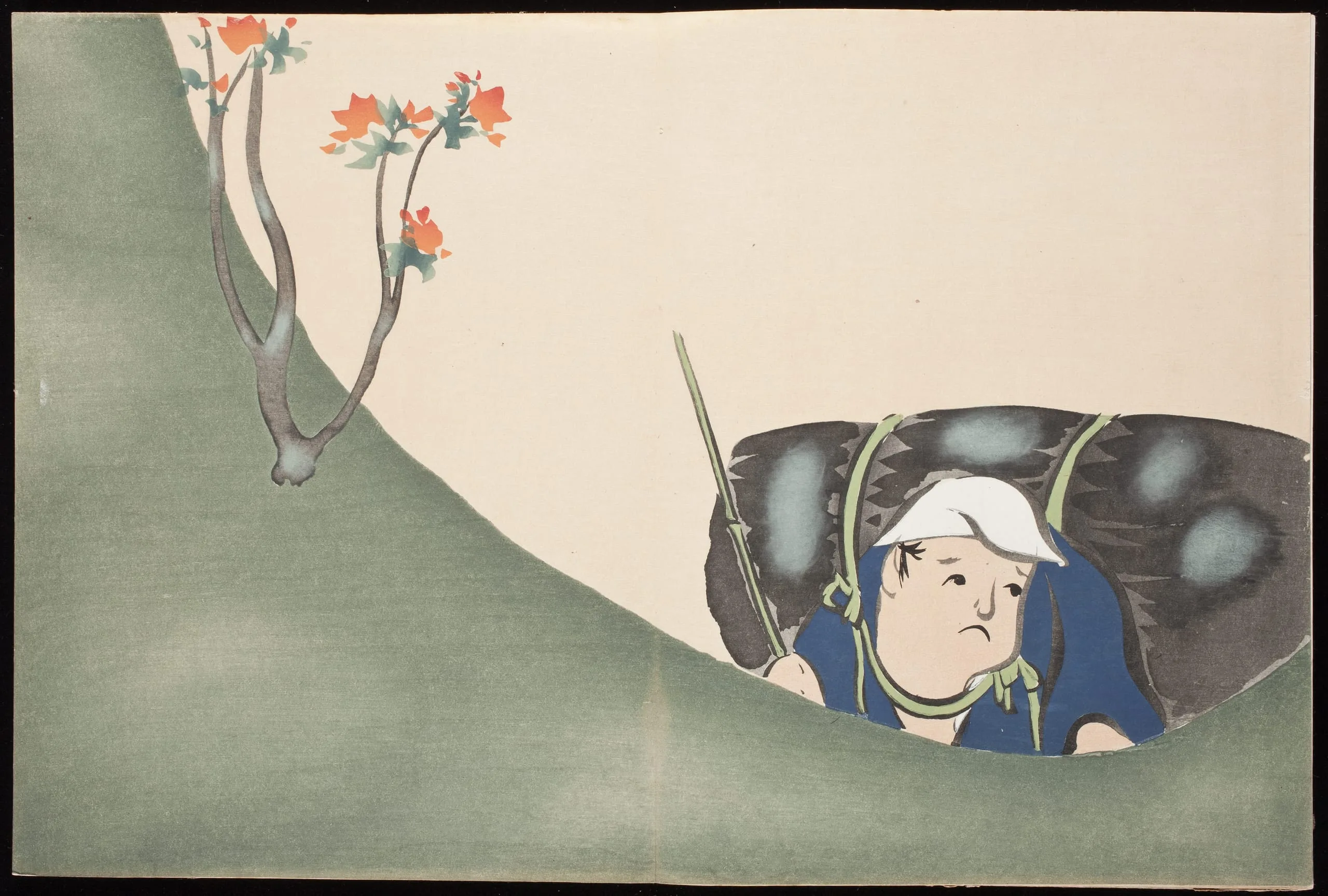
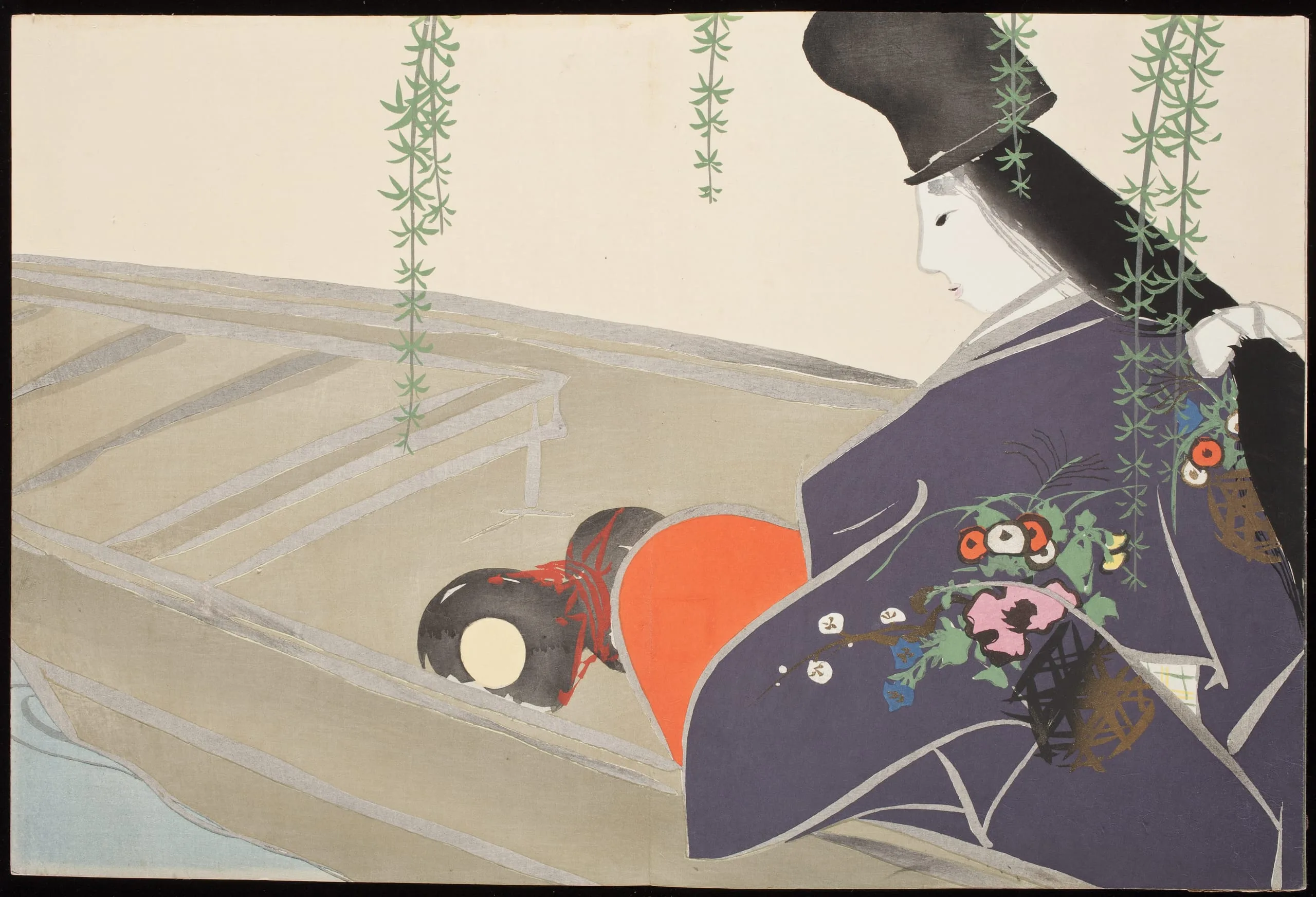
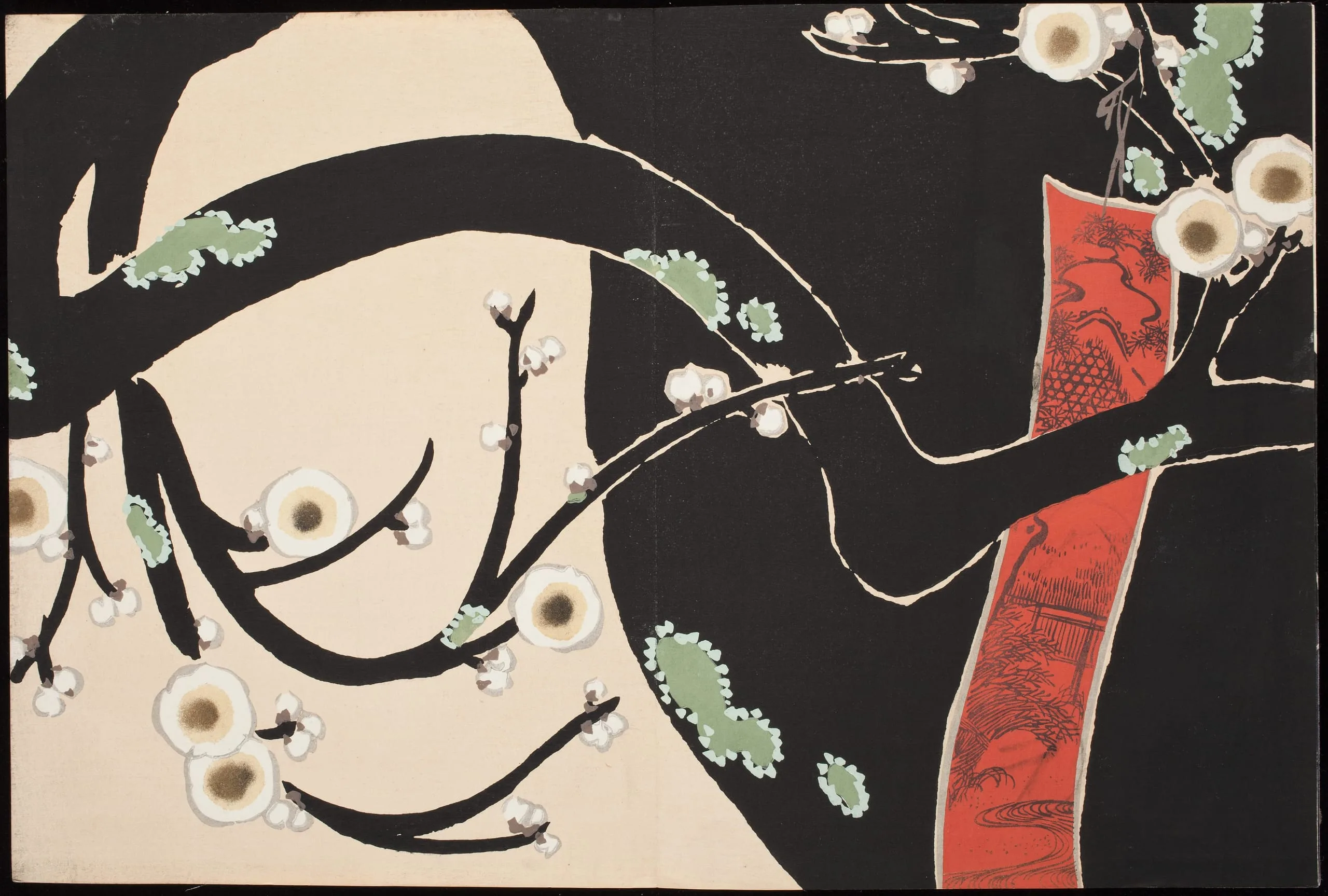
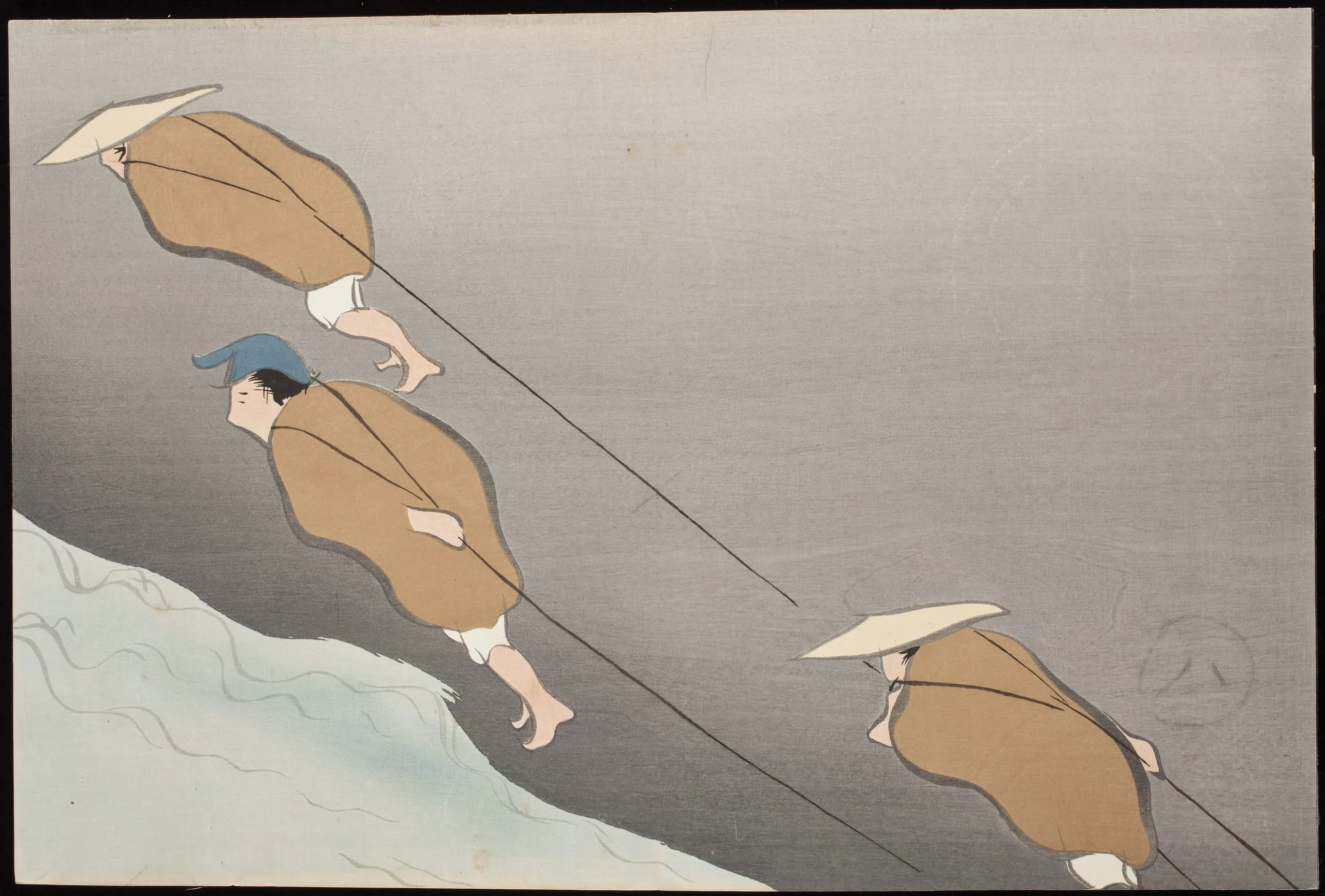
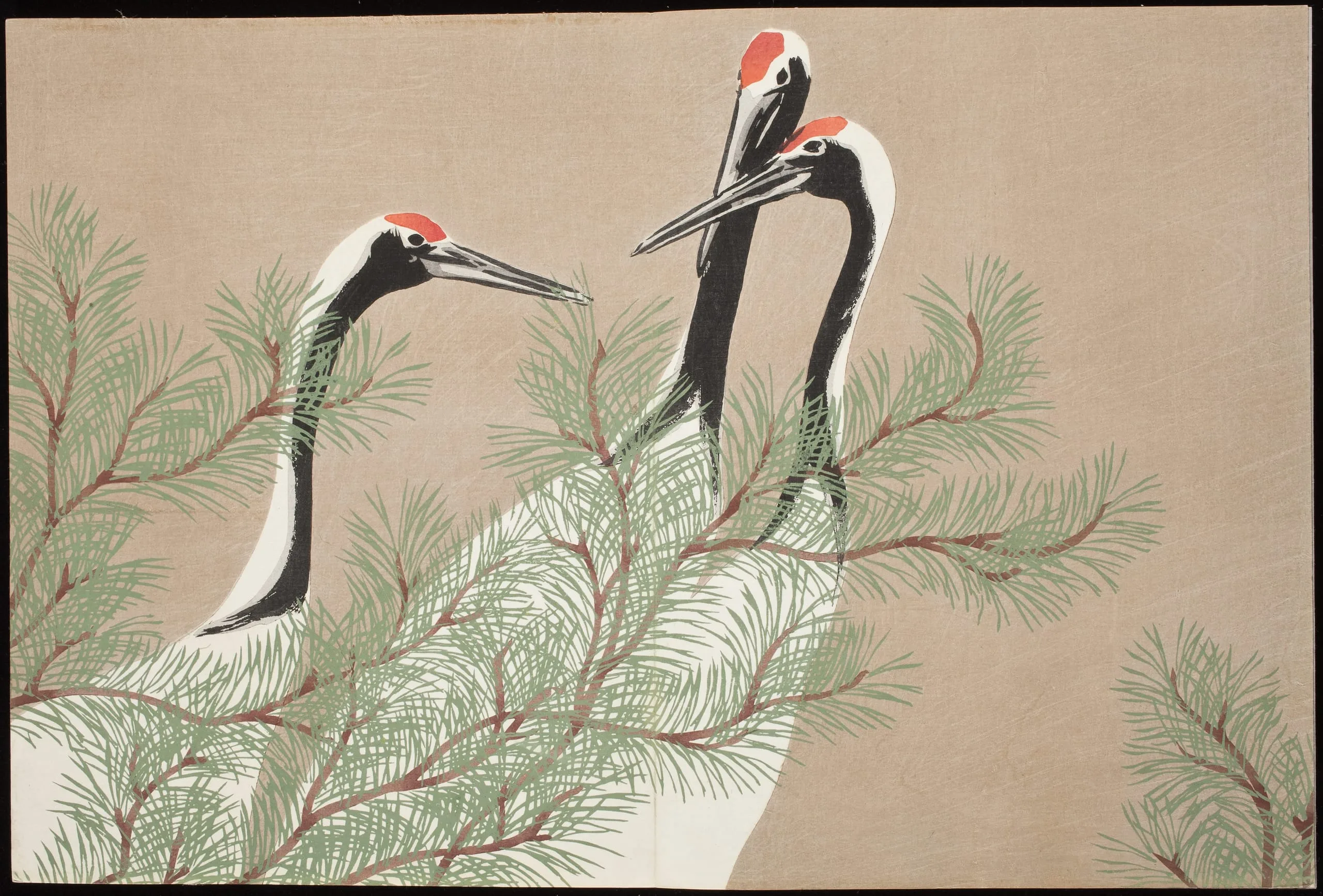
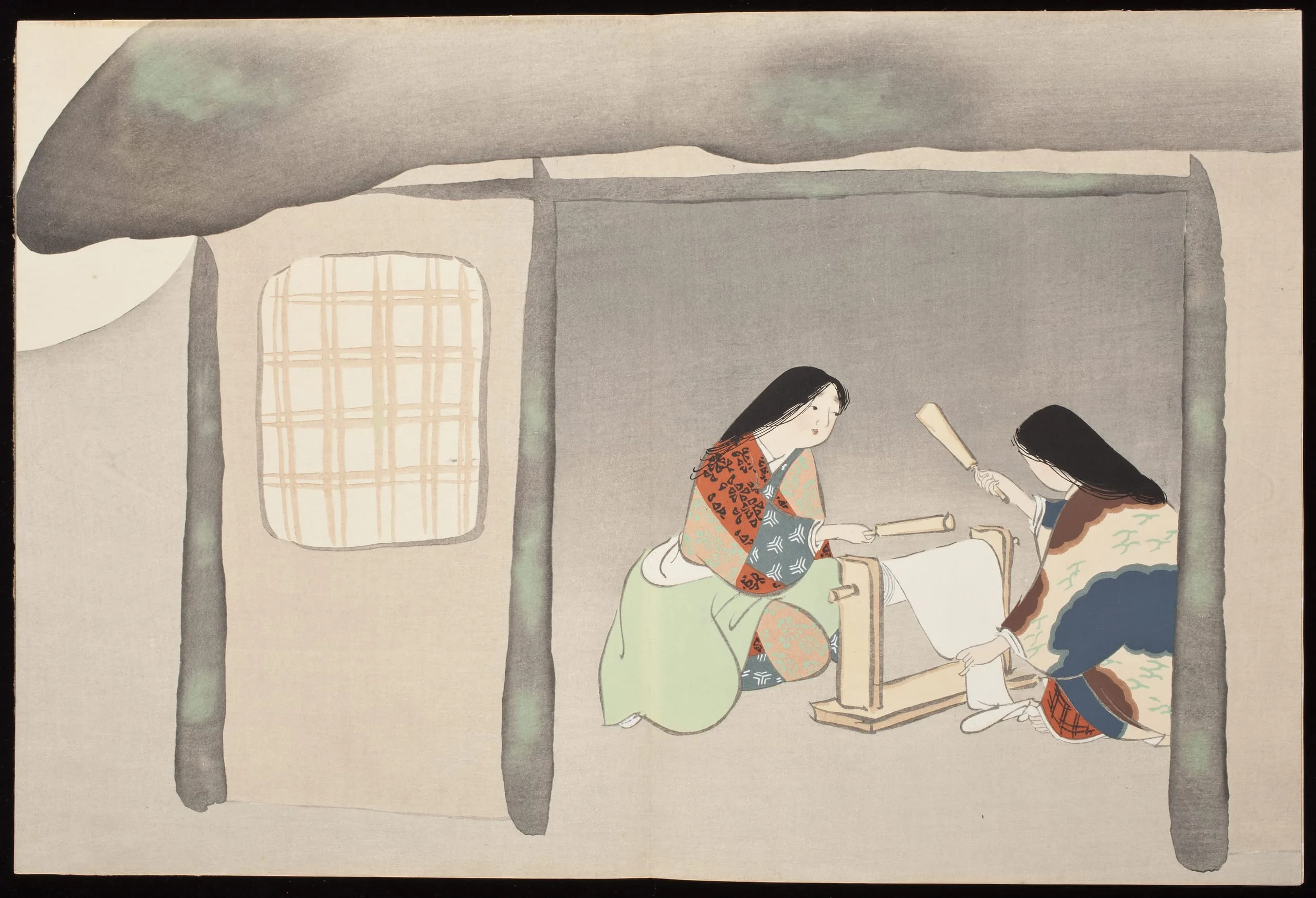
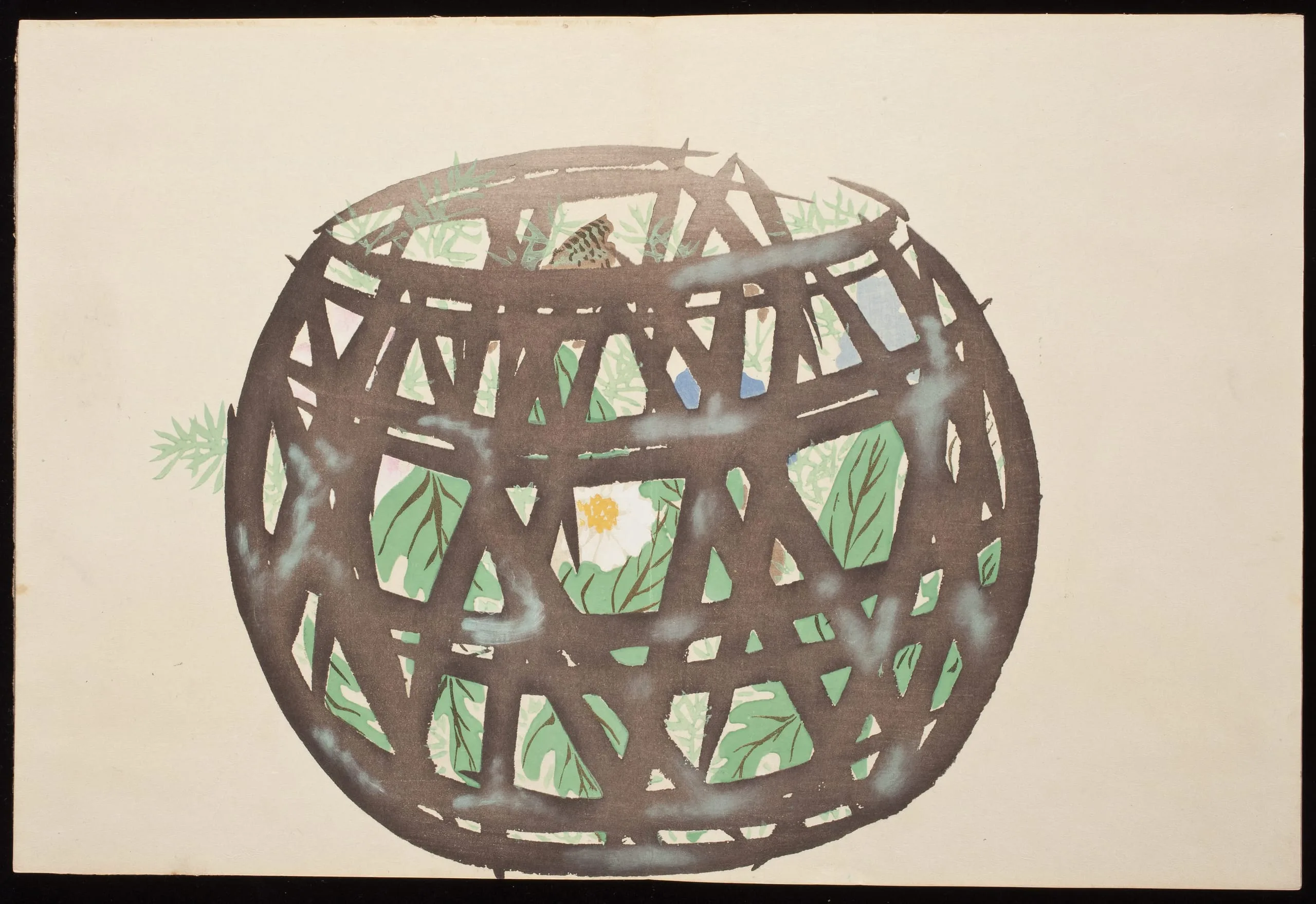
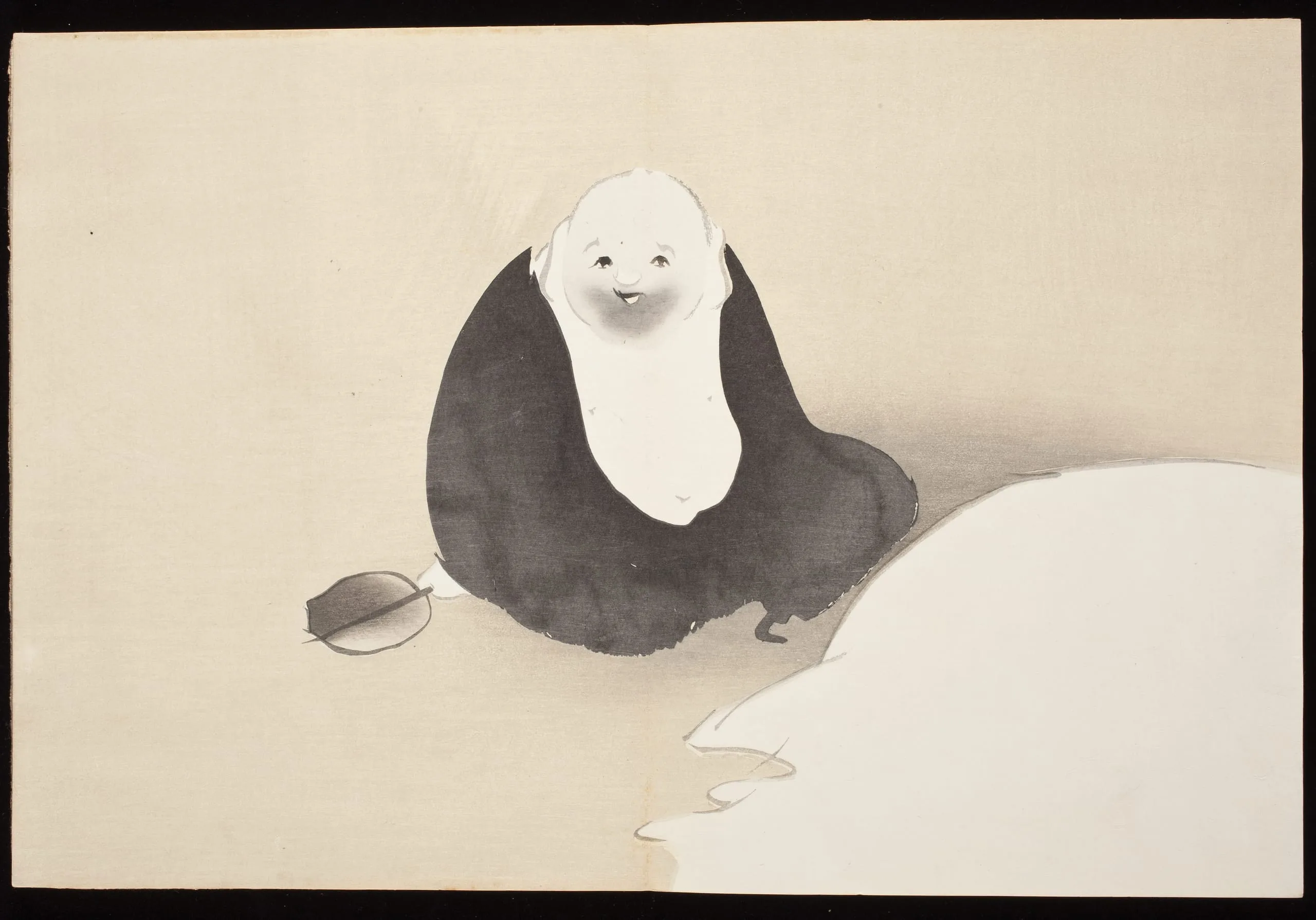
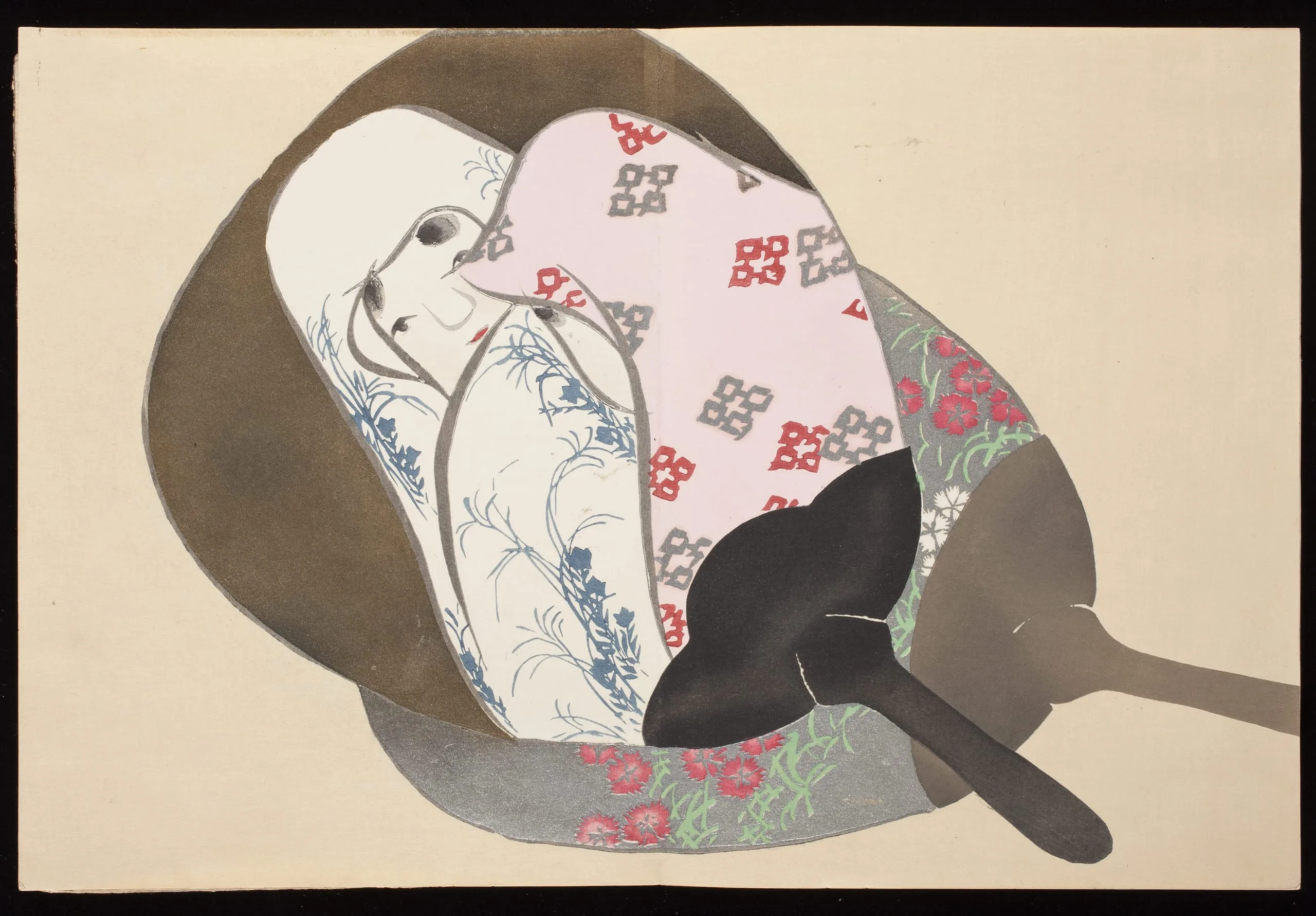
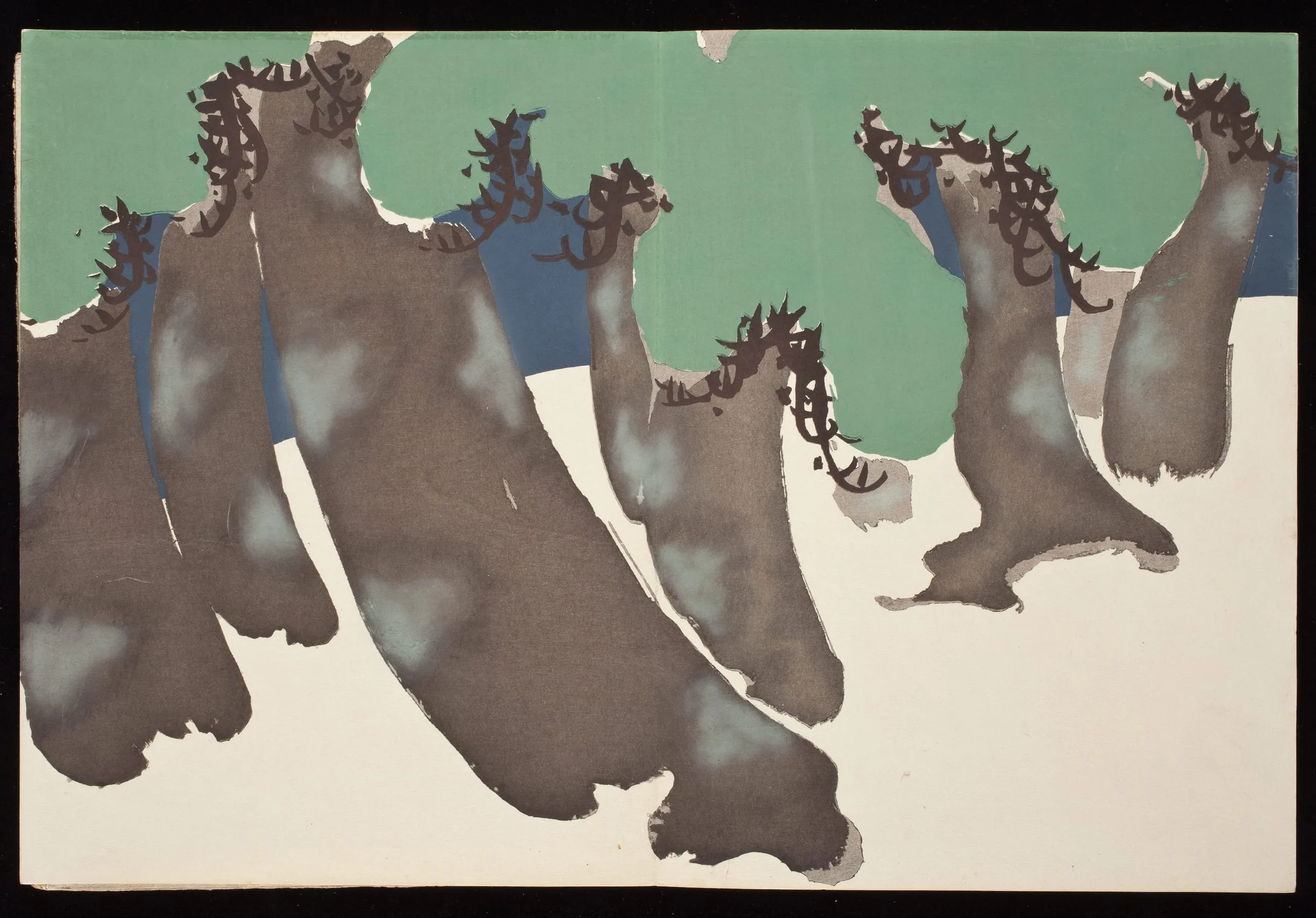
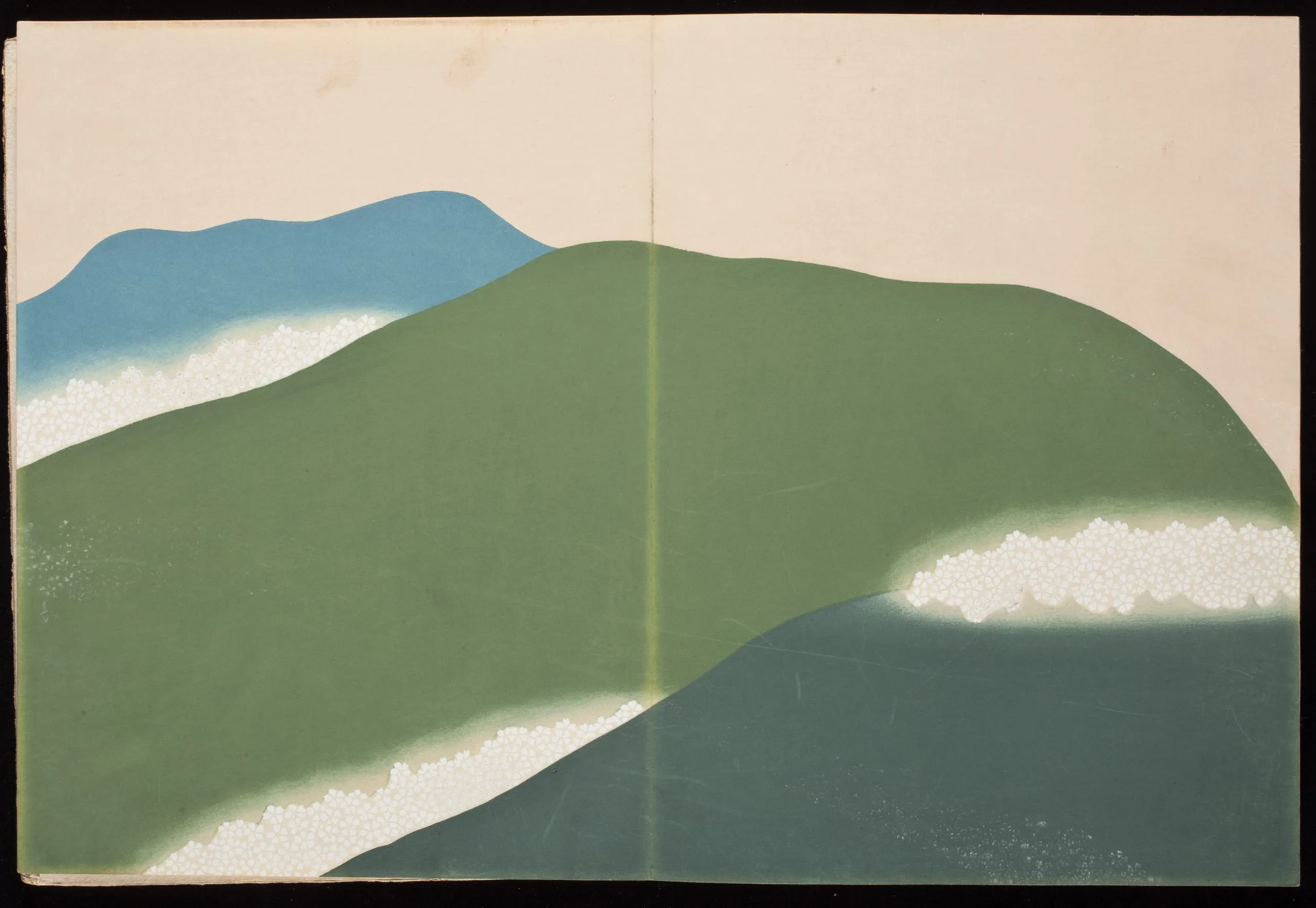
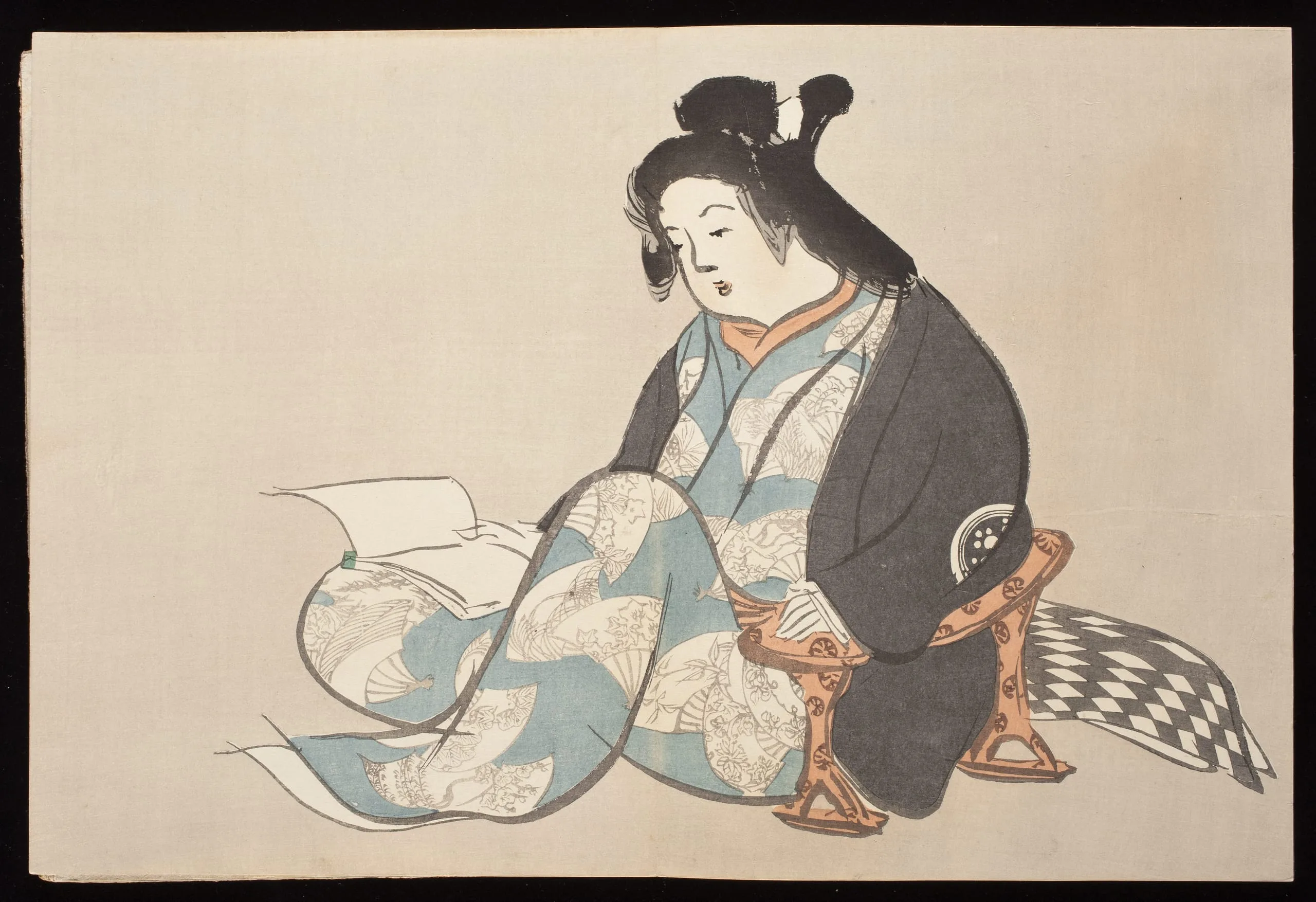
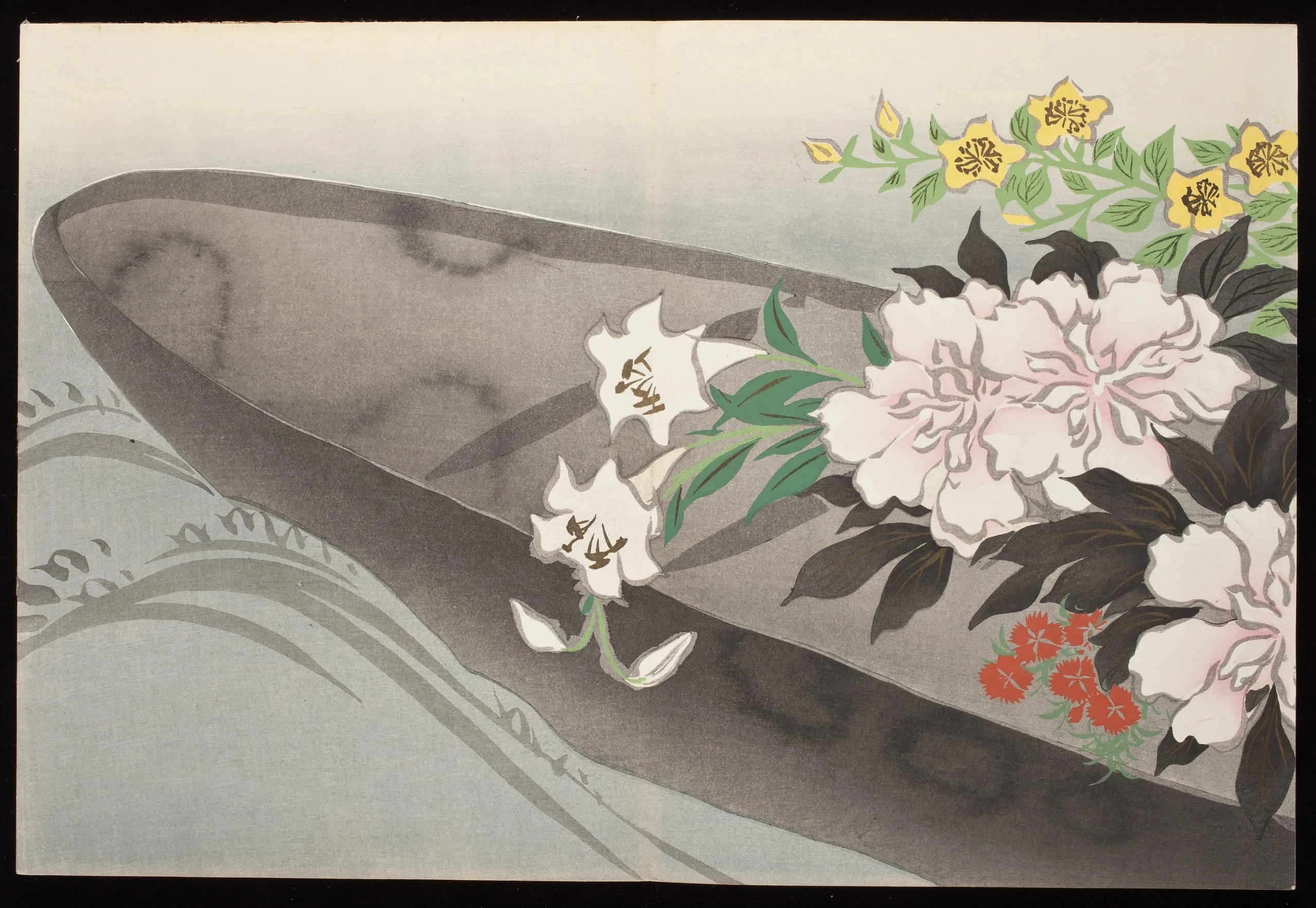
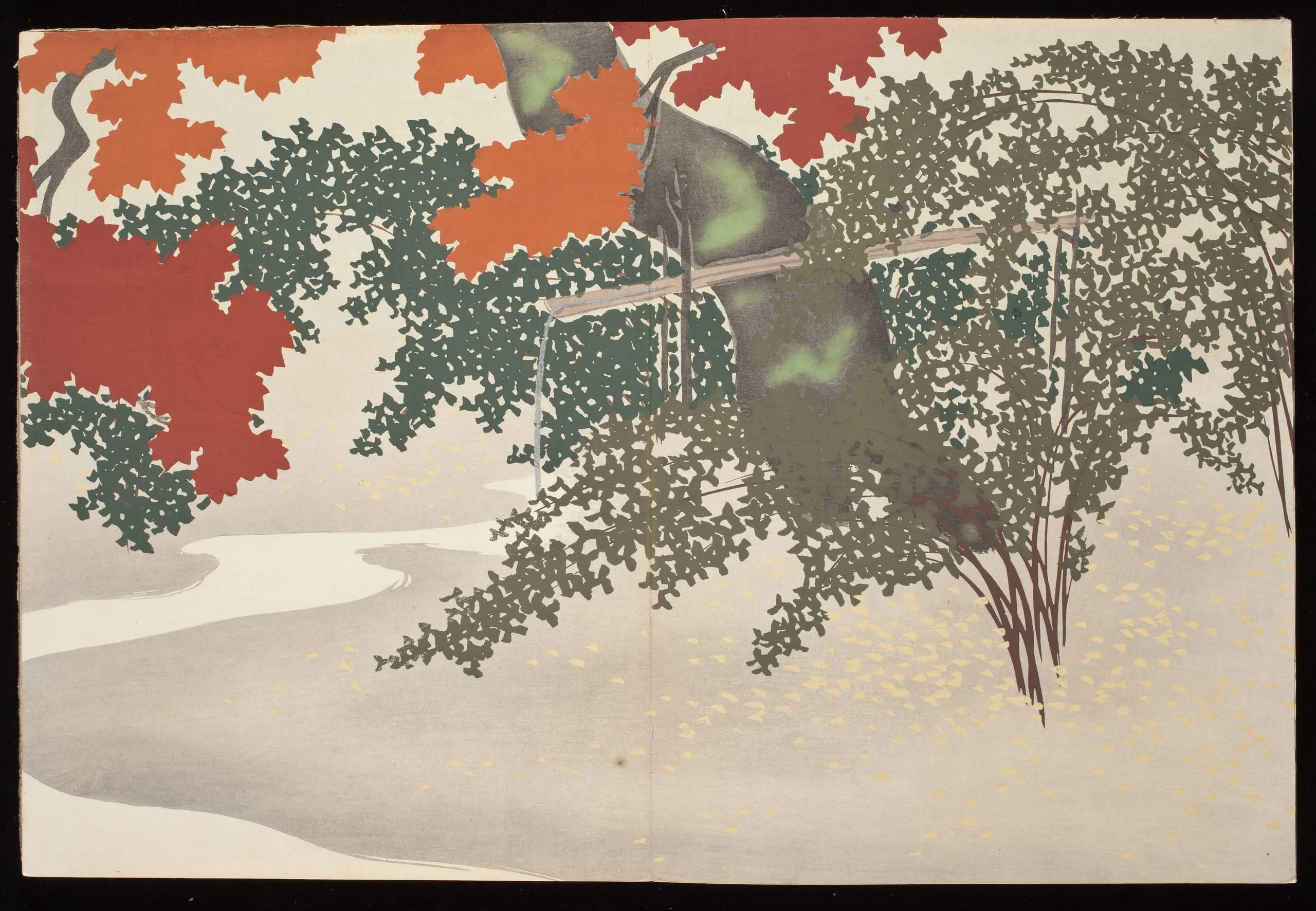
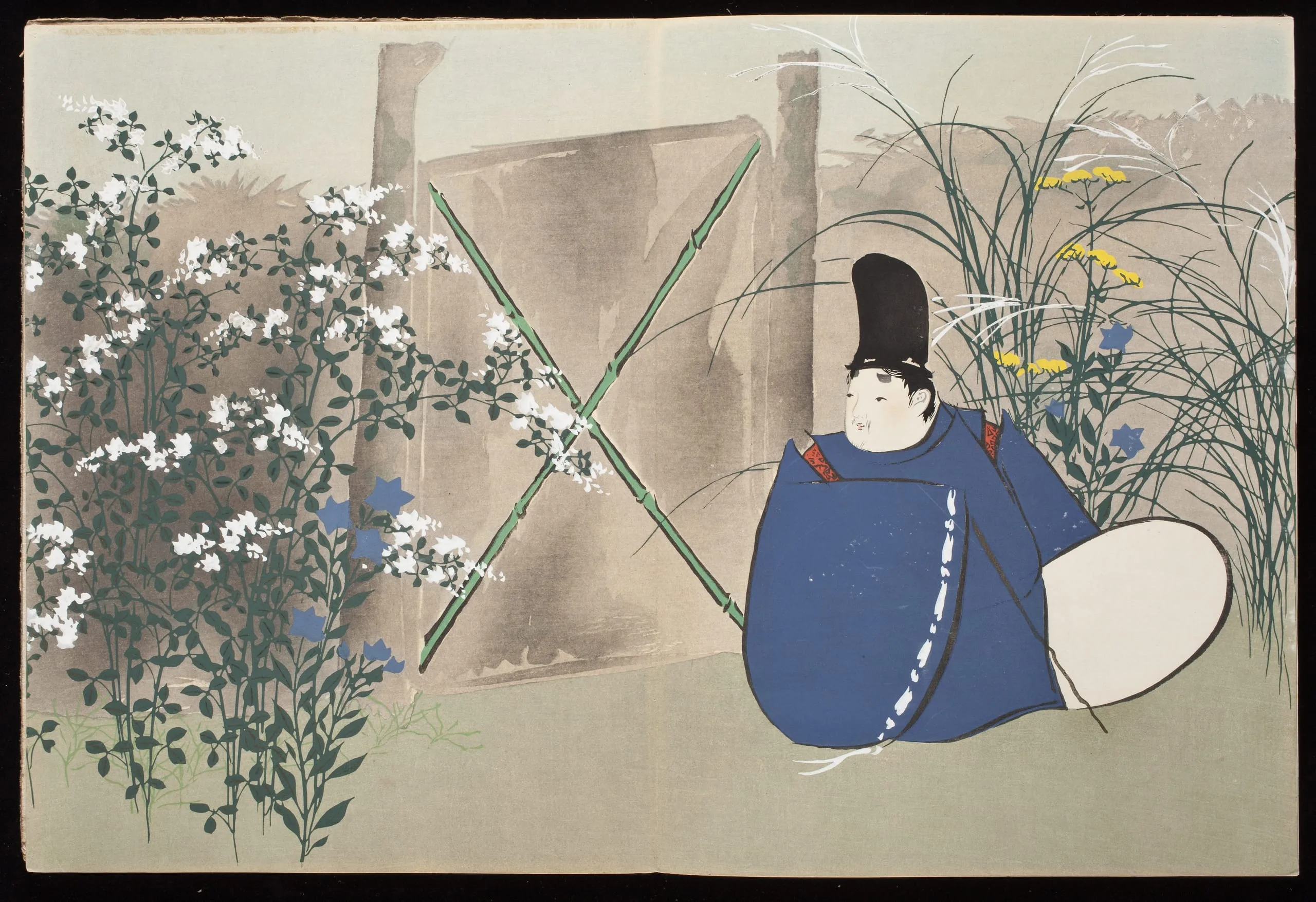
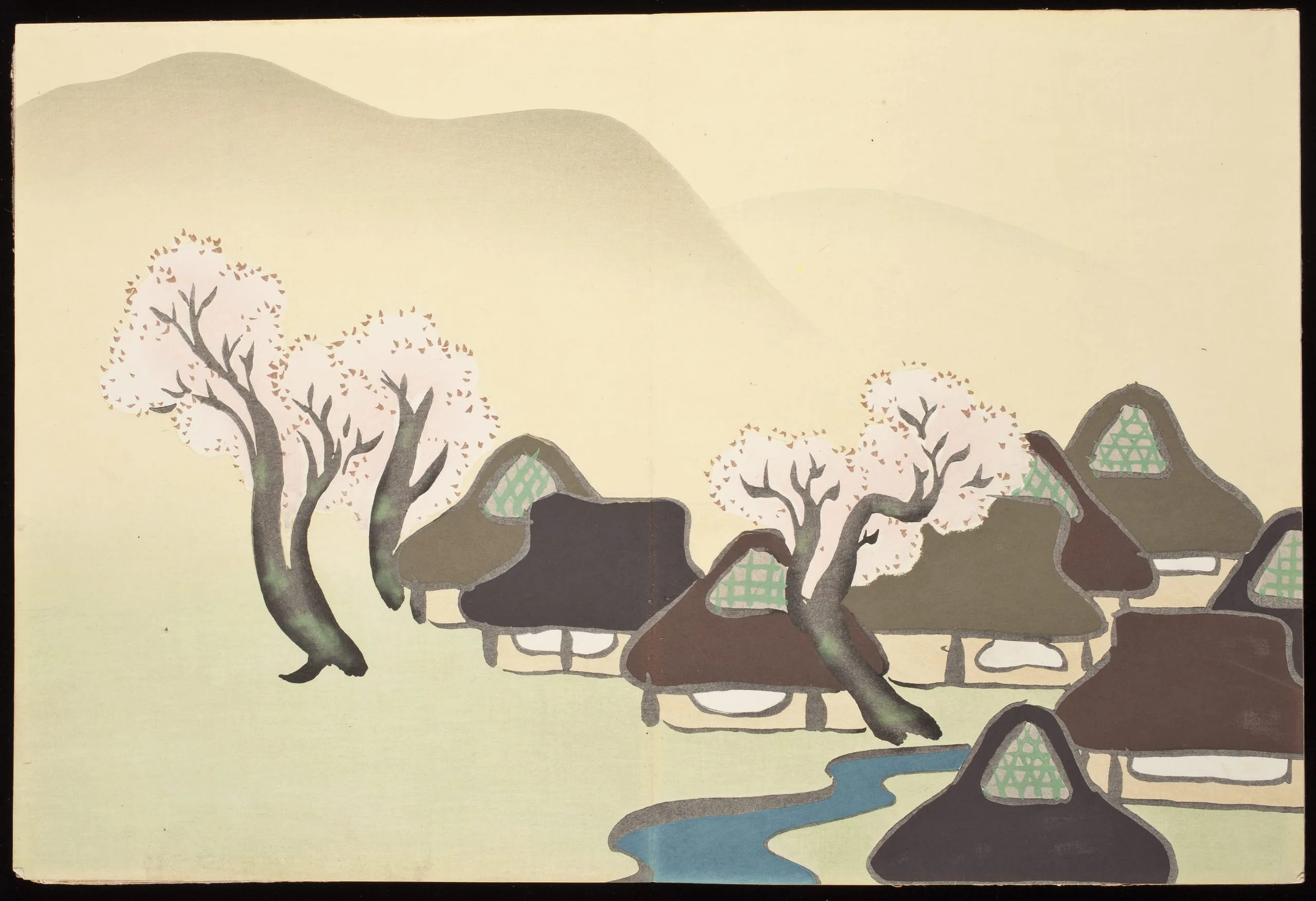
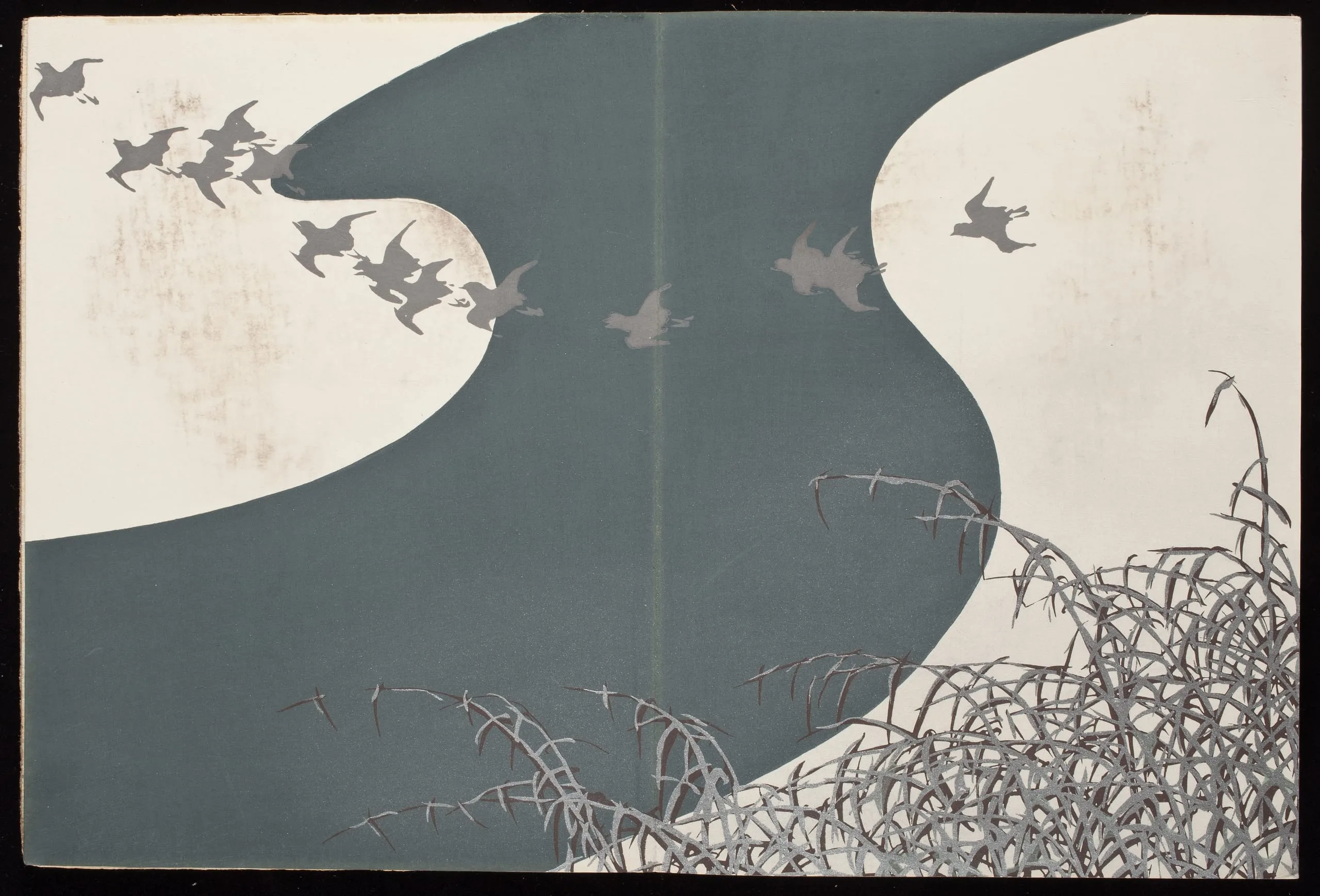
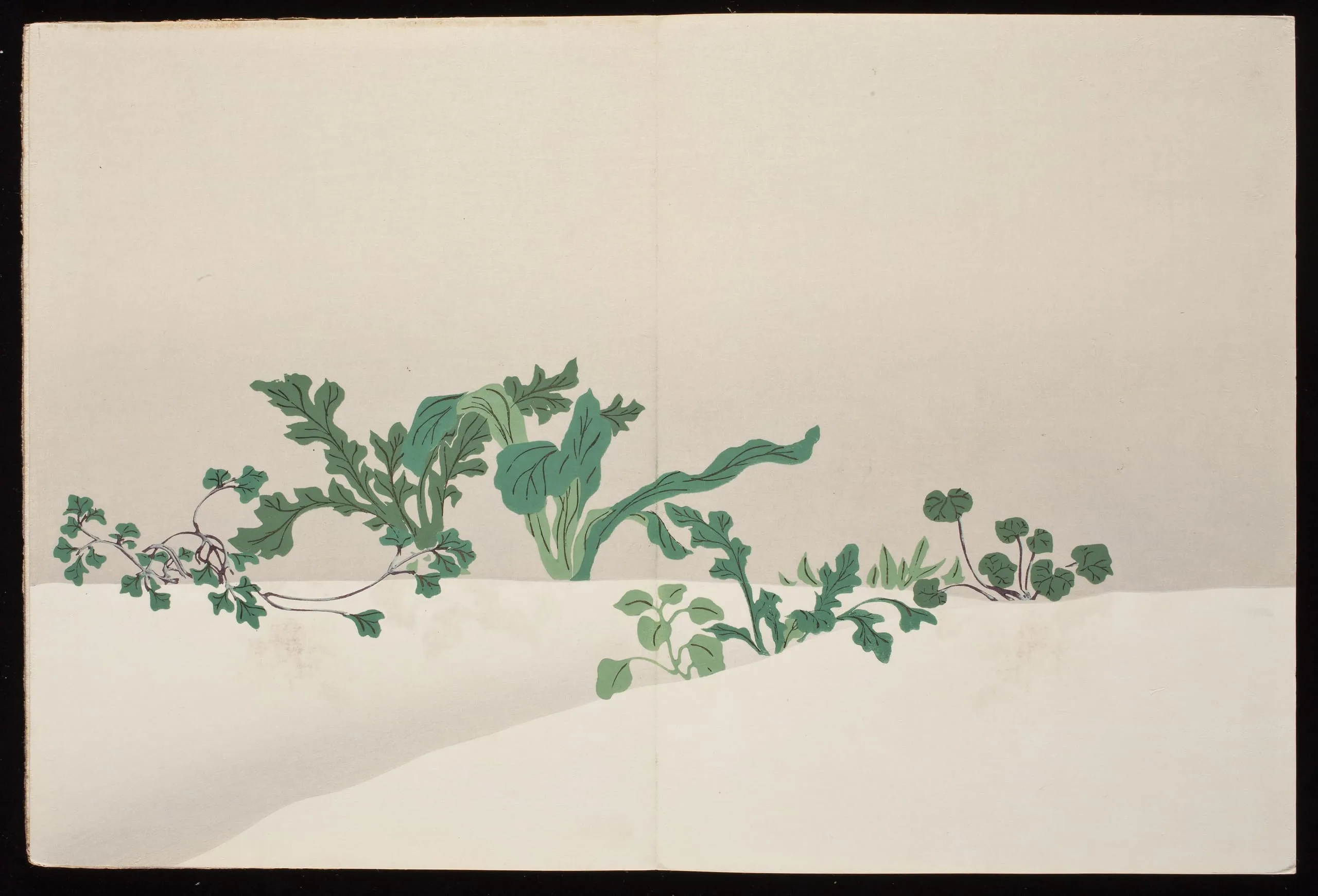
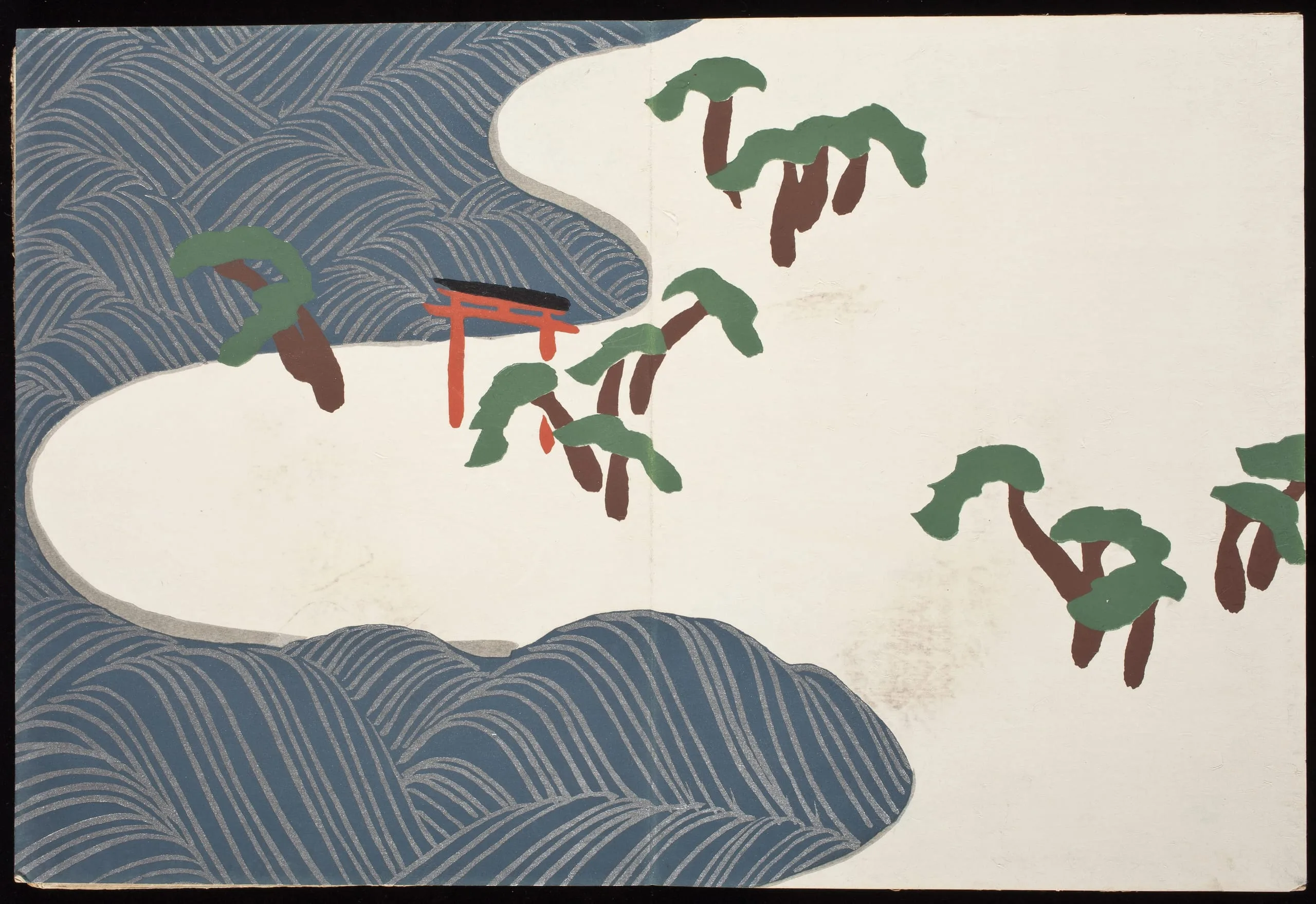
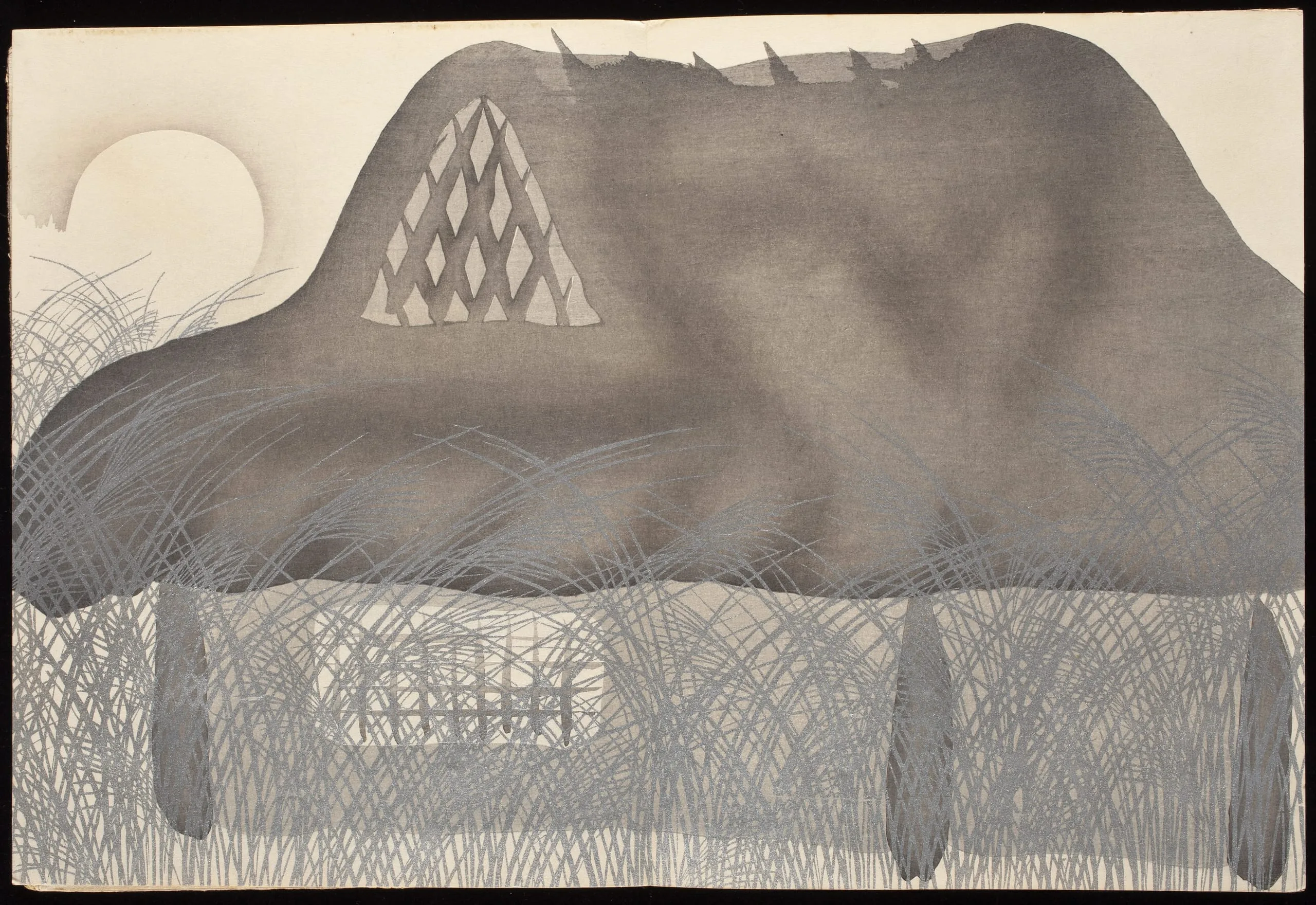
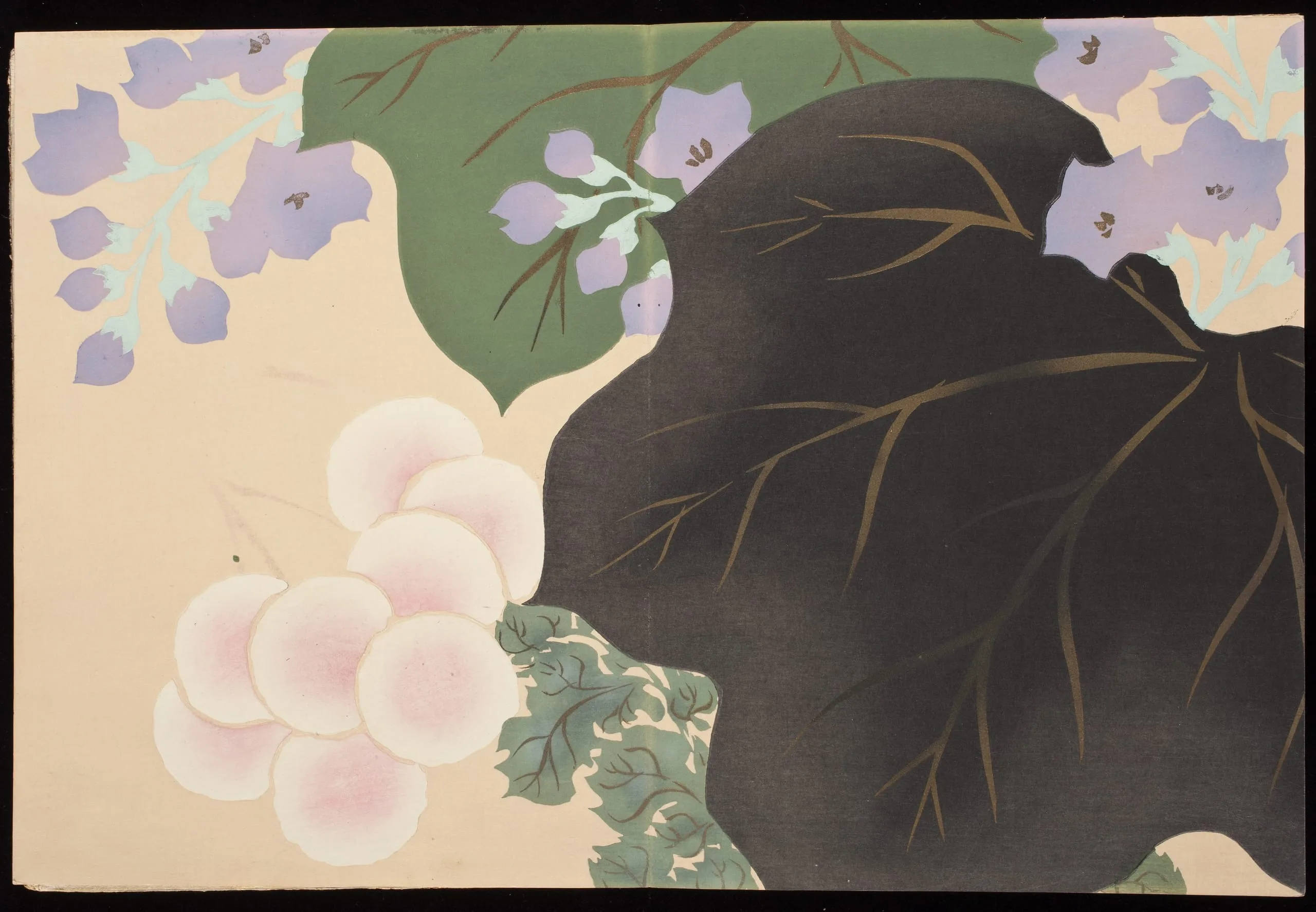
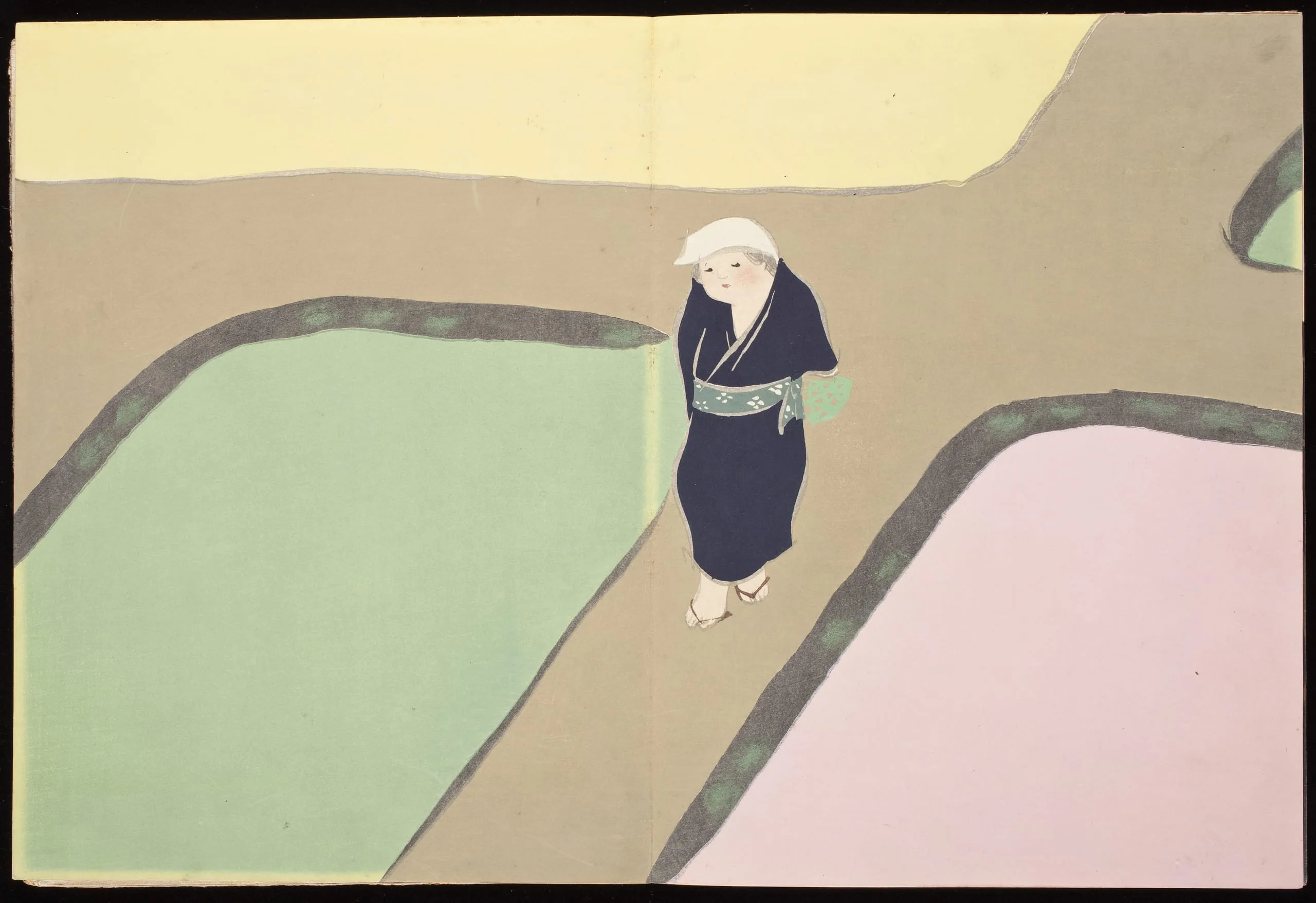
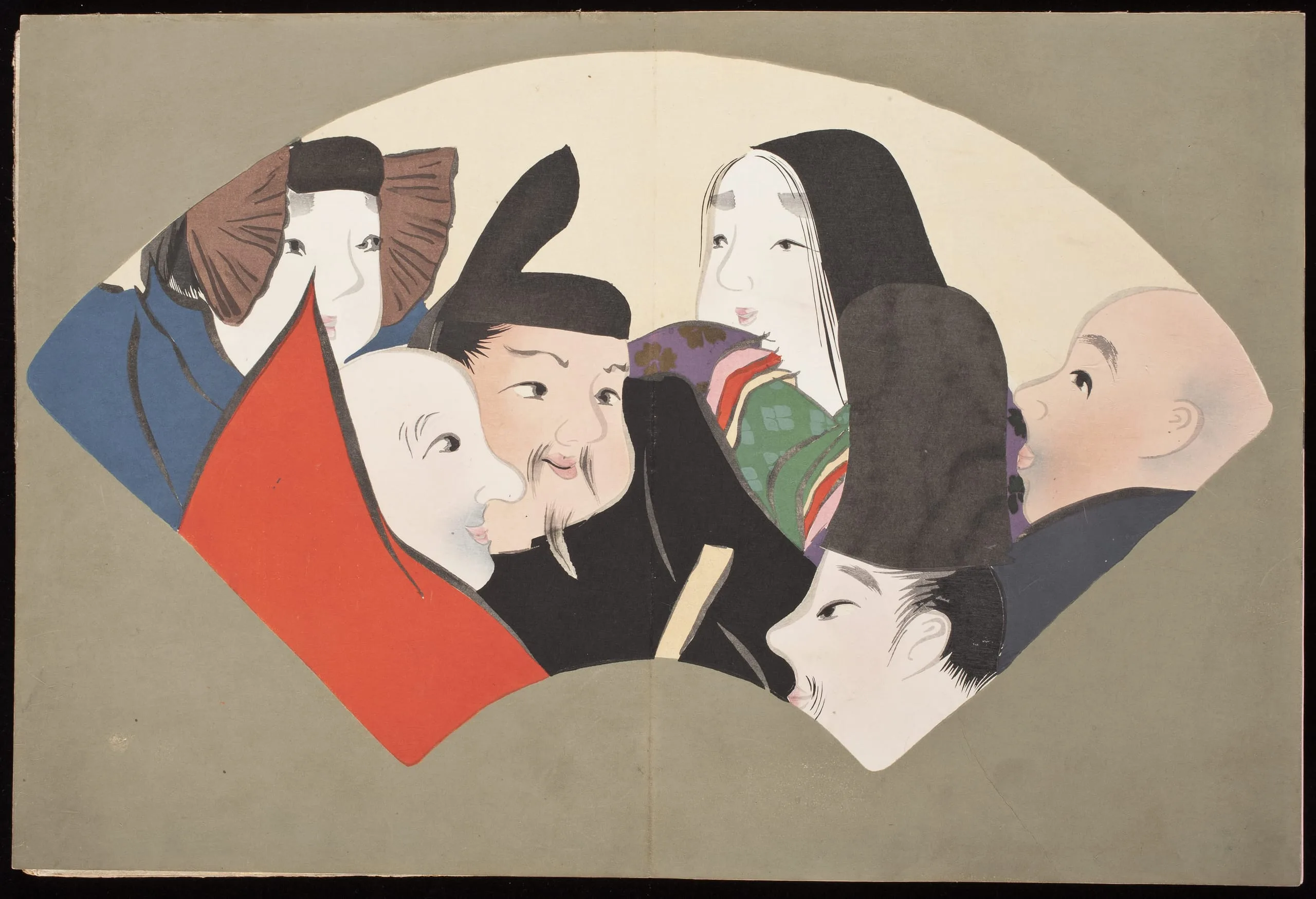
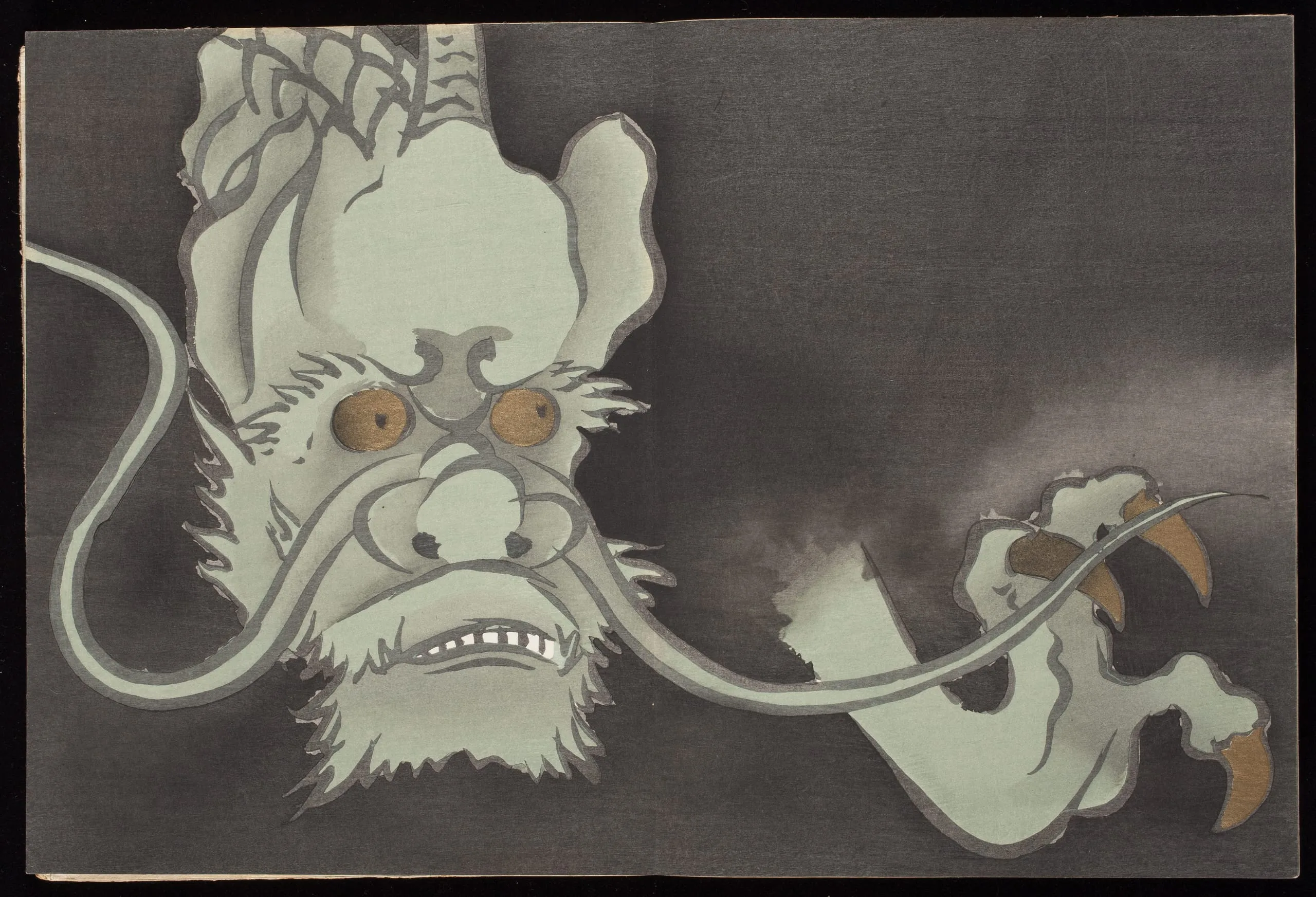
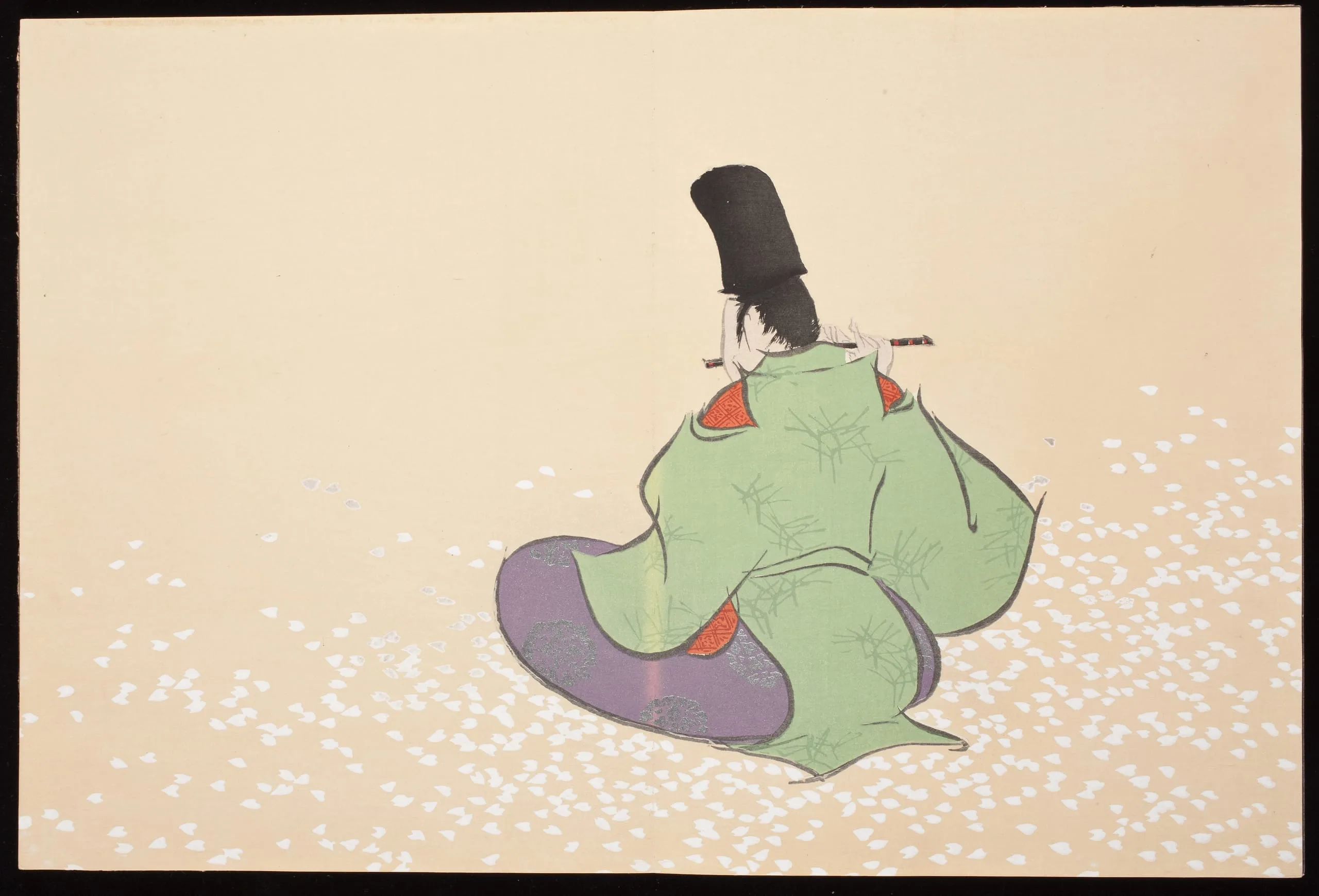
Flowers of One Hundred Worlds, or Momoyogusa, is a three-volume compendium of designs by Kamisaka Sekka. Encompassing figures, flora, and landscape in a blend of old and new, the collection showcases Sekka’s innovative approach to the Rinpa pictorial tradition. This striking spread of a rolling, curling wave against a silvery moon is an adept example. Sekka captures the wave’s dynamic movement, reminiscent of that of such artists as Ogata Kōrin (1658–1716) and Maruyama Ōkyo (1733–1795)—Sekka trained in the lineage of Ōkyo’s Maruyama-Shijō School in Kyoto—as well as Hokusai (17601849). Yet Sekka interprets the subject in a modern way, with a simplified color scheme and bold form. In 1901, he attended the Glasgow International Exhibition and studied European craft traditions, resulting in his unique amalgamation of Japanese and Western design idioms. The Momoyogusa represents the pinnacle of his work.
- Selected Bibliography
- Singer, Robert T., and Kawai Masatomo, editors. The Life of Animals in Japanese Art. Washington, D.C.: National Gallery of Art, 2019.