A man’s life in traditional Korea was filled with responsibilities to and expectations from his family and social class. It is no exaggeration to suggest that men born of high status in traditional Korean society had their lives firmly determined from birth. They would receive their education at home during adolescence, attend a village school, and prepare for several examinations. After passing the national examination, they would be appointed to an official position and pursue a virtuous political career until retirement. In their leisure time, these educated men were also expected to cultivate themselves through appreciation of the arts, traveling, writing, and painting. Such intellectual pursuits often required them to maintain relationships with other scholars and officials and actively participate in a number of academic circles with colleagues who shared their philosophies and ideals.
A tradition of genre painting that depicted the ideal life of a scholar-official – and his predetermined future – became popular in the eighteenth century, during the late Joseon period.[1] The seemingly sudden emergence of this theme is deeply connected to the dramatic increase in the popularity of genre scenes, or paintings of daily life, during this time. The genre painter usually illustrated the various pursuits of middle- and working-class people such as merchants, farmers, and craftsmen. At the same time, paintings depicting the ideal life of a man began to appear in screens, a format preferred by the scholar-elite.
Earlier examples of the subject are thought to be related to the lives of specific men. One dated example is a painted screen depicting scenes from the life of Modang, from 1781 (fig. 1). Modang was the pen name of a successful official, Hong Yisang (1549-1615), who achieved the position of Censor-in-Chief during his lifetime. Only two panels from this eight-panel screen have survived; however, based on the inscription on one panel, it is understood that the original screen included scenes of his first birthday, wedding, passing of the Metropolitan examination, and academic training, in addition to several career achievements such as an official position in Pyongyang, the post of Minister of the Military, and Prime Minister, before concluding with his sixtieth birthday celebration. This artwork is particularly significant not only because the artist is Kim Hongdo (1745-after 1814), a virtuoso master of genre scenes, but also because it became a model for later paintings depicting the subject of an ideal life of a scholar-official.
Another comparable screen, also from the late eighteenth century, depicts the life of Hong Gyehi (1703-1771) (fig. 2). Originally an eight-panel screen, only six panels are known today. In addition to recording the great successes of the scholar-official’s life, such screens may have been used to promote and reinforce the family’s reputation. During the nineteenth and early twentieth centuries, paintings depicting a gentleman’s life were produced in large numbers, and the subject matter was also adapted to folk paintings.[2]
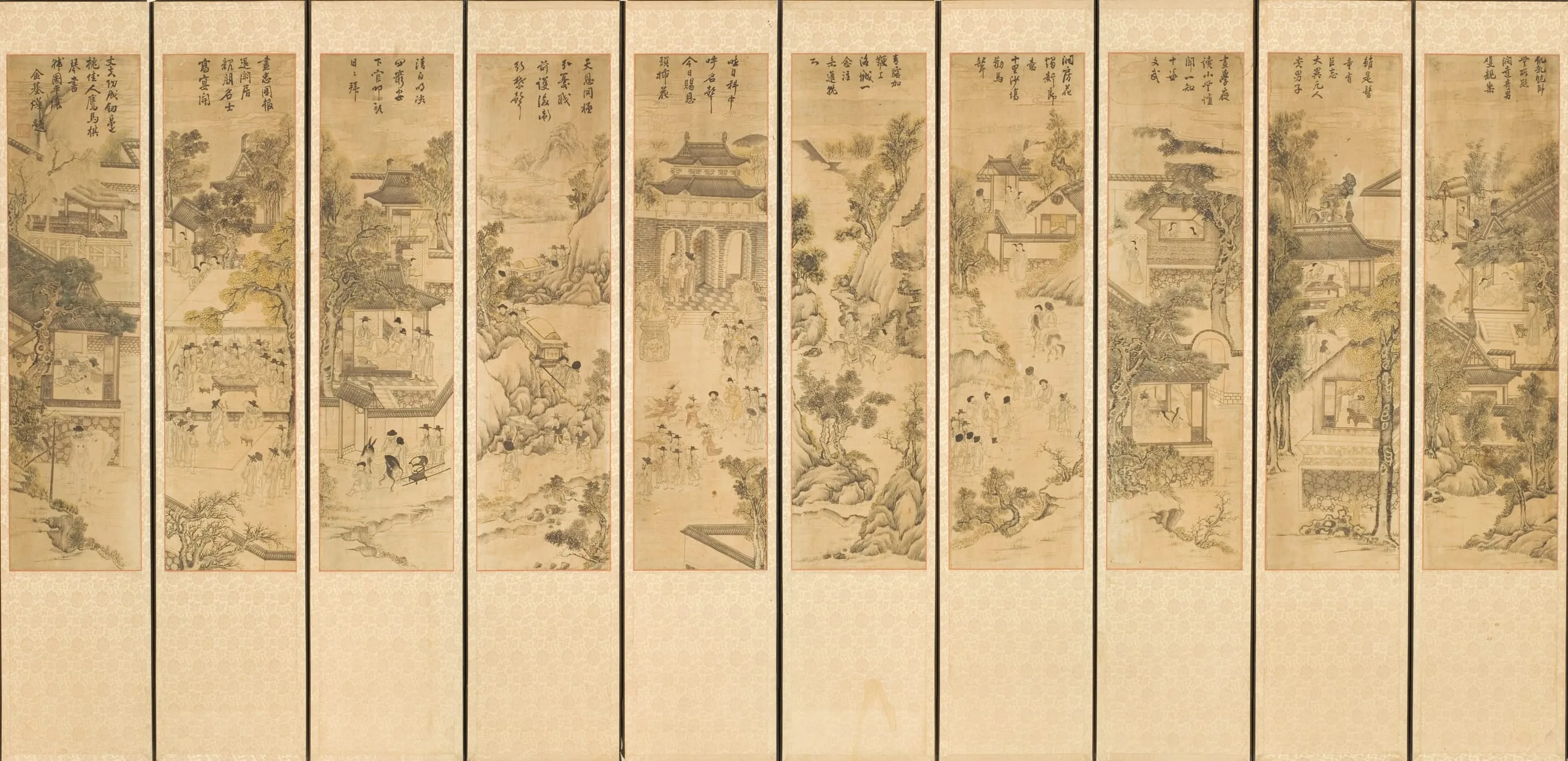
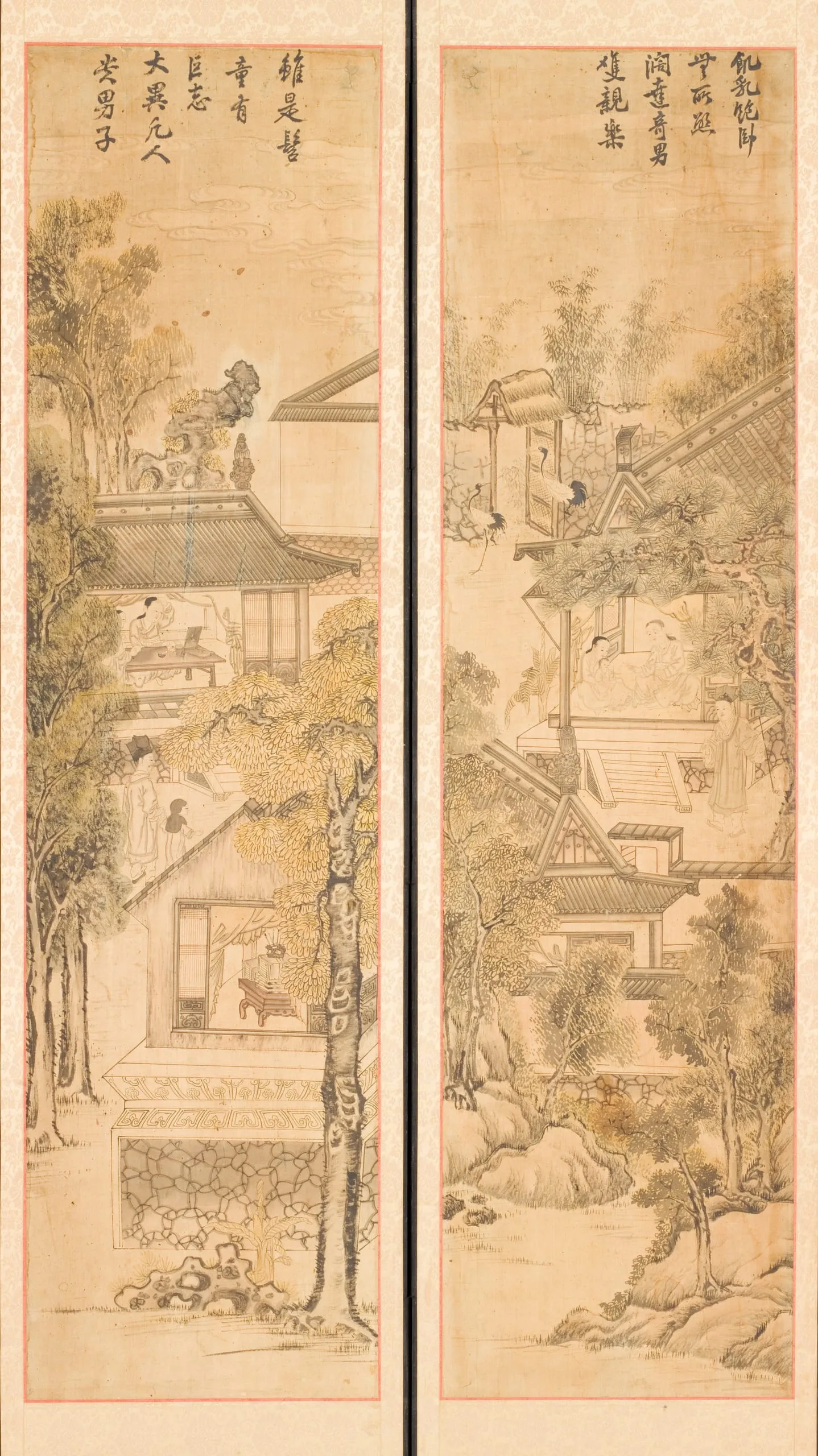
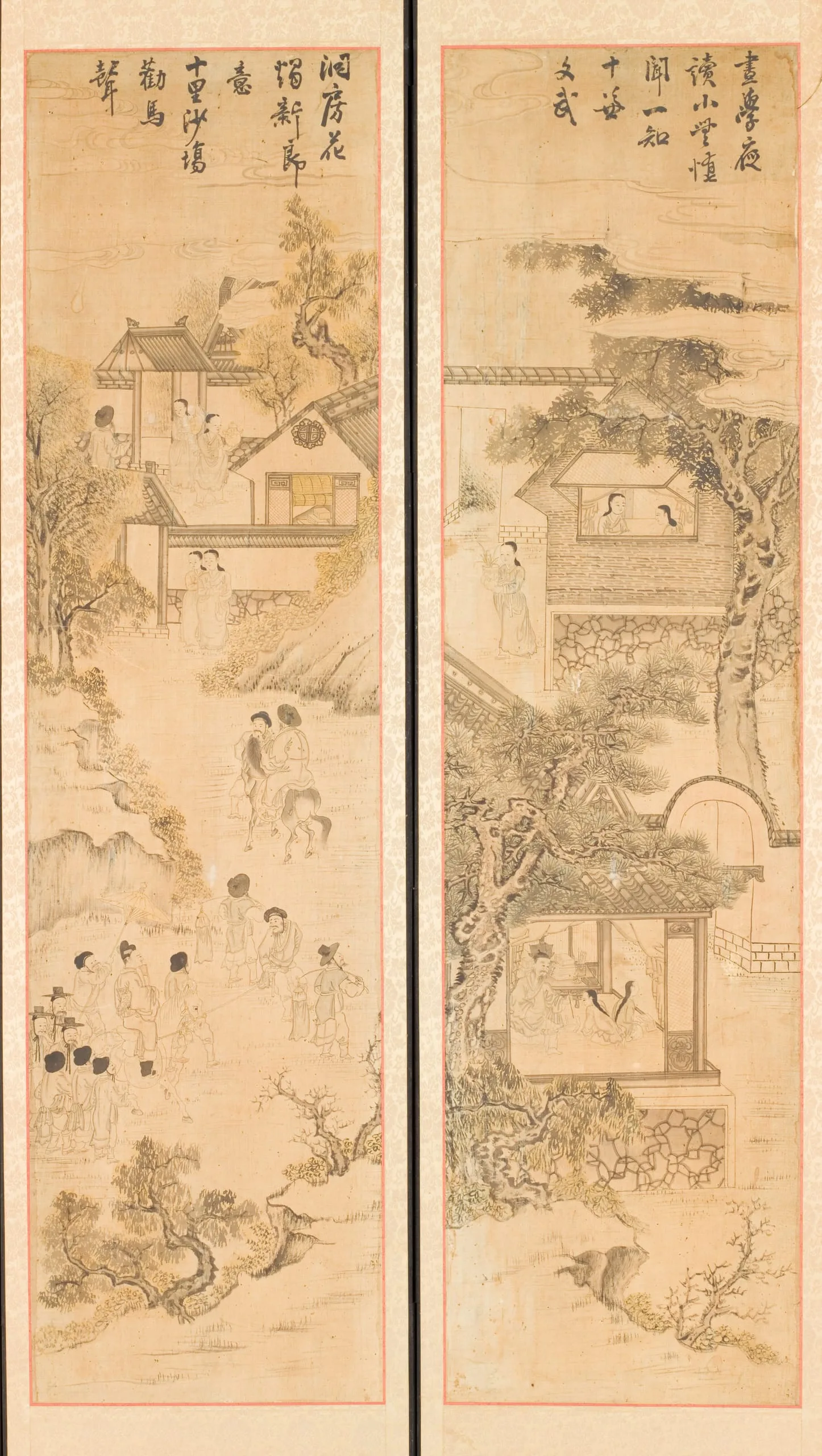
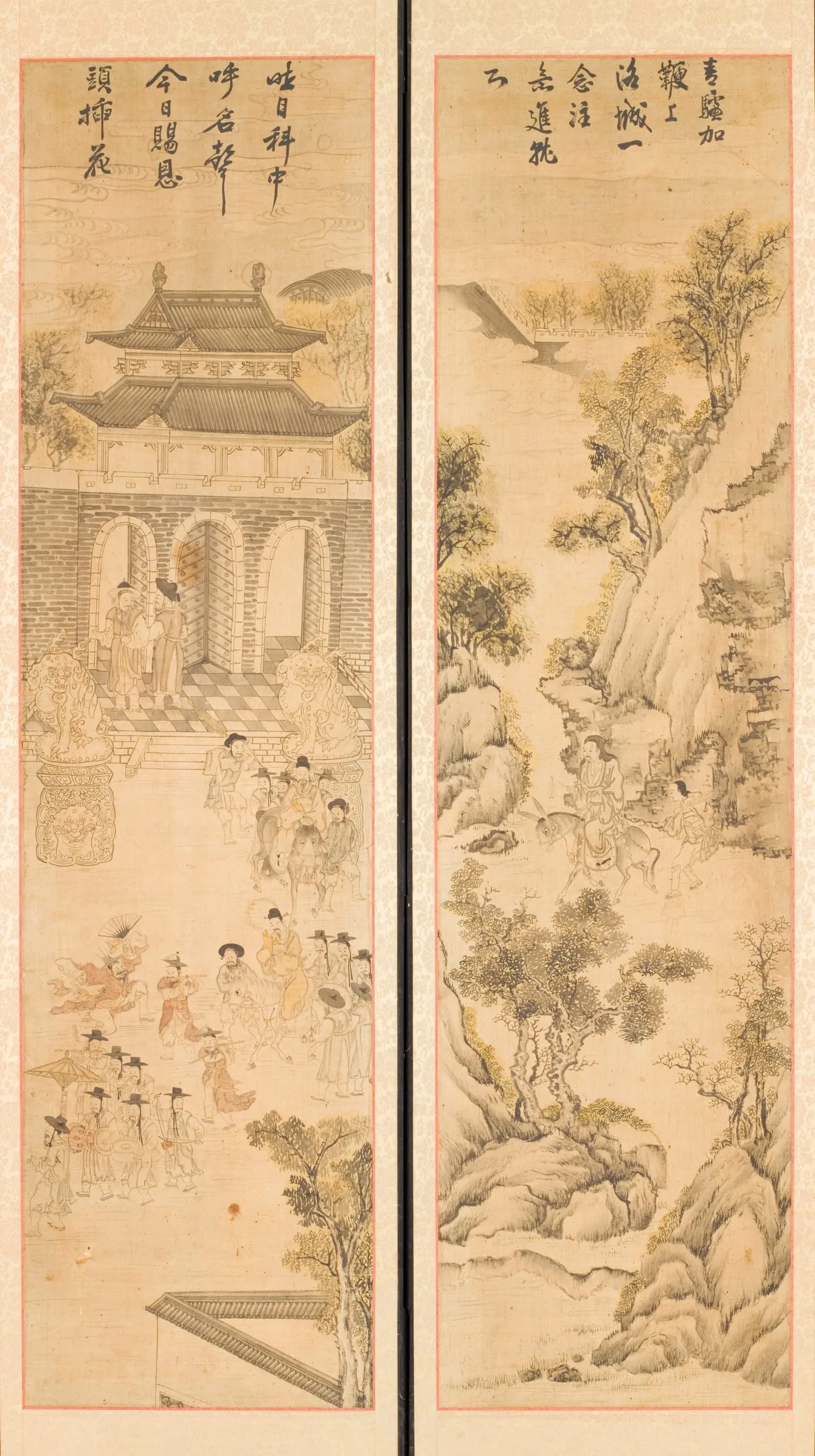
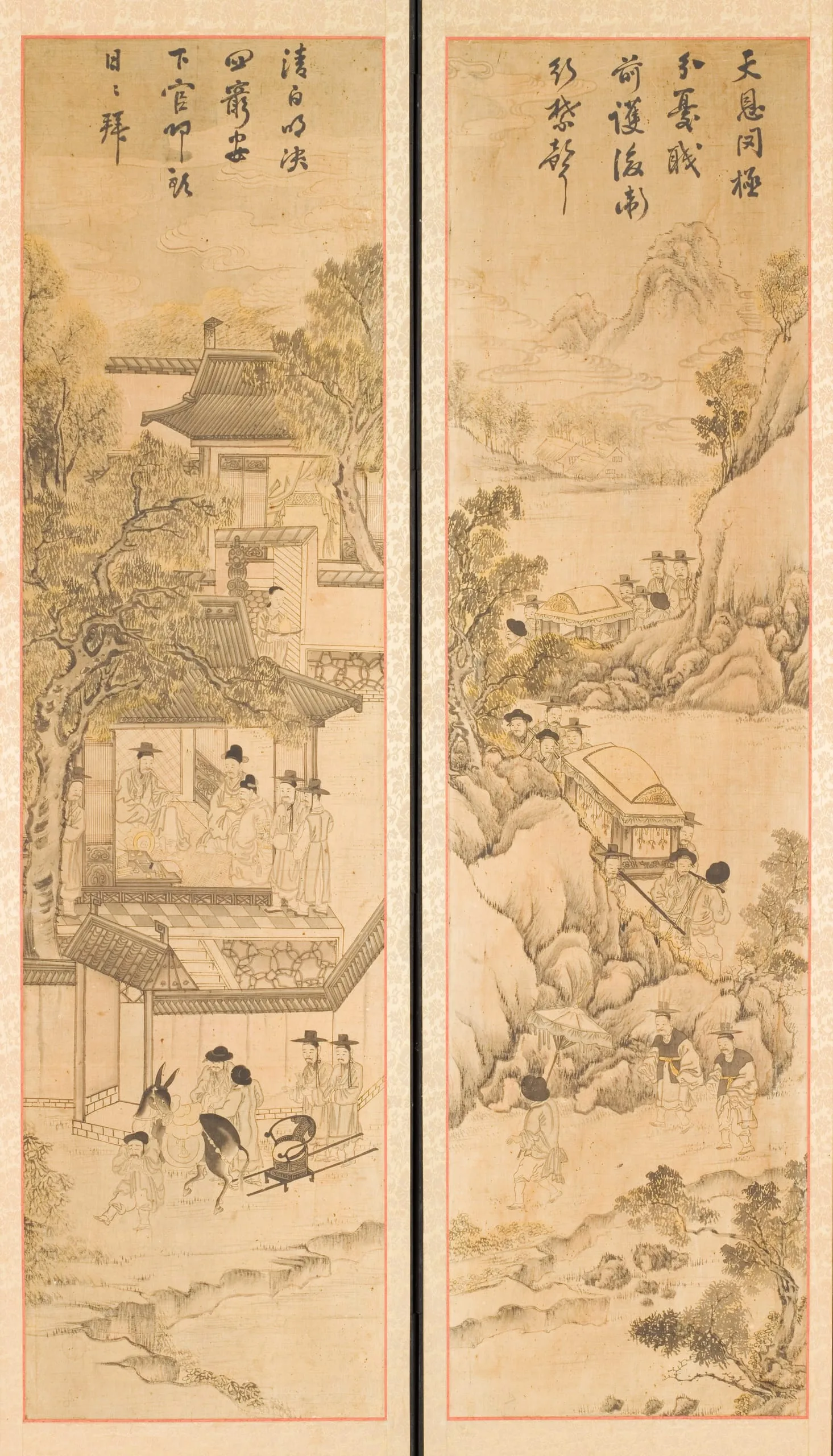
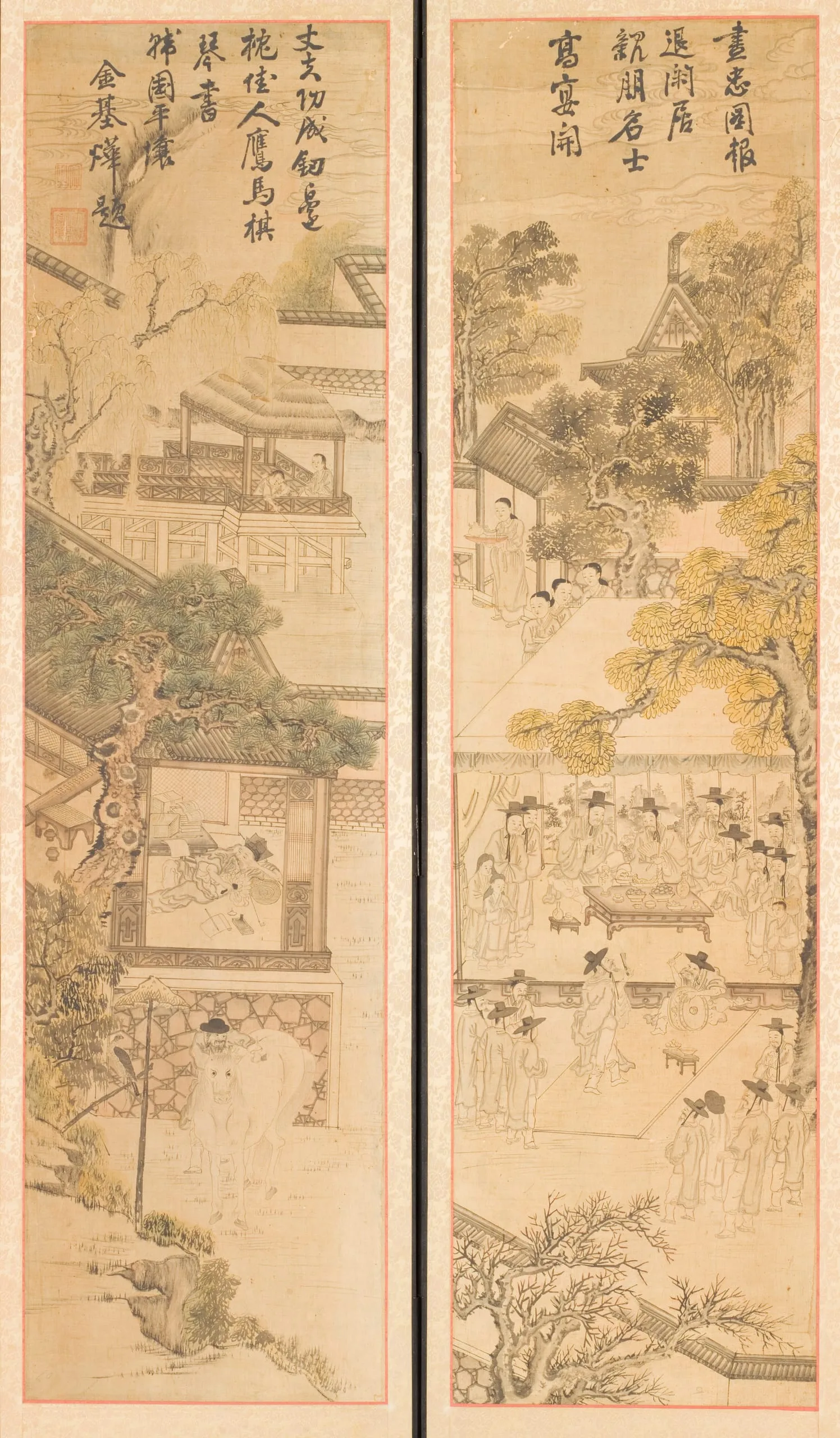
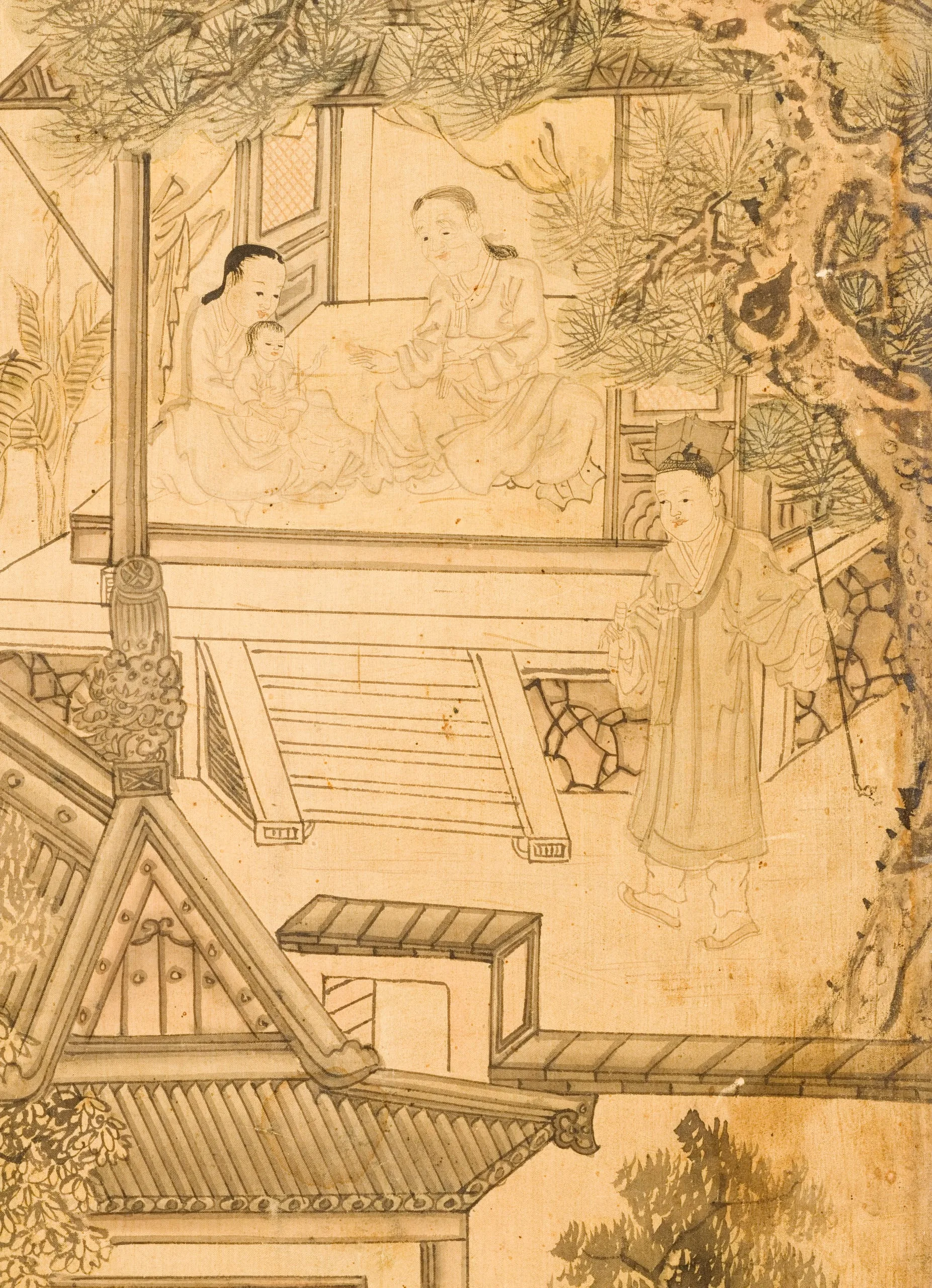
LACMA’s screen depicts ten important phases of a man’s life. From right to left, they are birth, adolescence, education, marriage, leaving home for a national examination, passing the examination, departing for an official position, supervising at work, gathering leisurely with friends and colleagues, and enjoying retirement. The narrative generally follows the earlier tradition, although it diverges somewhat. Here, the first panel depicts the nursing baby who will grow into a successful official, the two cranes in the garden symbols of his successful career. This scene is fairly unusual because most sets begin with the first birthday celebration. Other unique scenes include the subject of home schooling on the second panel, the gathering of officials for leisure time on the ninth panel, and the final scene depicting the now-seasoned scholar-official reclining and relaxing. Typically, the narrative would conclude with the sixtieth birthday celebration.
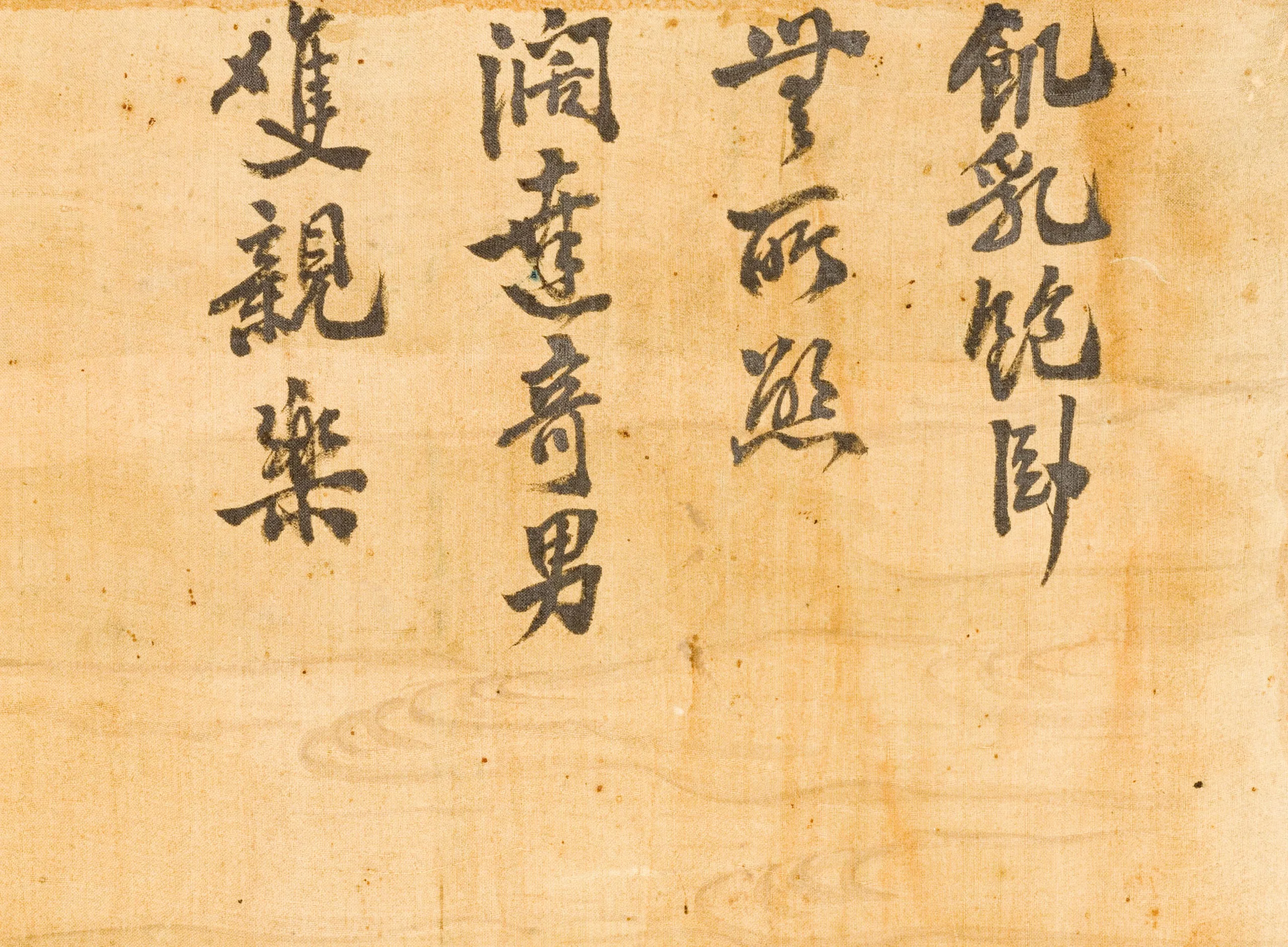
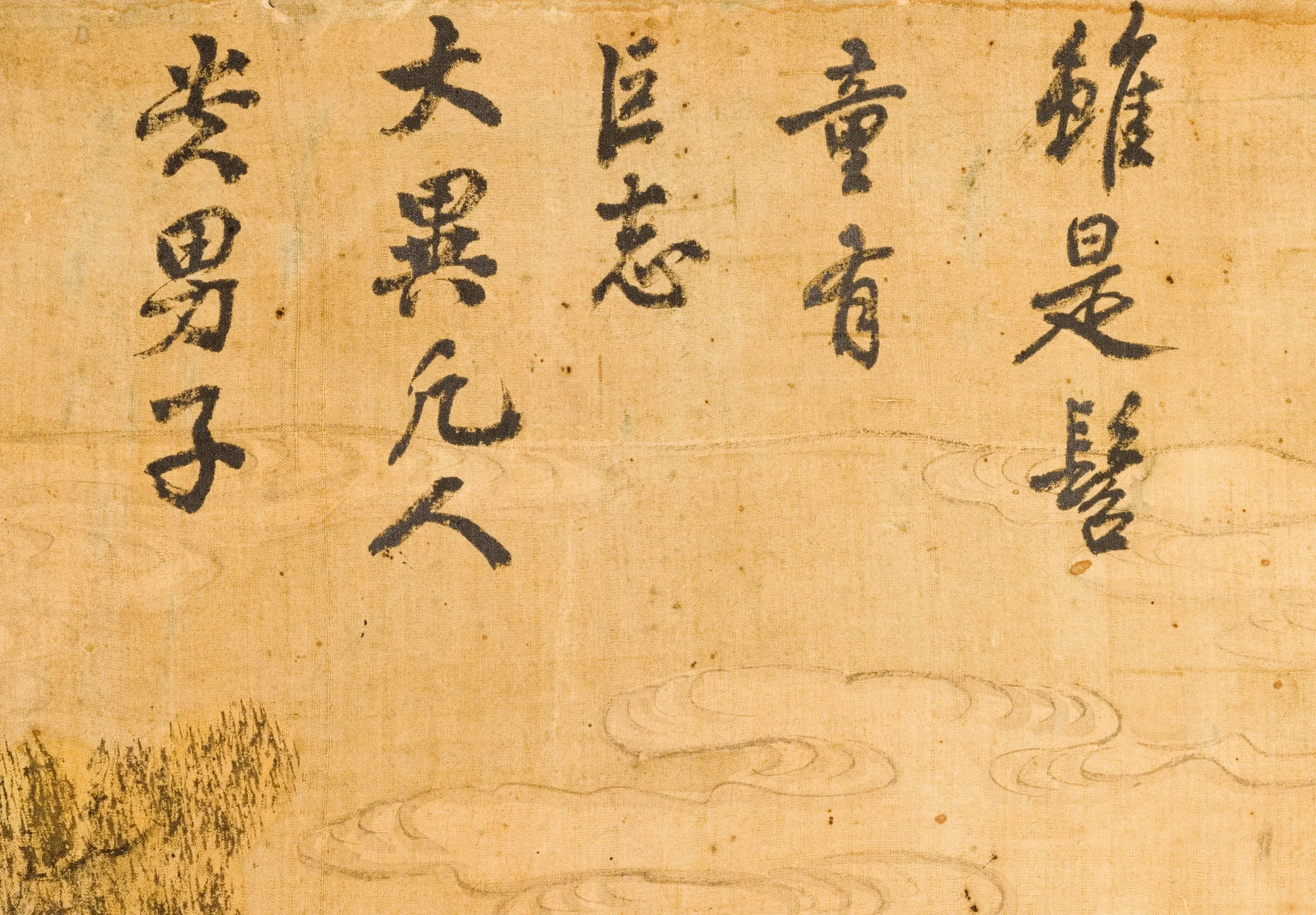
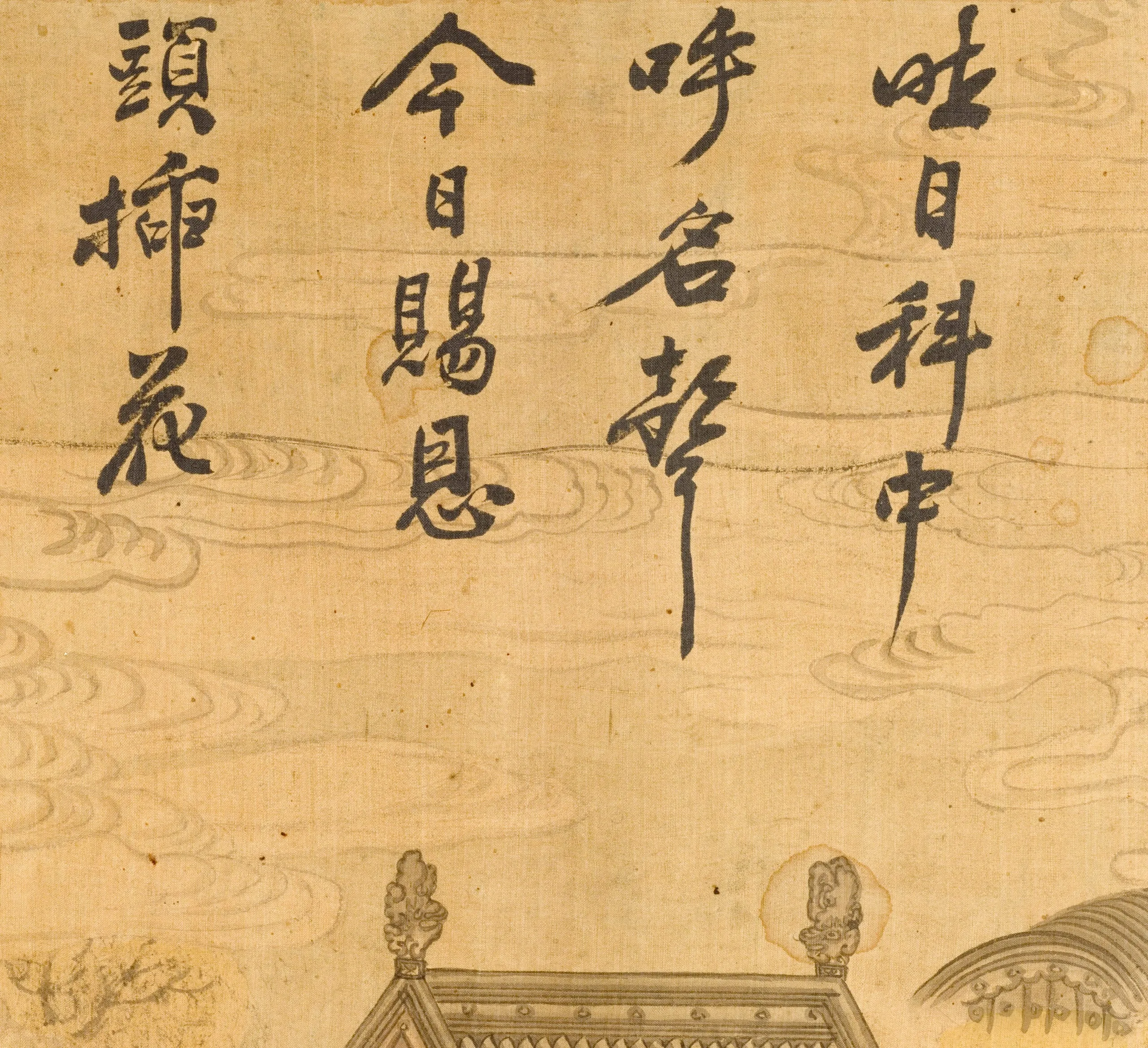
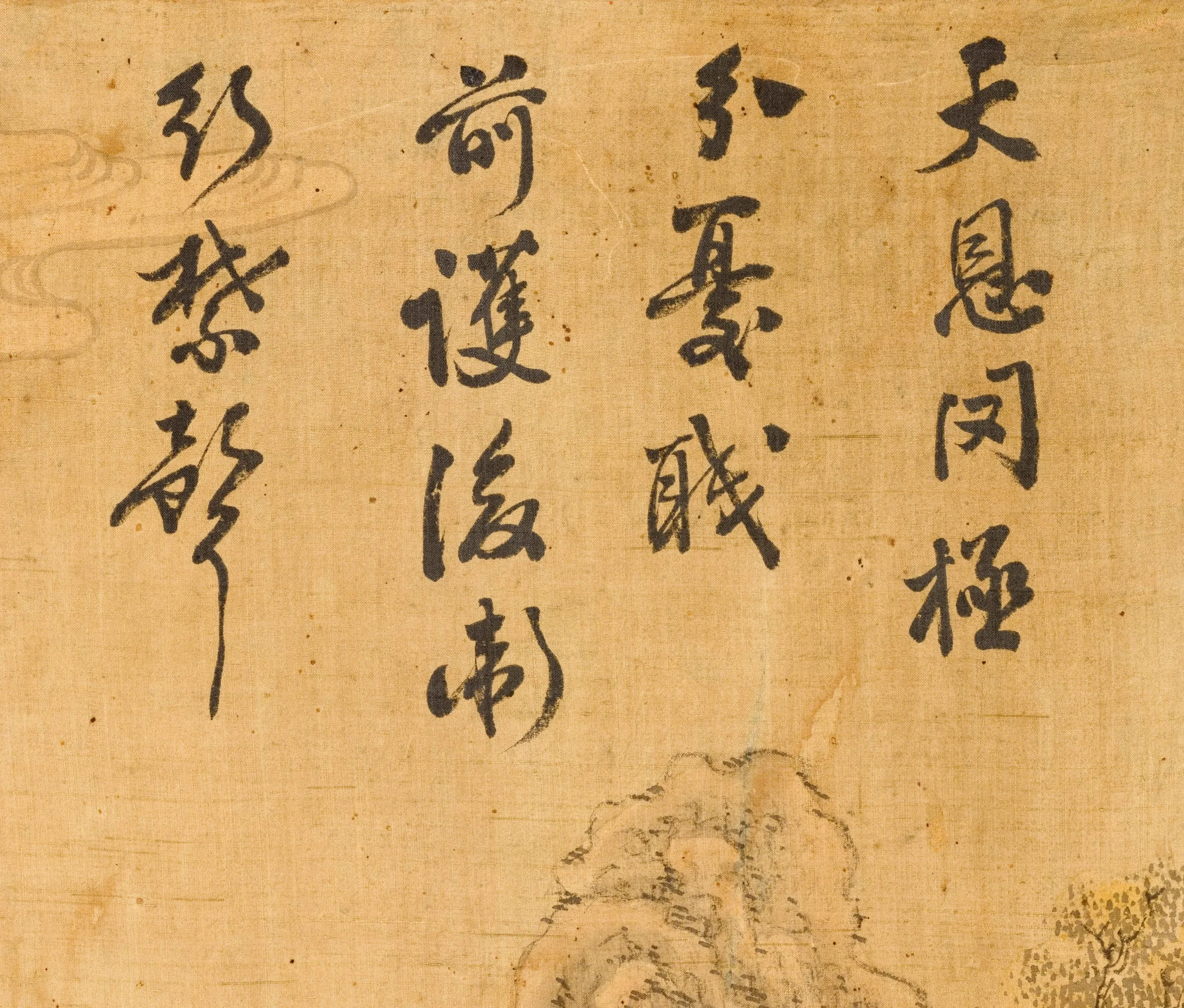
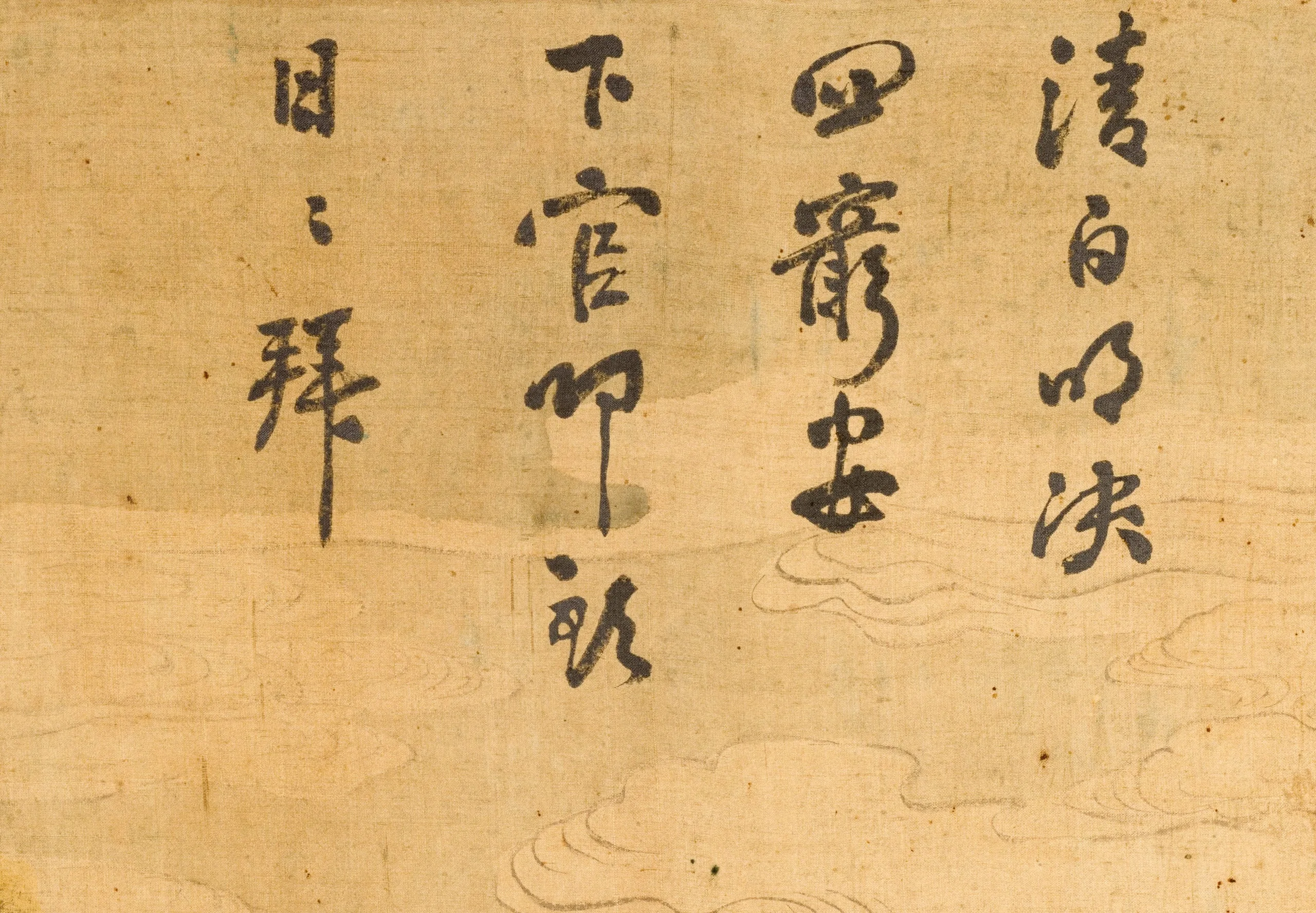
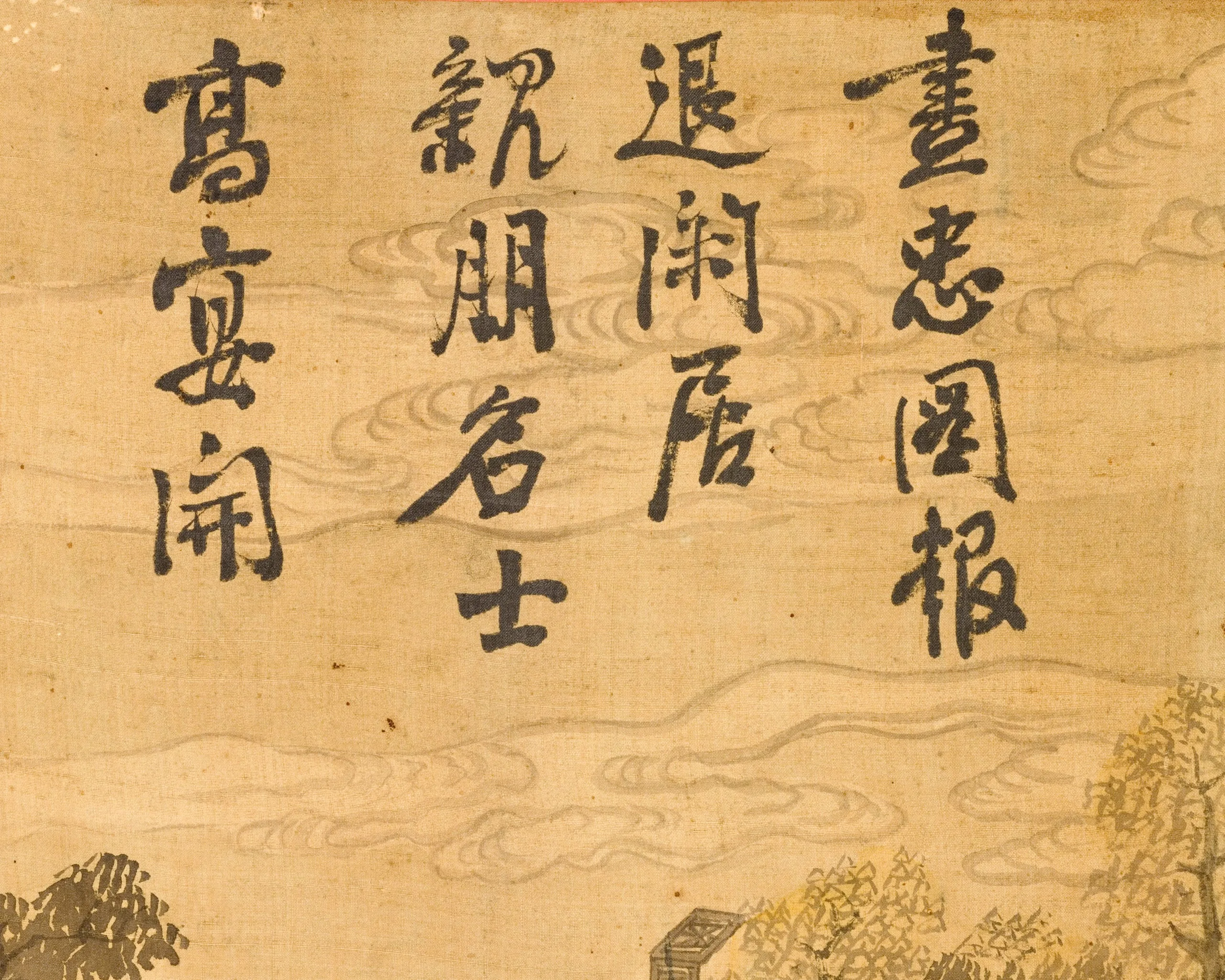
The LACMA screen not only depicts a scholar-official but also reflects the values of his class. It is painted primarily in ink, unlike many folk paintings produced by professional artists, who usually applied color for decorative purposes. LACMA’s painting also depicts the background in great detail, including realistic representations of buildings and architecture, which provide clues to the date of the artwork. For example, the style of brick house illustrated on the third panel was introduced to Korea during the early nineteenth century from China (det. 1). The entrance gate seen on the sixth panel is the main gate of Gyeongbok Palace, which was renovated in 1867 (det. 2). This view of the entrance includes two auspicious animals (Haetae) and a set of three doors (the middle one reserved for the king), which were features added during the renovation, confirming that the painting was executed during the final decades of the nineteenth century or later.
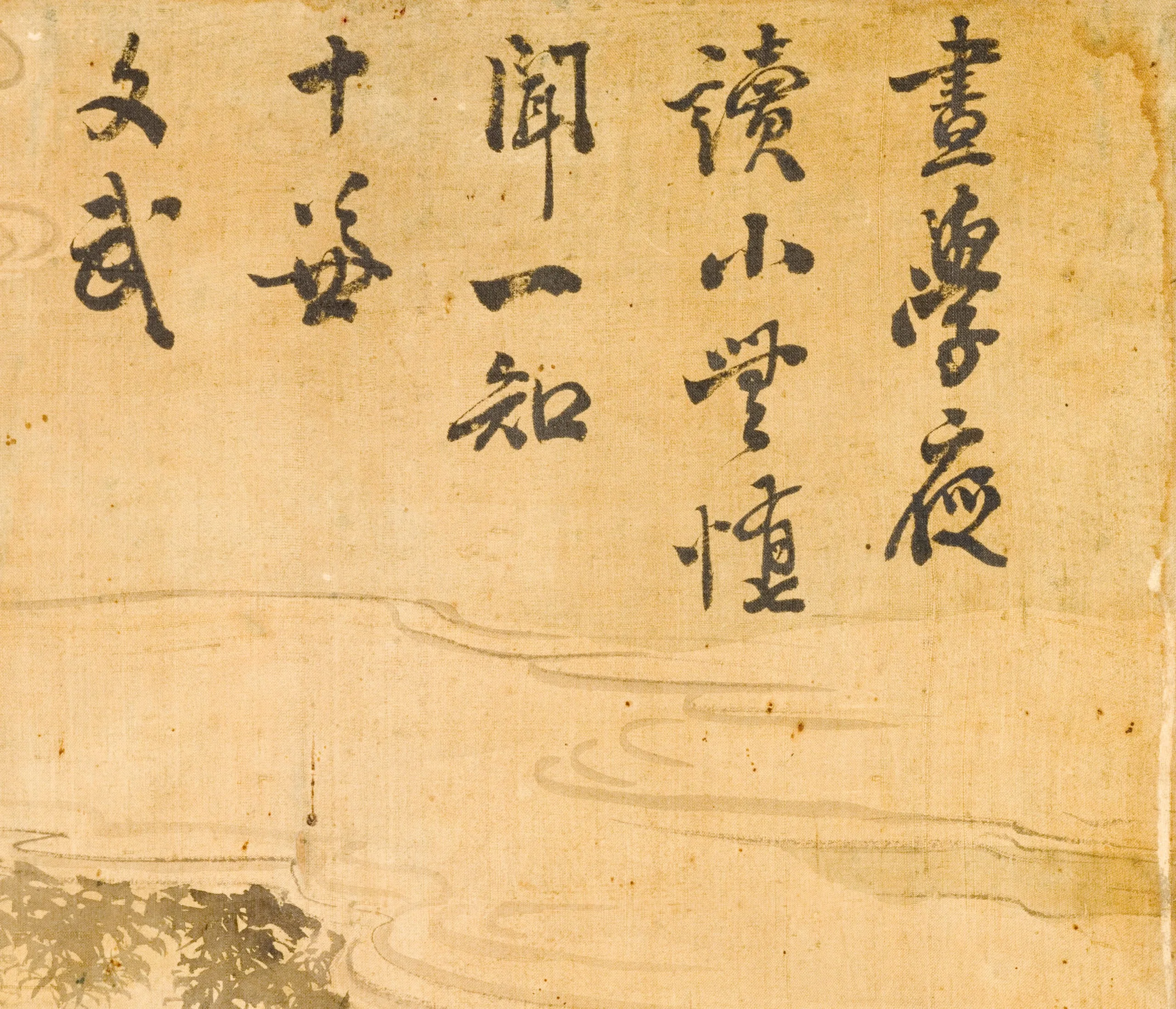
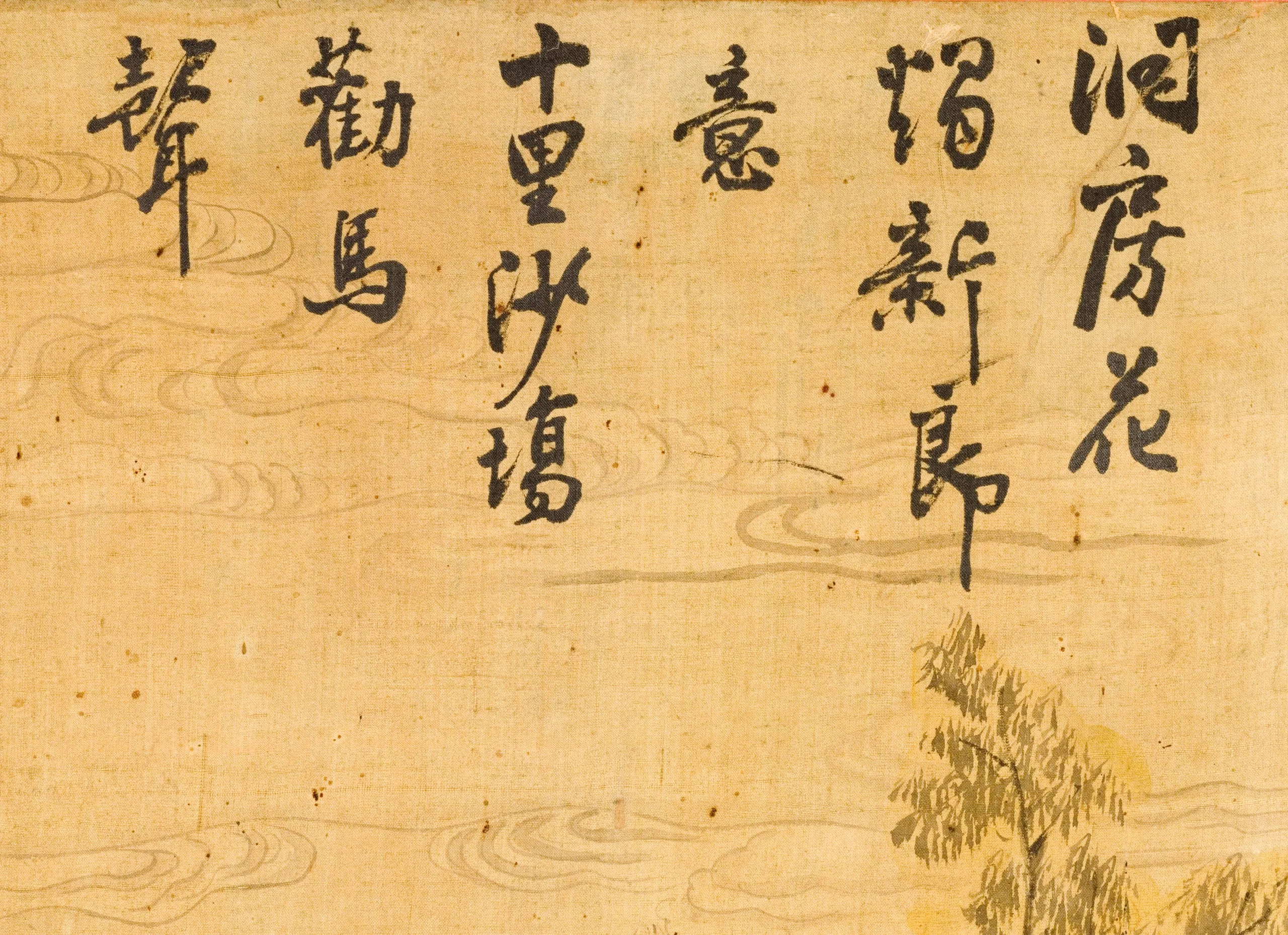
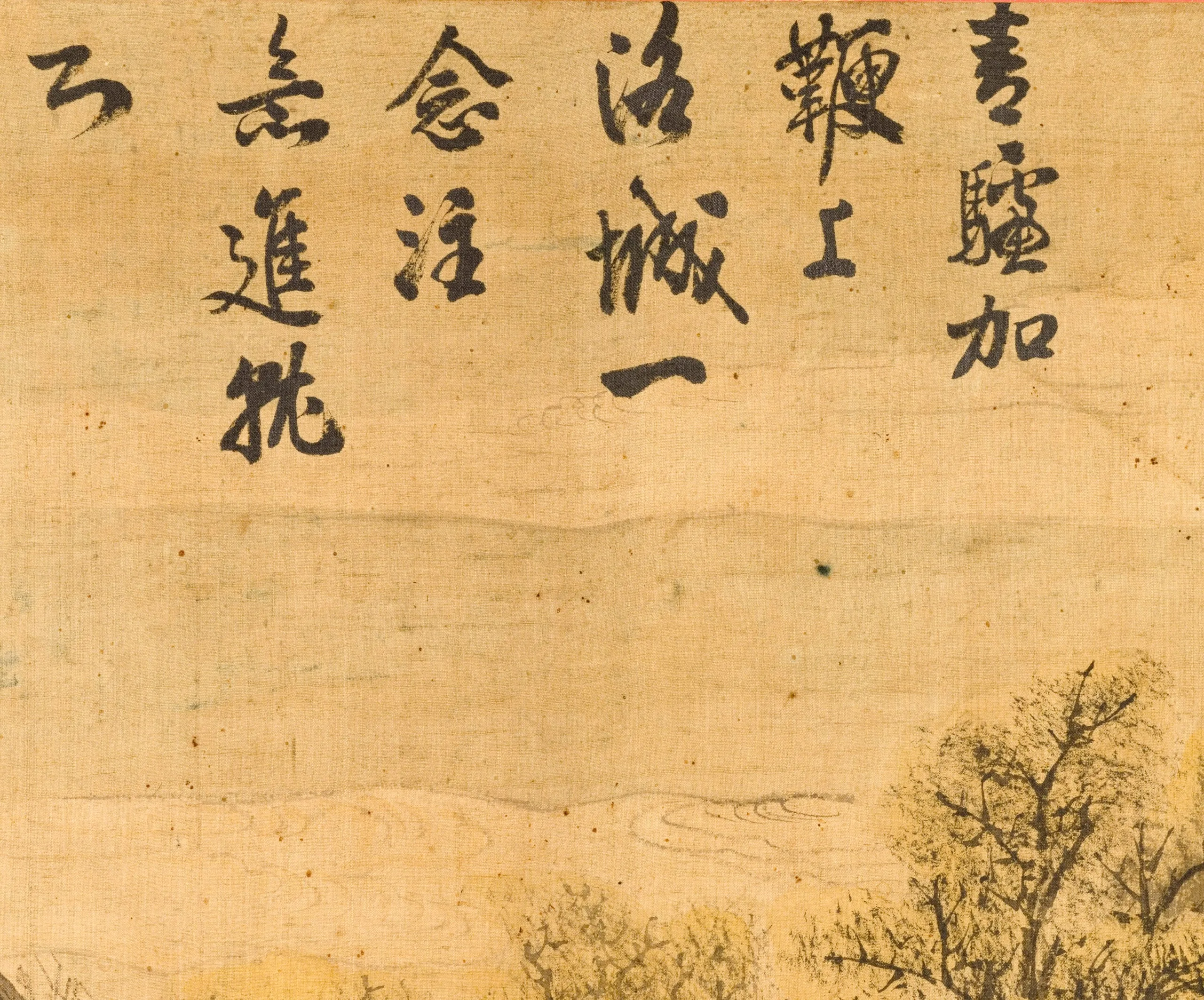
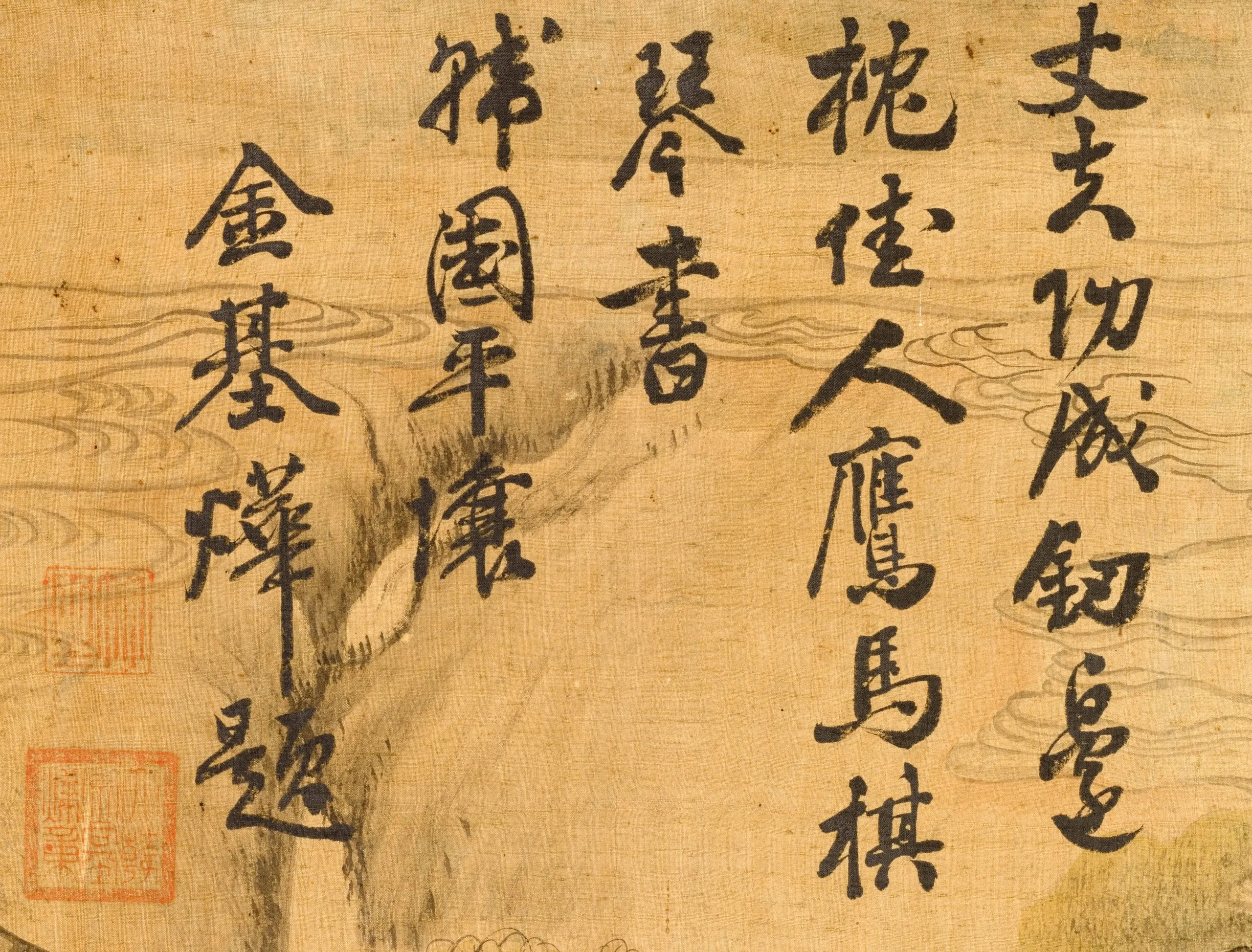
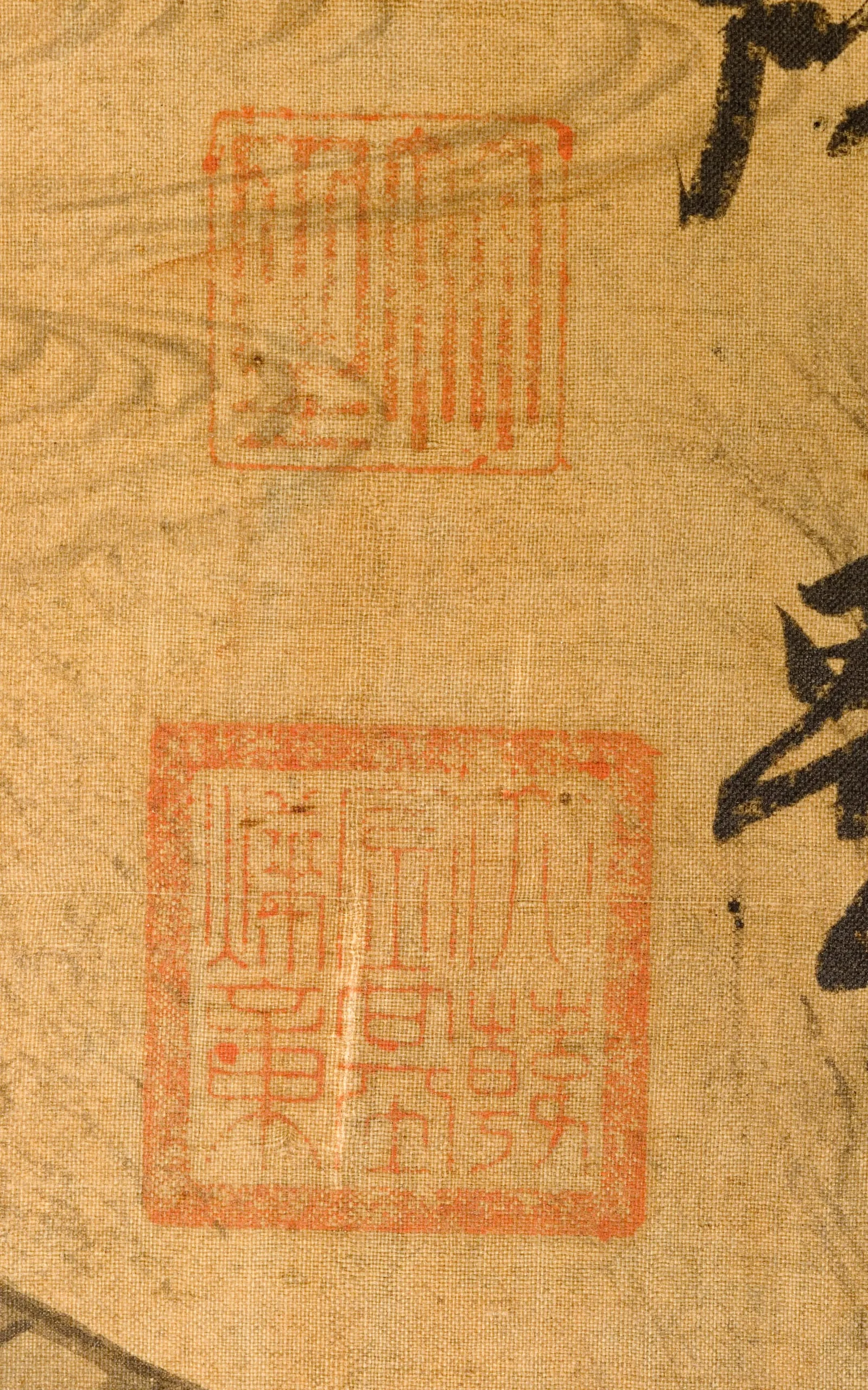
The inscription by and signature of Kim Giyeop also aid in determining the screen’s date, because the artist signed the last panel, “Inscribed by Kim Giyeop from Hanguk Pyongyang” (det. 3). Korea was called Hanguk, or “Daehan Jeguk,” for a very short time, from 1897 to 1910, during the Republican Period. It is also recorded that Kim Giyeop was in Pyongyang in 1896 and participated in a tax claim request to the court.[3]
The style of the painting also suggests it was executed around the end of the nineteenth century. Unconstrained by the traditional format of the subject, the artist of LACMA’s screen has included many characteristics of late-nineteenth-century style. For example, the figures in this painting are similar to those of Yu Jungeun (1860-1920), a representative genre painter of the time. The narrow size of the panels also suggests that the screen was created during this period. Painted in great detail and with a strong narrative quality, this late screen celebrating the ideal life of a man is closely related to the folk paintings depicting daily life that were so popular at the time.
Footnotes
[1] For a general discussion of this genre in the nineteenth century, see Choi Seonghi, “Studies on Nineteenth-Century Paintings of Life of a Man [Sipgusaegi pyeongsaengdo yongu],” Misulsahak 16 (Seoul, 2002), 79-110.
[2] For more illustrations of paintings of this genre, see National Museum of Korea, Genre Paintings of Joseon Dynasty [Joseon sidae pungsokhwa] (Seoul: National Museum of Korea, 2002), 88-113.
[3] See the original document, now in the Seoul National University Gyujanggak Library, Compilation of Government Records [Gaksadeungrok geundae pyeon], 1.