LACMA

ShopMembershipMyLACMATickets
LACMA
Los Angeles County Museum of Art
5905 Wilshire Blvd.
Los Angeles, CA 90036
info@lacma.org
(323) 857-6000
Sign up to receive emails
Subscribe
© Museum Associates 2025

Museum Hours

Monday

11 am–6 pm

Tuesday

11 am–6 pm

Wednesday

Closed

Thursday

11 am–6 pm

Friday

11 am–8 pm

Saturday

10 am–7 pm

Sunday

10 am–7 pm


  • About LACMA
  • Jobs
  • Building LACMA
  • Host An Event
  • Unframed
  • Press
  • FAQs
  • Log in to MyLACMA
  • Privacy Policy
© Museum Associates 2025
Collections

Unknown
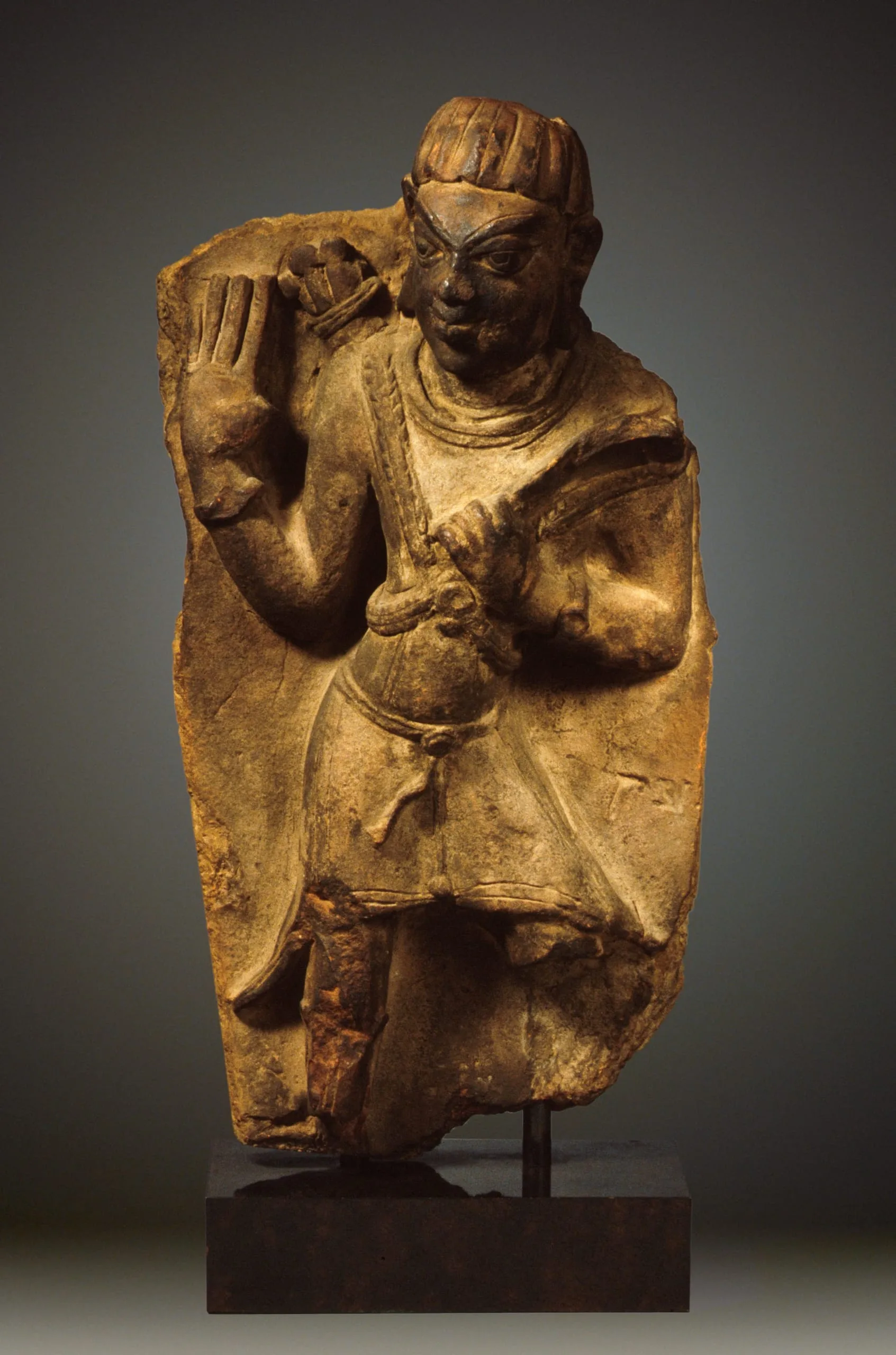
The Divine Hero Ramacirca 4th century

Not on view
Stone relief sculpture of a male figure with raised palm, wearing a collar and knotted sash, carved from a roughly broken buff-gray slab, mounted on a dark rectangular base
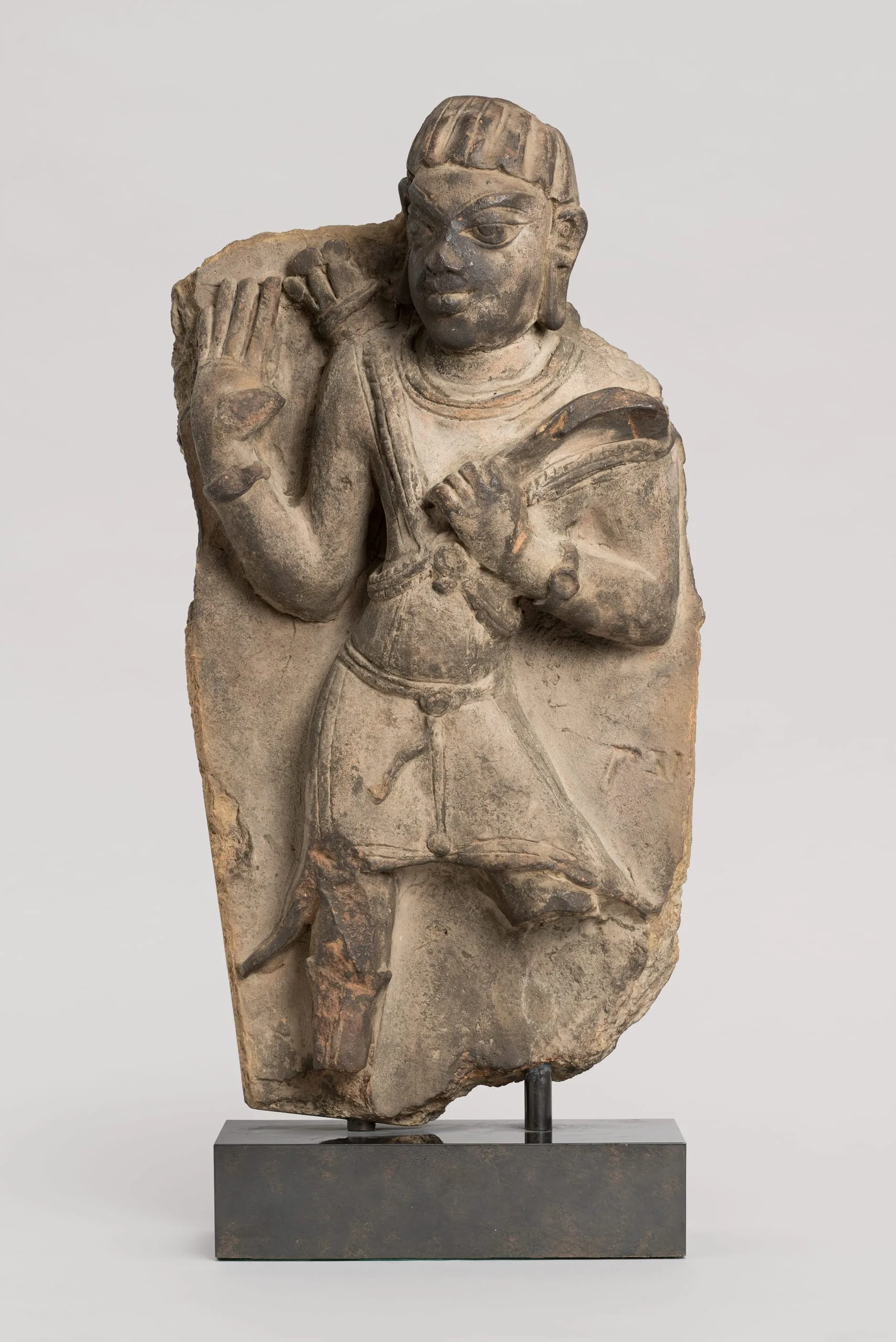
Stone relief fragment depicting a standing figure in high relief, one hand raised with palm outward, wearing jewelry and a layered garment with sash; weathered tan surface with rough, irregular edges at bottom and sides.
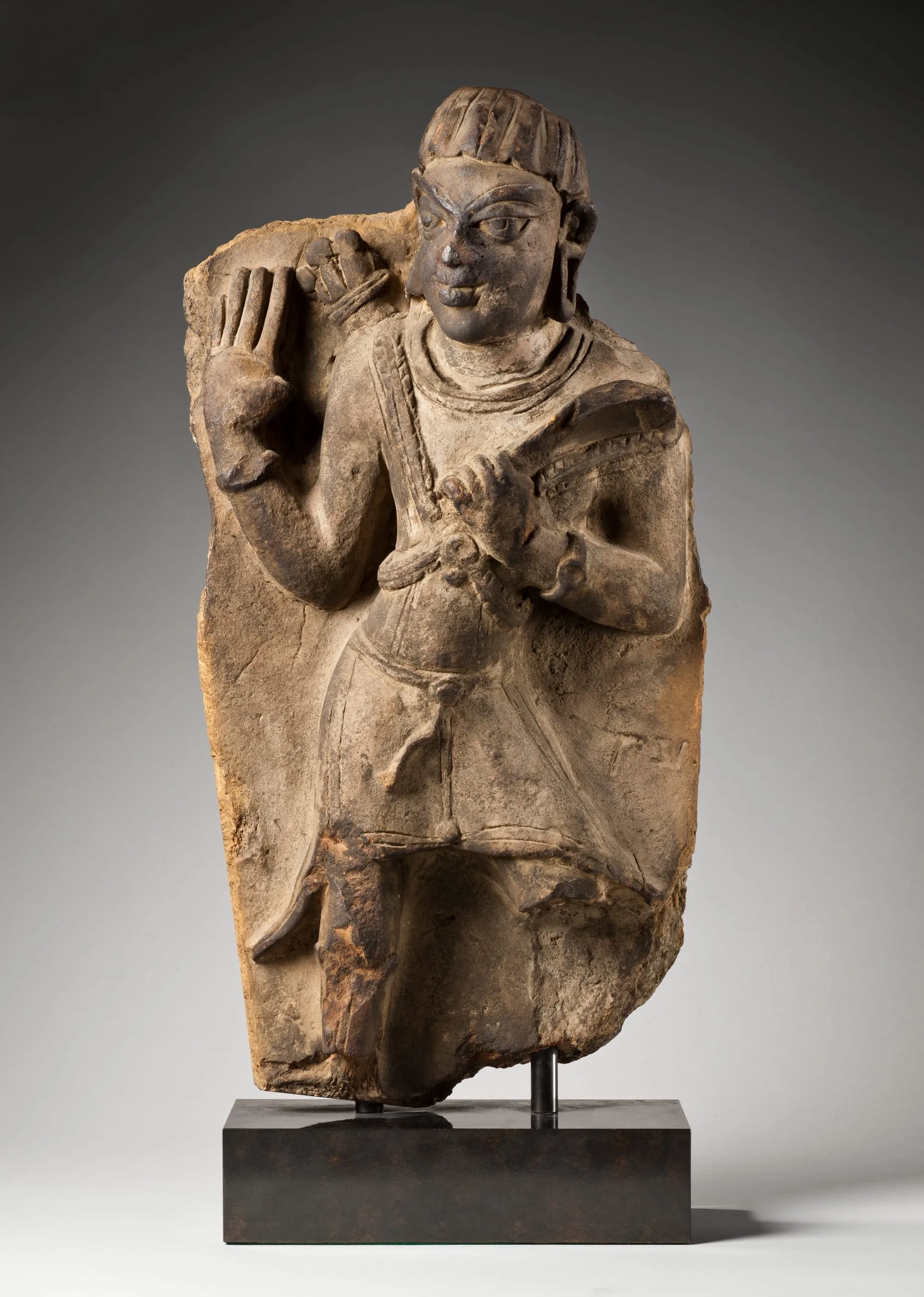
Stone relief fragment depicting a male figure in three-quarter stance, one hand raised and the other grasping a sword or staff, wearing a wrapped lower garment and headband, with expressive facial features and muscular torso rendered in high relief.
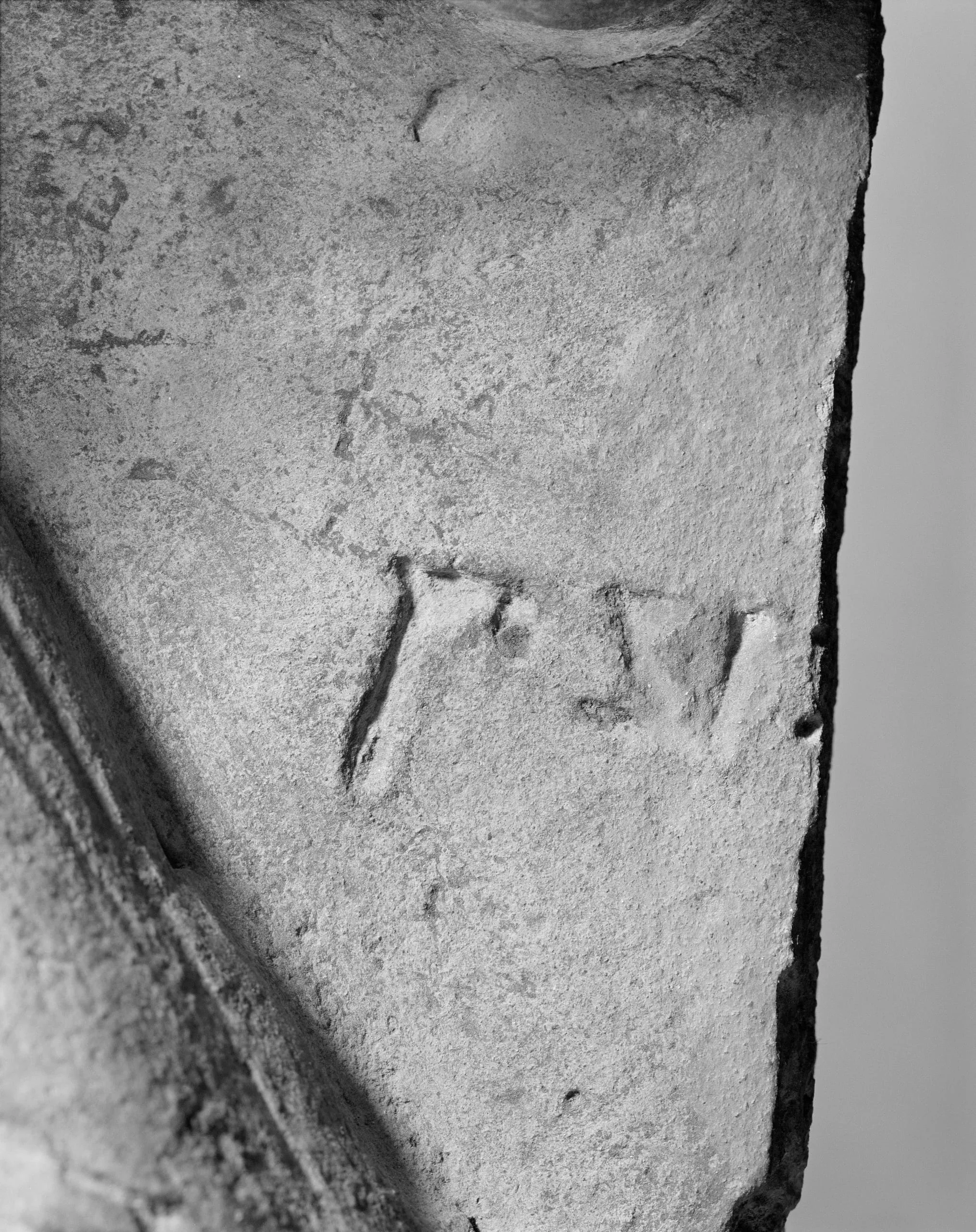
Gelatin silver print, close-up detail of a rough stone surface with incised letters reading "I.W." and faint additional markings above, photographed in raking light that emphasizes the texture of the carved inscription.
Artist or Maker
Unknown
Title
The Divine Hero Rama
Place Made
India, Uttar Pradesh (?)
Date Made
circa 4th century
Medium
Earthenware relief tile
Dimensions
18 1/2 x 9 1/2 x 4 3/4 in. (46.99 x 24.13 x 12.07 cm)
Credit Line
Gift of Marilyn Walter Grounds
Accession Number
M.83.221.6
Classification
Sculpture
Collecting Area
South and Southeast Asian Art
Curatorial Notes

Rama, the seventh avatar (incarnation) of Vishnu, the Hindu god of preservation, epitomizes righteousness and caste duty (dharma) in traditional Hindu culture. He is the protagonist of the Ramayana (Adventures of Rama), dating from the 4th century BCE–2nd century CE and traditionally ascribed to the celebrated poet-sage Valmiki. The Ramayana narrates the epic saga of the valiant Prince Rama and his dutiful wife, Princess Sita, who was abducted by Ravana, the arrogant ten-headed Demon King of Lanka (probably modern Sri Lanka), during Rama's unjust fourteen-year forest exile from his capital of Ayodhya, Uttar Pradesh. To rescue Sita, Rama and his faithful brother Lakshmana assembled a great army of monkeys and bears led by the Monkey-King Sugriva and his Monkey-General Hanuman. After several magical battles, Sita was freed, and the couple triumphantly returned home to rule their kingdom.

Rama is portrayed here as an archer warrior wearing a royal tunic and cross belt (chanavira). His right hand is held in the ‘fear-not’ gesture (abhaya mudra). His left hand grasps the remanent of his bow. He is identified as Rama by an inscribed inscription in late Brahmi script of the 3rd–4th century. Attributed to the circa 4th century, this is believed to the earliest extant definitive representation of Rama. See Parul Pandya Dhar, “Epic Visions in Terracotta, Stone, and Stucco: Ramayaṇa in Indian Sculpture (Beginnings to 8th Century CE),” in Parul Pandya Dhar, ed., Connected Histories of India and Southeast Asia: Icons, Narratives, Monuments (New Delhi: Sage Publications, 2023), pp. 136-137, fig. 7.5.
Selected Bibliography
  • Pal, Pratapaditya. Icons of Piety, Images of Whimsy: Asian Terra-cottas from the Walter Grounds Collection. Los Angeles: Los Angeles County Museum of Art, 1987.
  • Pal, Pratapaditya. Indian Sculpture, vol.1. Los Angeles: Los Angeles County Museum of Art; University of California Press, 1986.
  • Yaldiz, M.; Lobo, W., eds. Investigating Indian Art. Berlin: Museum fur Indische Kunst, 1987.