LACMA

ShopMembershipMyLACMATickets
LACMA
Los Angeles County Museum of Art
5905 Wilshire Blvd.
Los Angeles, CA 90036
info@lacma.org
(323) 857-6000
Sign up to receive emails
Subscribe
© Museum Associates 2026
  • About LACMA
  • Jobs
  • Building LACMA
  • Host An Event
  • Unframed
  • Press
  • FAQs
  • Log in to MyLACMA
  • Privacy Policy
© Museum Associates 2026
Collections

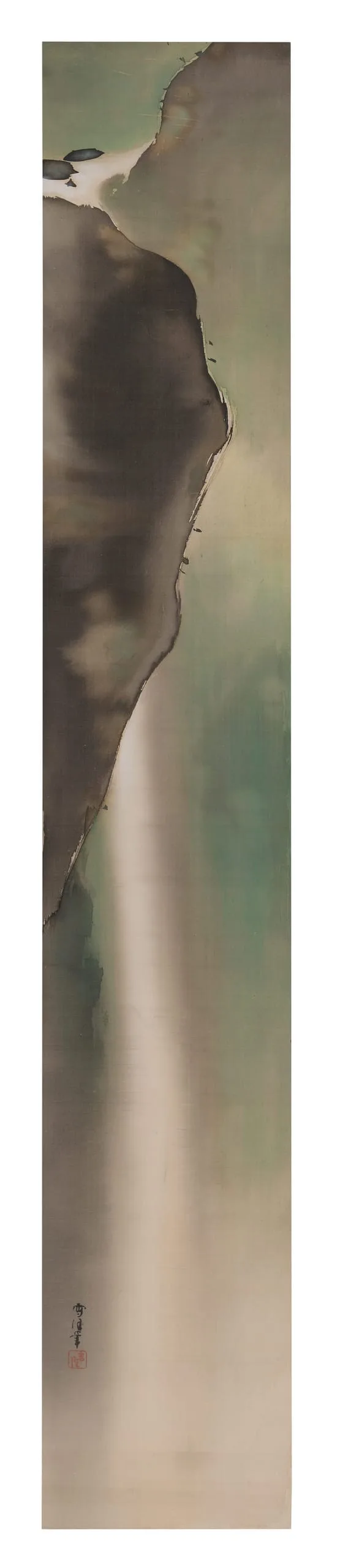
Kamisaka Sekka
Waterfall in Summerearly 20th century

On view:
Geffen Galleries, Japan: Living Landscapes, Flowing Waters
Tall, narrow hanging scroll or painting of a waterfall cascading from a dark, curving cliff edge, rendered in soft gray-brown and sage green washes with a pale cream column of falling water
Hanging scroll, ink and color on silk, depicting a tall waterfall descending from dark rocky cliffs into pale mist below, with a small standing figure at the base rendered in fine detail against the towering cascade
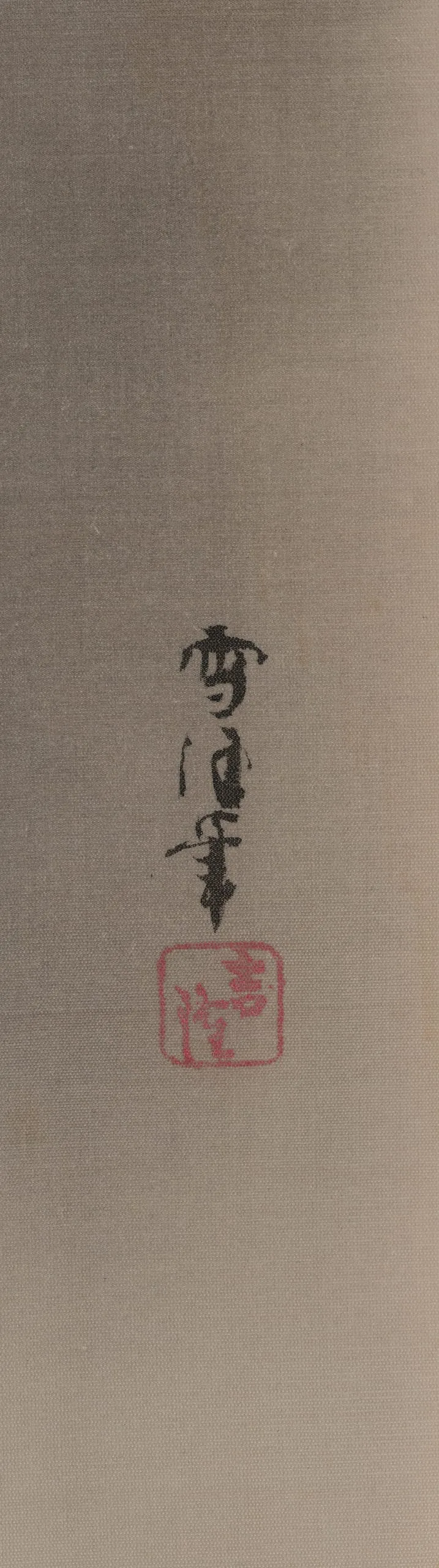
Detail of a hanging scroll showing a vertical column of Japanese or Chinese calligraphy in black ink above a red square seal stamp, on pale beige silk or paper.

Kamisaka Sekka, Waterfall in Summer, early 20th century, Los Angeles County Museum of Art, Purchased with funds provided by Sir and Lady David Bruce Duncan, Edwin Janss, and Mr. and Mrs. Harvey S. Dye, Photo © Museum Associates/LACMA, by Jonathan Urban

Artist or Maker
Kamisaka Sekka
Japan, 1866-1942
Title
Waterfall in Summer
Place Made
Japan
Date Made
early 20th century
Medium
hanging scroll; ink and colors on silk
Dimensions
Image: 45 7/8 x 7 7/8 in. (116.5 x 20.0 cm); Mount: 75 1/2 x 10 1/4 in. (191.8 x 26.0 cm)
Credit Line
Purchased with funds provided by Sir and Lady David Bruce Duncan, Edwin Janss, and Mr. and Mrs. Harvey S. Dye
Accession Number
AC1998.51.1
Classification
Paintings
Collecting Area
Japanese Art
Curatorial Notes

Kamisaka Sekka is considered the last great artist of the Rinpa (Rimpa) School, a pictorial tradition associated with painter and designer Ogata Kōrin (1658–1716). Quintissential Rinpa techniques—ink and pigment dropped on a moist ground (tarashikomi), indistinct contour lines, and rich, subtle color—are here extremely effective in evoking a waterfall in a lush environment. Sekka once noted that, although many themes and techniques of Japanese painting derived from Chinese and later European models, Rinpa aesthetics alone were, in his view, homegrown.