Attributed to Mir Kalan KhanA Princess Visiting a Forest Shrine at Nightcirca 1760
Not on view
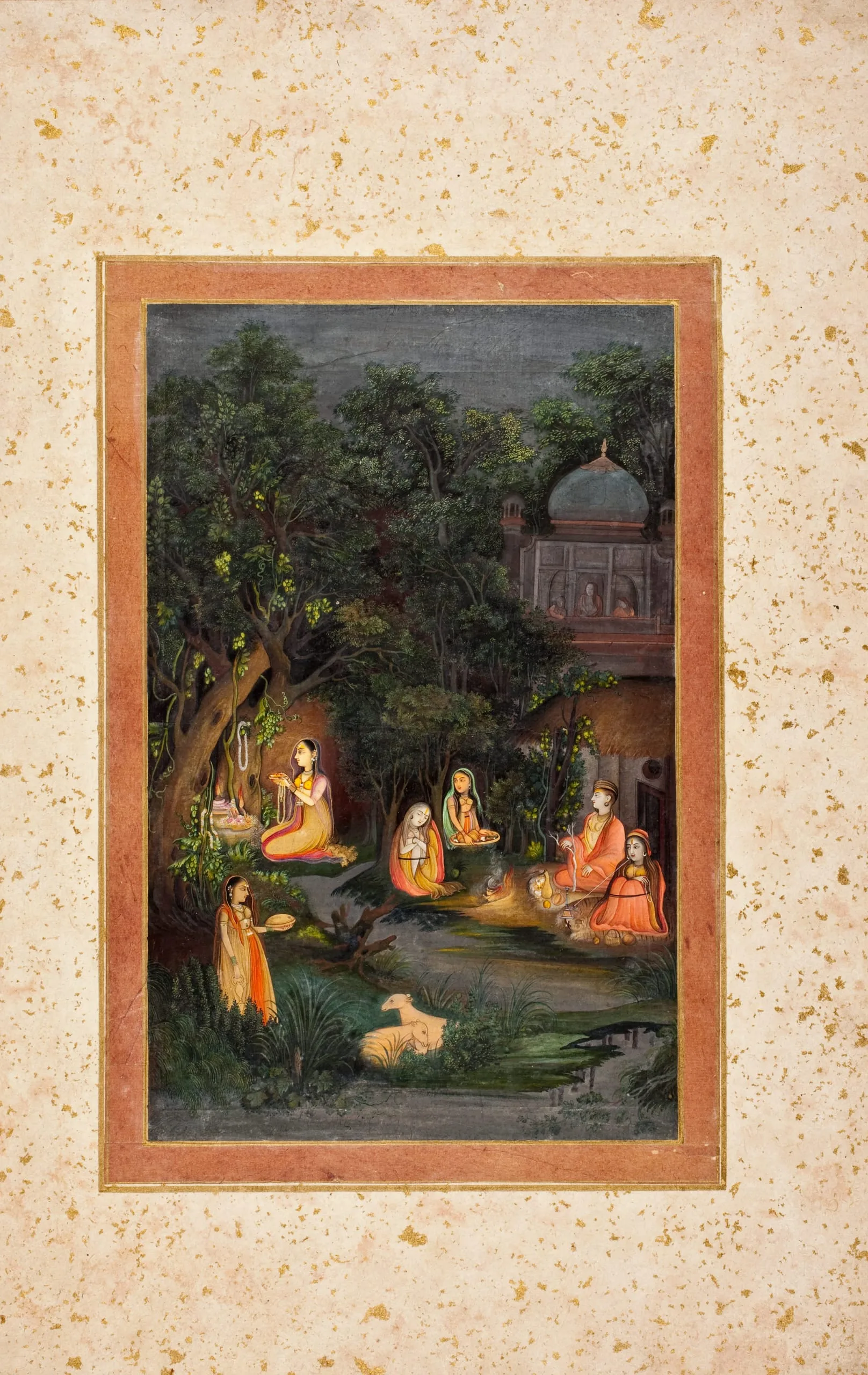
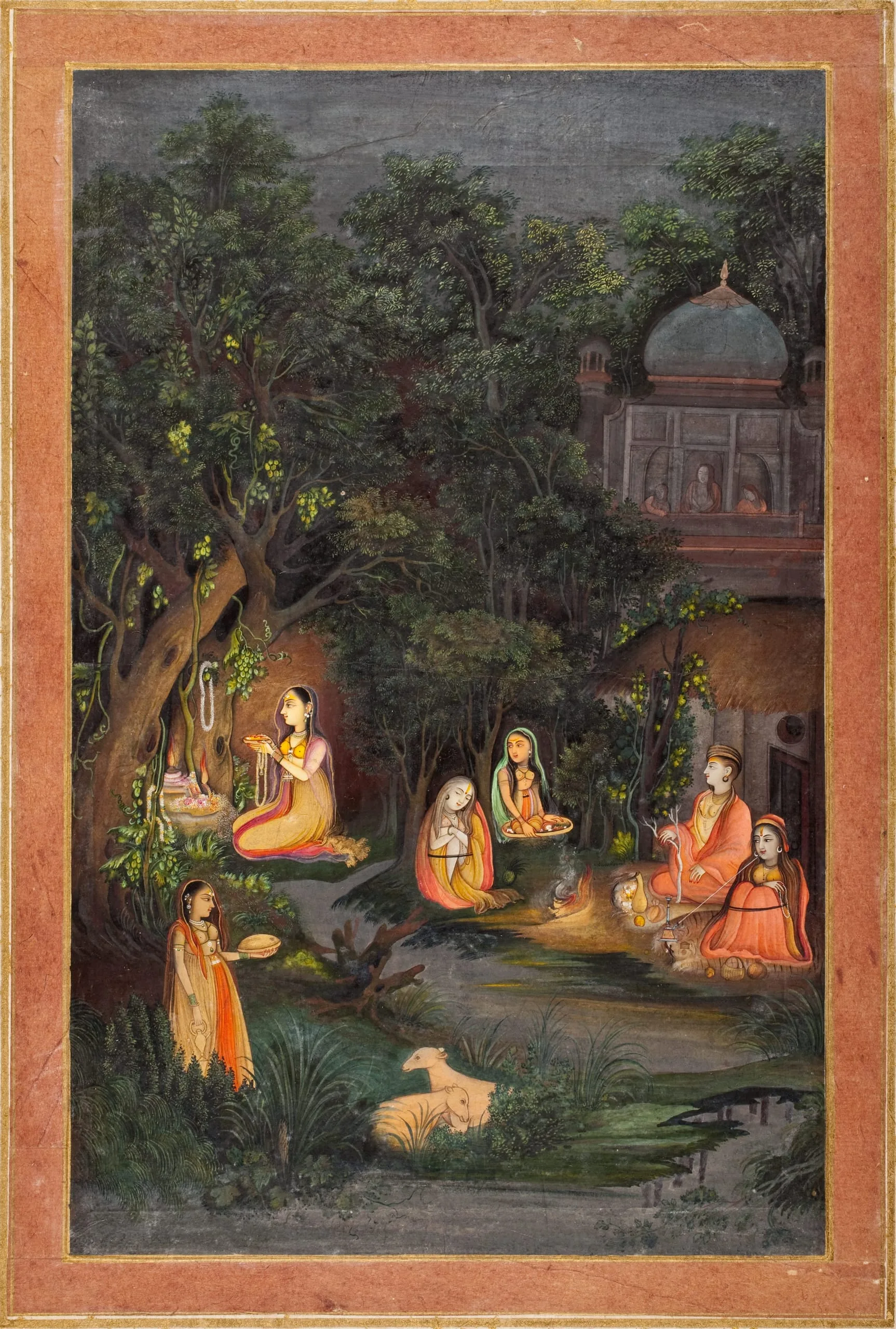
Attributed to Mir Kalan Khan, A Princess Visiting a Forest Shrine at Night, circa 1760, Los Angeles County Museum of Art, Purchased in memory of Emeritus Professor Roy C. Craven, Jr. with funds provided by the Southern Asian Art Council, Stephen Markel, Lorna Andreae Craven, Pierre Andreae, Jay and Kathleen Craven, Ruth and Bill Beesch, Mark Zebrowski and John Robert Alderman, R. and Dharini Charudattan, Austin B. Creel, Herbert H. Luke, Stephen Barry, Myra L. Engelhardt and Lawrence E. Malvern, Toby Falk, Claire and Earl Hale, Janice Leoshko, John and Thanomchit Listopad, Carlotta and Peter NeSmith, John F. Scott,Walter and Nesta Spink, Charles Gleaves, B.N. Goswamy, John L. Ward, Marjorie and Paul Burdick, Kenneth and Sarah Kerslake, Diane Maxwell, Arthur Funk, Barbara A. Purdy, Hiram and Avonell Williams, Mary Jeanette Householder, Irmgard Johnson, an anonymous donor, and the South and Southeast Asian Acquisition Fund, photo © Museum Associates/LACMA