LACMA

ShopMembershipMyLACMATickets
LACMA
Los Angeles County Museum of Art
5905 Wilshire Blvd.
Los Angeles, CA 90036
info@lacma.org
(323) 857-6000
Sign up to receive emails
Subscribe
© Museum Associates 2026
  • About LACMA
  • Jobs
  • Building LACMA
  • Host An Event
  • Unframed
  • Press
  • FAQs
  • Log in to MyLACMA
  • Privacy Policy
© Museum Associates 2026
Collections

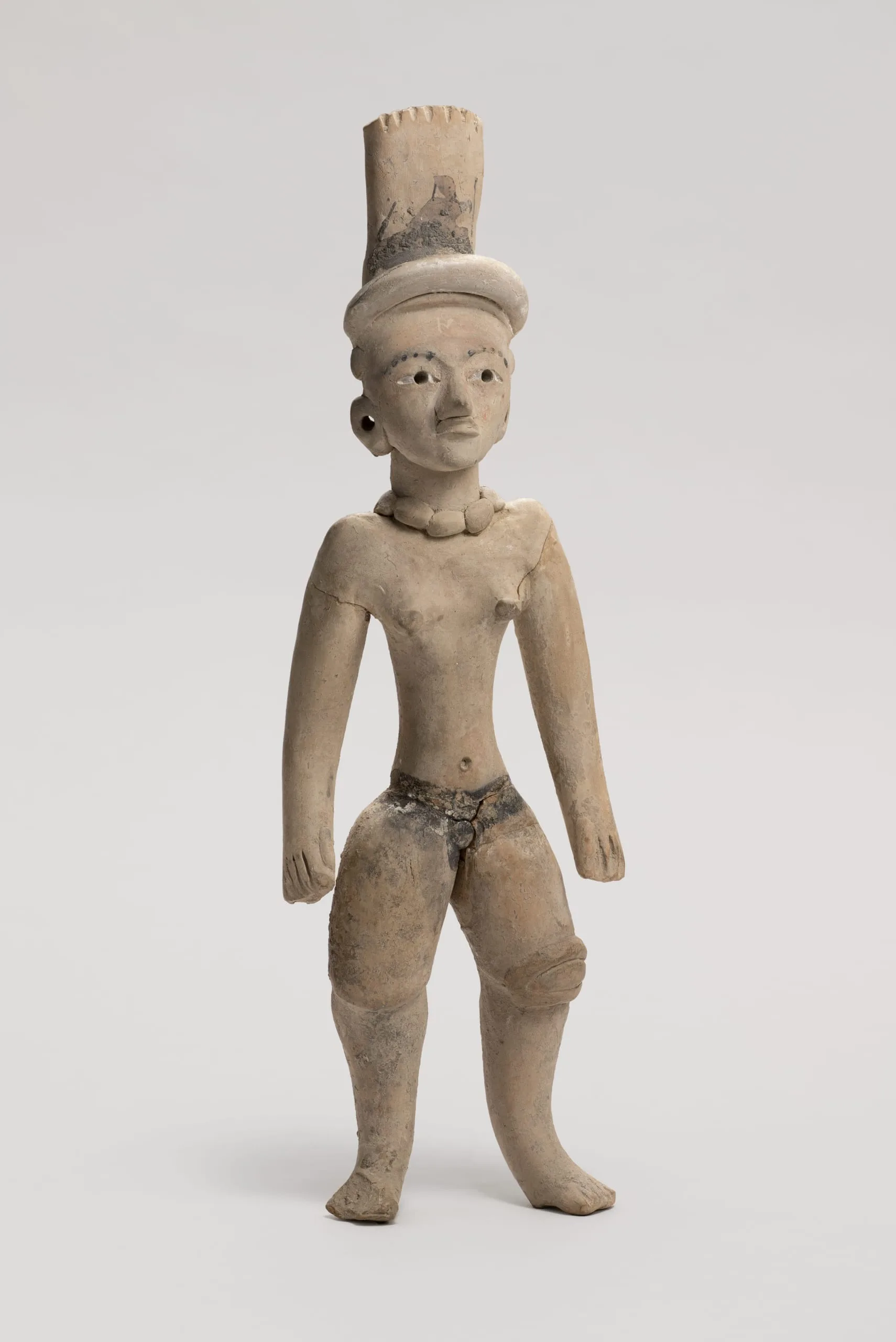
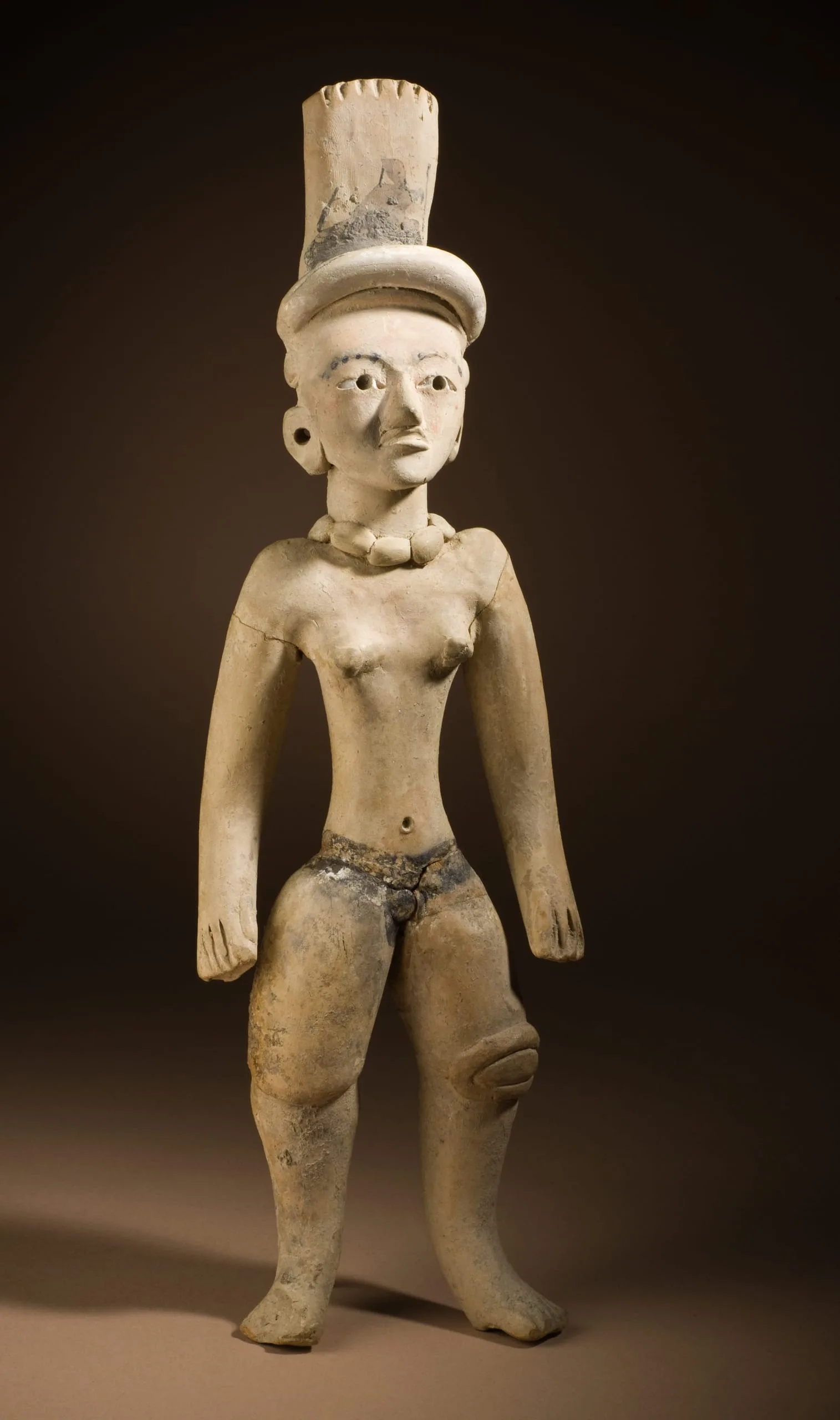
Woman Ballplayer600–900 CE

On view:
Geffen Galleries
Tan ceramic standing figure with tall notched headdress, bare torso, beaded necklace, and dark-pigmented loincloth, facing forward with arms at sides
Ceramic standing figure with cream-colored slip, wearing a tall flat headdress, bead necklace, and wrapped lower garment with traces of blue pigment; arms at sides, stylized facial features with circular ear ornaments.

Unknown, Female Ballplayer, 600–900 CE, Los Angeles County Museum of Art, Gift of the Art Museum Council in honor of the museum's twenty-fifth anniversary, photo © Museum Associates/LACMA

Title
Woman Ballplayer
Culture
Huastec
Place Made
Mexico, Northern Veracruz
Date Made
600–900 CE
Medium
Slip-painted earthenware
Dimensions
14 1/4 x 4 1/2 in. (36.195 x 11.43 cm)
Credit Line
Gift of the Art Museum Council in honor of the museum's twenty-fifth anniversary
Accession Number
M.90.168.48
Classification
Ceramics
Collecting Area
Art of the Ancient Americas
Curatorial Notes

Finely crafted Huastec figurines, generally found in funerary contexts, provide a glimpse into the ritual costuming associated with the ballgame. Here, the female player wears little clothing apart from a towering headdress, earspools, and a beaded necklace—all denoting her social status. Black paint around the groin area indicates a garment akin to sports briefs. Although the protective belt (yoke) is not depicted, as in other figures, the signature knee pad on her left unmistakably identifies her as a ballplayer.

The Mesoamerican ballgame was played on formal courts, which were composed of at least two parallel platforms. Players wore specialized gear to protect body parts when striking the solid rubber ball with the hip or the hand. They shielded their midsection with a large belt called a yugo (yoke) and wore knee pads for when they had to drop down to move the hip toward the ball. The ballgame was typically the domain of men, but in a few regions such as the Huasteca along the northern Gulf Coast of Mexico, where women were thought to hold equal political power, they also played the game.

Kim Richter

2025