LACMA

ShopMembershipMyLACMATickets
LACMA
Los Angeles County Museum of Art
5905 Wilshire Blvd.
Los Angeles, CA 90036
info@lacma.org
(323) 857-6000
Sign up to receive emails
Subscribe
© Museum Associates 2025

Museum Hours

Monday

11 am–6 pm

Tuesday

11 am–6 pm

Wednesday

Closed

Thursday

11 am–6 pm

Friday

11 am–8 pm

Saturday

10 am–7 pm

Sunday

10 am–7 pm


  • About LACMA
  • Jobs
  • Building LACMA
  • Host An Event
  • Unframed
  • Press
  • FAQs
  • Log in to MyLACMA
  • Privacy Policy
© Museum Associates 2025
Collections

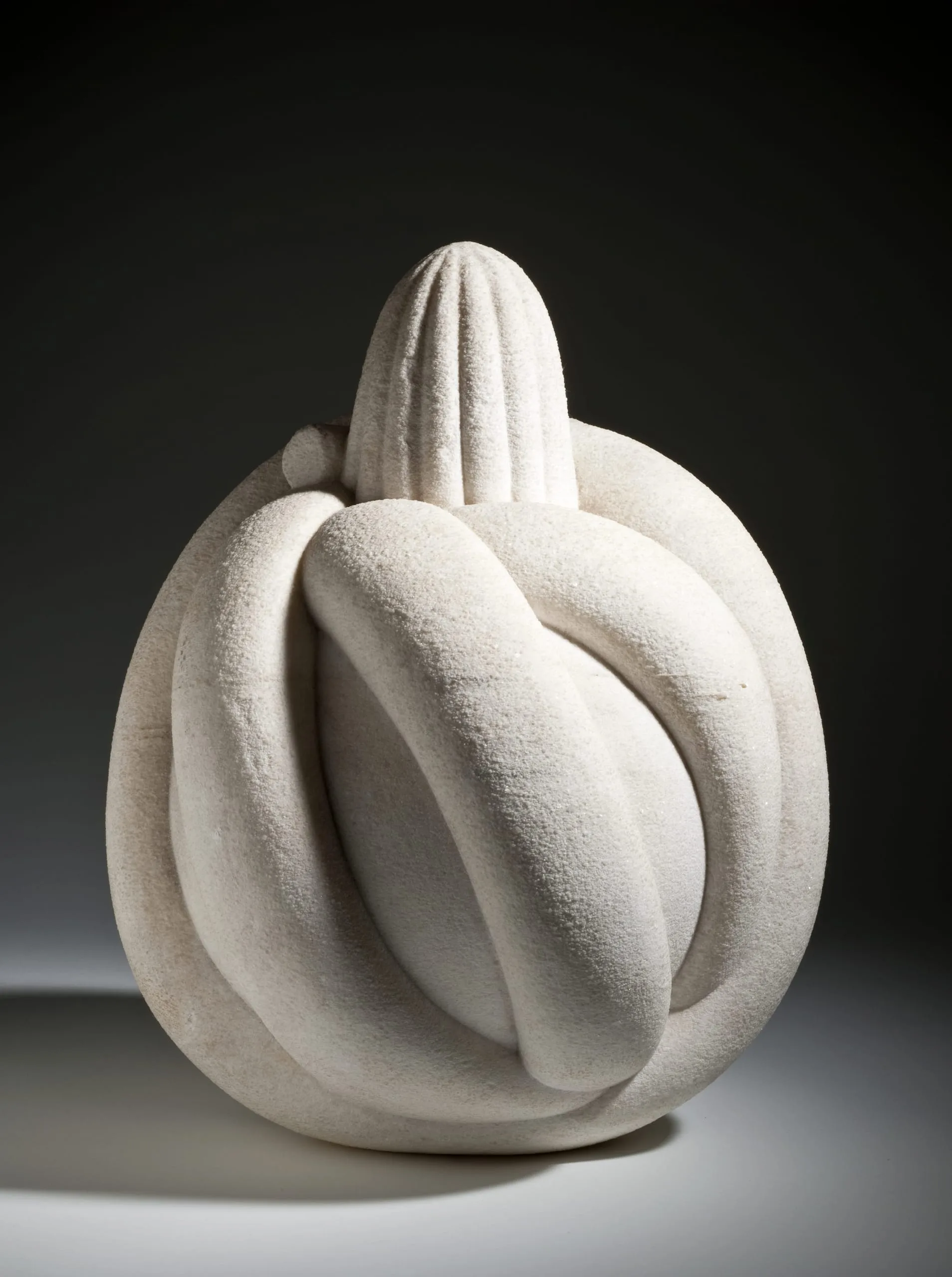
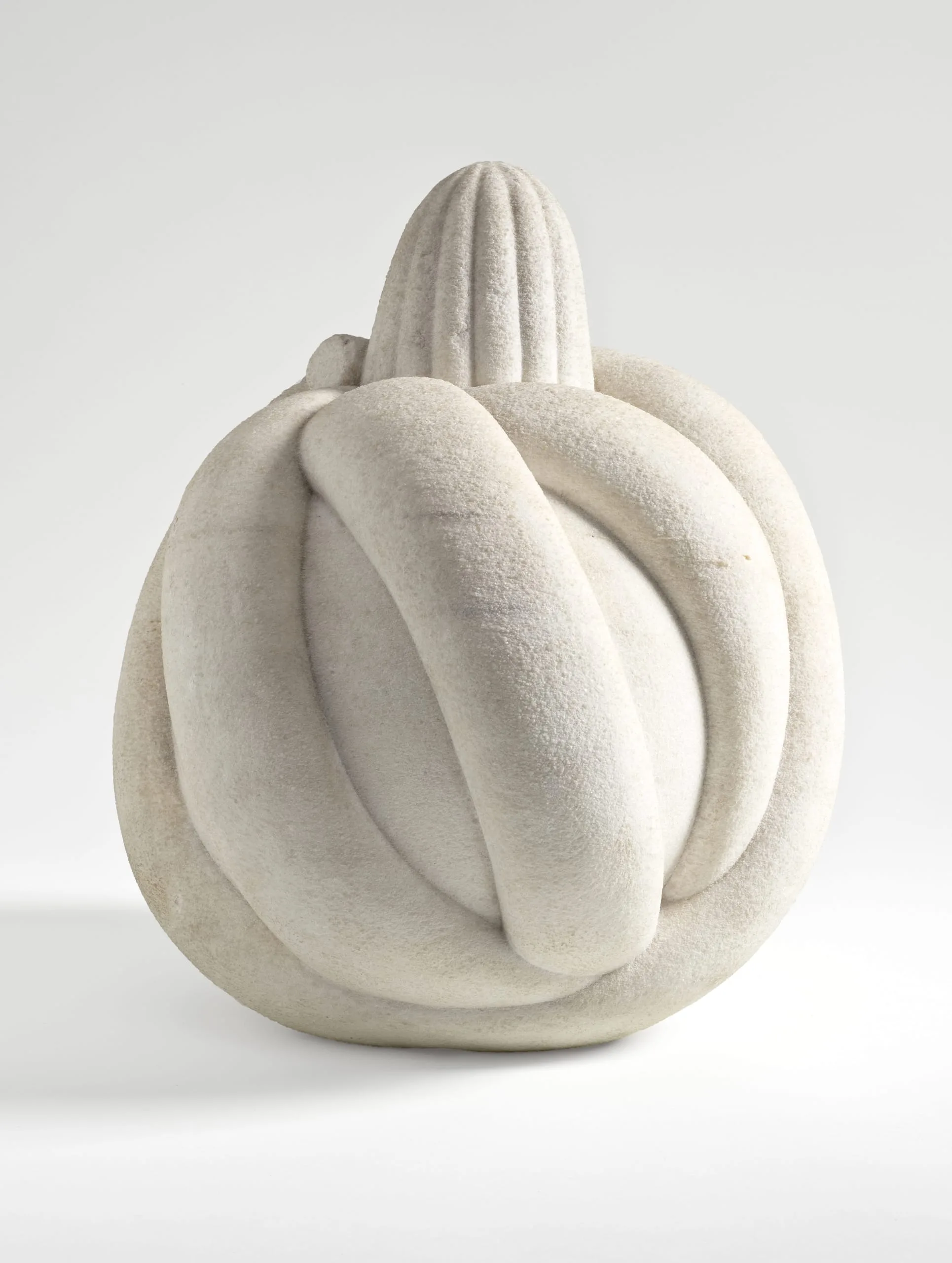
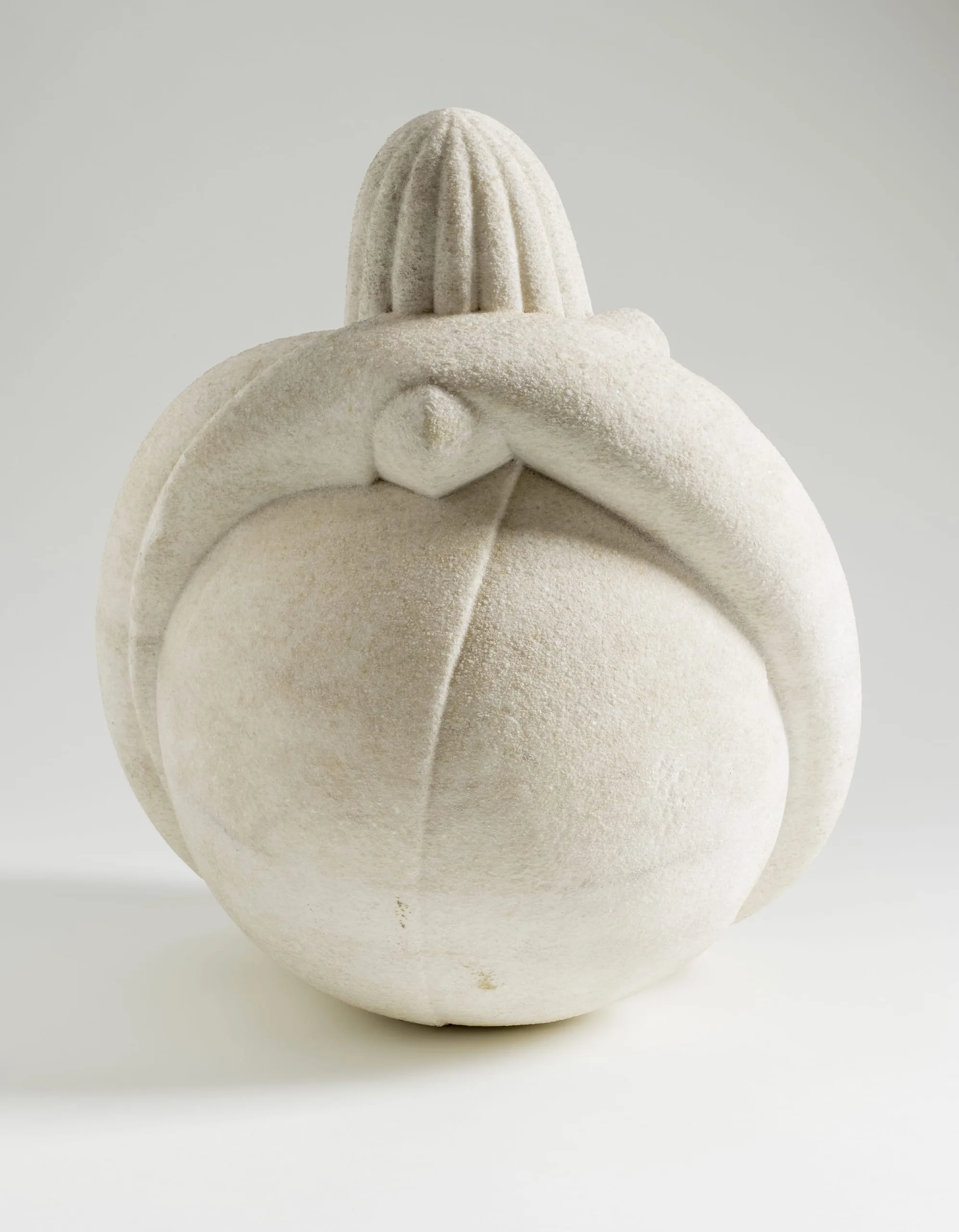
Headstone in the Form of a Turbanmid-16th century

Not on view
Stone sculpture with pale off-white surface, roughly spherical form with interlocking rope-like lobes wrapping the body and a cluster of ribbed finger-like protrusions at the top
White marble sculpture with a large rounded lower form, wrapped by a curved band with a central knot, topped by a small ribbed ovoid finial; matte, granular surface texture throughout.
Stone sculpture with a roughly textured white surface, composed of interlocking bulbous lobes that wrap and coil around a central ribbed form, rising to a pointed top against a dark gray background.
Title
Headstone in the Form of a Turban
Place Made
Turkey
Date Made
mid-16th century
Medium
Marble
Dimensions
16 9/16 x 12 9/16 in. (42.07 x 31.91 cm)
Credit Line
Gift of the 1992 Collectors Committee
Accession Number
AC1992.50.1
Classification
Stone
Collecting Area
Art of the Middle East: Islamic
Curatorial Notes

This carved Ottoman marble turban was once the headstone for the tomb of a member of the imperial Ottoman family or a high dignitary, such as a vizier. It would have been positioned at the head of a gable-topped stone bier most likely situated in a domed, open mausoleum, or it may have surmounted an inscribed tombstone. Ottoman society was rigidly structured, and all members of the civil, military, and religious establishments were identified by their headgear, an ordering that continued even in death: male tombs used stone representations of headgear to signal rank, while women were represented by carved flowers.
Selected Bibliography
  • Lo Terrenal y lo Divino: Arte Islámico siglos VII al XIX Colección del Museo de Arte del Condado de Los Ángeles. Santiago: Centro Cultural La Moneda, 2015.