LACMA

ShopMembershipMyLACMATickets
LACMA
Los Angeles County Museum of Art
5905 Wilshire Blvd.
Los Angeles, CA 90036
info@lacma.org
(323) 857-6000
Sign up to receive emails
Subscribe
© Museum Associates 2026
  • About LACMA
  • Jobs
  • Building LACMA
  • Host An Event
  • Unframed
  • Press
  • FAQs
  • Log in to MyLACMA
  • Privacy Policy
© Museum Associates 2026
Collections

Yue Fei
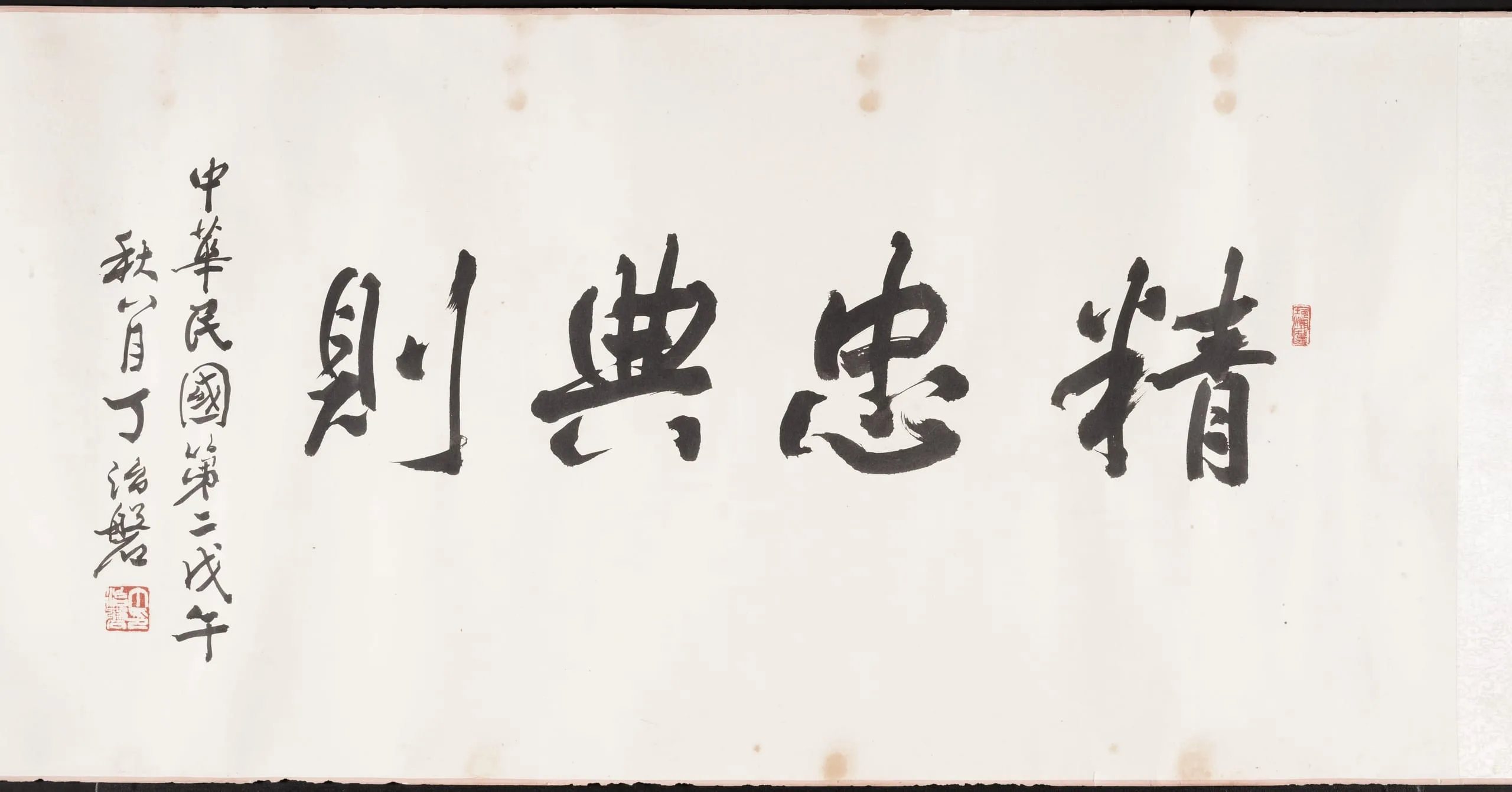
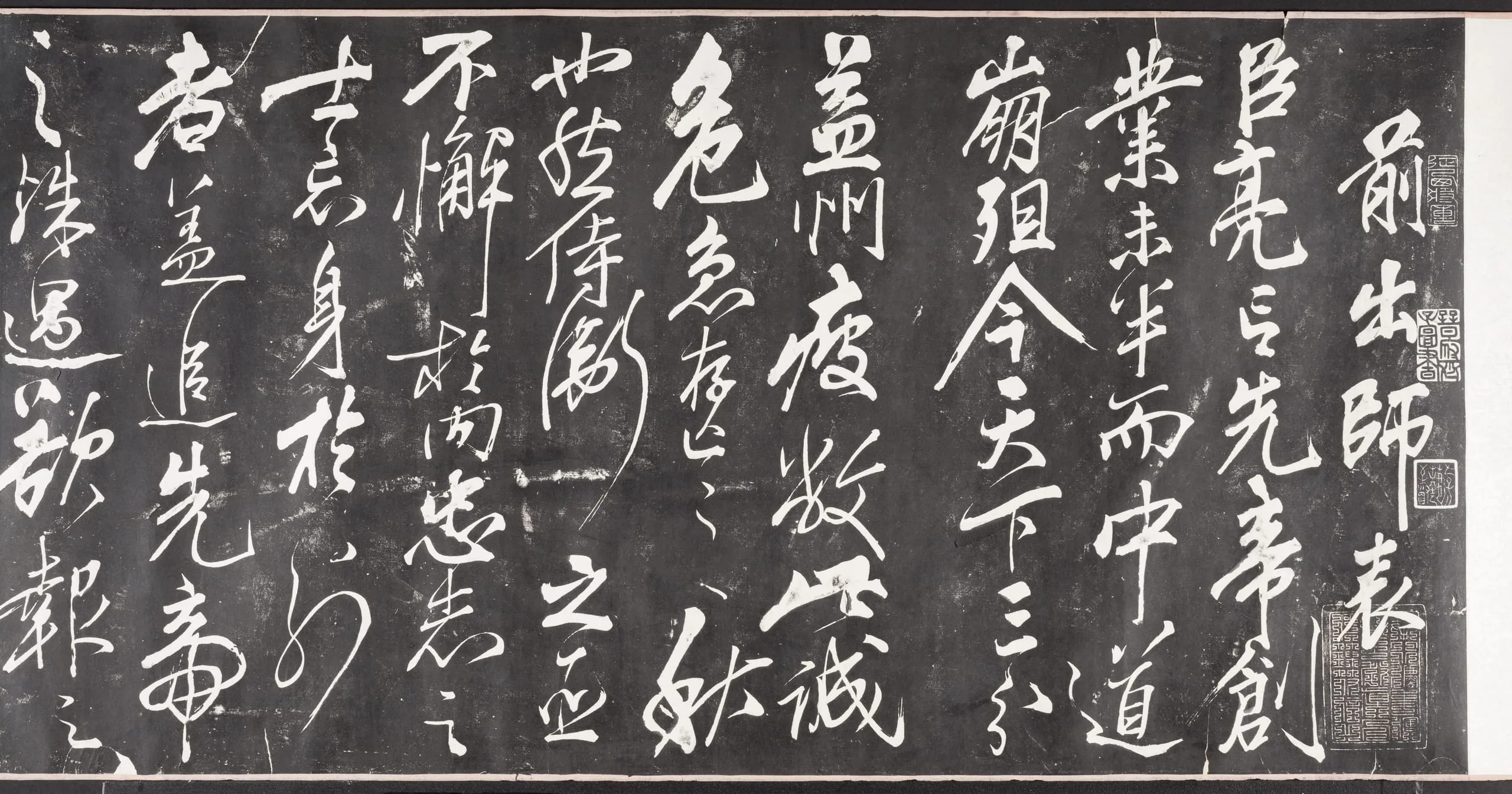
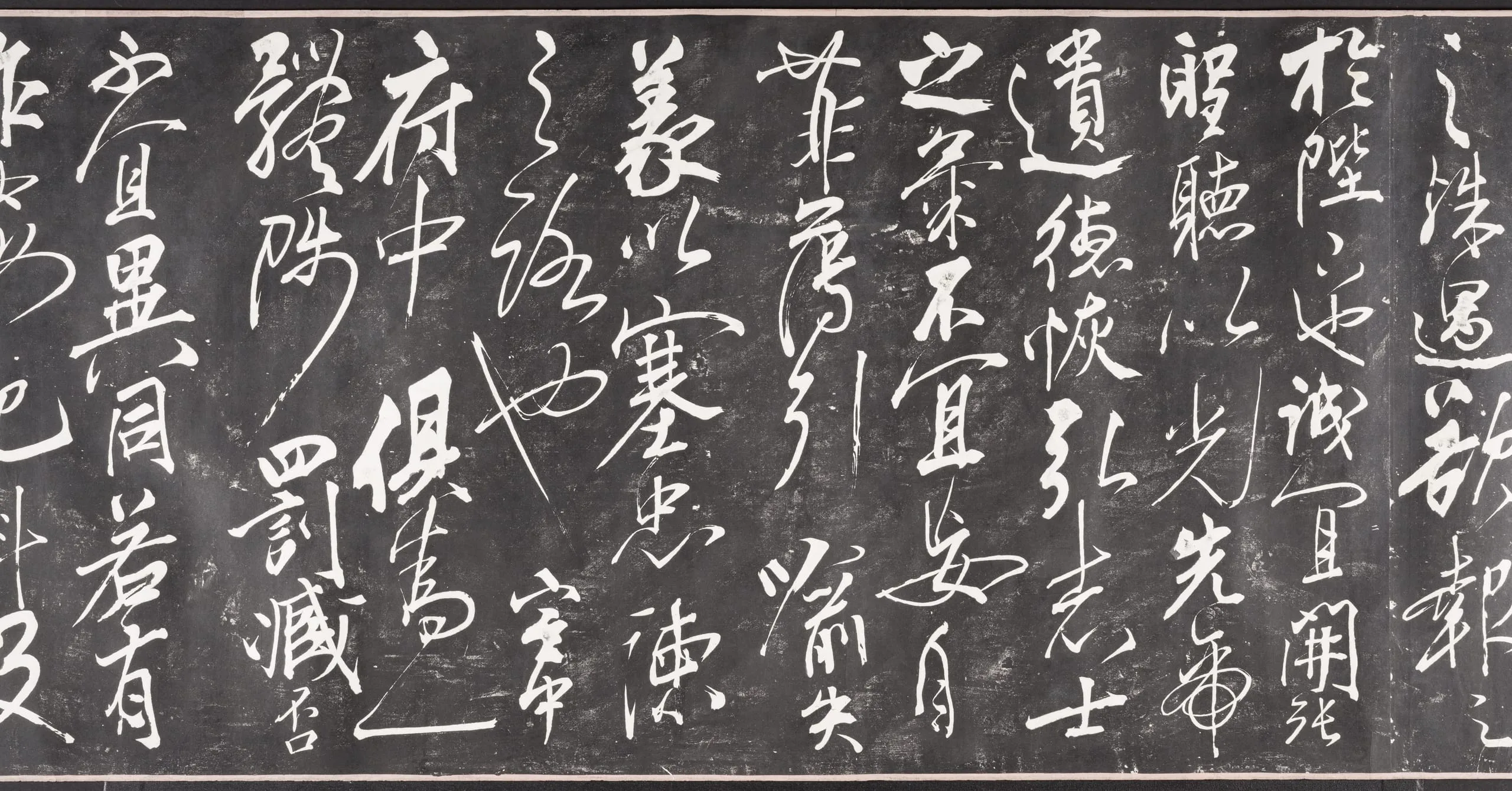
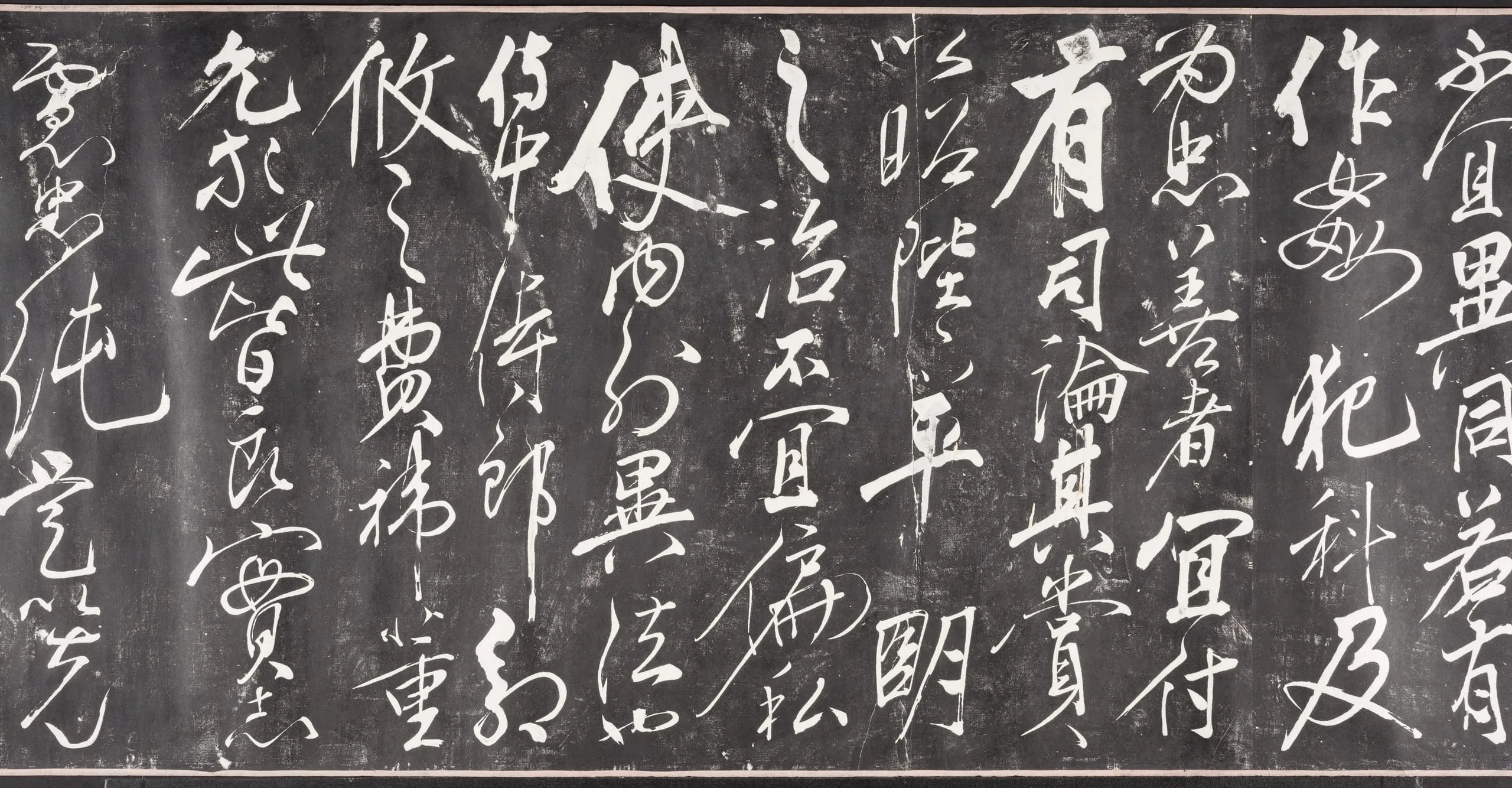
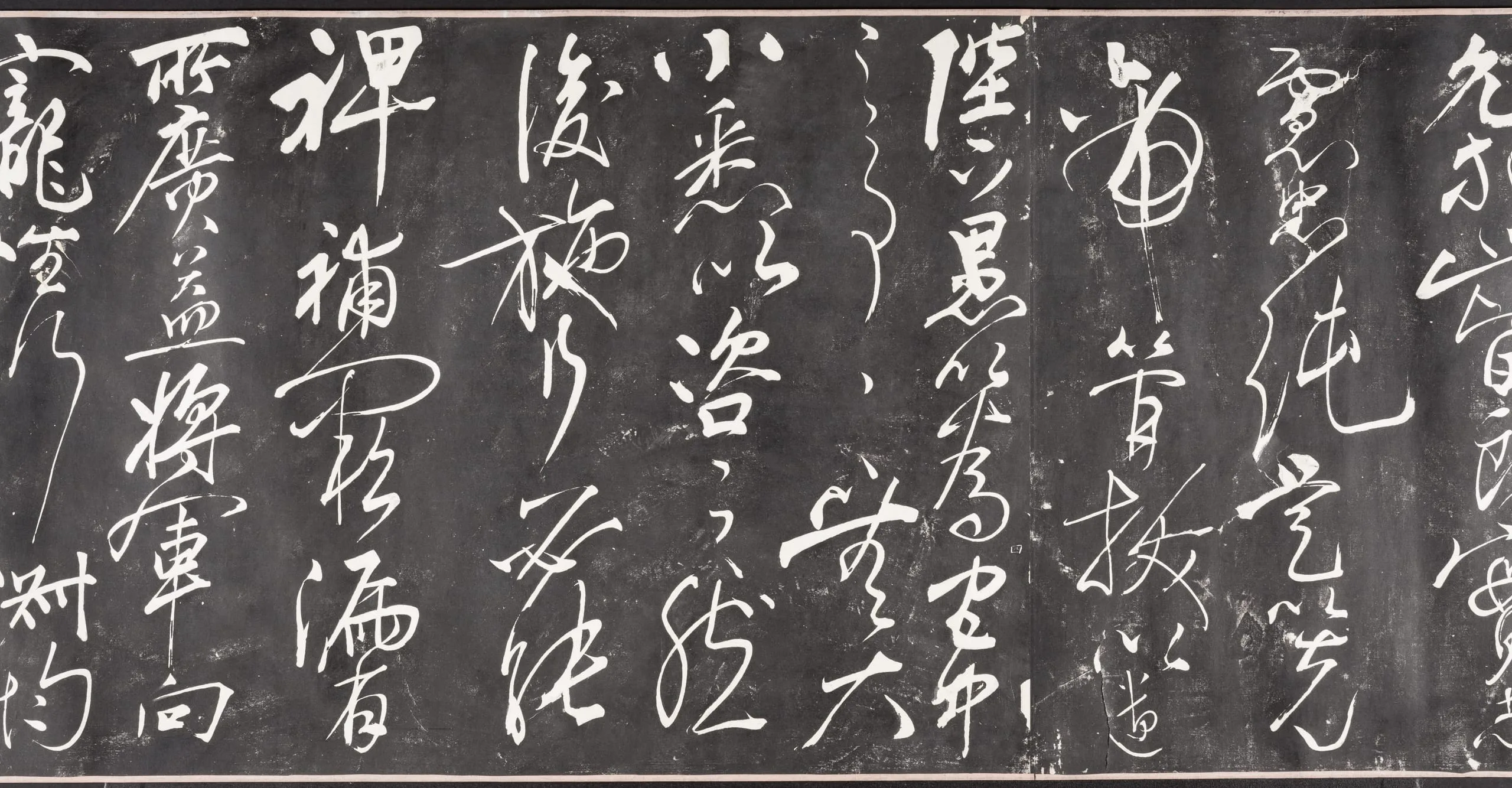
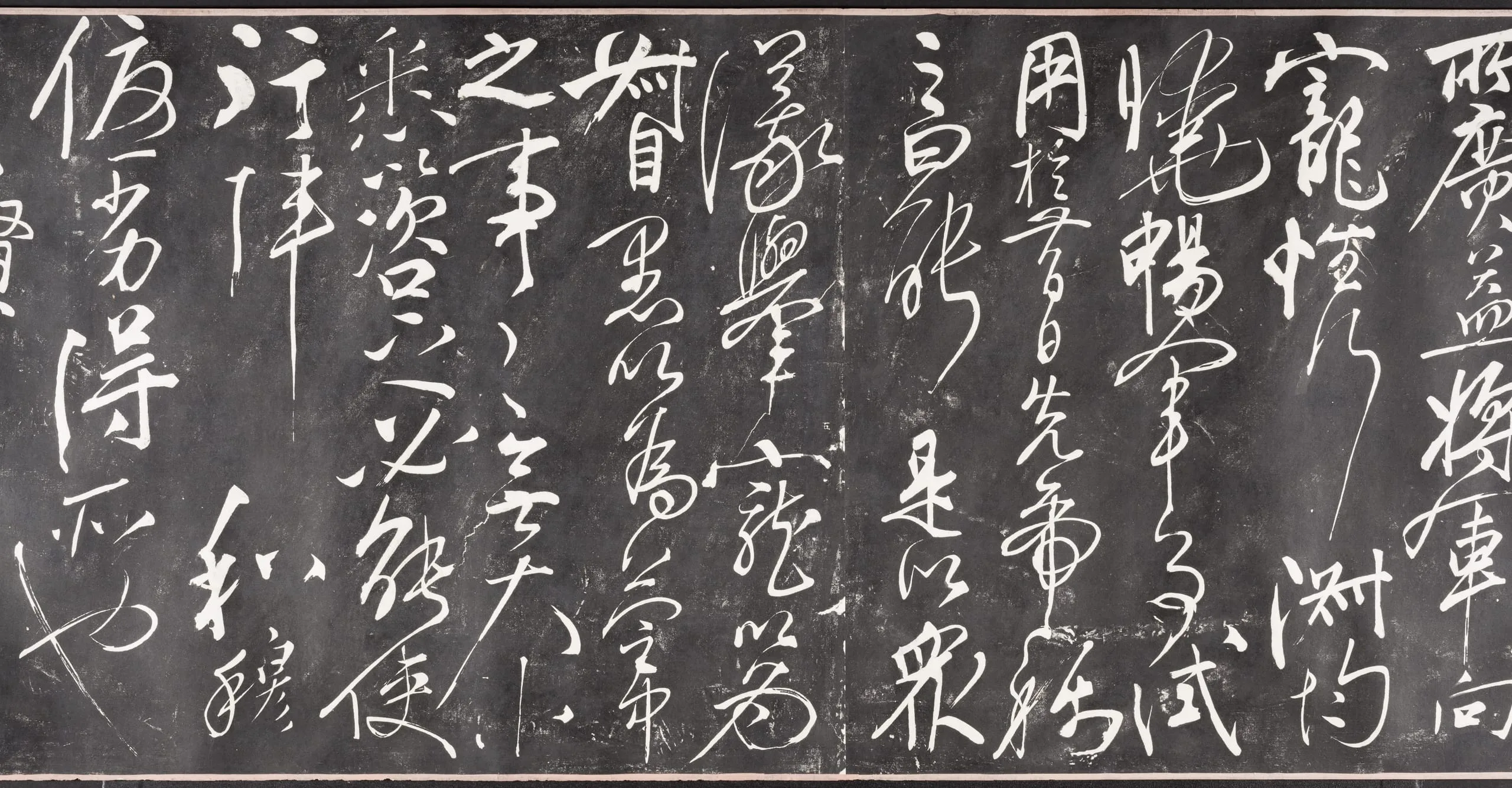
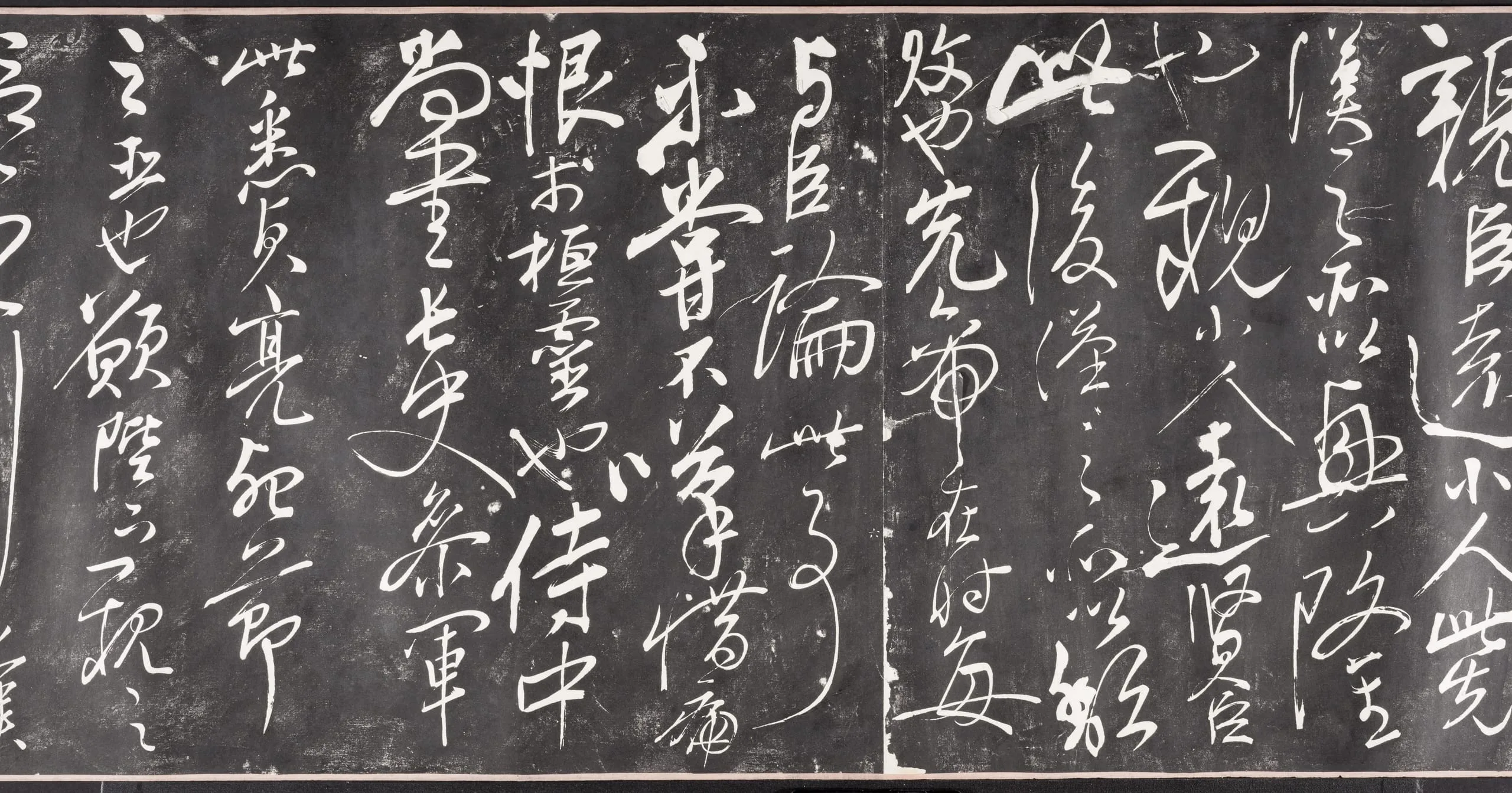
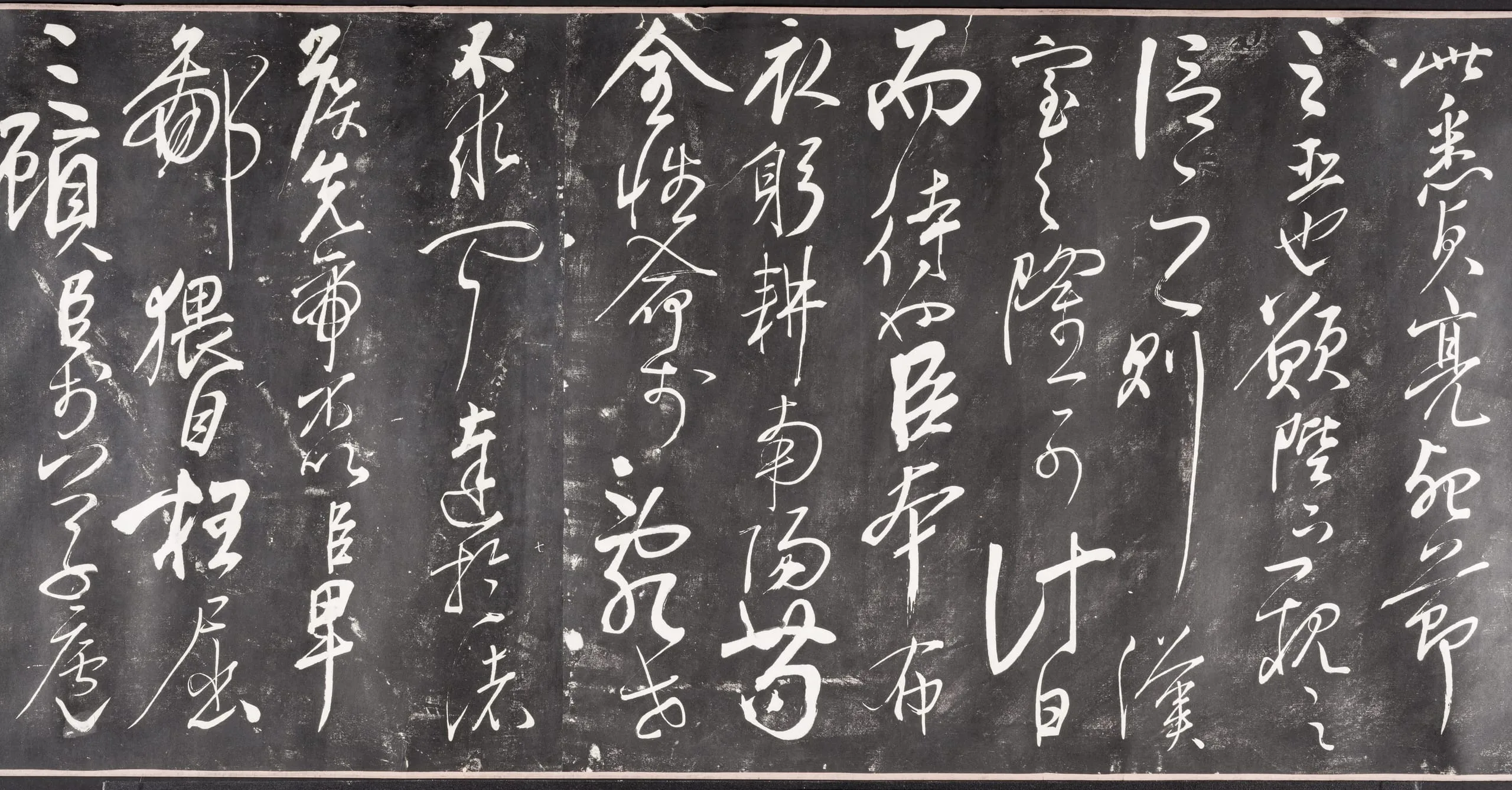
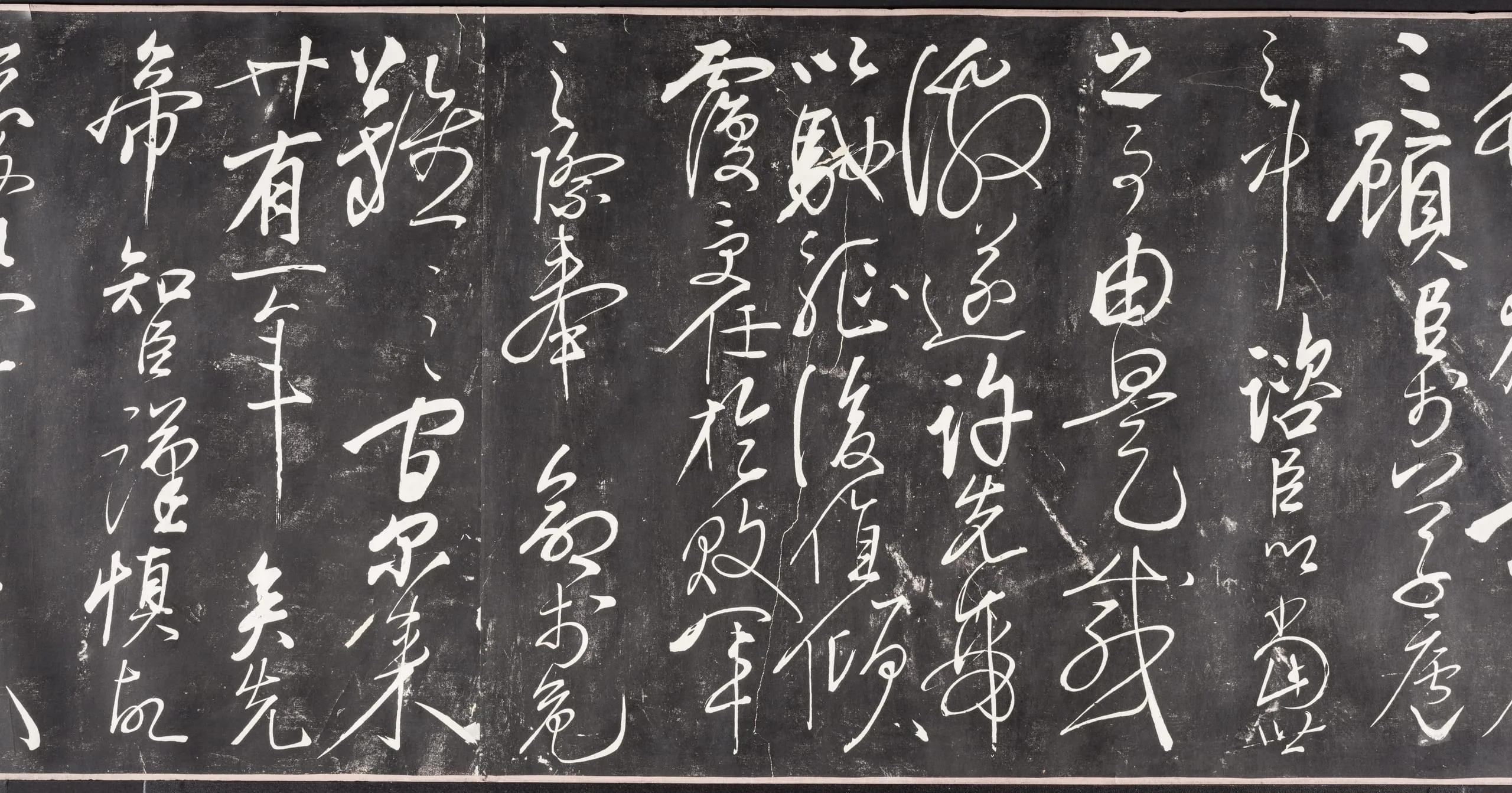
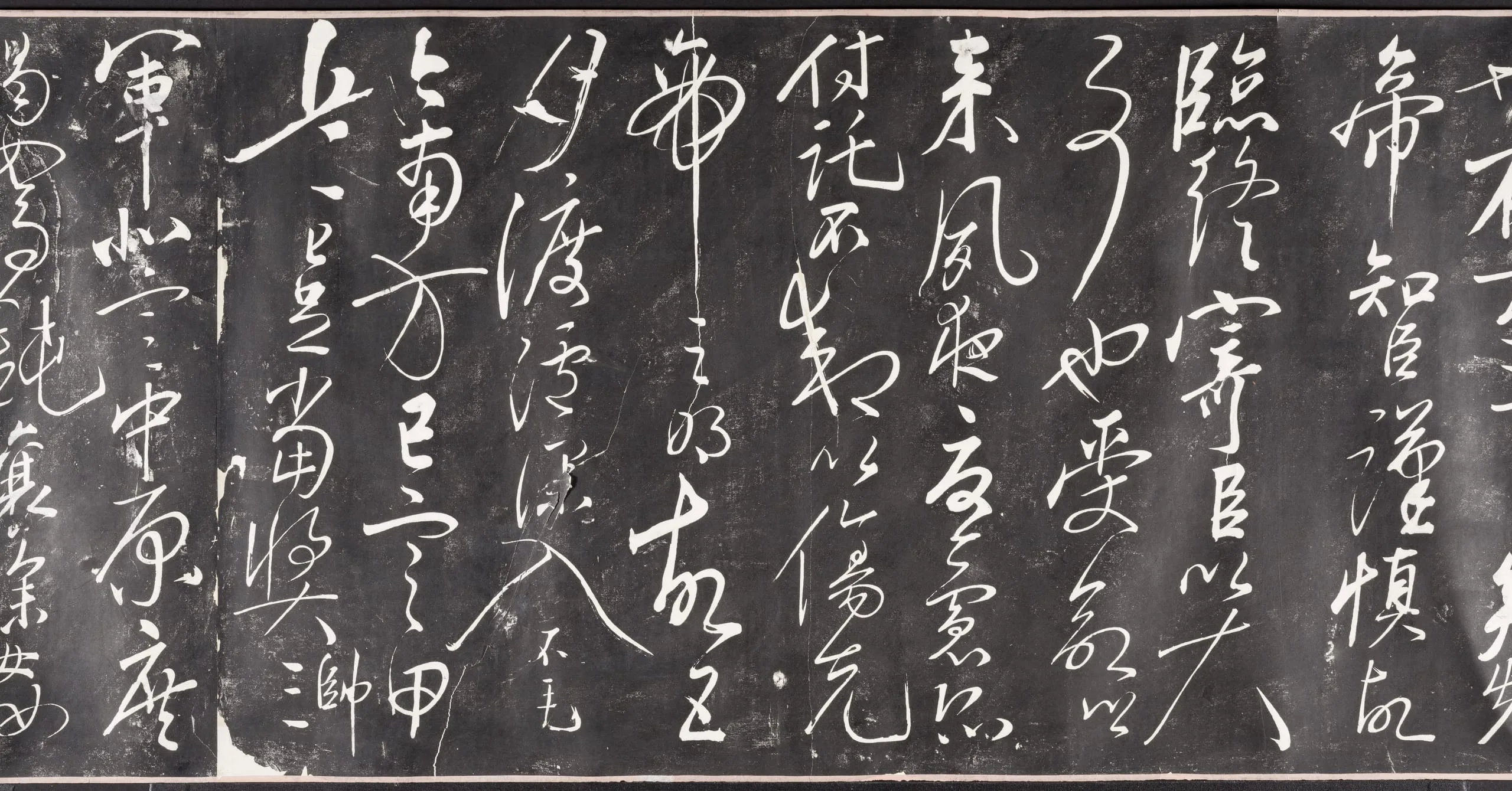
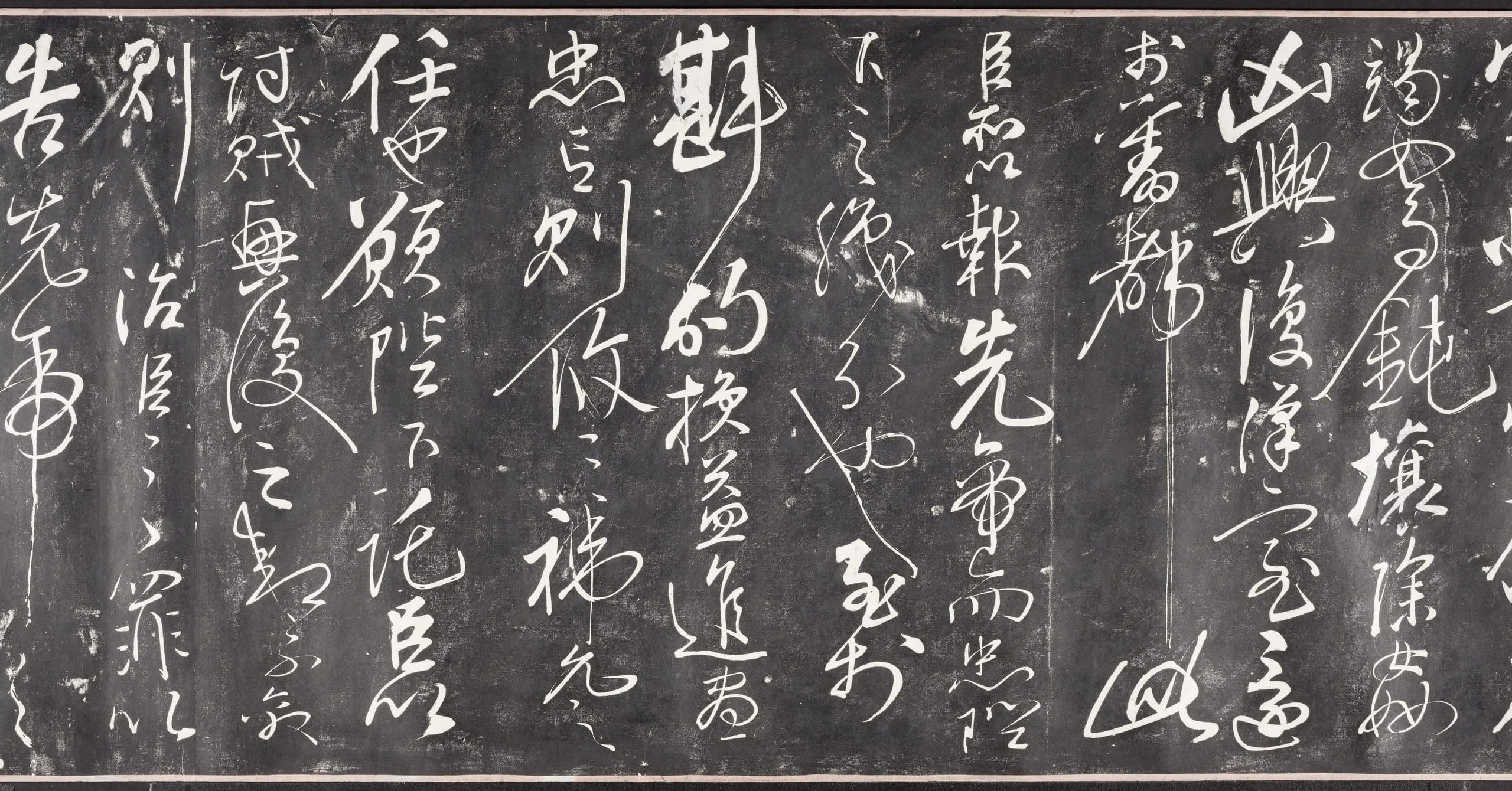
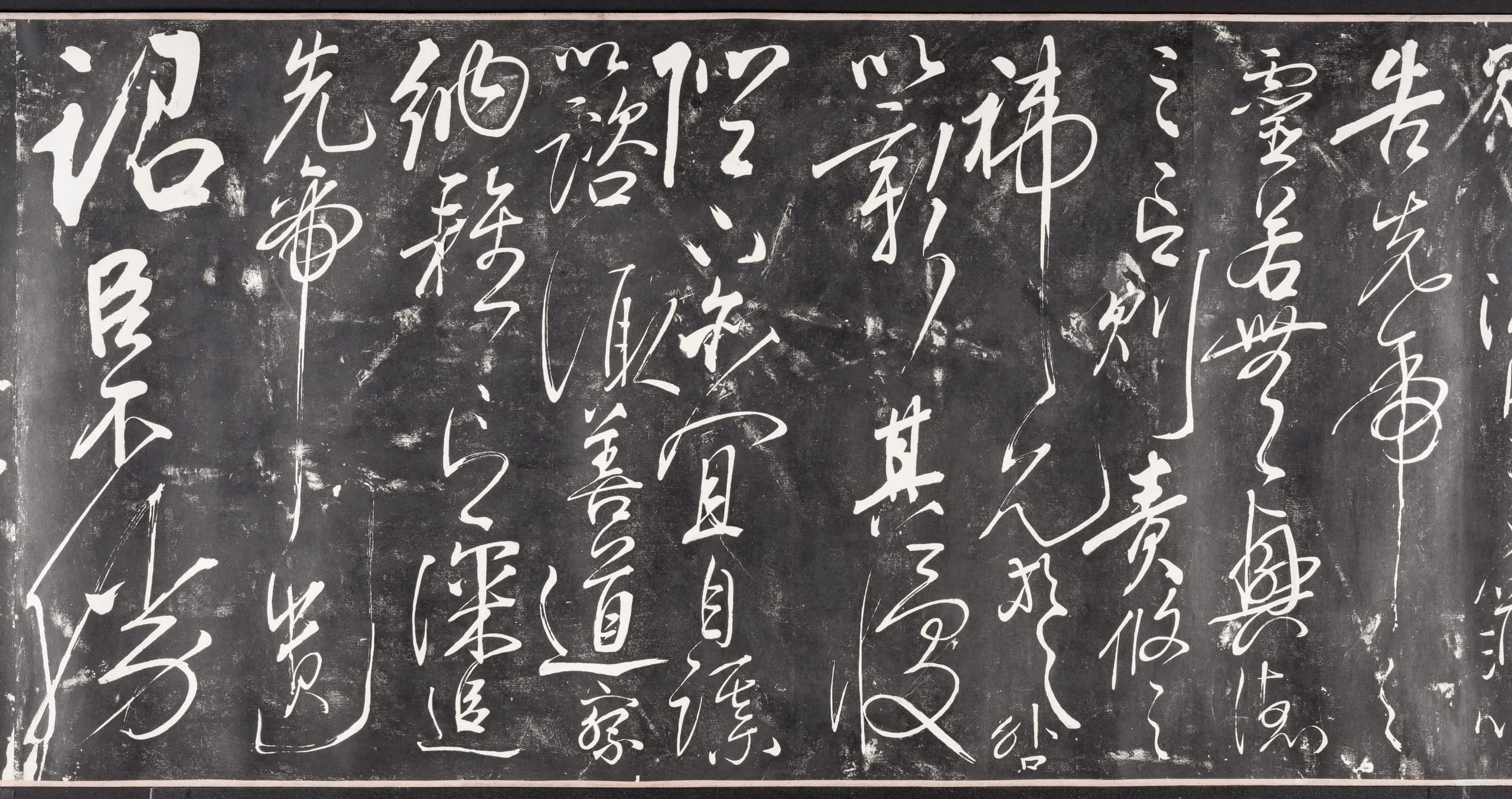
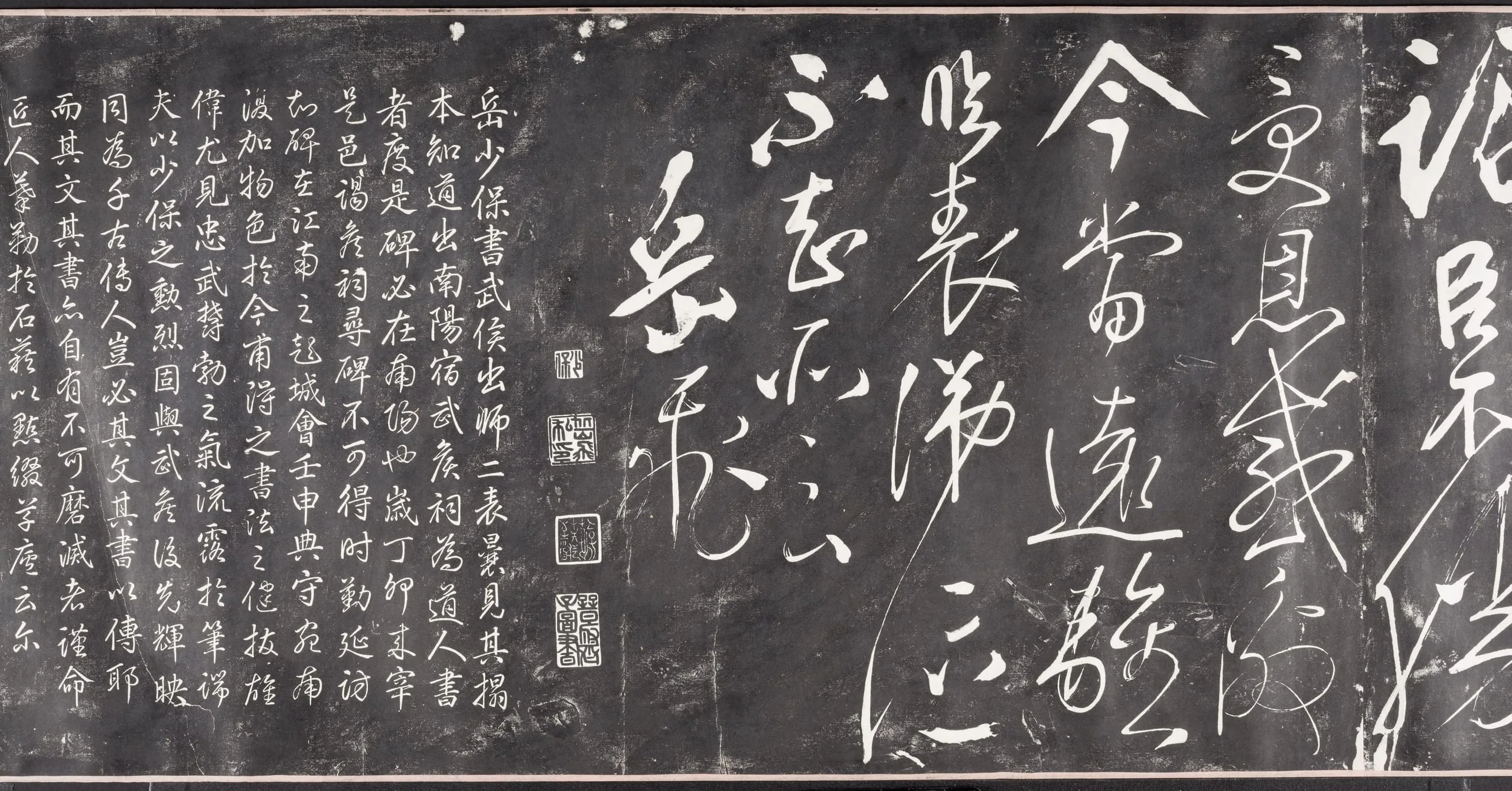
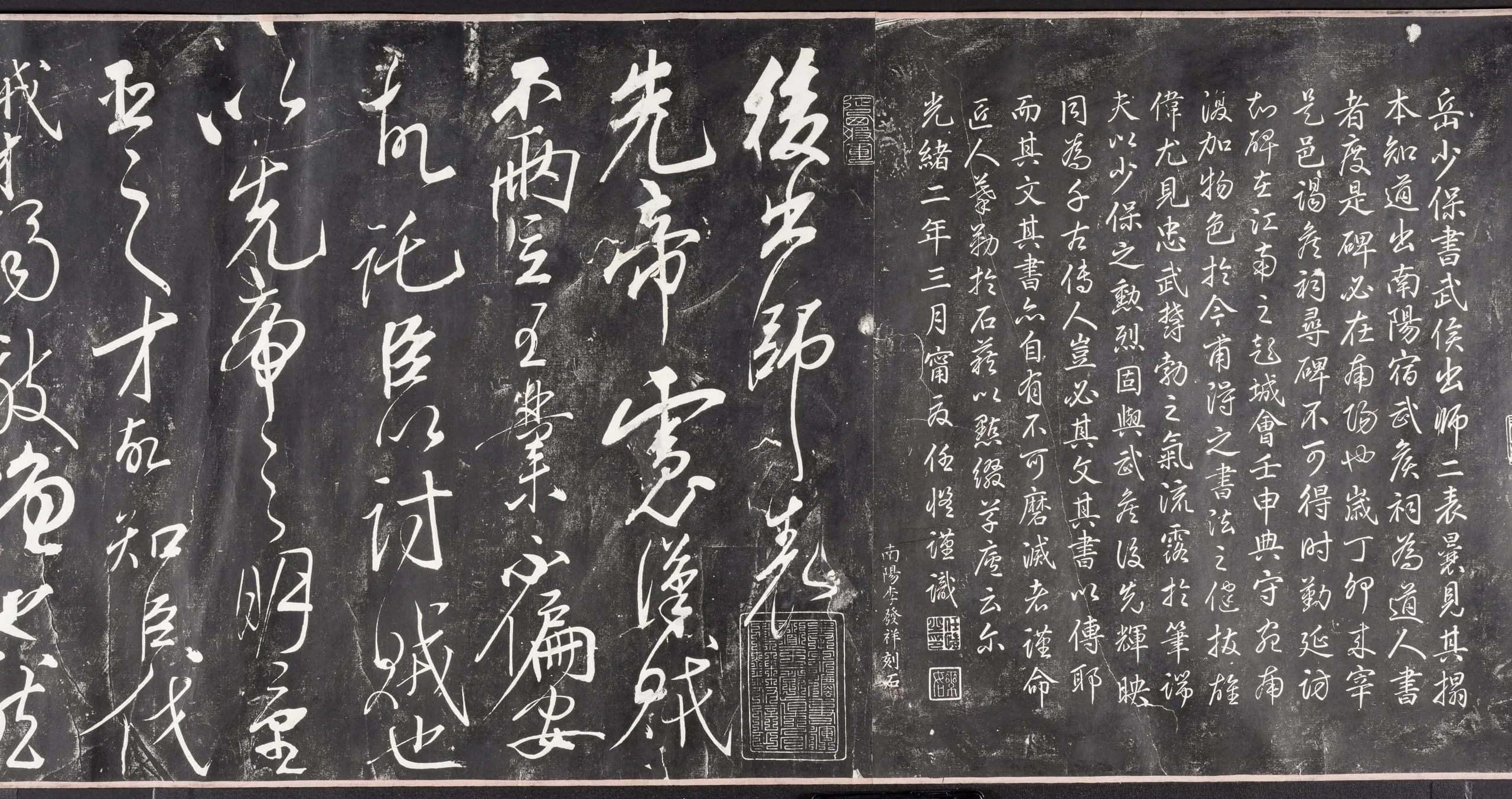
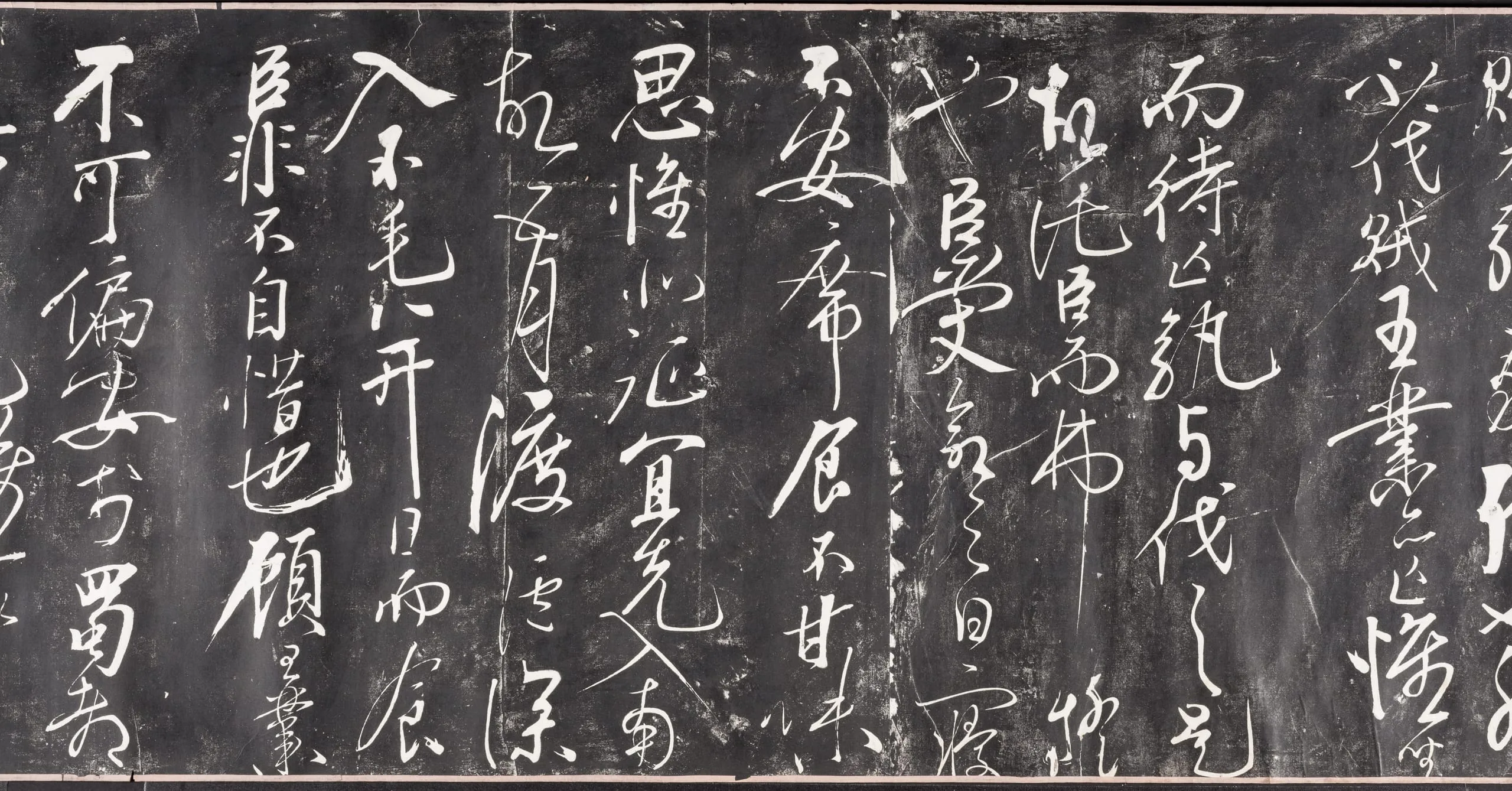
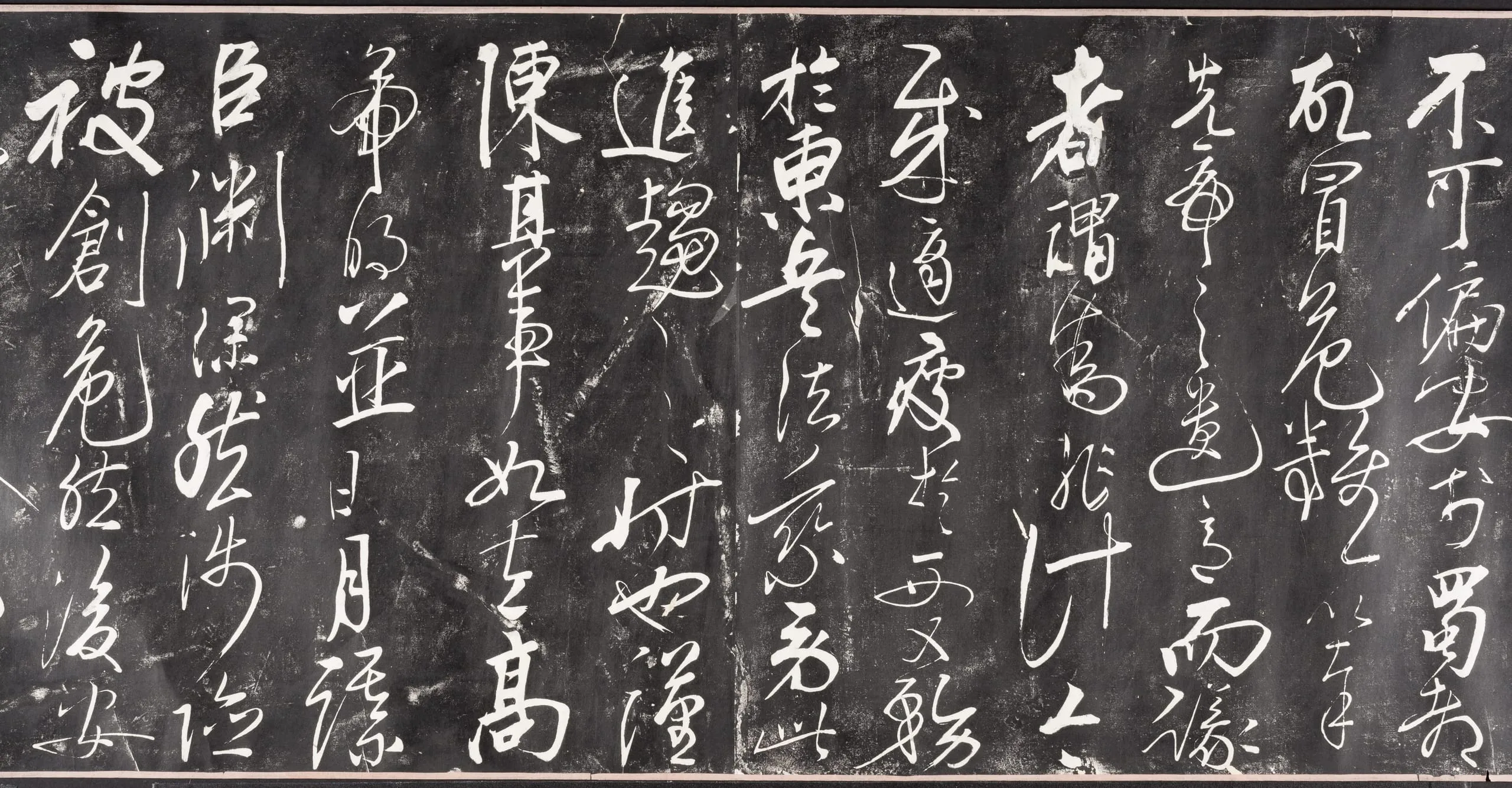
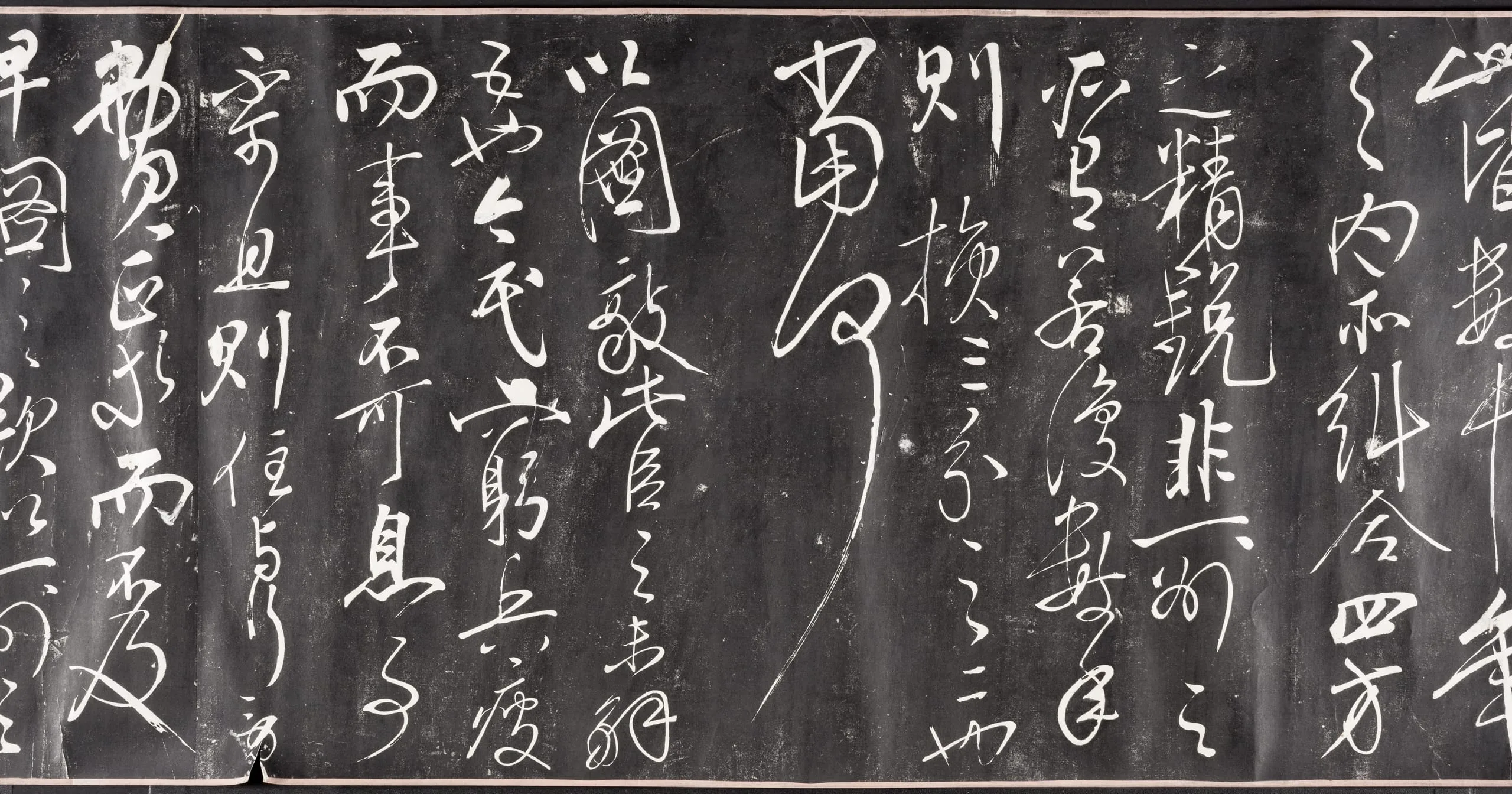
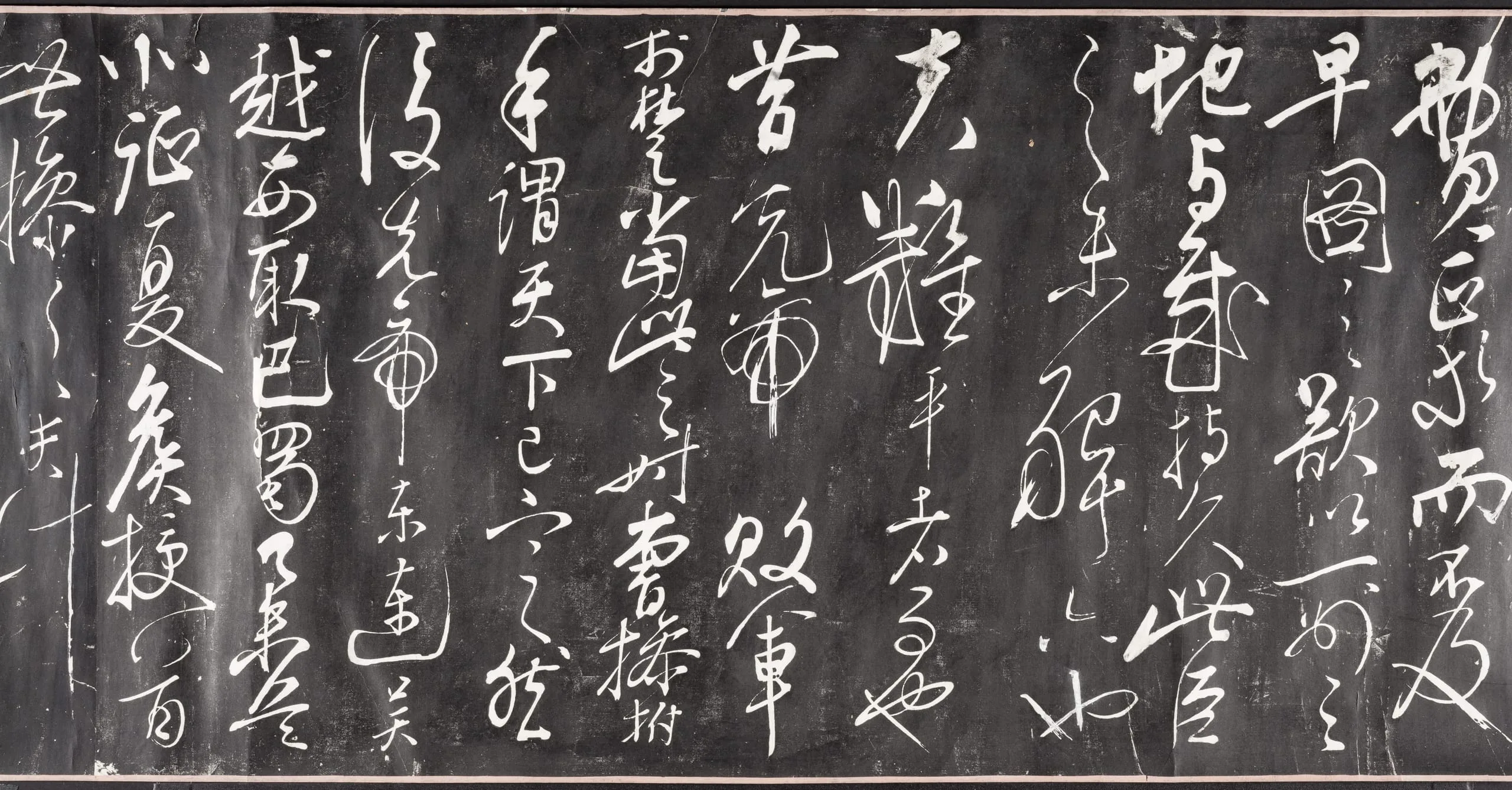
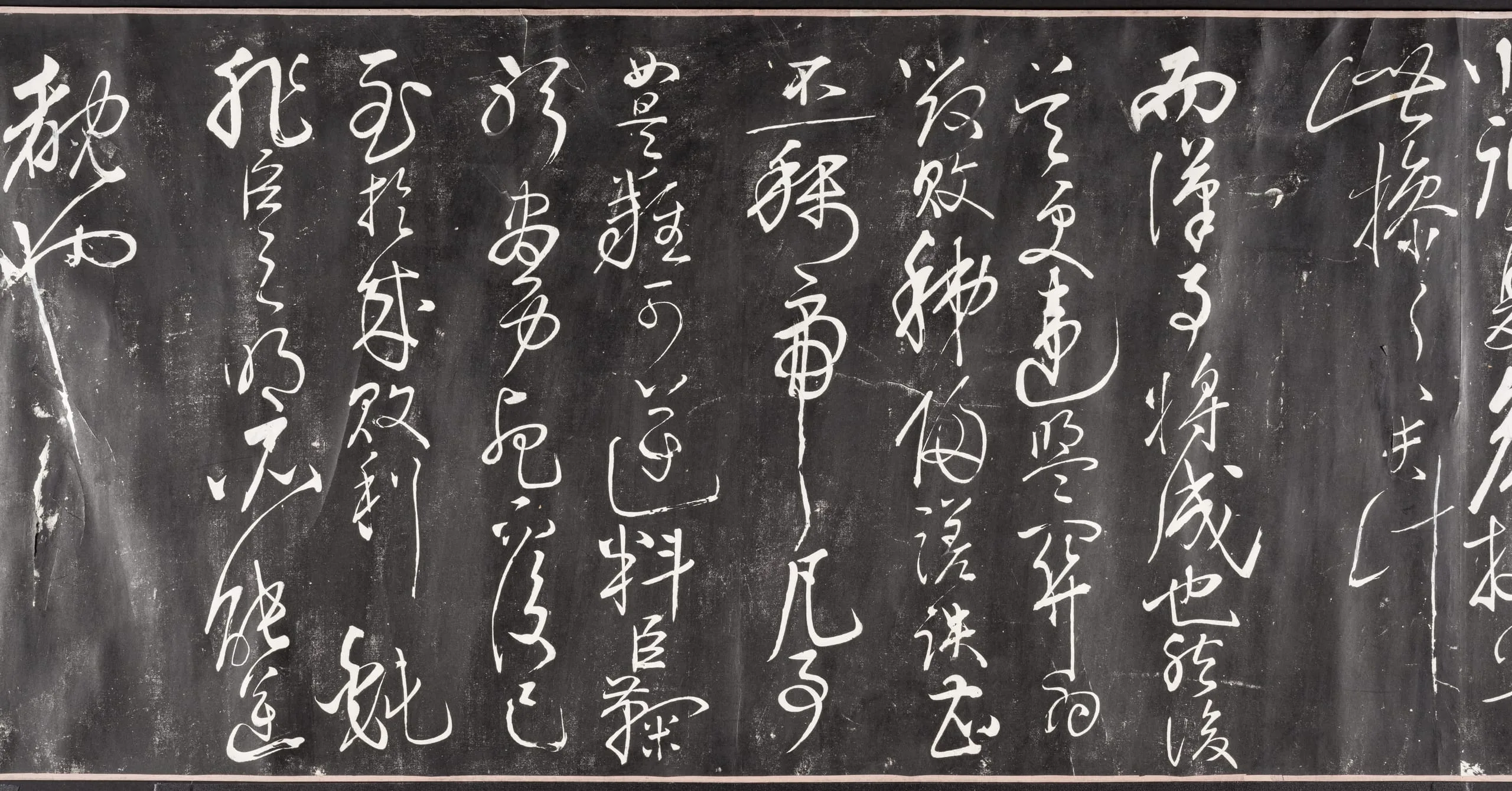
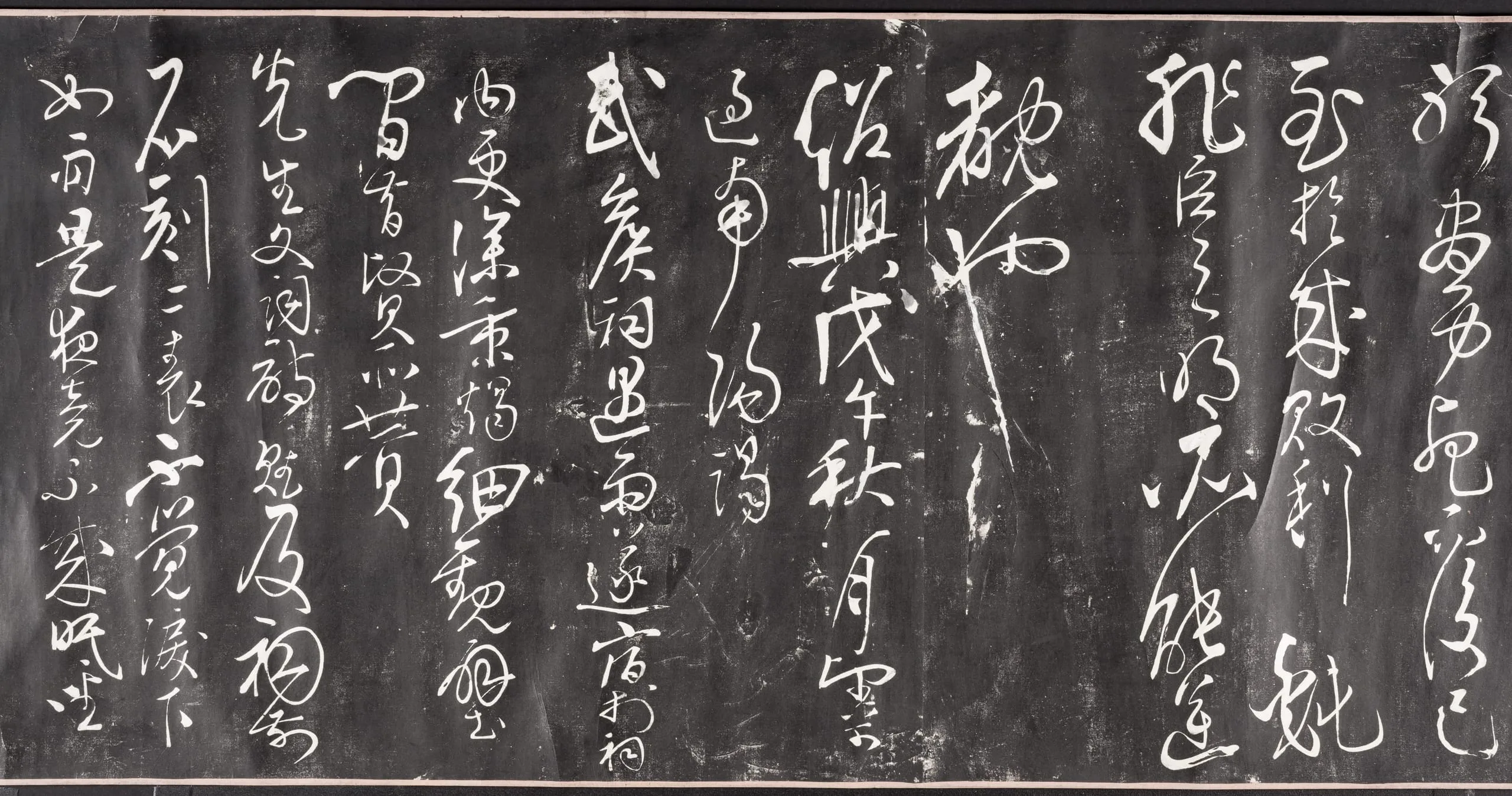
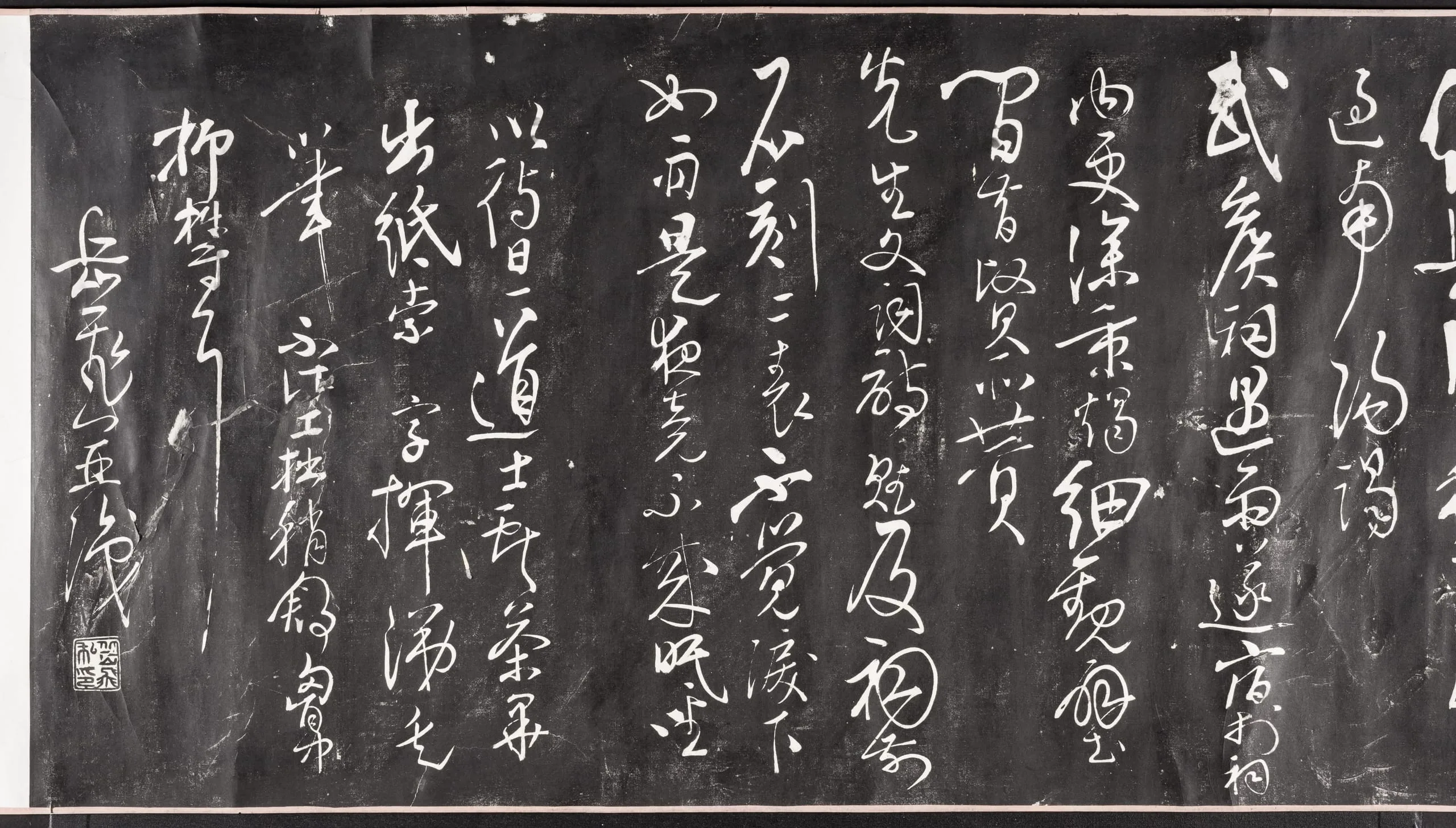
Memorial on Going into Battle (Chushi biao) by Zhuge Liang (181–234) Originally transcribed by Yue Fei in 1138 (Southern Song dynasty)Qing dynasty, 19th century

Not on view
Horizontal Chinese calligraphy on cream paper, four large bold characters in semi-cursive script, with a vertical inscription, date, signature, and two red seal stamps
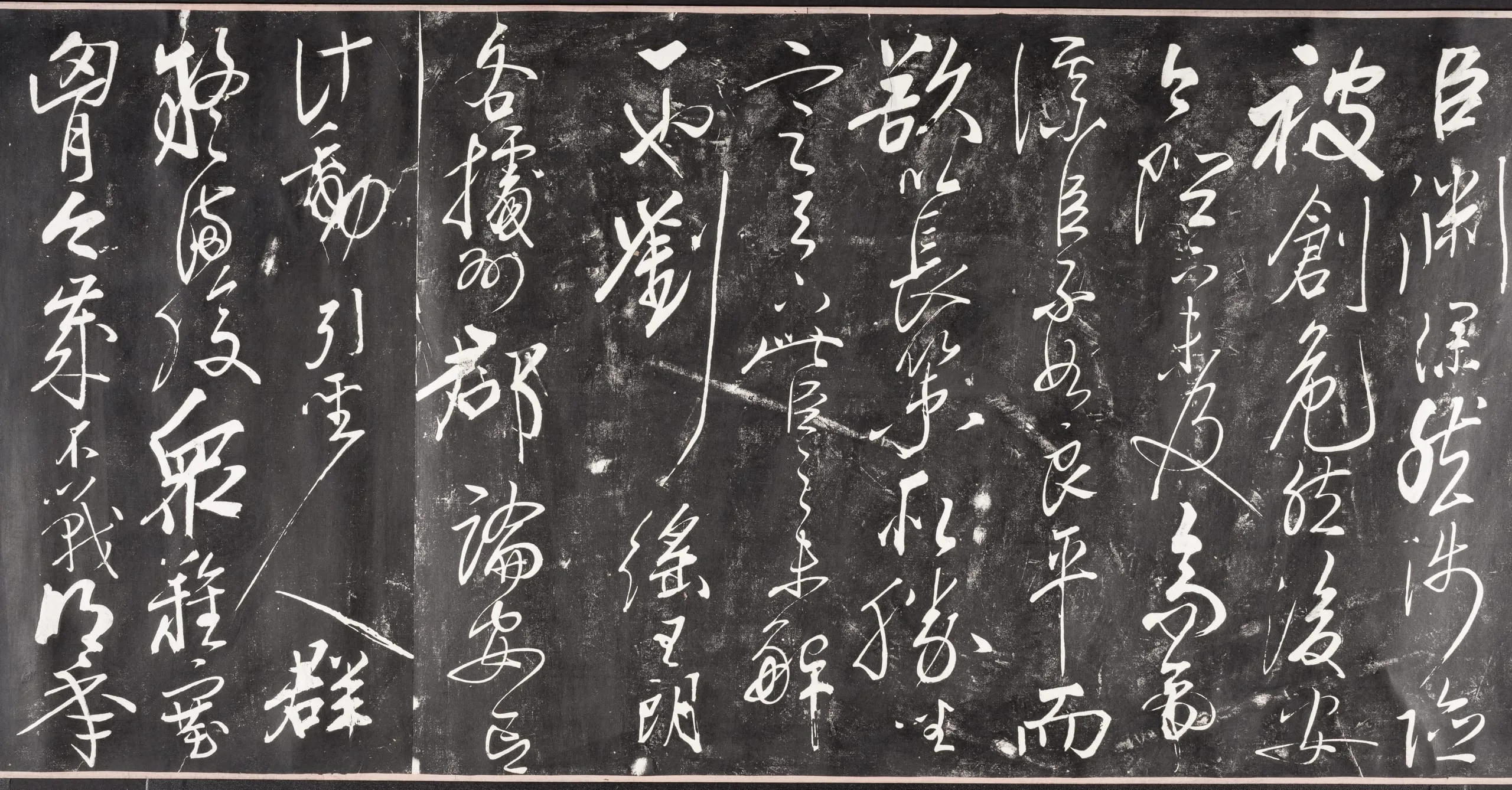
Ink rubbing on paper of Chinese cursive-script calligraphy, white characters on black ground, arranged in vertical columns reading right to left, with two red seal impressions at upper and lower right.
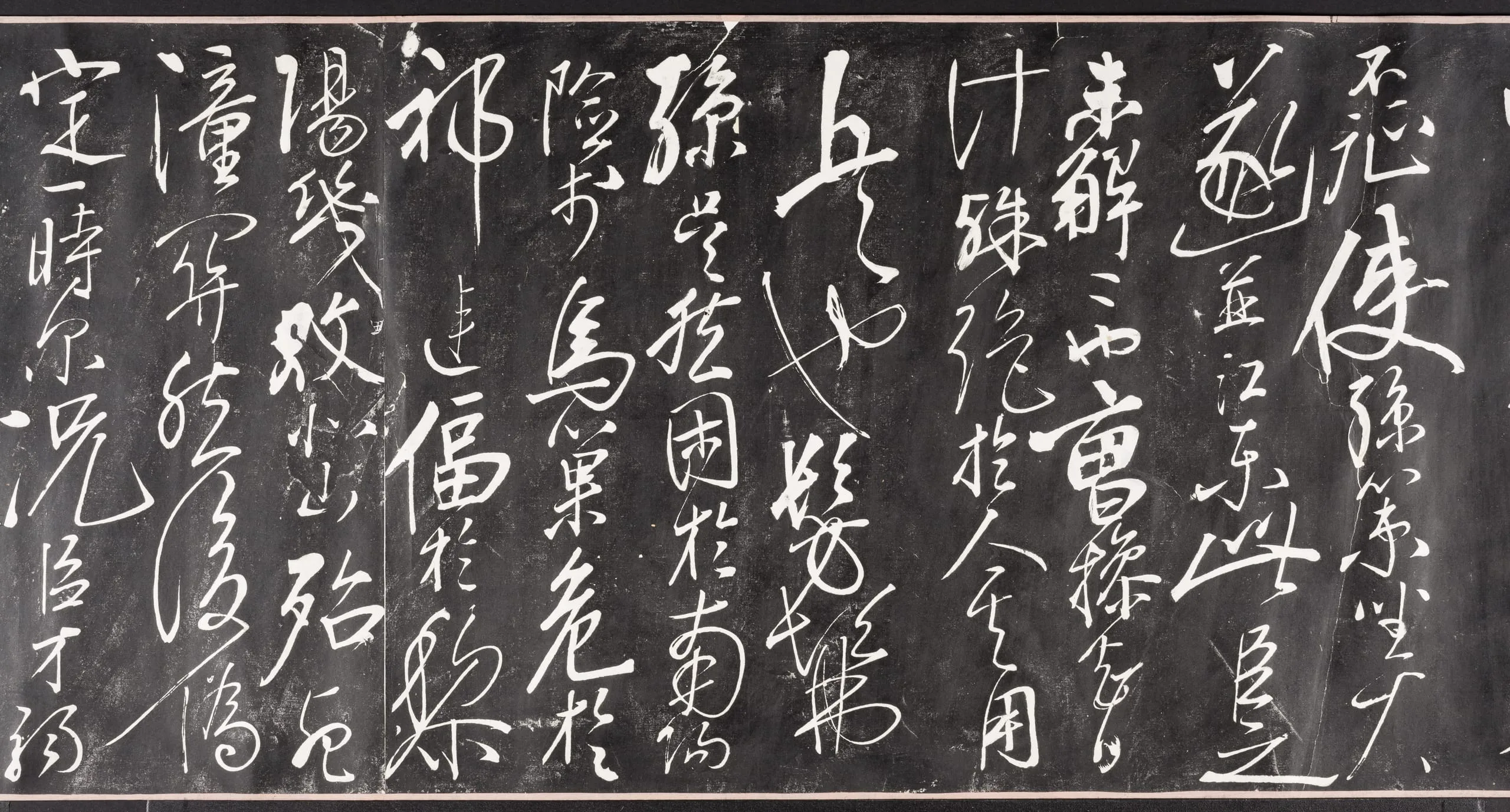
Rubbing or ink reproduction of Chinese calligraphy in cursive script, white characters on dark gray stone-textured ground, arranged in vertical columns reading right to left.
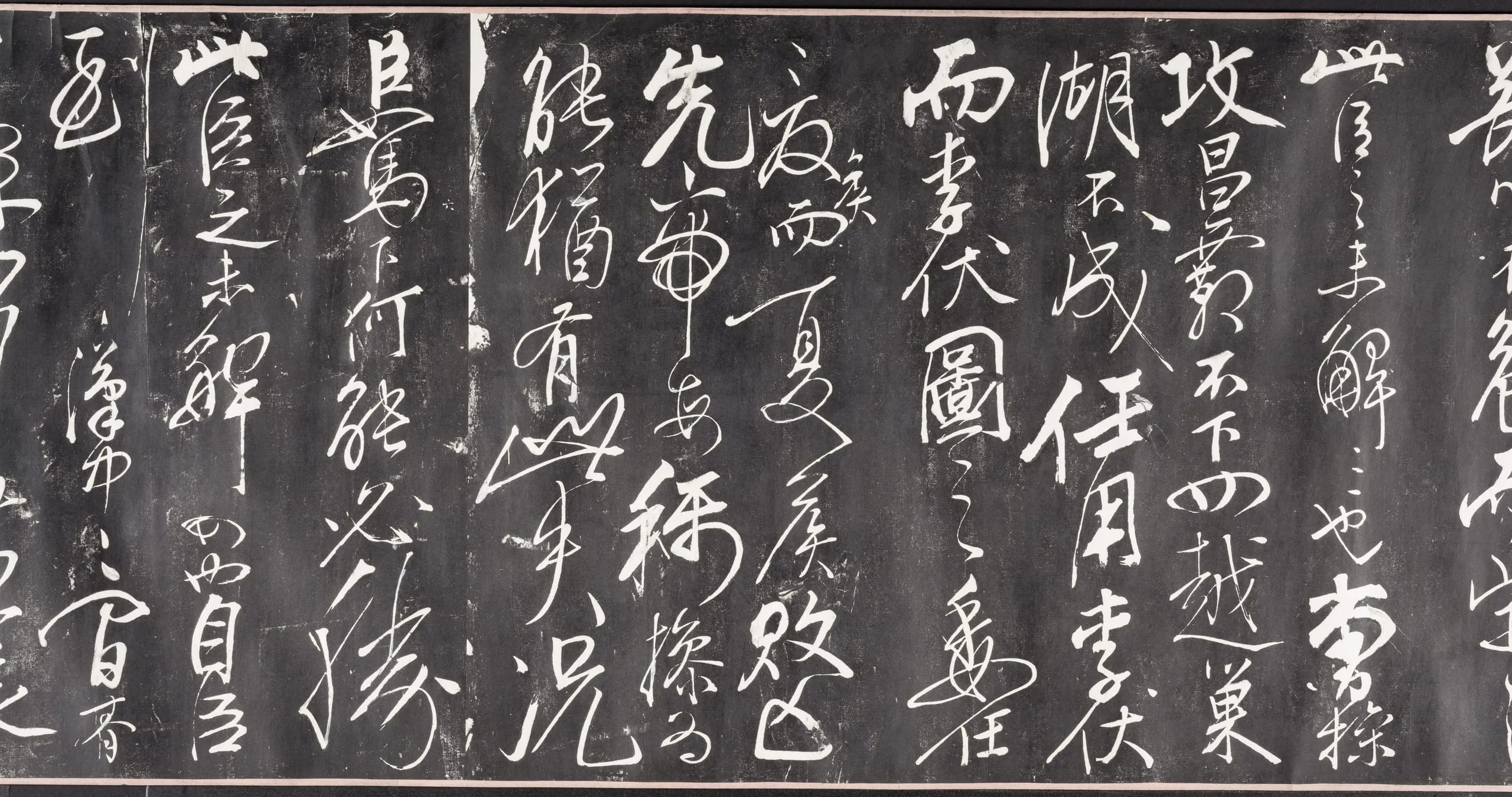
Ink rubbing or handscroll with white Chinese cursive-script calligraphy on a dark gray-black ground, arranged in vertical columns with expressive, fluid brushstrokes.
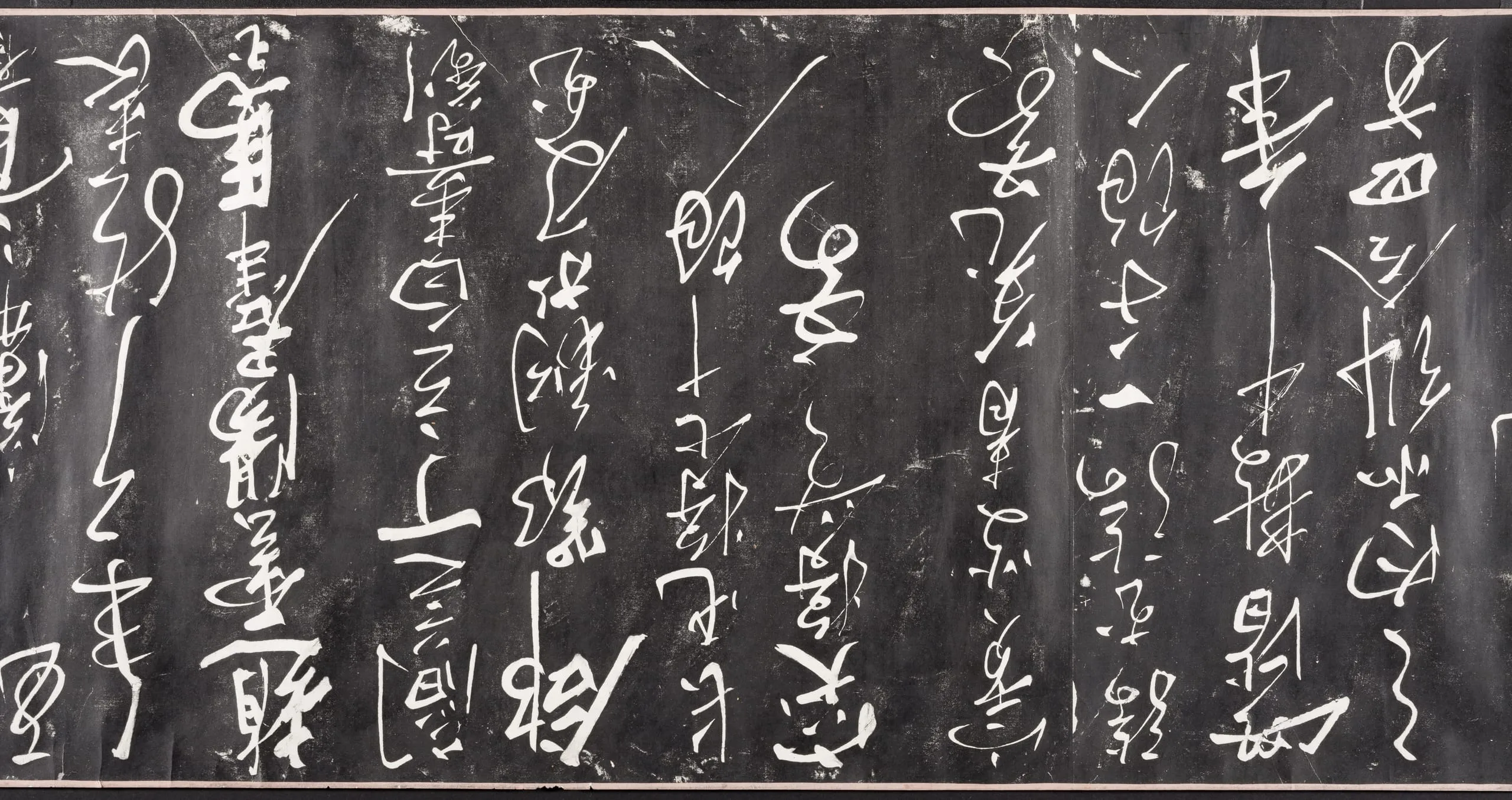
Rubbing or ink reproduction of Chinese calligraphy in cursive script (caoshu), white characters on dark background, arranged in vertical columns reading right to left.
Rubbing or ink reproduction of a Chinese calligraphy inscription, white cursive-script characters arranged in vertical columns against a black ground, rendered in fluid, sweeping brushstrokes.
Ink rubbing or handscroll with multiple vertical columns of Chinese cursive-script calligraphy in white against a dark ground, with fluid, dynamic brushstrokes.
Ink rubbing or ink-on-dark-ground calligraphy scroll with multiple vertical columns of Chinese cursive script in white against a dark gray-black background.
Ink rubbing or dark-ground calligraphy work featuring multiple vertical columns of Chinese cursive script (caoshu) in white against a dark gray-black background, with fluid, sweeping brushstrokes.
Ink rubbing of Chinese calligraphy in cursive script (caoshu), white characters on black ground, arranged in vertical columns across a horizontal format.
Ink rubbing or photographic reproduction of a stone inscription, with white Chinese cursive-script calligraphy arranged in vertical columns against a dark gray-black ground.
Rubbing or photographic reproduction of a stone inscription, white Chinese cursive-script calligraphy on a dark background, arranged in vertical columns with fluid, expressive brushwork strokes.
Ink rubbing on dark ground with white Chinese calligraphy; large cursive script columns at right transition to smaller regular script at left, with two red seal impressions visible near center.
Ink rubbing on dark ground with white Chinese calligraphy in cursive script, arranged in vertical columns reading right to left, with varying brushstroke weights and a red seal impression near the center.
Rubbing or reproduction of Chinese calligraphy in cursive script, white characters on black ground, arranged in vertical columns reading right to left.
Rubbing or ink impression of Chinese calligraphy in cursive script, white characters against a dark stone-textured background, arranged in vertical columns reading right to left.
Rubbing or ink reproduction of Chinese cursive script calligraphy, multiple vertical columns of white characters on a dark ground, dynamic fluid brushwork.
Rubbing or ink-on-paper reproduction of Chinese calligraphy in cursive script (caoshu), white characters on black ground, arranged in vertical columns reading right to left.
Rubbing or ink reproduction of Chinese calligraphy in cursive script (caoshu), white characters against a dark background, arranged in vertical columns reading right to left.
Ink rubbing or reproduction of Chinese calligraphy in cursive script (caoshu), white characters on dark ground, arranged in vertical columns with fluid, expressive brushstrokes.
Ink rubbing or gelatin silver print of a stone inscription, featuring multiple vertical columns of Chinese cursive-script calligraphy in white against a dark ground.
Handscroll or rubbing with multiple vertical columns of Chinese cursive-script calligraphy in white against a deep black ground, rendered in fluid, expressive brushstrokes.
Handscroll or rubbing with multiple vertical columns of Chinese cursive-script calligraphy in white against a dark charcoal-black ground.
Rubbing or ink reproduction of Chinese cursive-script calligraphy, white characters on black ground, arranged in vertical columns reading right to left, with fluid, expressive brushstrokes.
Handscroll with white Chinese cursive-script calligraphy on a black ground, columns reading right to left, with a red seal impression at lower left.

Yue Fei, Memorial on Going into Battle (Chushi biao) by Zhuge Liang (181–234) Originally transcribed by Yue Fei in 1138 (Southern Song dynasty), Qing dynasty, 19th century (alternate view), Los Angeles County Museum of Art, Gift of Mei-Lee Ney, photo © Museum Associates/LACMA

Artist or Maker
Yue Fei
China, 1103-1142
Title
Memorial on Going into Battle (Chushi biao) by Zhuge Liang (181–234) Originally transcribed by Yue Fei in 1138 (Southern Song dynasty)
Place Made
China
Date Made
Qing dynasty, 19th century
Medium
Handscroll; rubbing, ink on paper
Dimensions
Title: 261 x 513 in. (662.94 x 1303.02 cm); Image: 21 3/4 x 884 3/4 in. (55.25 x 2247.27 cm); Mount: 21 3/4 x 998 in. (55.25 x 2534.92 cm)
Credit Line
Gift of Mei-Lee Ney
Accession Number
M.91.189
Classification
Paintings
Collecting Area
Chinese and Korean Art
Curatorial Notes

The military general and national hero Yue Fei was renowned for his defense of the Southern Song dynasty against the Jurchen armies that occupied northern China in the early twelfth century. He was executed at the age of thirty-nine after a high official falsely charged him with treason. Twenty years later, a new emperor rehabilitated Yue’s reputation and had him reburied with full honors in a temple specially built for the general near West Lake in Hangzhou.

Along with his military prowess, Yue was famous as a poet and calligrapher. In the colophon to this long scroll, he explains the background to its writing. In the autumn of 1138, when he was thirty-five years old, he visited the Temple of Wuhou in Nanyang, Henan Province. The temple was built in memory of Zhuge Liang, a second-century military strategist and scholar who served as prime minister of the Shu Han state during the Three Kingdoms period. Yue Fei recounts that a rainstorm kept him overnight at the temple, where he read all the documents praising Zhuge Liang. Moved to tears as heavy as the pouring rain outside, he transcribed Zhuge’s classic Memorial on Going into Battle, a sophisticated rationale for war that includes advice to the emperor on governance. In a powerful and expressive script, Yue appropriated Zhuge’s treatise as a vehicle to convey his own deep concern for his country.

Wan Kong

2024