LACMA

ShopMembershipMyLACMATickets
LACMA
Los Angeles County Museum of Art
5905 Wilshire Blvd.
Los Angeles, CA 90036
info@lacma.org
(323) 857-6000
Sign up to receive emails
Subscribe
© Museum Associates 2025

Museum Hours

Monday

11 am–6 pm

Tuesday

11 am–6 pm

Wednesday

Closed

Thursday

11 am–6 pm

Friday

11 am–8 pm

Saturday

10 am–7 pm

Sunday

10 am–7 pm


  • About LACMA
  • Jobs
  • Building LACMA
  • Host An Event
  • Unframed
  • Press
  • FAQs
  • Log in to MyLACMA
  • Privacy Policy
© Museum Associates 2025
Collections

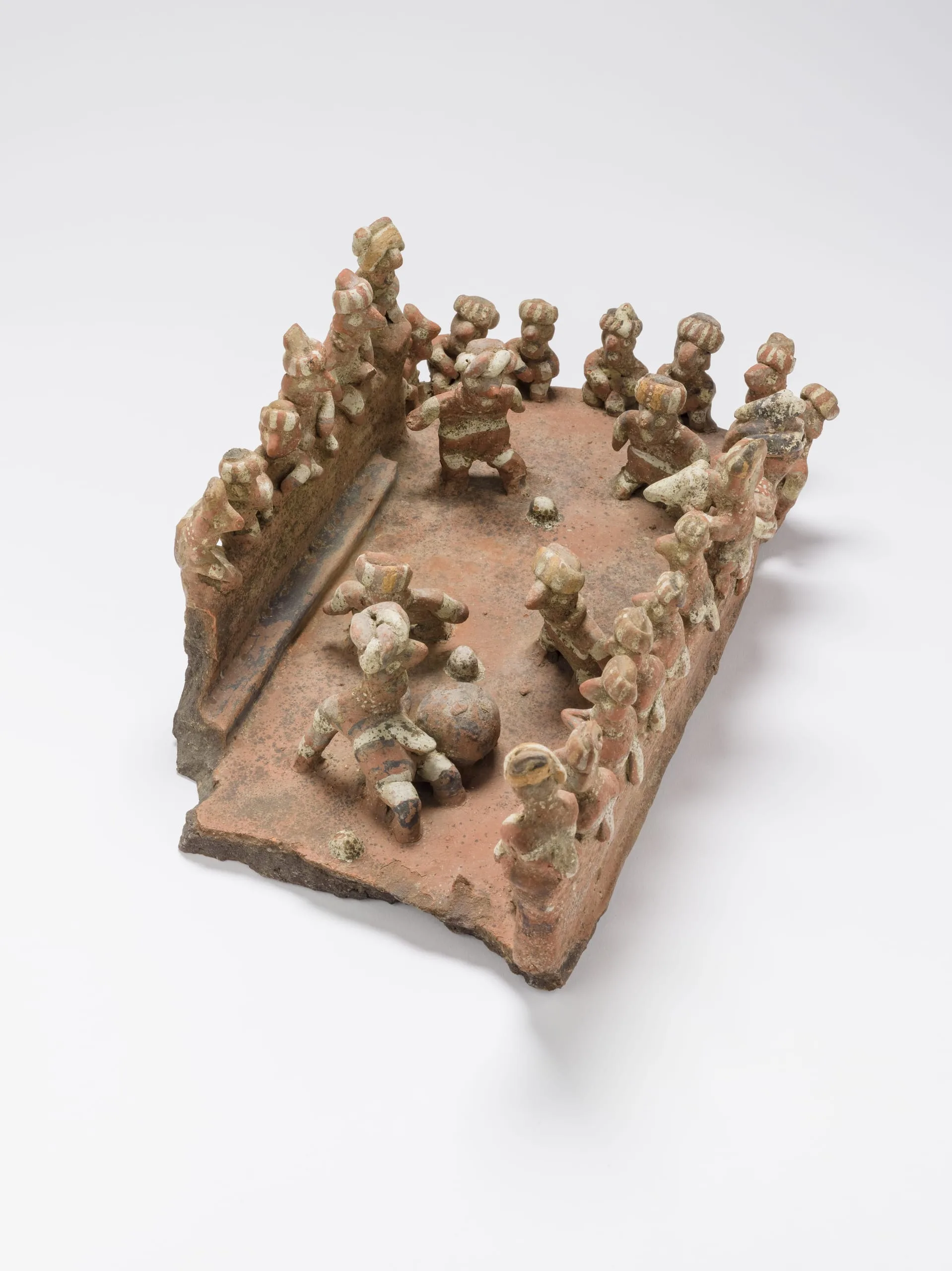
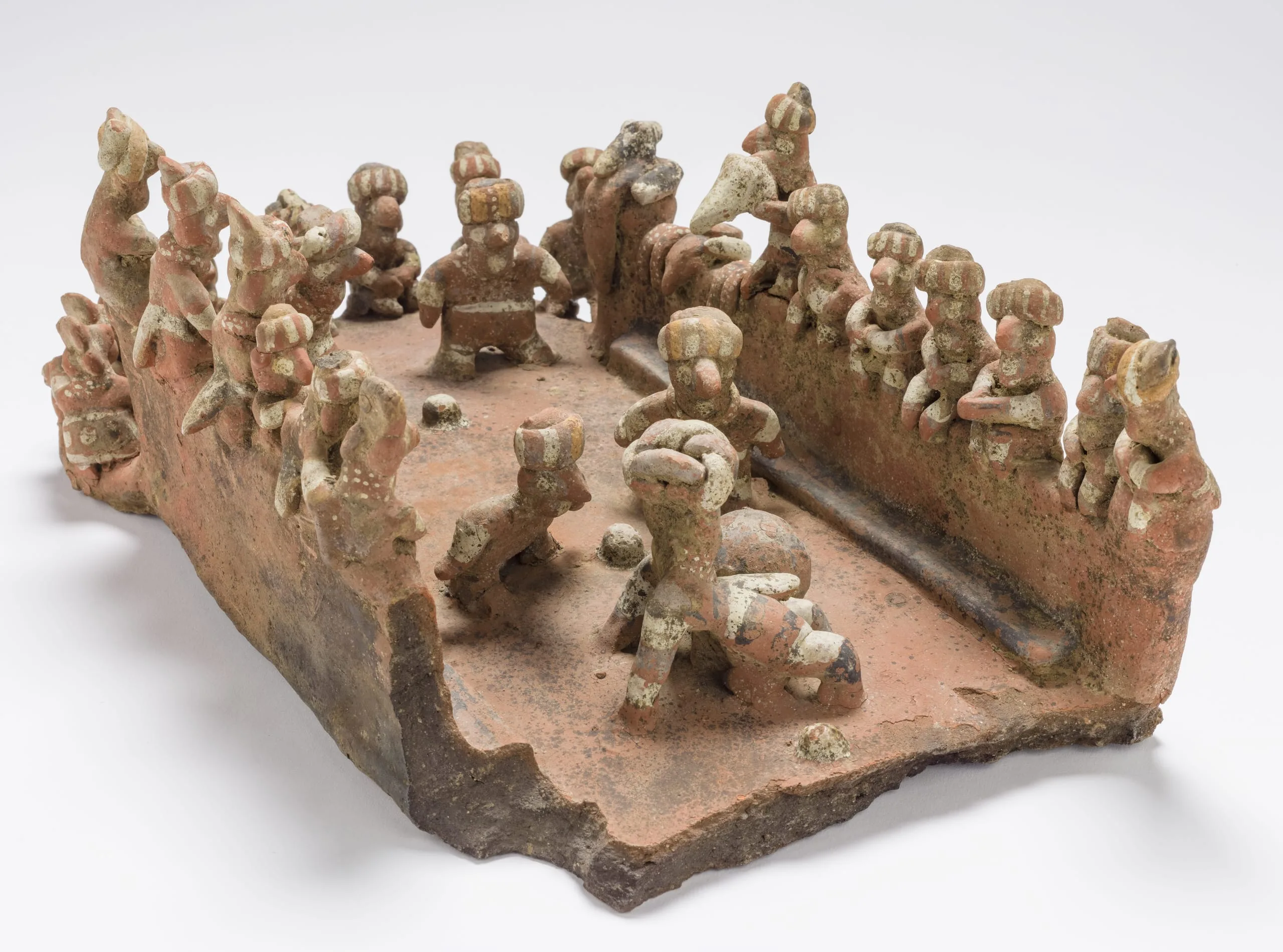
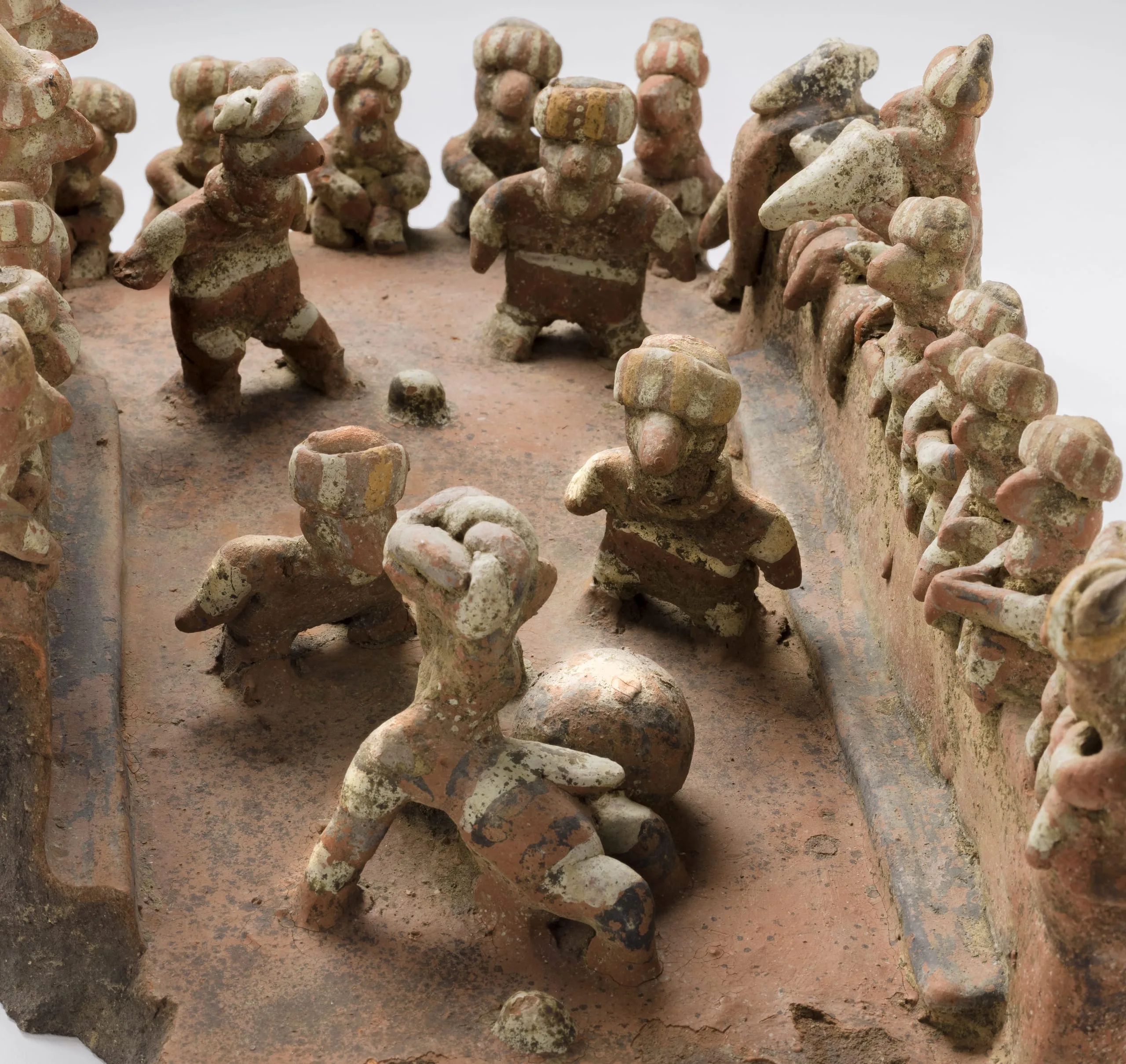
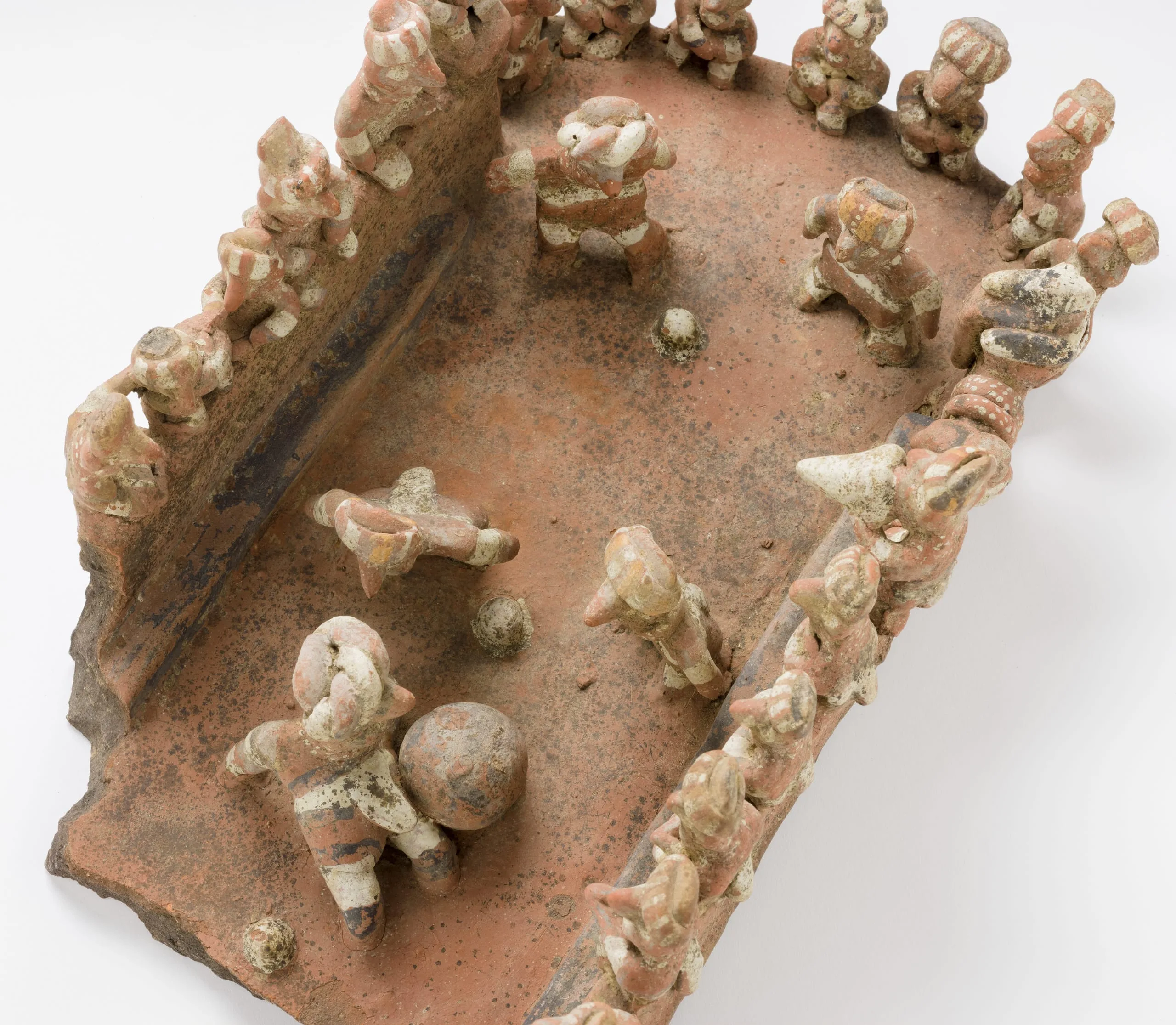
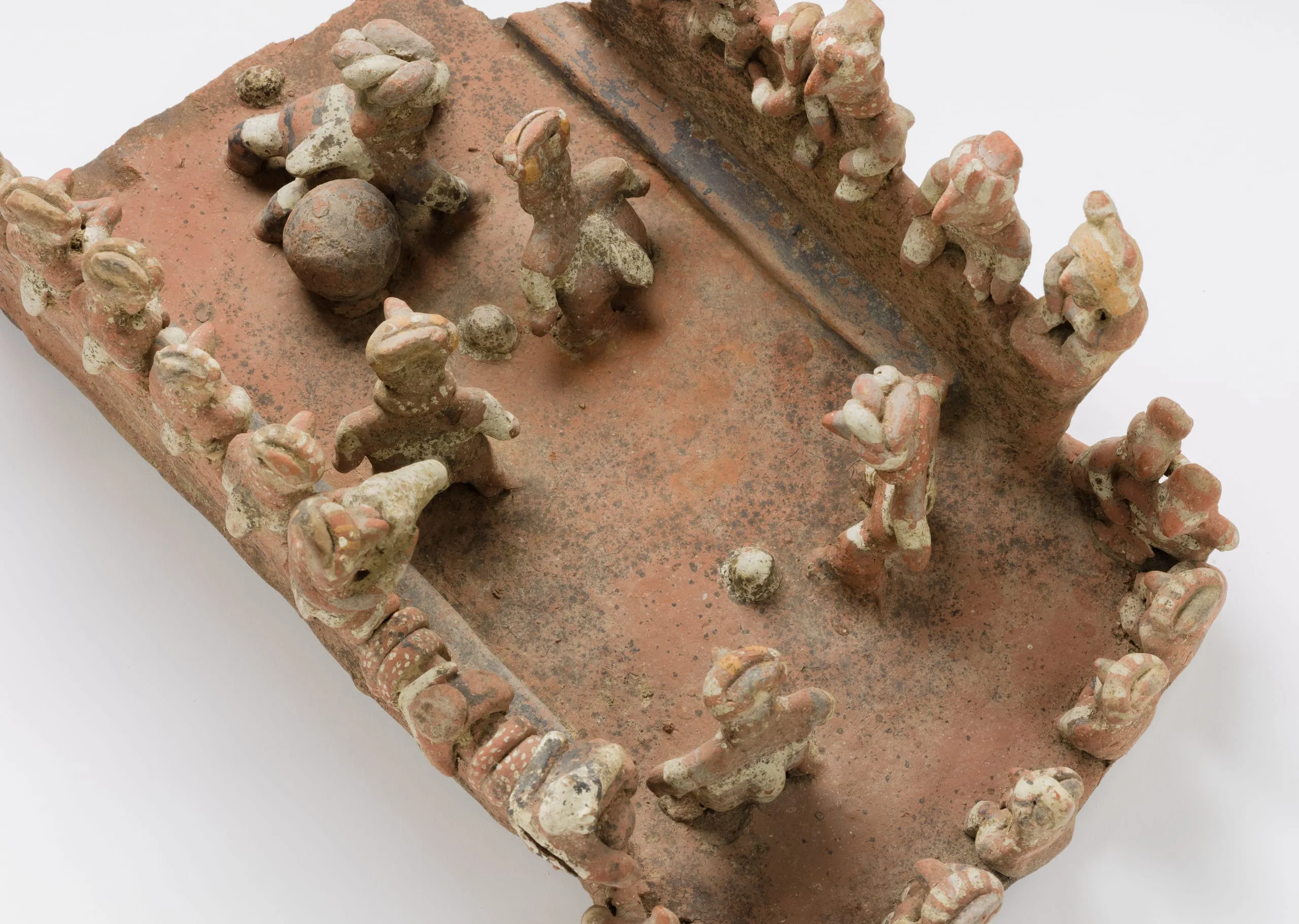
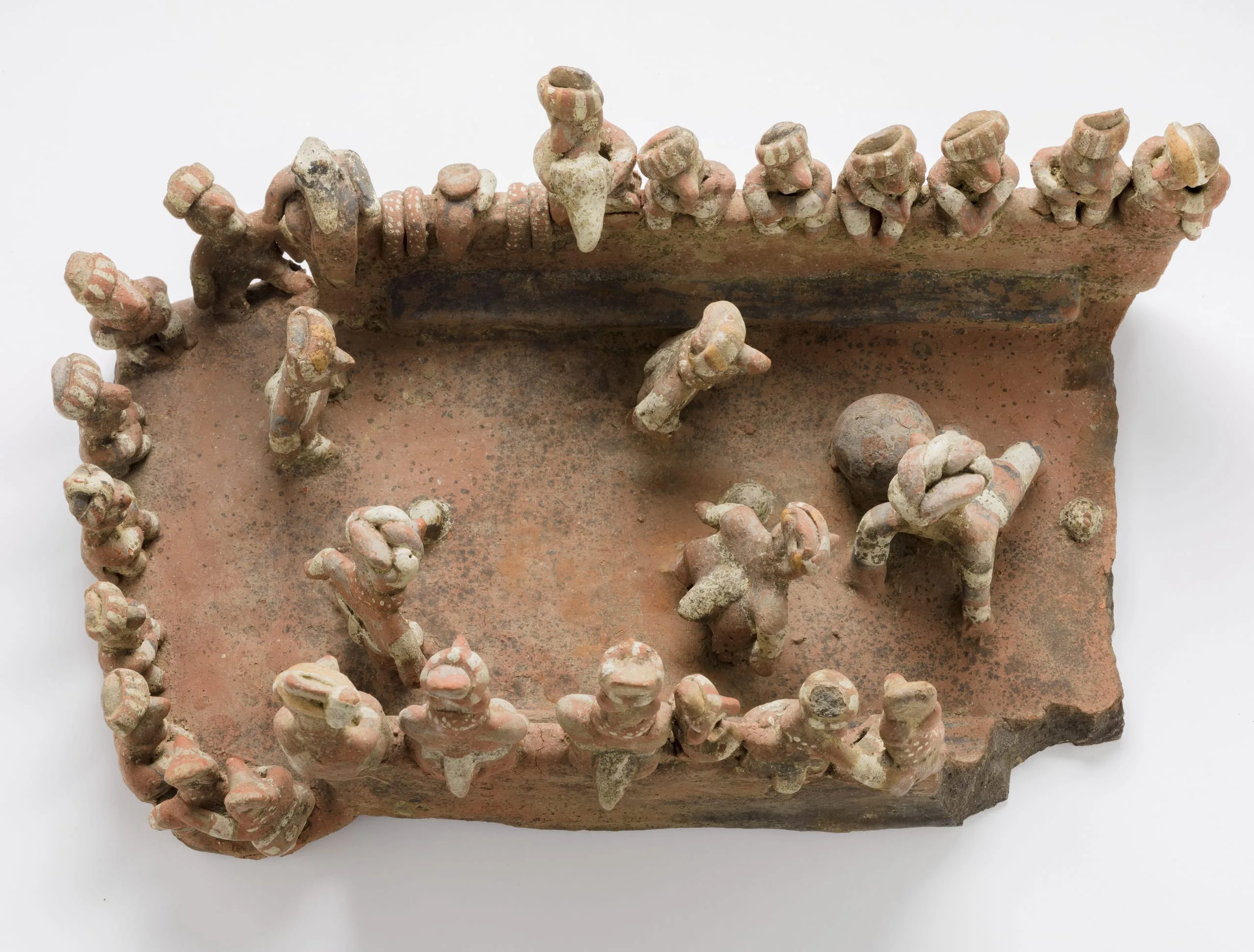
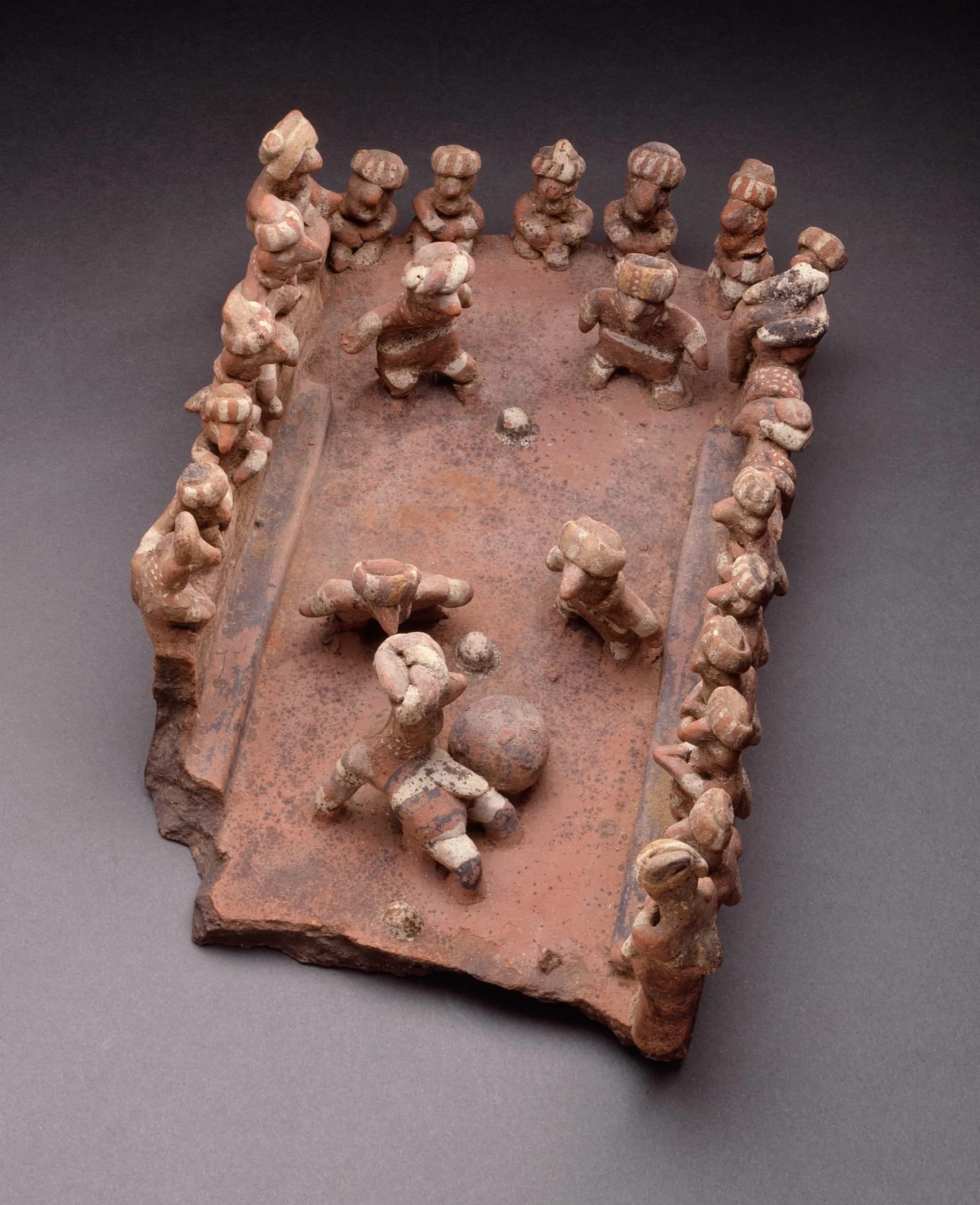
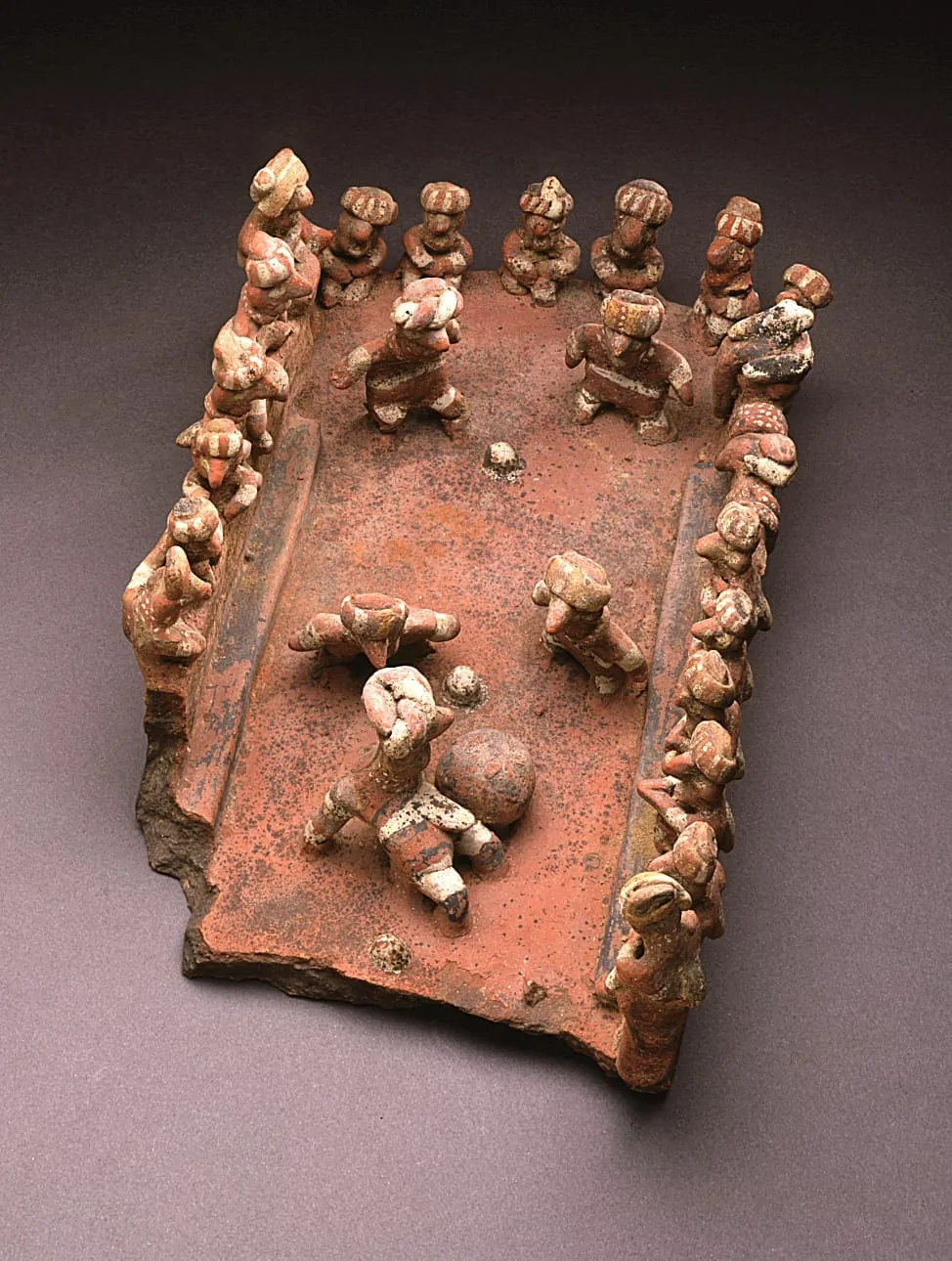
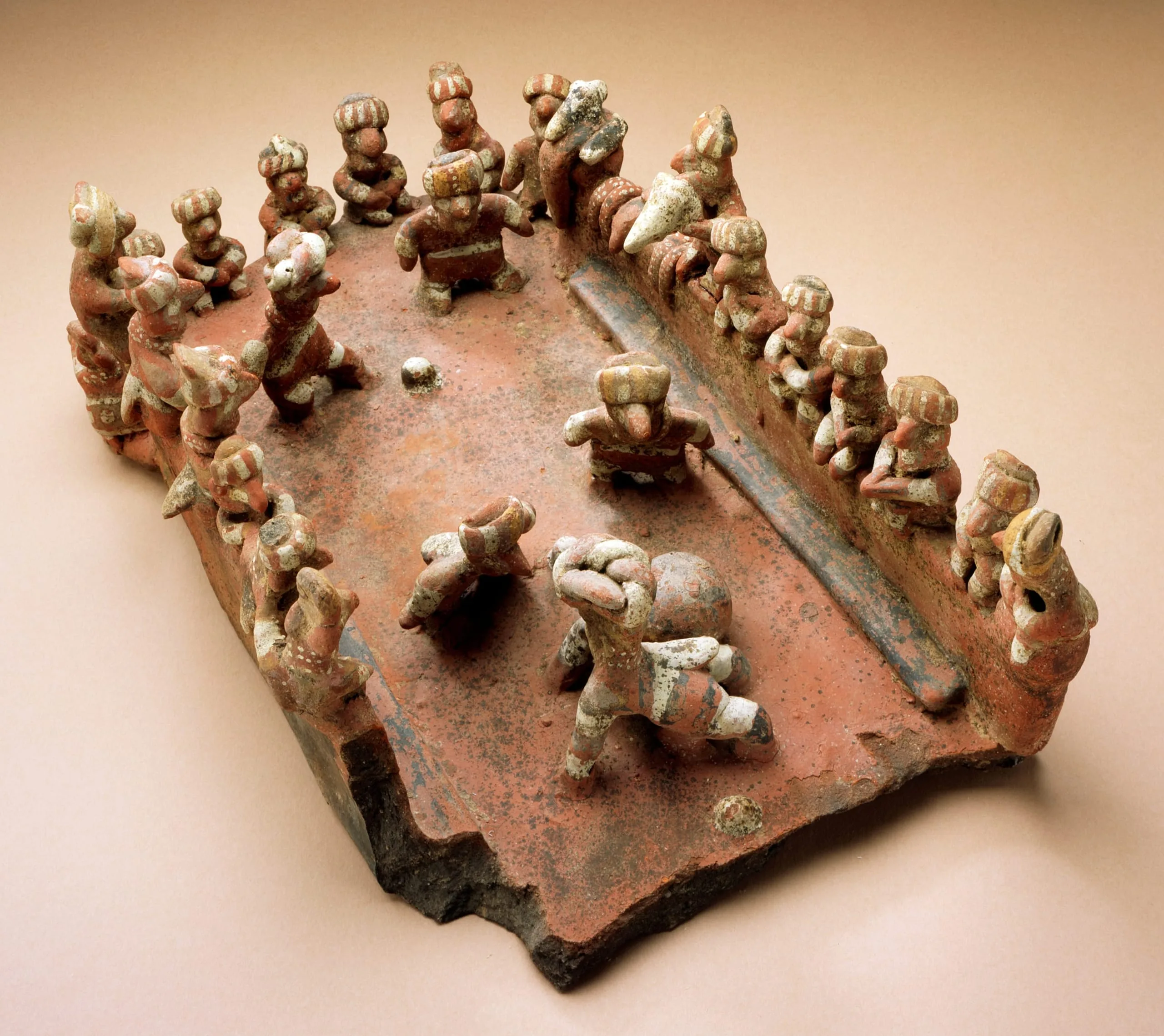
Ballgame Scene200 BCE–500 CE

On view:
Geffen Galleries, Stonework from Mesoamerica and the Caribbean Coast
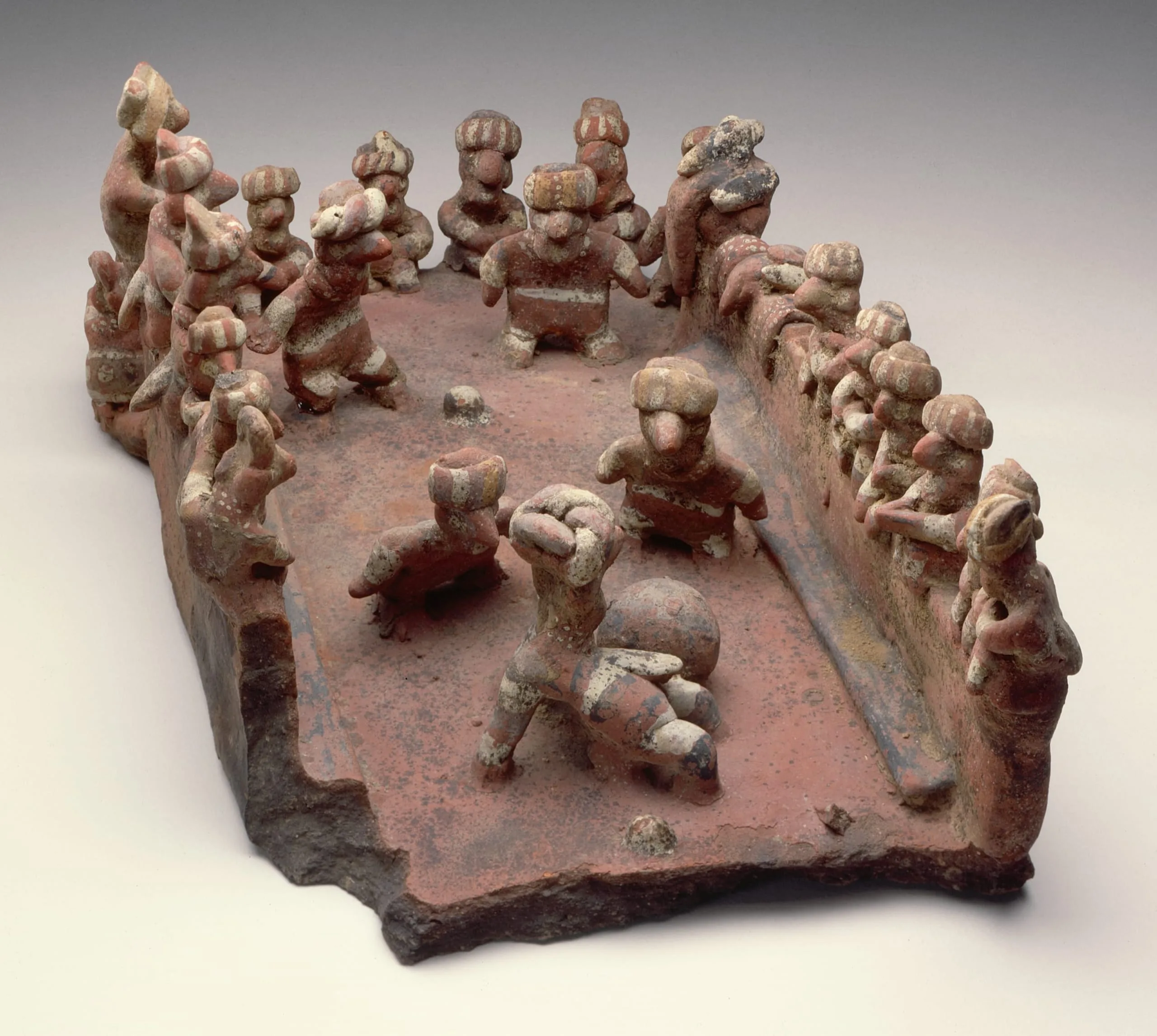
Terra-cotta ceramic model of an arena with rows of small spectator figures along three walls and a cluster of figures gathered around a ball-like form in the center
Terracotta sculptural scene on a rectangular platform with weathered reddish-brown clay, depicting multiple small figures lining the raised perimeter walls and two figures in the central open area, with traces of white and green pigment remaining.
Ceramic sculptural group on a flat terracotta base, depicting numerous small molded figures arranged around a central scene with two crouching figures, surrounded by standing spectators along a low wall; traces of polychrome pigment visible on the earthenware surface.
Ceramic model of a rectangular ball court with low walls, populated by small hand-modeled figures with traces of red, white, and black pigment; players and spectators arranged around an open playing field with spherical balls, earthenware with worn polychrome surface.
Ceramic model of a rectangular court in terracotta, with rows of small handmodeled human figures lining the perimeter and two figures with a ball on the playing surface; traces of cream and red pigment remain on the weathered clay.
Ceramic model in earthenware with traces of cream and red slip, depicting a rectangular court bordered by rows of small molded human figures; two larger figures and a round ball occupy the interior playing field.
Terracotta ceramic plaque with molded figures arranged around a rectangular court; two central figures interact near a ball while rows of smaller seated and standing figures line all four edges, with traces of original pigment remaining.
Ceramic model of a rectangular court with red-slipped surface, bordered by rows of small molded figures of seated spectators; two central figures interact with a large ball, with traces of polychrome paint throughout.
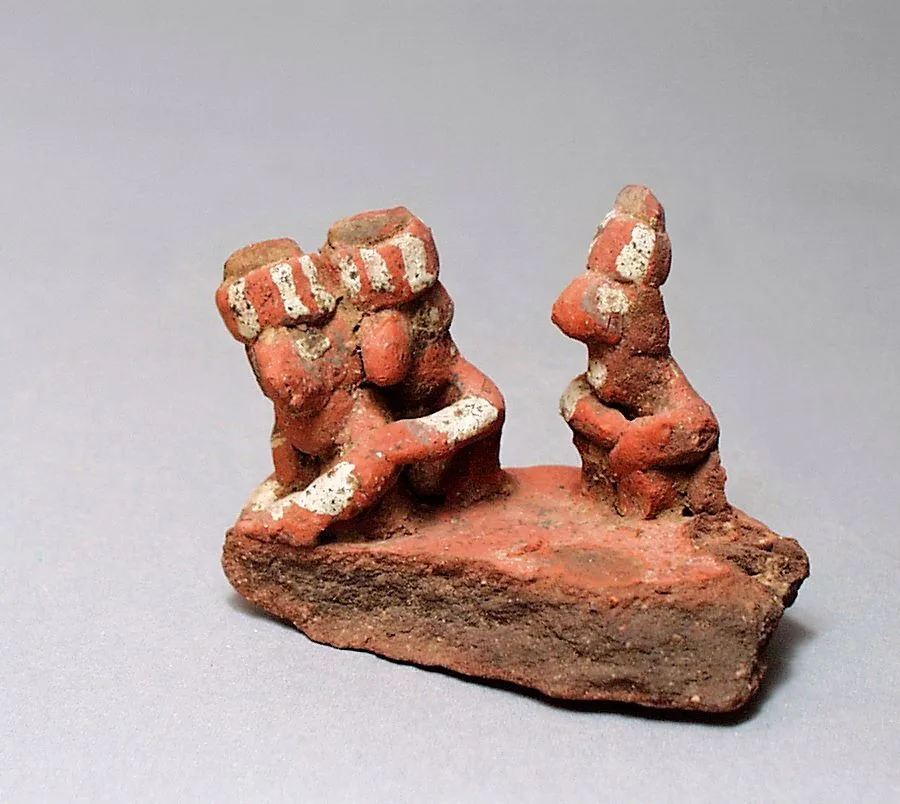
Small terracotta figural group on a flat base, two seated figures facing each other with red slip and white painted striped headdresses, worn surface with visible age and chipping.
Ceramic sculptural group on a rectangular earthenware platform, with rows of small modeled figures lining the perimeter and two larger wrestling figures in the center; traces of red, white, and striped polychrome slip decoration remain.
Ceramic sculptural group with traces of red and white pigment, depicting a rectangular enclosed court with two small figures in the center and over twenty modeled figures arranged along the surrounding walls, each with distinctive headdresses.
Title
Ballgame Scene
Culture
Nayarit
Place Made
Mexico, Nayarit
Date Made
200 BCE–500 CE
Medium
Slip-painted earthenware with postfire pigment
Dimensions
6 × 8 1/2 × 13 1/2 in. (15.24 × 21.59 × 34.29 cm)
Credit Line
The Proctor Stafford Collection, purchased with funds provided by Mr. and Mrs. Allan C. Balch
Accession Number
M.86.296.34
Classification
Ceramics
Collecting Area
Art of the Ancient Americas
Selected Bibliography
  • Pillsbury, Joanne. Design for Eternity: Architectural Models from the Ancient Americas. New York: Metropolitan Museum of Art, 2015.
  • Mexico en el Mundo de las Colecciones de Arte: Mesoamerica. Vol.2. Mexico: Secretaría de Relaciones Exteriores, 1994.
  • Fuente, Beatriz de la, Leticia Staines Cicero, and María Teresa Uriarte. La Escultura Prehispánica de Mesoamérica. Milan: Jaca Book, 2003.
  • Von Winning, Hasso, and Olga Hammer. Anecdotal Sculpture of Ancient West Mexico. Los Angeles: Ethnic Arts Council of Los Angeles, 1972.