LACMA

ShopMembershipMyLACMATickets
LACMA
Los Angeles County Museum of Art
5905 Wilshire Blvd.
Los Angeles, CA 90036
info@lacma.org
(323) 857-6000
Sign up to receive emails
Subscribe
© Museum Associates 2025

Museum Hours

Monday

11 am–6 pm

Tuesday

11 am–6 pm

Wednesday

Closed

Thursday

11 am–6 pm

Friday

11 am–8 pm

Saturday

10 am–7 pm

Sunday

10 am–7 pm


  • About LACMA
  • Jobs
  • Building LACMA
  • Host An Event
  • Unframed
  • Press
  • FAQs
  • Log in to MyLACMA
  • Privacy Policy
© Museum Associates 2025
Collections

Unknown
Manuscript of the Delivery from Hell Tantra (Ngan song sbyong rgyud)circa 1630

Not on view
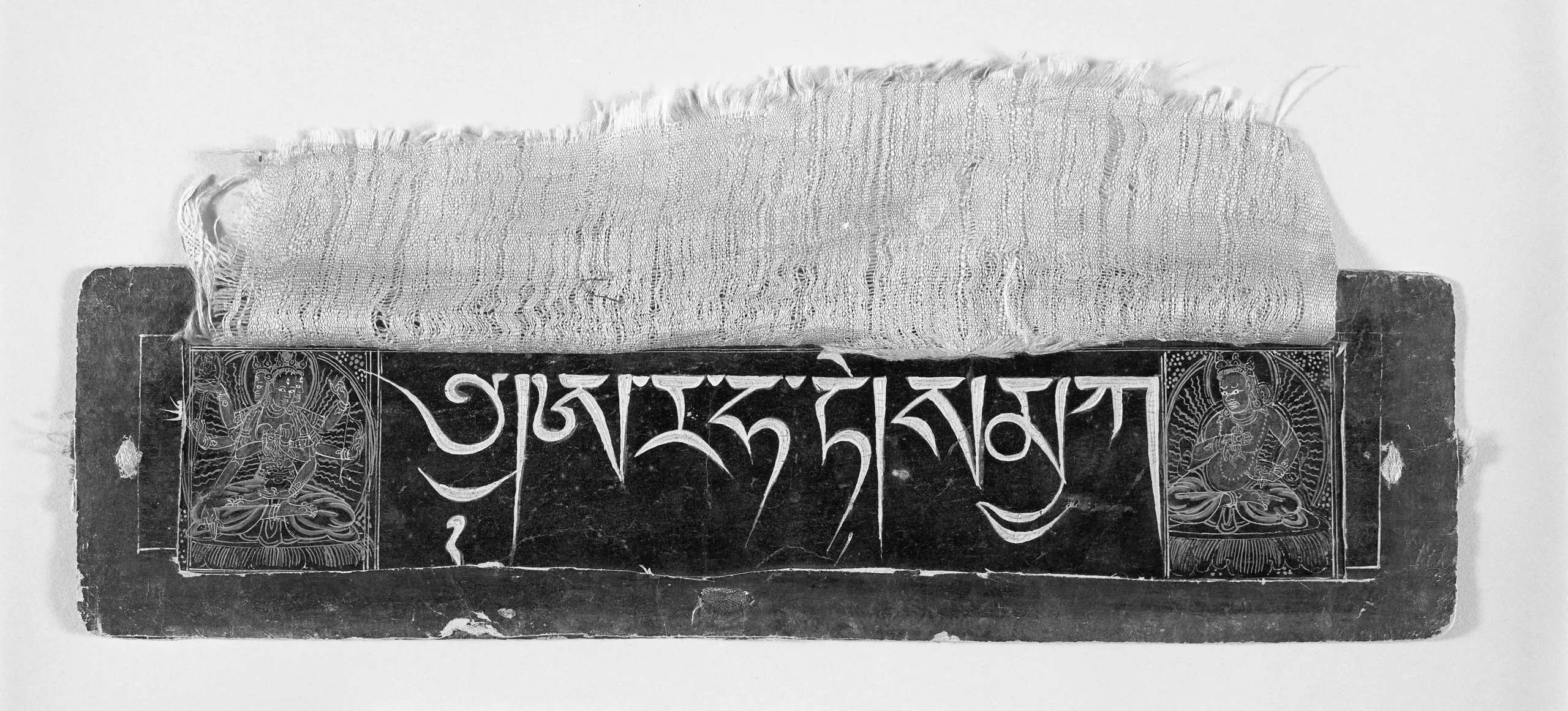
Black wooden manuscript board with Tibetan script in white at center, flanked by two small panels depicting seated figures on lotus thrones, with frayed fabric draped over the top edge
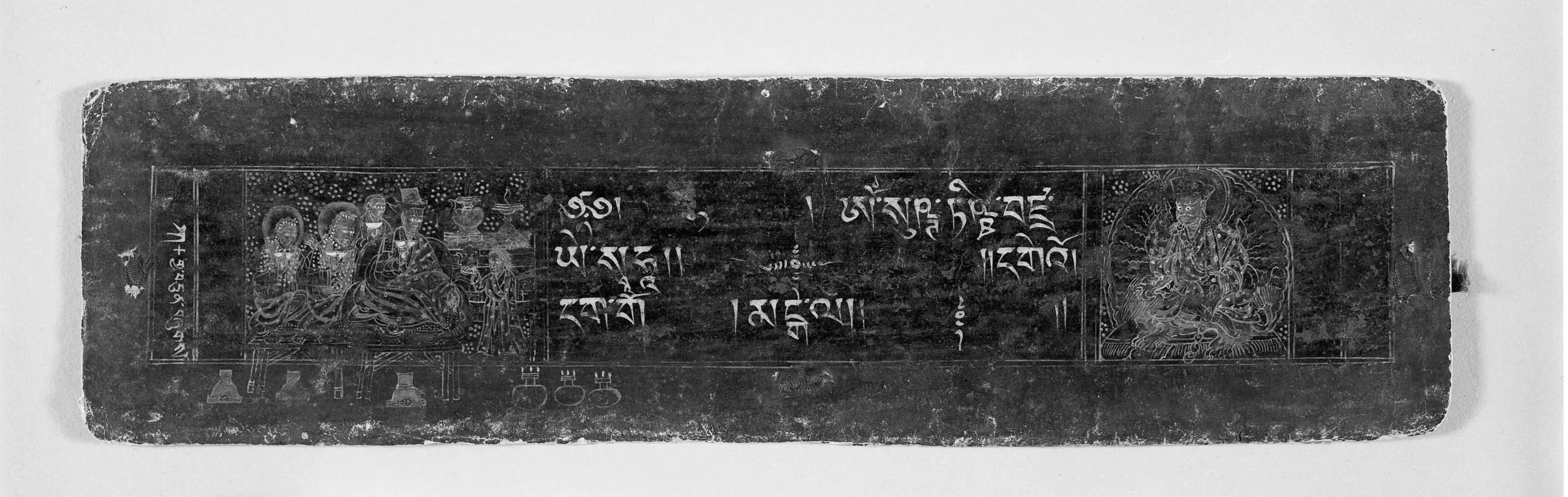
Painted manuscript cover, dark ground with two illustrated panels flanking lines of Tibetan script; left panel shows a group of seated figures, right panel shows a single figure in a circular frame, rendered in white and light tones on black lacquered wood.
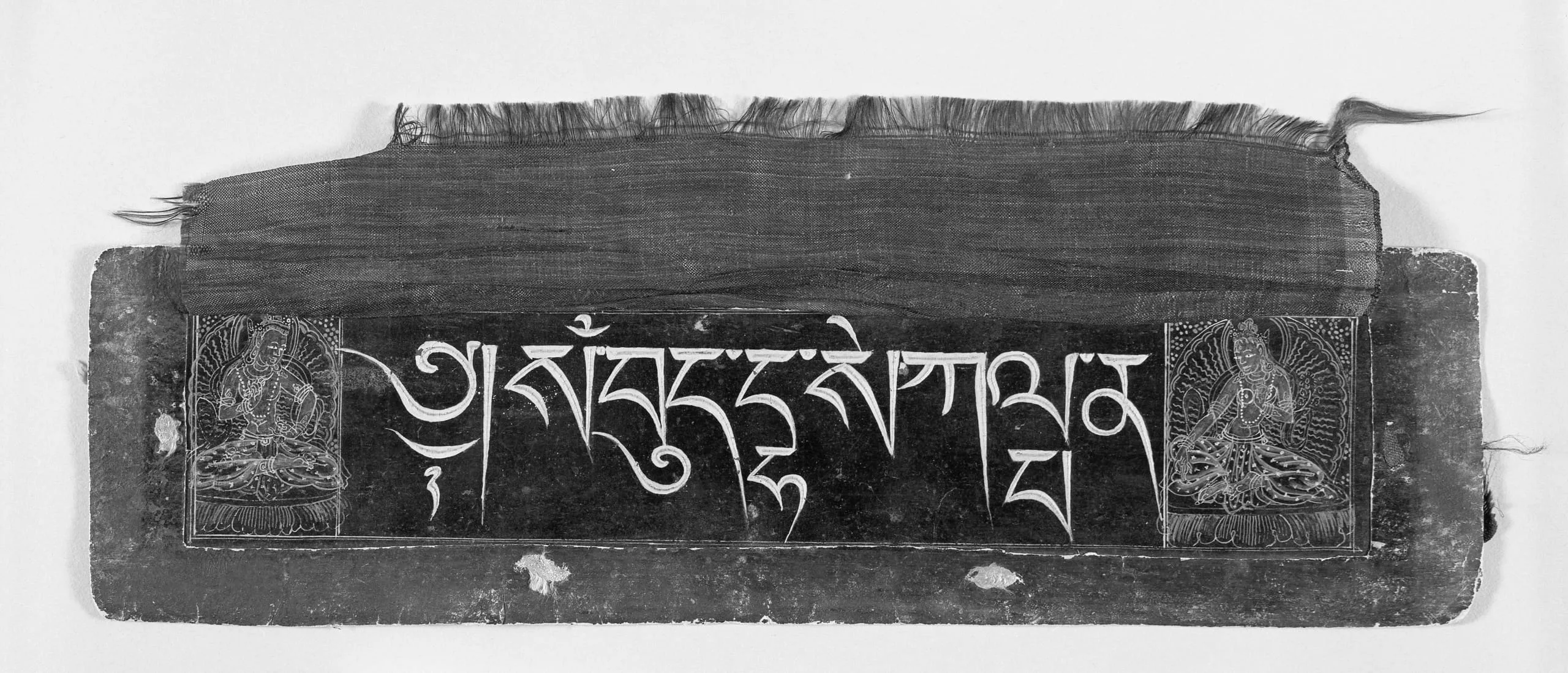
Black lacquered manuscript cover with white Tibetan script across the center, flanked by two small painted panels depicting seated figures in meditation pose with halos, fiber binding visible at top edge.
Artist or Maker
Unknown
Title
Manuscript of the Delivery from Hell Tantra (Ngan song sbyong rgyud)
Place Made
Western Tibet, Guge, Tsaparang
Date Made
circa 1630
Medium
Opaque watercolor and gold paint on paper; cardboard covers
Dimensions
Each folio: 3 3/8 x 12 3/8 in. (8.6 x 31.4 cm)
Credit Line
Christian Humann Asian Art Fund
Accession Number
M.86.292.1-.183
Classification
Manuscripts
Collecting Area
South and Southeast Asian Art
Curatorial Notes

This Buddhist manuscript of 183 leaves is of a tantric text known as the Delivery from Hell Tantra (Ngan song sbyong rgyud). The eleven illustrations are atypically rendered in the black-field painting style, with line drawings made of gold paint and accented by light washes of color. They depict various Buddhist deities, including Vaishravana, the regent of the north and god of wealth; Tibetan Buddhist lamas; and the last ruler of the western Tibetan kingdom of Guge and members of his family receiving offering libations. The Guge ruler, King Chadakpo, was deposed with the assistance of the Ladakhi army in 1630 by discontented Buddhist monks for his increasing patronage of Christianity. The king and members of his family were then exiled to Ladakh.

The colophon reads:

The glorious royal emblem of the perfectly fulfilled Buddha Tathagata, who completely delivers all kings in hell. So it is called.

(Translation by H. E. Richardson.)

Selected Bibliography
  • Pal, Pratapaditya. Art of Tibet. Expanded edition. Los Angeles: Los Angeles County Museum of Art, 1990.