LACMA

ShopMembershipMyLACMATickets
LACMA
Los Angeles County Museum of Art
5905 Wilshire Blvd.
Los Angeles, CA 90036
info@lacma.org
(323) 857-6000
Sign up to receive emails
Subscribe
© Museum Associates 2025

Museum Hours

Monday

11 am–6 pm

Tuesday

11 am–6 pm

Wednesday

Closed

Thursday

11 am–6 pm

Friday

11 am–8 pm

Saturday

10 am–7 pm

Sunday

10 am–7 pm


  • About LACMA
  • Jobs
  • Building LACMA
  • Host An Event
  • Unframed
  • Press
  • FAQs
  • Log in to MyLACMA
  • Privacy Policy
© Museum Associates 2025
Collections

Unknown
Buddha Shakyamuni11th century

On view:
Resnick Pavilion, floor 1
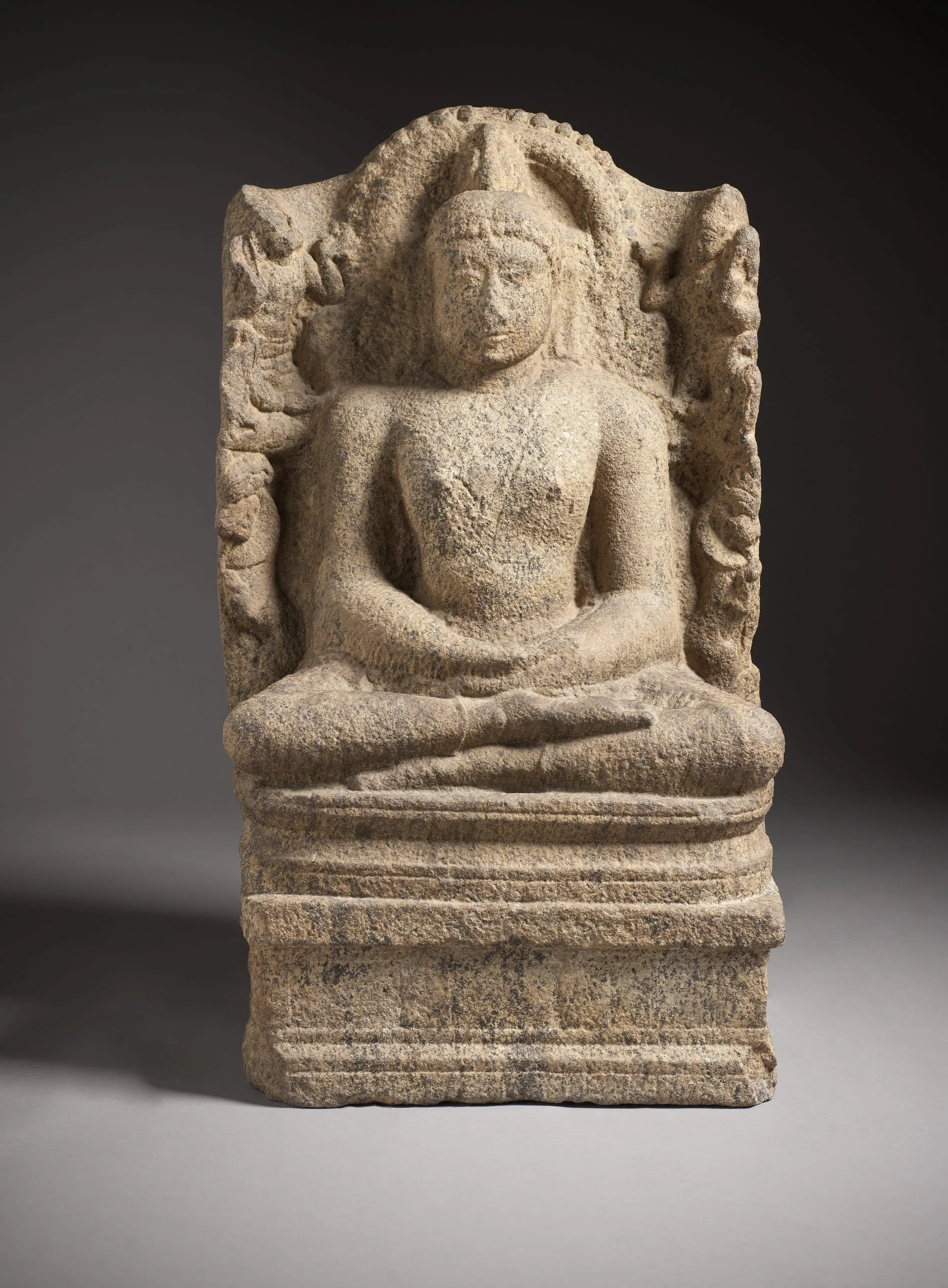
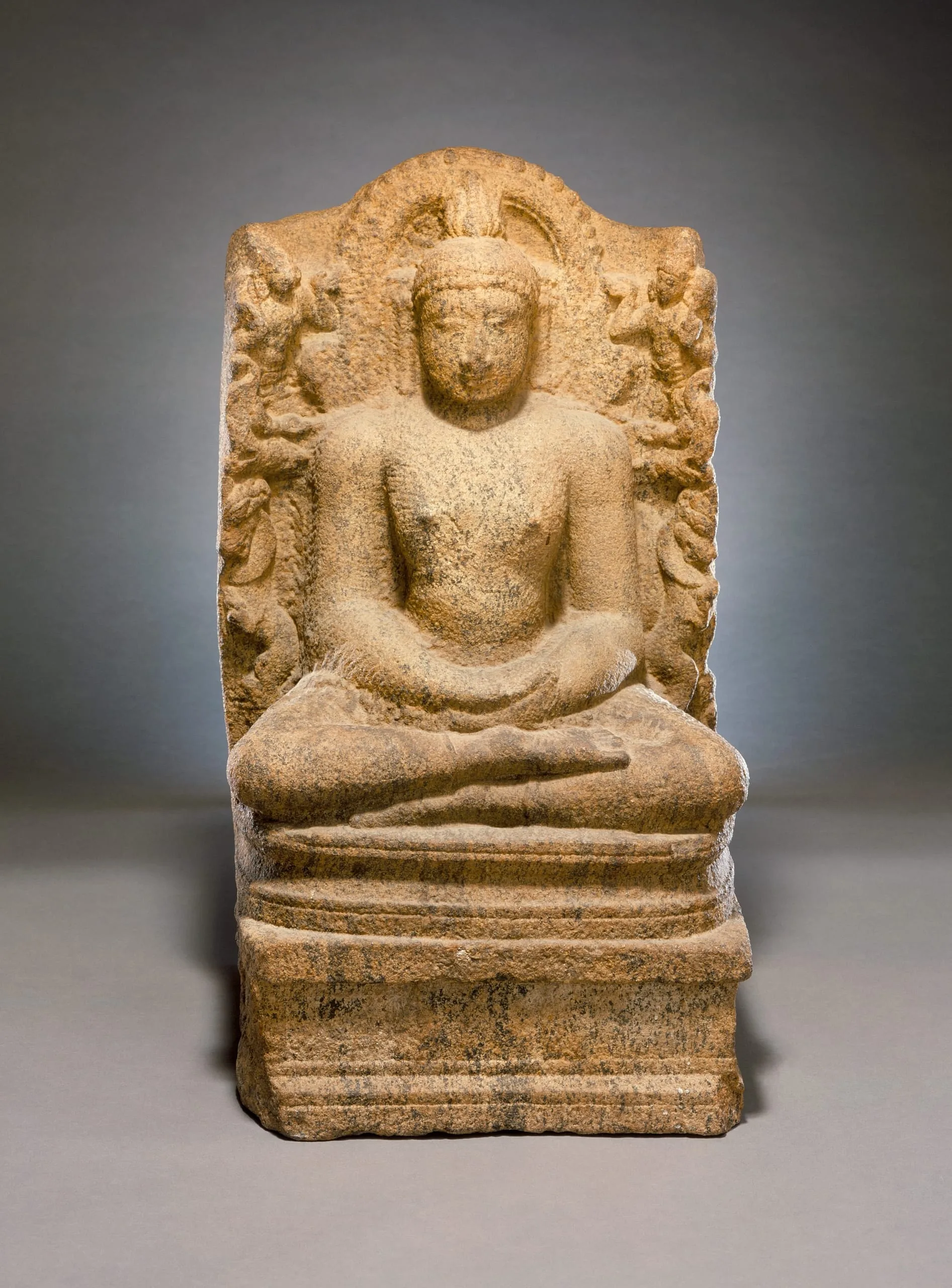
Stone sculpture of a seated meditative figure on a stepped plinth, carved in relief against an arched backboard, in sandy gray-tan stone with a granular surface
Sandstone stele of a seated figure in meditation pose on a tiered throne, hands resting in lap, set against a carved arched backplate with foliate relief decoration and flanking figures at upper sides.
Artist or Maker
Unknown
Title
Buddha Shakyamuni
Place Made
India, Tamil Nadu, Nagapattinam
Date Made
11th century
Medium
Granulite
Dimensions
29 1/2 x 14 1/2 x 17 in. (74.93 x 36.83 x 43.18 cm)
Credit Line
Gift of Mr. Anthony A. Manheim
Accession Number
M.80.227
Classification
Sculpture
Collecting Area
South and Southeast Asian Art
Curatorial Notes

This granulite representation of the Buddha Shakyamuni may have been originally carved for a Buddhist monastery, the Chudamani Vihara, located near the seaport of Nagapattinam, Tamil Nadu. The monastery was founded in 1006 by Shri Mara Vijayottungavarman (r. circa 1008-1025) of the Srivijayan Empire (circa 671-1025) with the encouragement of the great Chola Dynasty monarch, Rajaraja Chola I (r. 1012-1014).

The Buddha is nimbate, enthroned, and seated in the meditation posture (padma asana) with his hands held in the gesture of meditation (dhyana mudra). He wears a diaphanous robe over his left shoulder. He has several of the standard iconographic features: snail-curl hair, a cranial protuberance (ushnisha) emblematic of his omniscience, elongated earlobes symbolizing his renunciation of the material world, and perhaps a sacred forehead marking (urna). A distinctive attribute is the flame finial surmounting the ushnisha, which is characteristic of Nagapattinam Buddhas (see M.72.29) as well as some Sri Lankan Buddha images. Flanking the Buddha on the sides of the throneback are rearing leonine creatures (vyalaka), mythical aquatic creatures (makara) in the form of terminals, and adoring celestial figures bearing honorific fly whisks (cauri or chowri).
Selected Bibliography
  • Little, Stephen, and Tushara Bindu Gude. Realms of the Dharma: Buddhist Art across Asia. Los Angeles: Los Angeles County Museum of Art, 2025.