LACMA

ShopMembershipMyLACMATickets
LACMA
Los Angeles County Museum of Art
5905 Wilshire Blvd.
Los Angeles, CA 90036
info@lacma.org
(323) 857-6000
Sign up to receive emails
Subscribe
© Museum Associates 2025

Museum Hours

Monday

11 am–6 pm

Tuesday

11 am–6 pm

Wednesday

Closed

Thursday

11 am–6 pm

Friday

11 am–8 pm

Saturday

10 am–7 pm

Sunday

10 am–7 pm


  • About LACMA
  • Jobs
  • Building LACMA
  • Host An Event
  • Unframed
  • Press
  • FAQs
  • Log in to MyLACMA
  • Privacy Policy
© Museum Associates 2025
Collections

Unknown
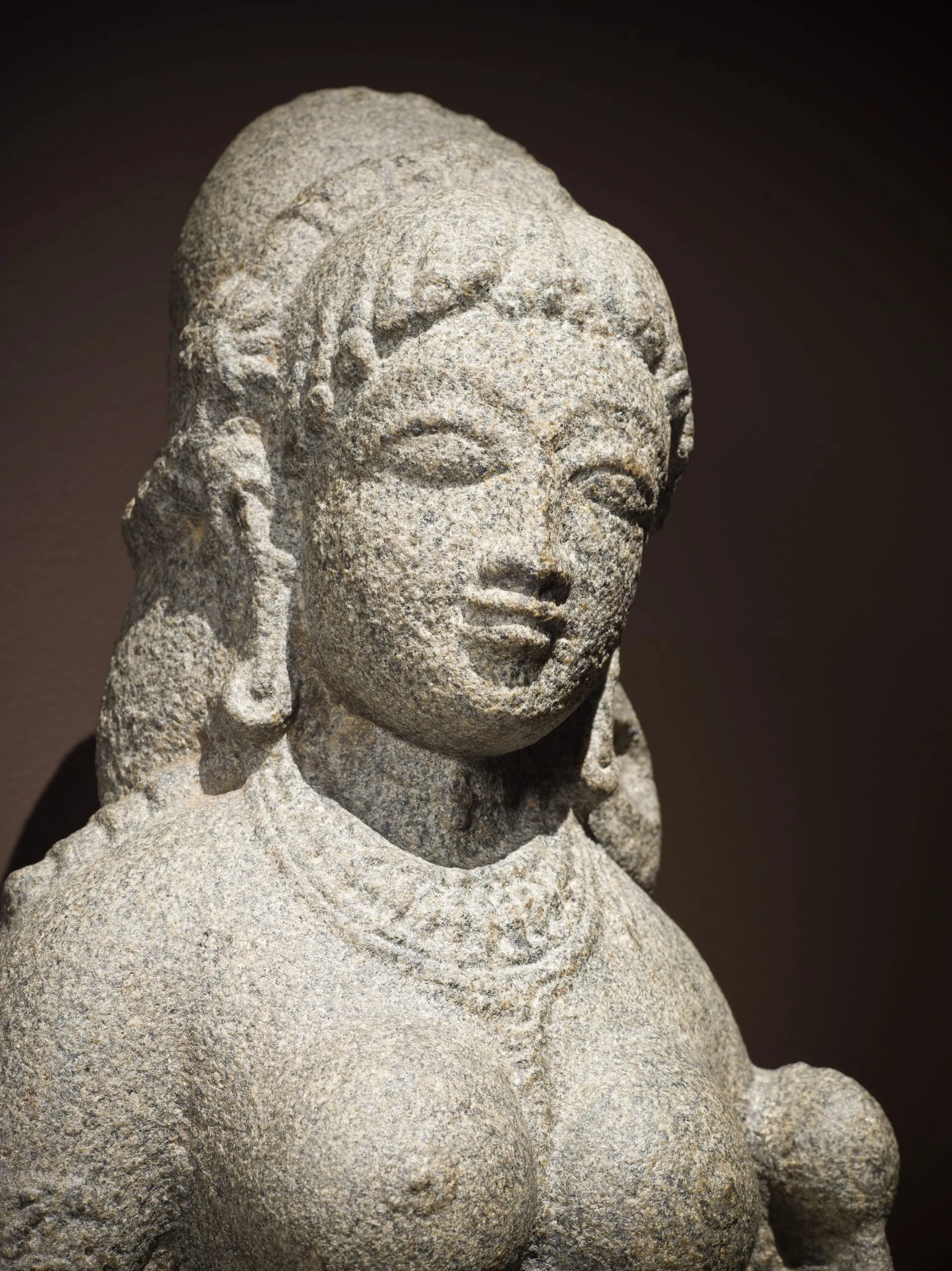
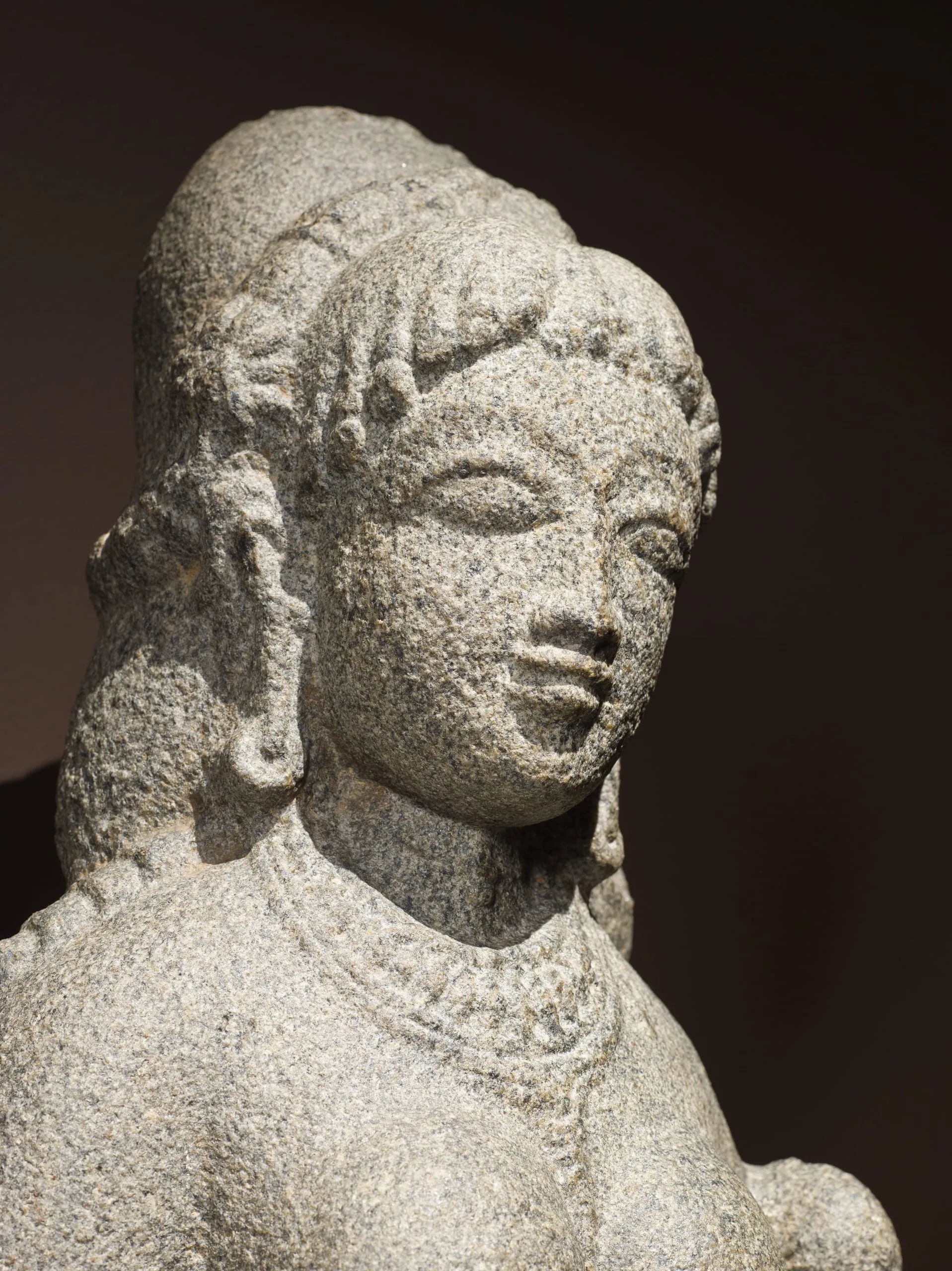
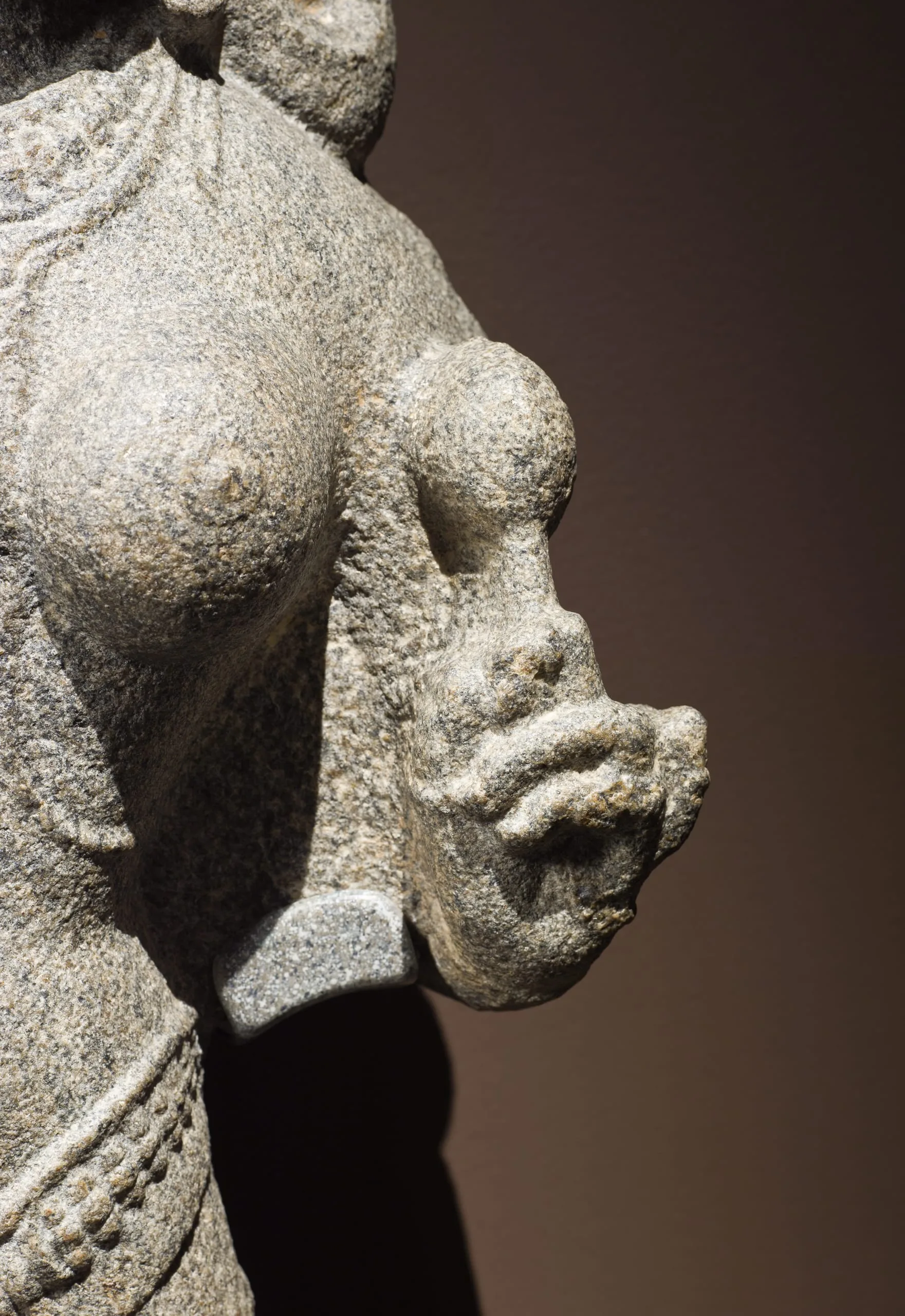
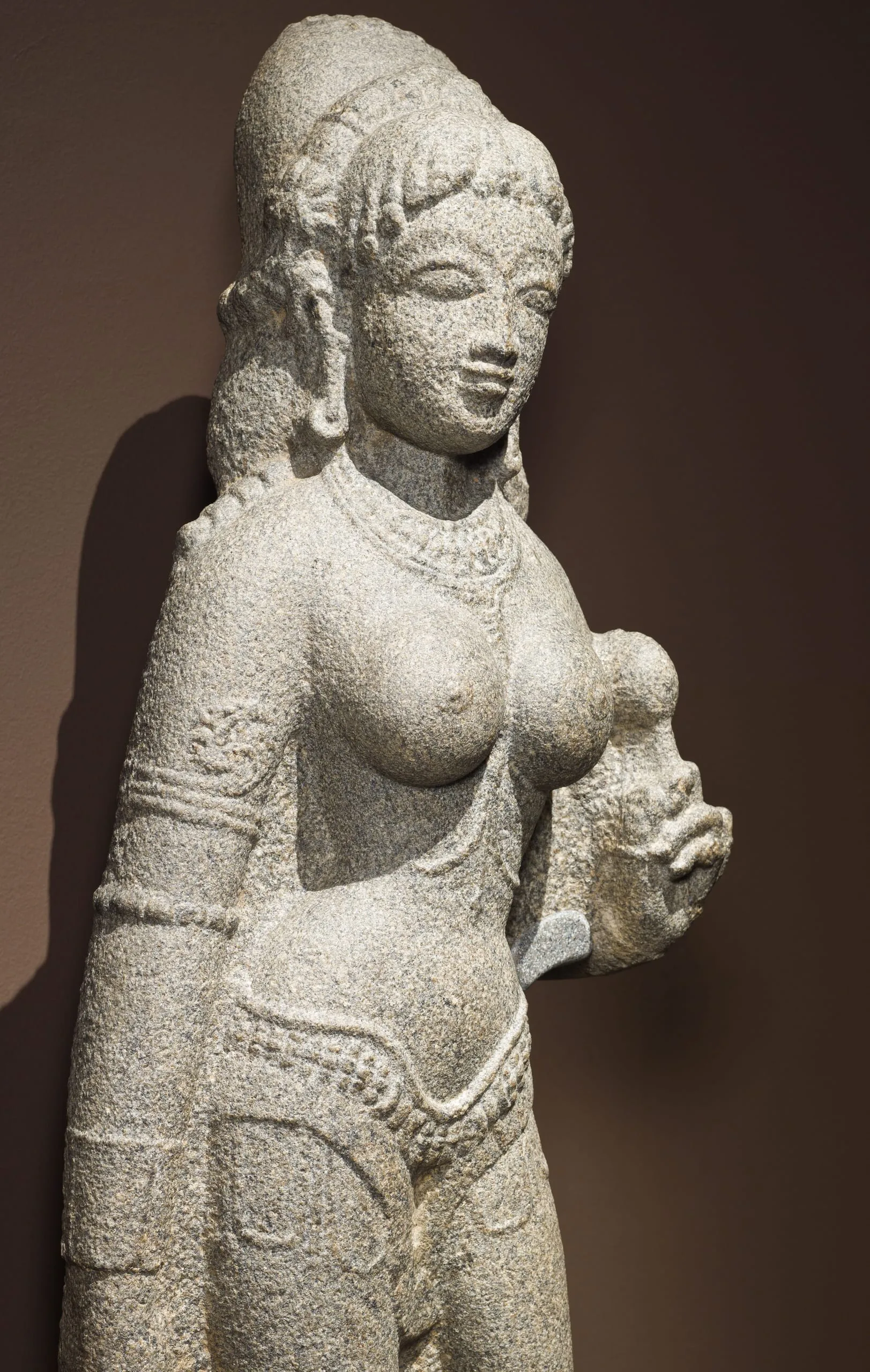
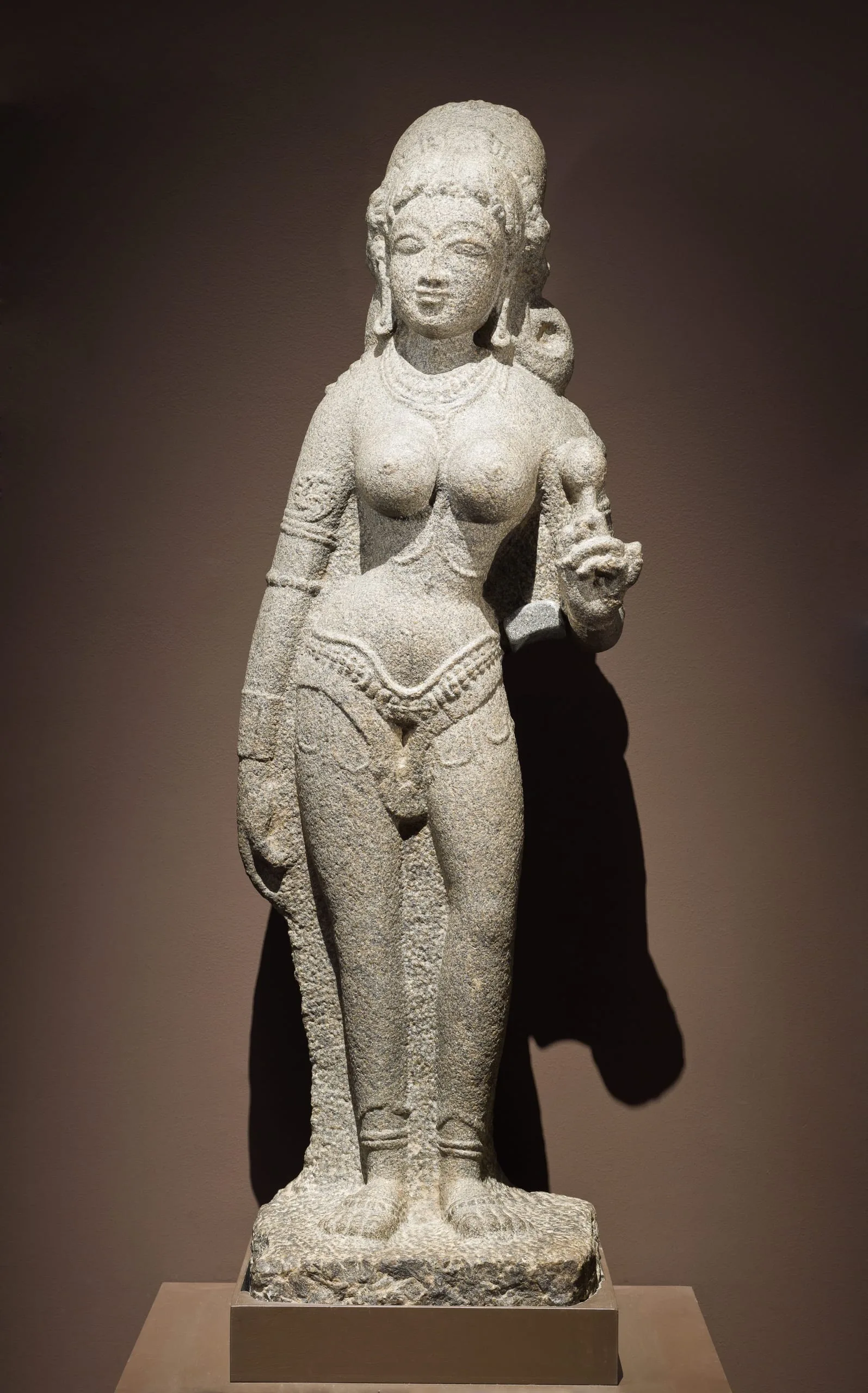
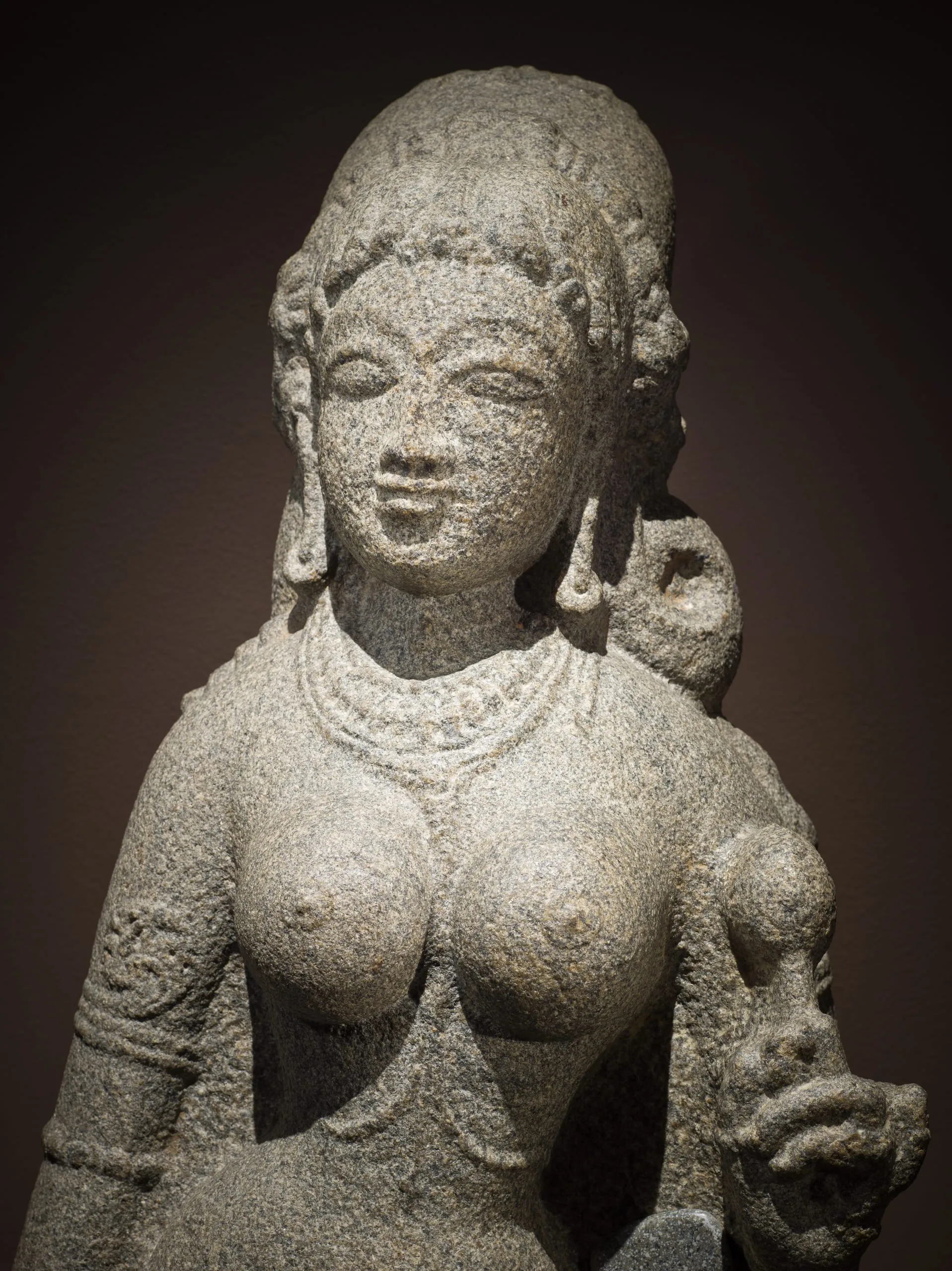
Sita as Goddesscirca 1100

Not on view
Granite sculpture of a standing female figure with elaborate headdress, beaded jewelry, and wrapped lower garment, on a rectangular stone base
Granite sculpture, upper torso of a female deity with elaborately coiled hair, drop earrings, and a beaded necklace, holding an attribute in one hand; finely textured stone surface with carved jewelry and garment details, photographed against a dark background.
Granite sculpture, close-up of an upper torso and face of a deity figure with serene downcast eyes, ornate coiled hair, pendant earrings, and a carved necklace, with fine surface texture visible throughout.
Granite sculpture, close-up of a deity figure's head and upper torso, with carved curling hair, elongated earlobes, pendant earring, and beaded necklace, shot against a dark brown background.
Granite sculpture fragment showing a torso and arm, with a small carved face or head held in the hand; coarse-textured gray stone with beaded necklace detail at chest.
Granite sculpture of a standing female figure, shown from the waist up, with elaborately dressed hair, beaded necklace, armlets, and a decorative waistband; holds a small vessel in one hand; fine-grained stone with textured surface.
Artist or Maker
Unknown
Title
Sita as Goddess
Place Made
India, Tamil Nadu
Date Made
circa 1100
Medium
Granulite
Dimensions
52 x 16 x 11 3/4 in. (132.08 x 40.64 x 29.84 cm)
Credit Line
From the Nasli and Alice Heeramaneck Collection, Museum Associates Purchase
Accession Number
M.80.6.5
Classification
Sculpture
Collecting Area
South and Southeast Asian Art
Curatorial Notes

Sita is the heroine of the Ramayana (Adventures of Rama), which narrates the legendary life and times of the valiant Prince Rama and his dutiful wife, Princess Sita, who was abducted by Ravana, the arrogant ten-headed demonic King of Lanka (probably modern Sri Lanka), during Rama’s unjust fourteen-year forest exile from his capital of Ayodhya (near present-day Faizabad in northern India). Upon learning of her captivity by Ravana, Rama and his faithful brother Lakshmana assembled a great army of monkeys and bears led by the Monkey-King Sugriva and his General, Hanuman, in order to attack Lanka and rescue Sita. After several magical battles, the princess was freed and the happy couple returned home to rule. But the public doubted Sita’s loyalty to Rama during her captivity and she was forced to undergo a trial by fire to prove her innocence. Sita is also the Hindu goddess of beauty and devotion, a mother goddess, and an avatar of the goddess Lakshmi. This granulite sculpture likely represents Sita as a goddess rather than in her narrative role.

Sita is portrayed as the epitome of feminine beauty in the artistic canon of the Chola Dynasty (848–1279). (See also M.70.5.2-.3, M.70.69.2-.3, and M.80.121.) She has long legs, a slender torso, topless full breasts, and stands with her left leg slightly bent (kuncitapada). Her ornamented hair is braided and wound round the head in the dhammilla fashion. She wears abundant jewelry, including an ornate hip belt (katibandha) with pearl pendants, and a transparent lower garment (antariya). She holds a lotus bud in her left hand. Her right arm dangles along her outer side in relation to her customary position on Rama’s right.
Selected Bibliography
  • Newman, Richard. The Stone Sculpture of India: a Study of the Materials Used by Indian Sculptors from ca. 2nd Century B.C. to the 16th Century. Cambridge, MA: Center for Conservation and Technical Studies, Harvard University Art Museums, 1984.