LACMA

ShopMembershipMyLACMATickets
LACMA
Los Angeles County Museum of Art
5905 Wilshire Blvd.
Los Angeles, CA 90036
info@lacma.org
(323) 857-6000
Sign up to receive emails
Subscribe
© Museum Associates 2025

Museum Hours

Monday

11 am–6 pm

Tuesday

11 am–6 pm

Wednesday

Closed

Thursday

11 am–6 pm

Friday

11 am–8 pm

Saturday

10 am–7 pm

Sunday

10 am–7 pm


  • About LACMA
  • Jobs
  • Building LACMA
  • Host An Event
  • Unframed
  • Press
  • FAQs
  • Log in to MyLACMA
  • Privacy Policy
© Museum Associates 2025
Collections

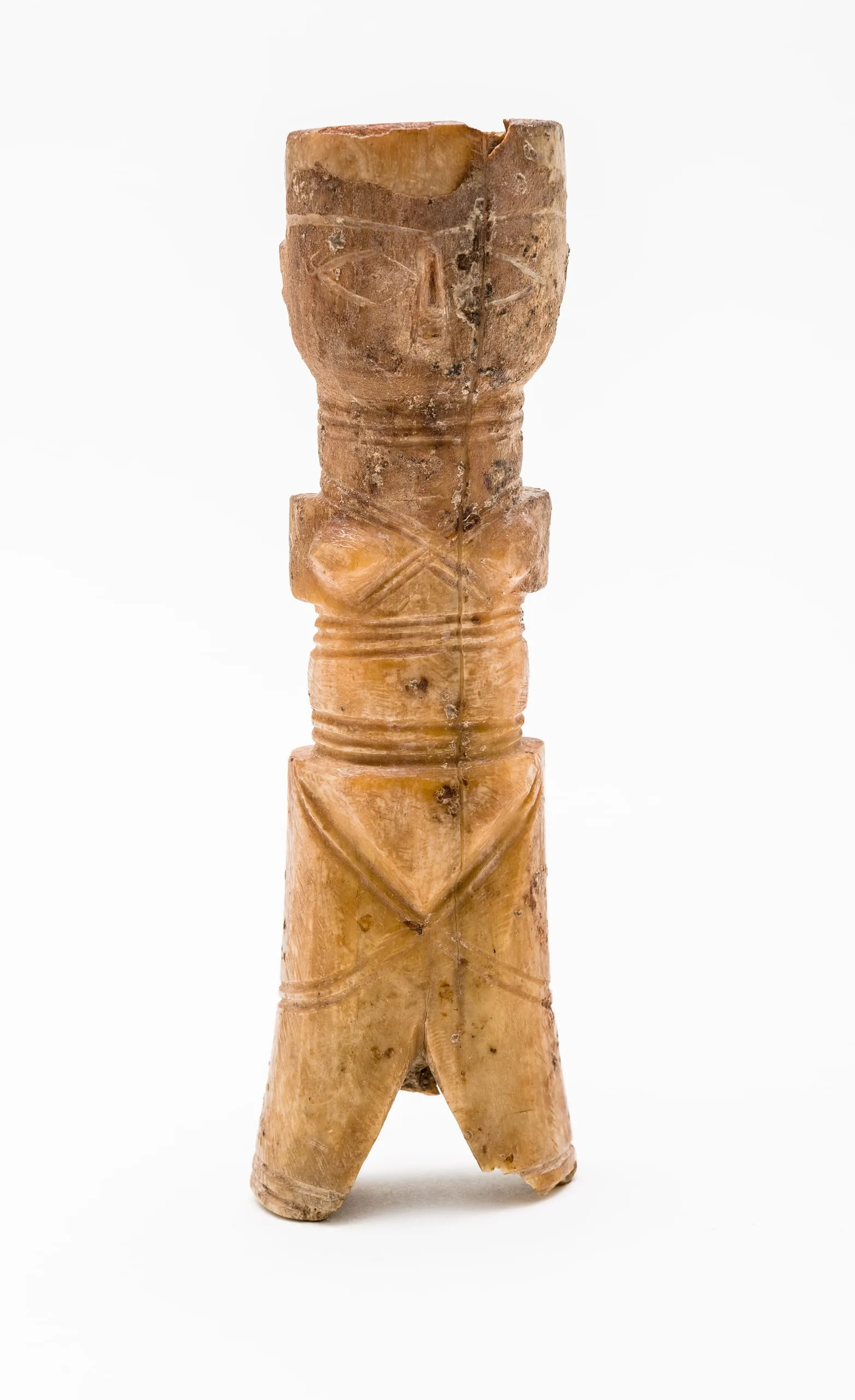
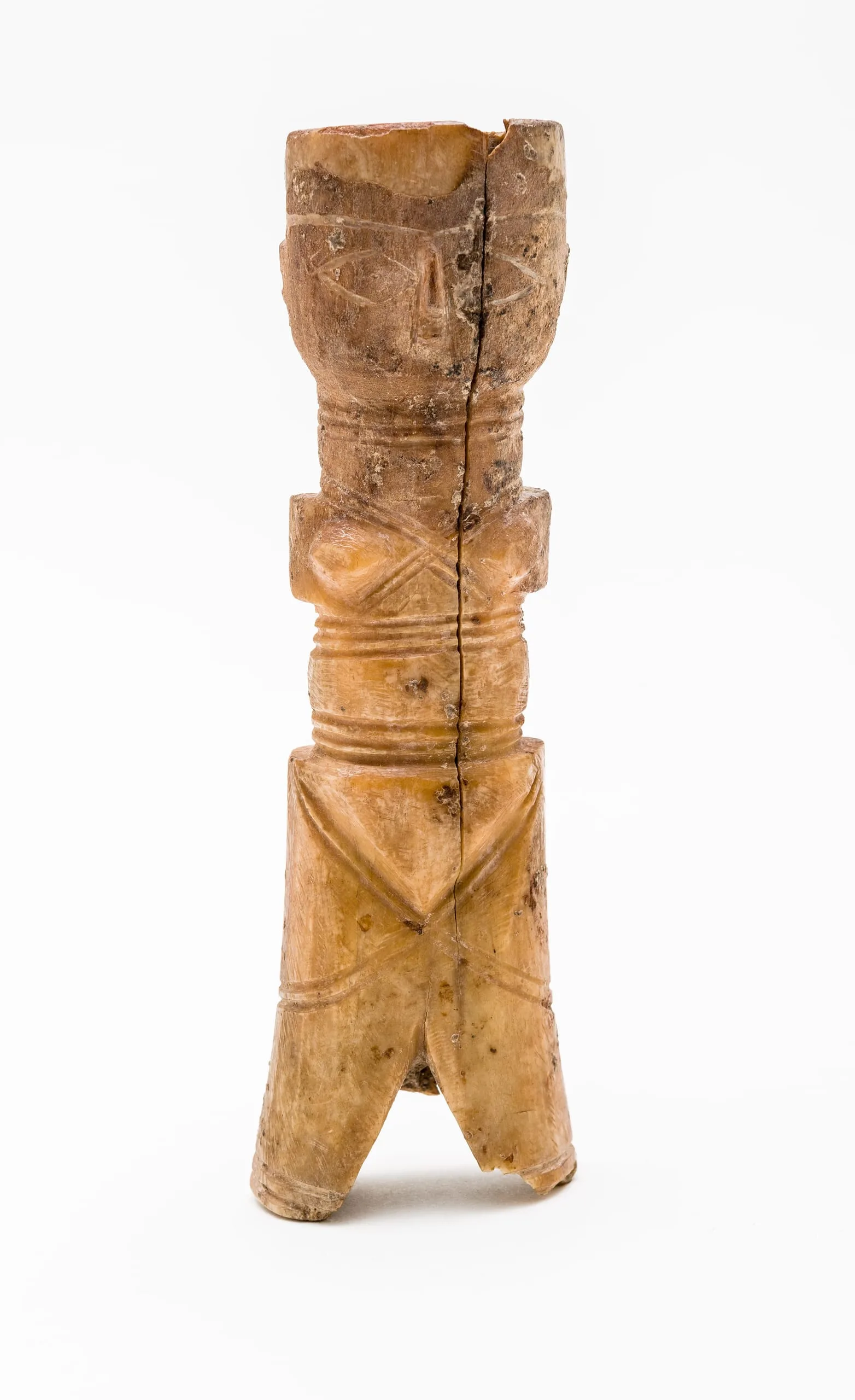
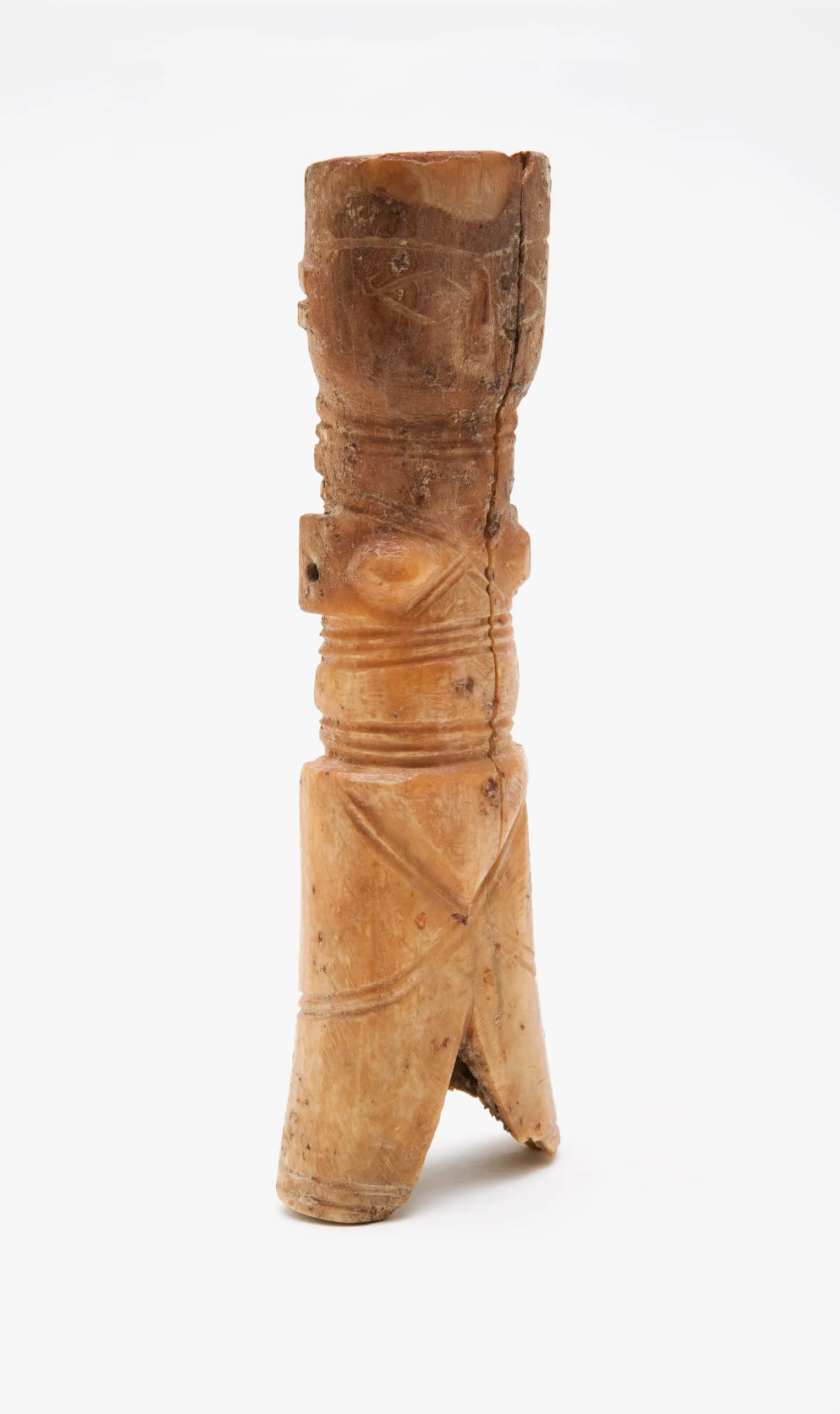
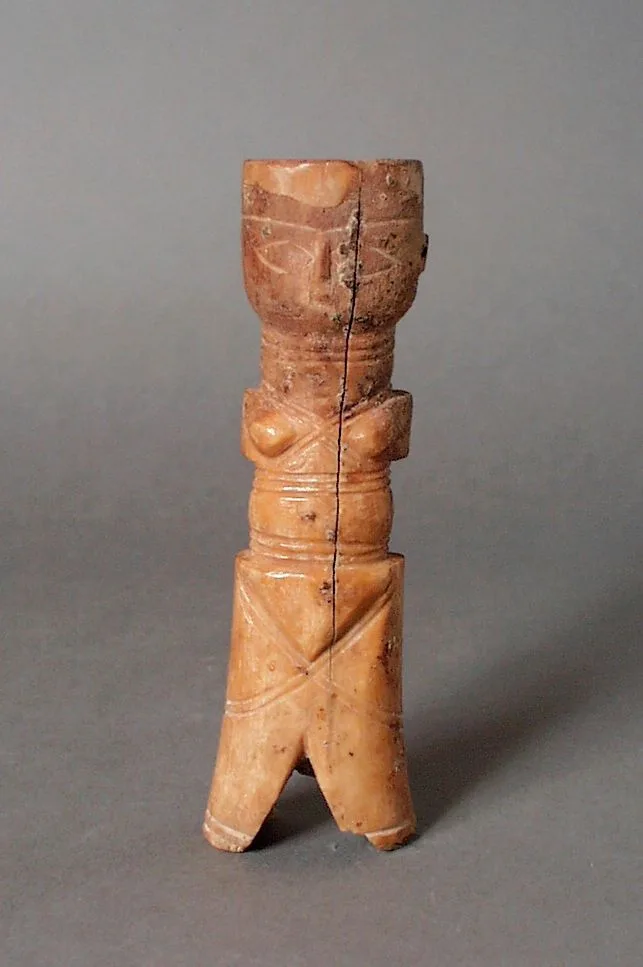
Female Figure8th-10th century

On view:
Geffen Galleries, Islamic Art and Late Antiquity
Small standing figurine carved from bone or ivory, honey-tan in color, with incised facial features, chevron chest decoration, and splayed legs; top of head broken off
Small carved bone or ivory figure with a schematic human form: incised facial features at top, geometric diamond patterns on the torso, and splayed legs at the base; warm tan coloring with surface wear and a visible vertical crack.
Small carved bone figure with a cylindrical head, incised geometric patterns on the torso and head, a banded neck, and two short legs; warm tan color with aged surface.
Small carved bone or ivory standing figure with a large cylindrical head, incised facial features, rounded torso, and splayed legs; warm tan surface with a visible vertical crack and incised geometric patterns on the lower body.
Title
Female Figure
Place Made
Egypt
Date Made
8th-10th century
Medium
Bone, carved
Dimensions
7 x 2 1/4 x 1 in. (17.78 x 5.72 x 2.54 cm)
Credit Line
The Nasli M. Heeramaneck Collection, gift of Joan Palevsky
Accession Number
M.73.5.368
Classification
Organic Materials
Collecting Area
Art of the Middle East: Islamic
Curatorial Notes

Small bone figurines of this type have been found in large numbers in archaeological excavations in Egypt and were likely mass-produced for Late Byzantine markets, a practice that continued after the Muslim conquests. While some scholars believe they are fertility symbols, their discovery in children’s burials suggests that they were used as toys. This female statuette has holes at the shoulders where moveable arms were once attached, enlivening the tiny figure.

Selected Bibliography
  • Lo Terrenal y lo Divino: Arte Islámico siglos VII al XIX Colección del Museo de Arte del Condado de Los Ángeles. Santiago: Centro Cultural La Moneda, 2015.