LACMA

ShopMembershipMyLACMATickets
LACMA
Los Angeles County Museum of Art
5905 Wilshire Blvd.
Los Angeles, CA 90036
info@lacma.org
(323) 857-6000
Sign up to receive emails
Subscribe
© Museum Associates 2025

Museum Hours

Monday

11 am–6 pm

Tuesday

11 am–6 pm

Wednesday

Closed

Thursday

11 am–6 pm

Friday

11 am–8 pm

Saturday

10 am–7 pm

Sunday

10 am–7 pm


  • About LACMA
  • Jobs
  • Building LACMA
  • Host An Event
  • Unframed
  • Press
  • FAQs
  • Log in to MyLACMA
  • Privacy Policy
© Museum Associates 2025
Collections

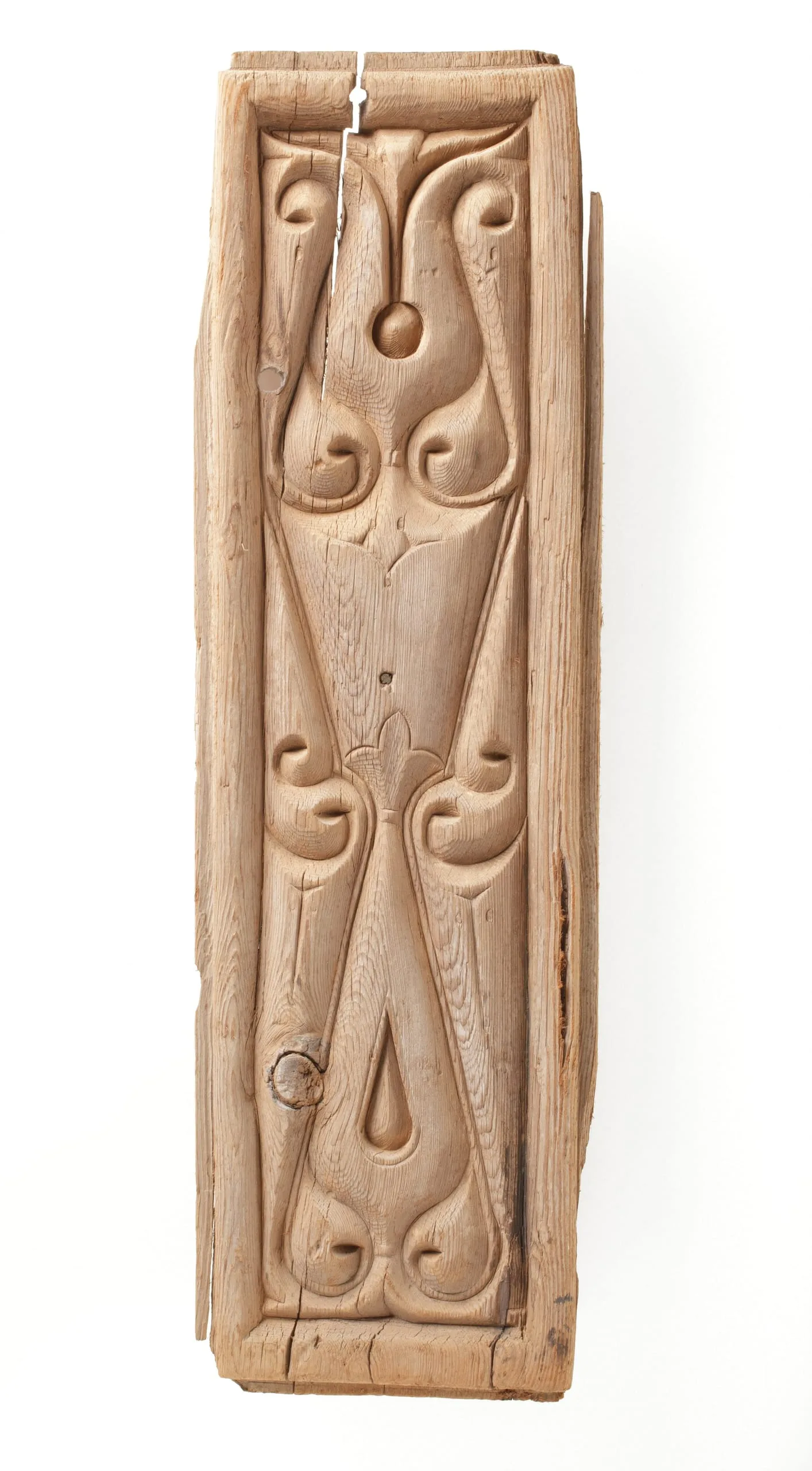
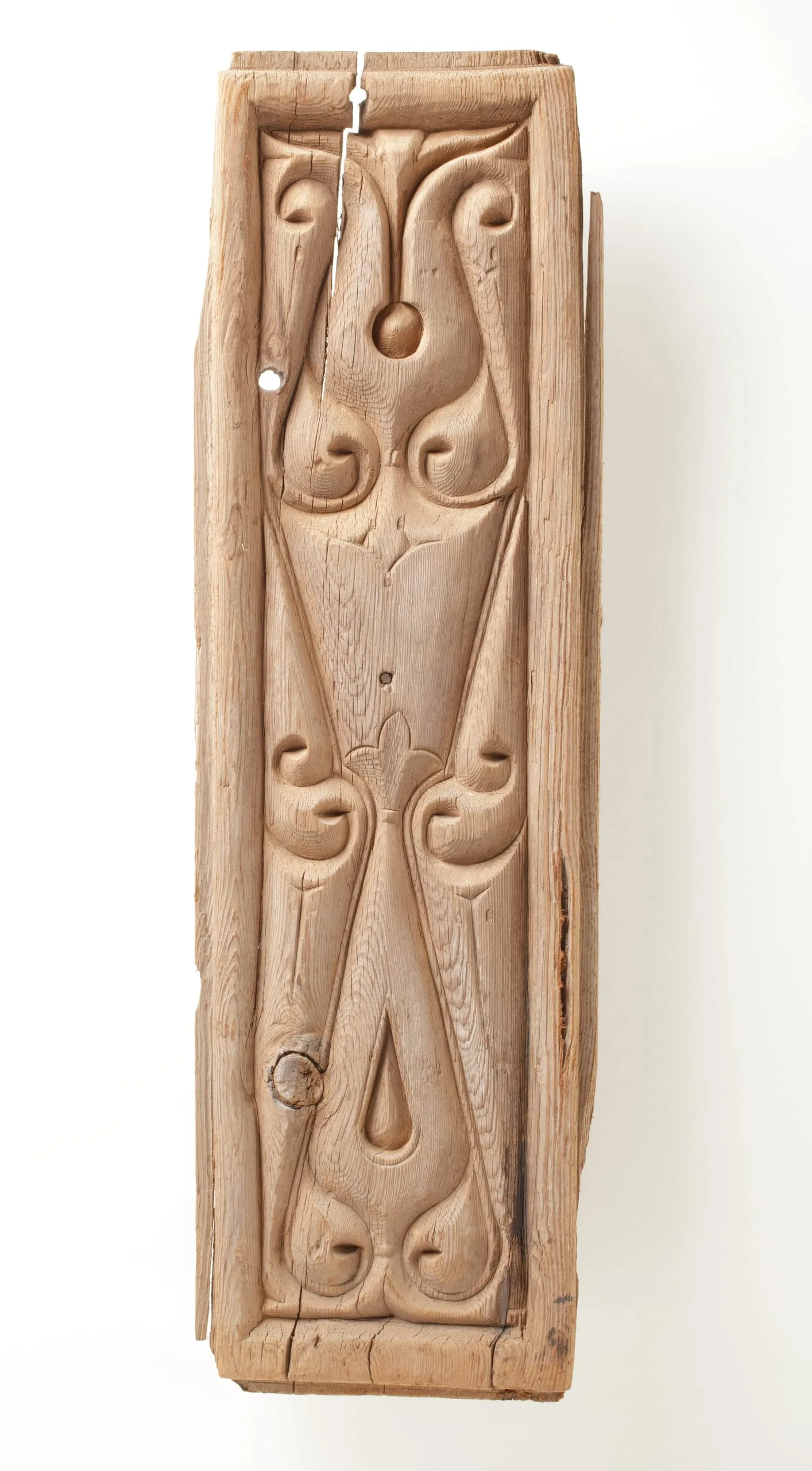
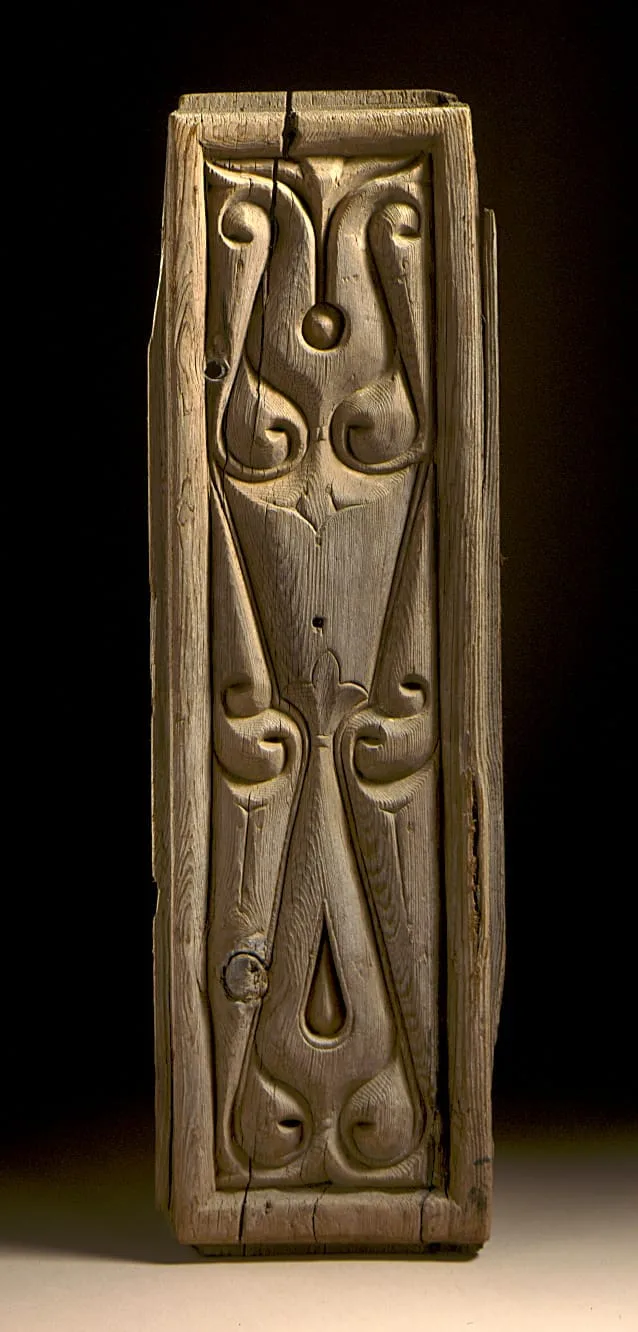
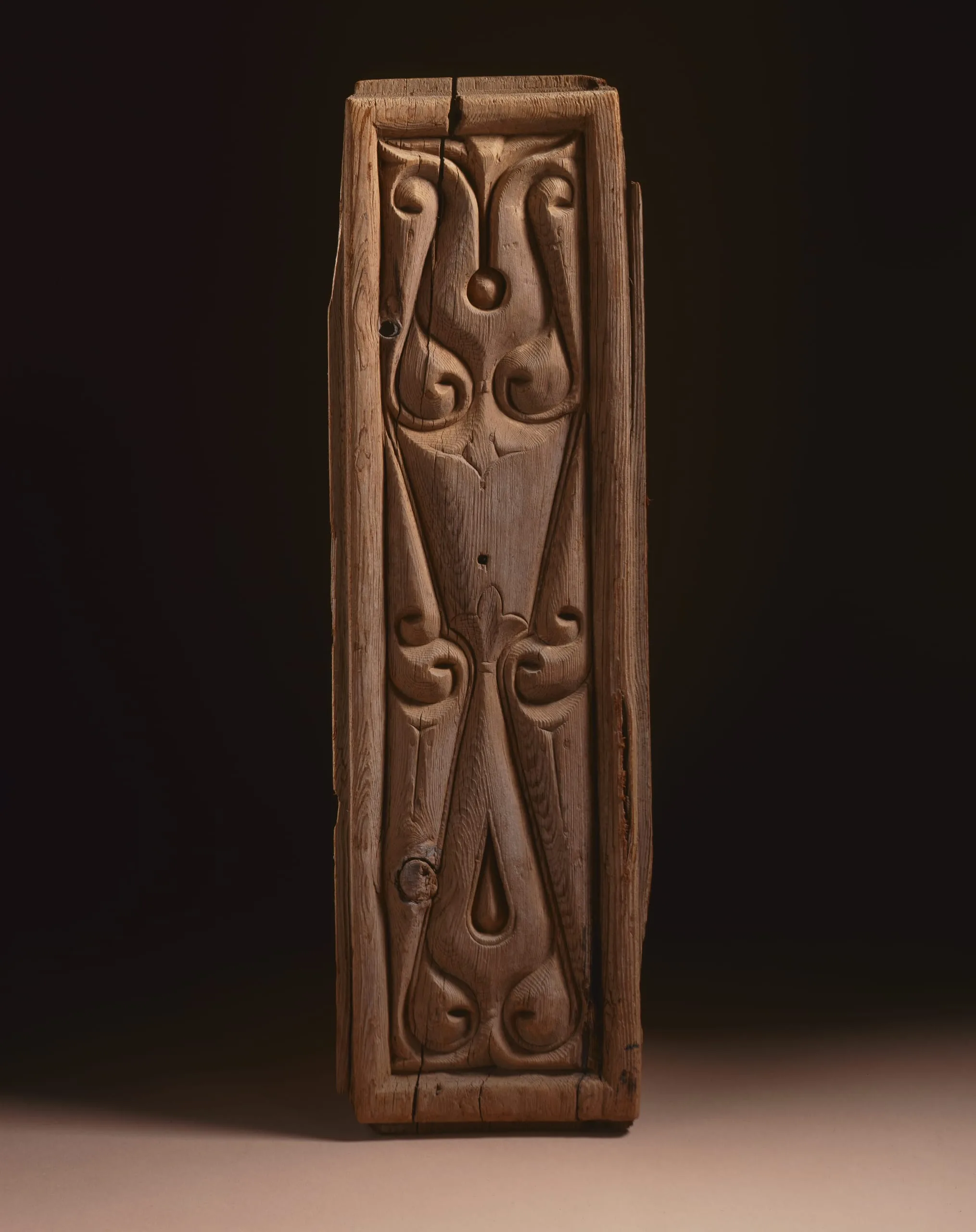
Panel with abstract decoration9th century

On view:
Geffen Galleries, Islamic Art and Late Antiquity
Carved wood panel with symmetrical relief decoration of scrolls and volutes flanking a central tapering V-shape, honey-tan wood with visible grain and age cracks
Carved wooden panel with symmetrical interlacing scrollwork and foliate motifs in relief, weathered pale oak with visible wood grain and aged surface.
Carved wooden panel with weathered, light-gray surface featuring a symmetrical interlaced design of curvilinear scrolls and tapered forms arranged vertically within a recessed rectangular border.
Tall rectangular wooden panel with deeply carved symmetrical curvilinear designs, featuring spiral scrolls and interlocking forms arranged vertically; weathered pale brown wood with visible grain and surface cracks.
Title
Panel with abstract decoration
Place Made
Egypt
Date Made
9th century
Medium
Wood, carved
Dimensions
25 1/4 x 8 in. (64.2 x 20.3 cm)
Credit Line
The Nasli M. Heeramaneck Collection, gift of Joan Palevsky
Accession Number
M.73.5.405
Classification
Wood
Collecting Area
Art of the Middle East: Islamic
Curatorial Notes

This beautifully carved wood panel comes from Egypt, where wood, on account of its rarity and cost, was decorated with care and used in contexts generally reserved for luxury materials. Although it is impossible to determine how this panel was used originally—perhaps it once formed part of a door—it is possible to assign it to the late ninth century on the basis of its distinctive decoration, with its characteristic beveled style of carving, here depicting stylized leaves that have been transformed into abstract motifs. First developed in Iraq, this beveled style was quickly adopted by artists in many parts of the Islamic empire, including Egypt.

Selected Bibliography
  • Lo Terrenal y lo Divino: Arte Islámico siglos VII al XIX Colección del Museo de Arte del Condado de Los Ángeles. Santiago: Centro Cultural La Moneda, 2015.

  • Komaroff, Linda. Beauty and Identity: Islamic Art from the Los Angeles County Museum of Art. Los Angeles: Los Angeles County Museum of Art, 2016.