- Title
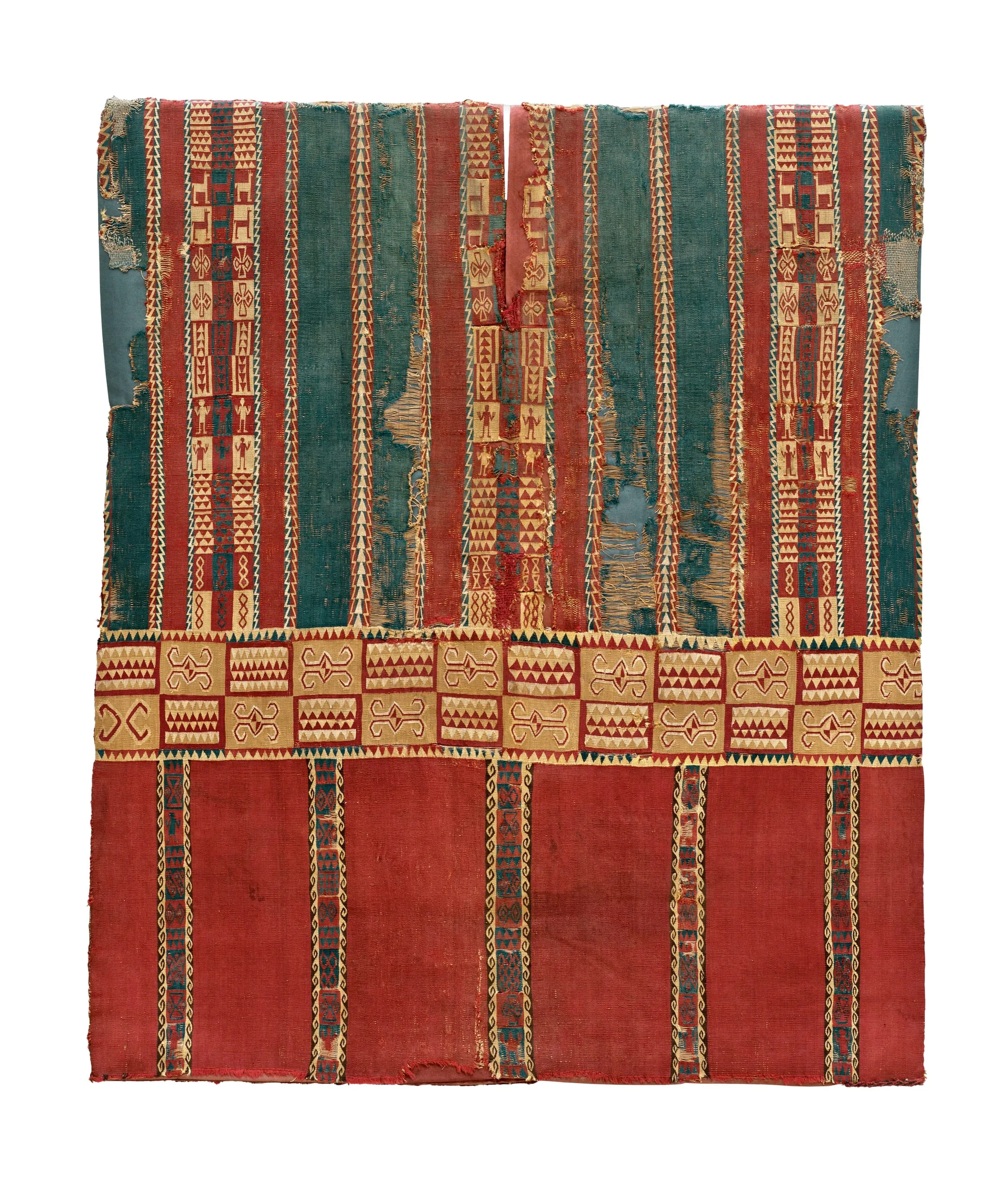
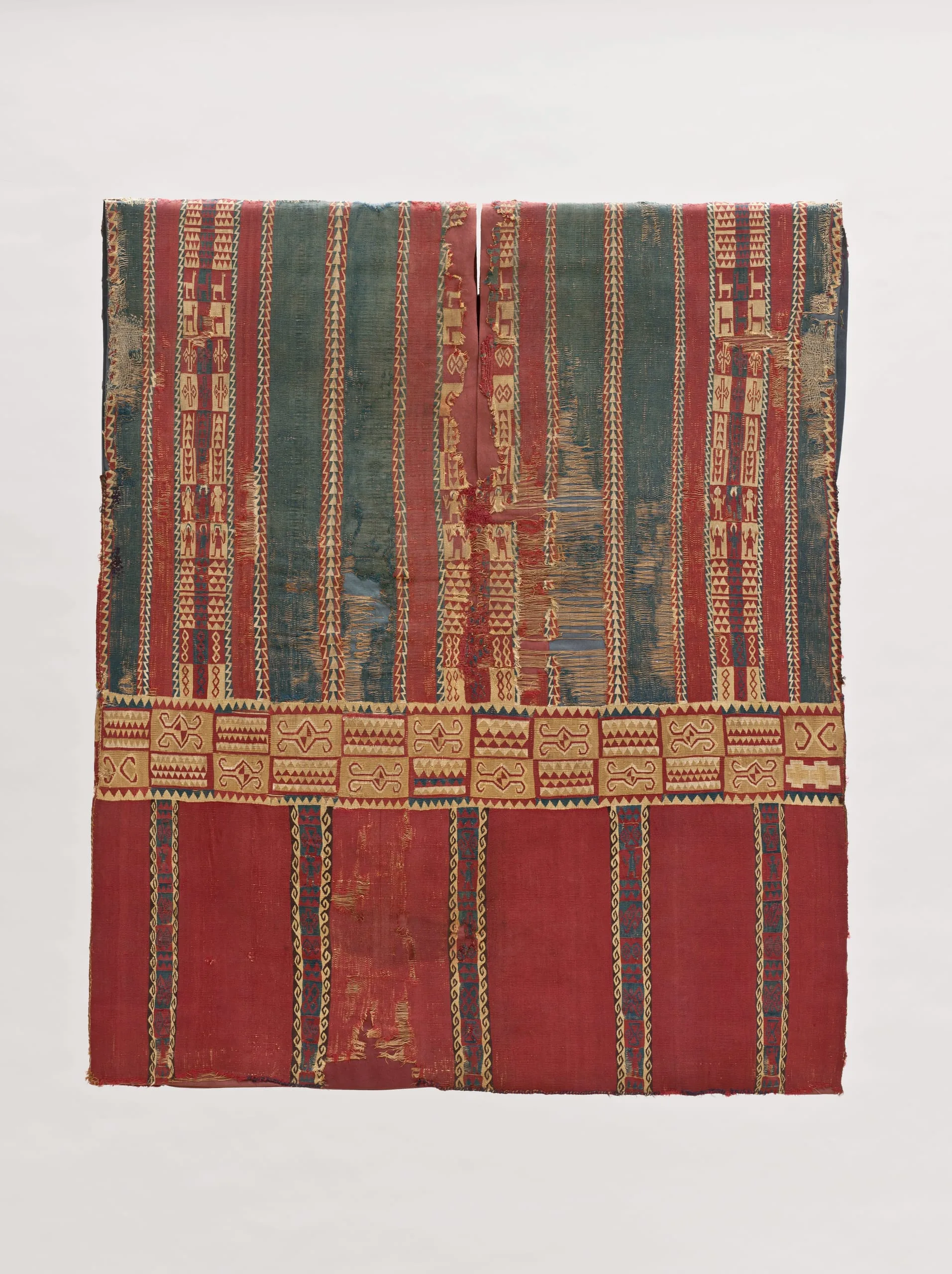
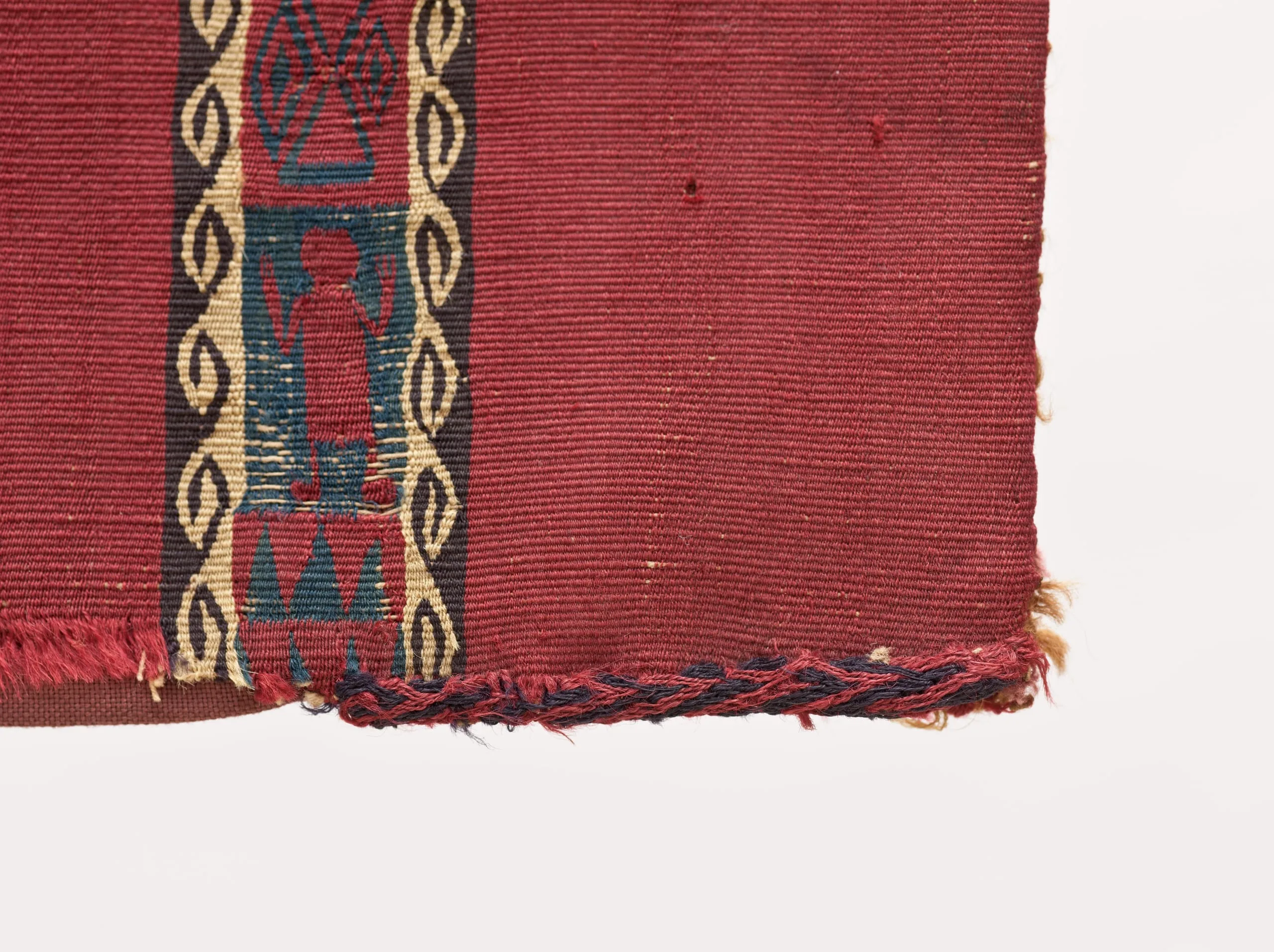
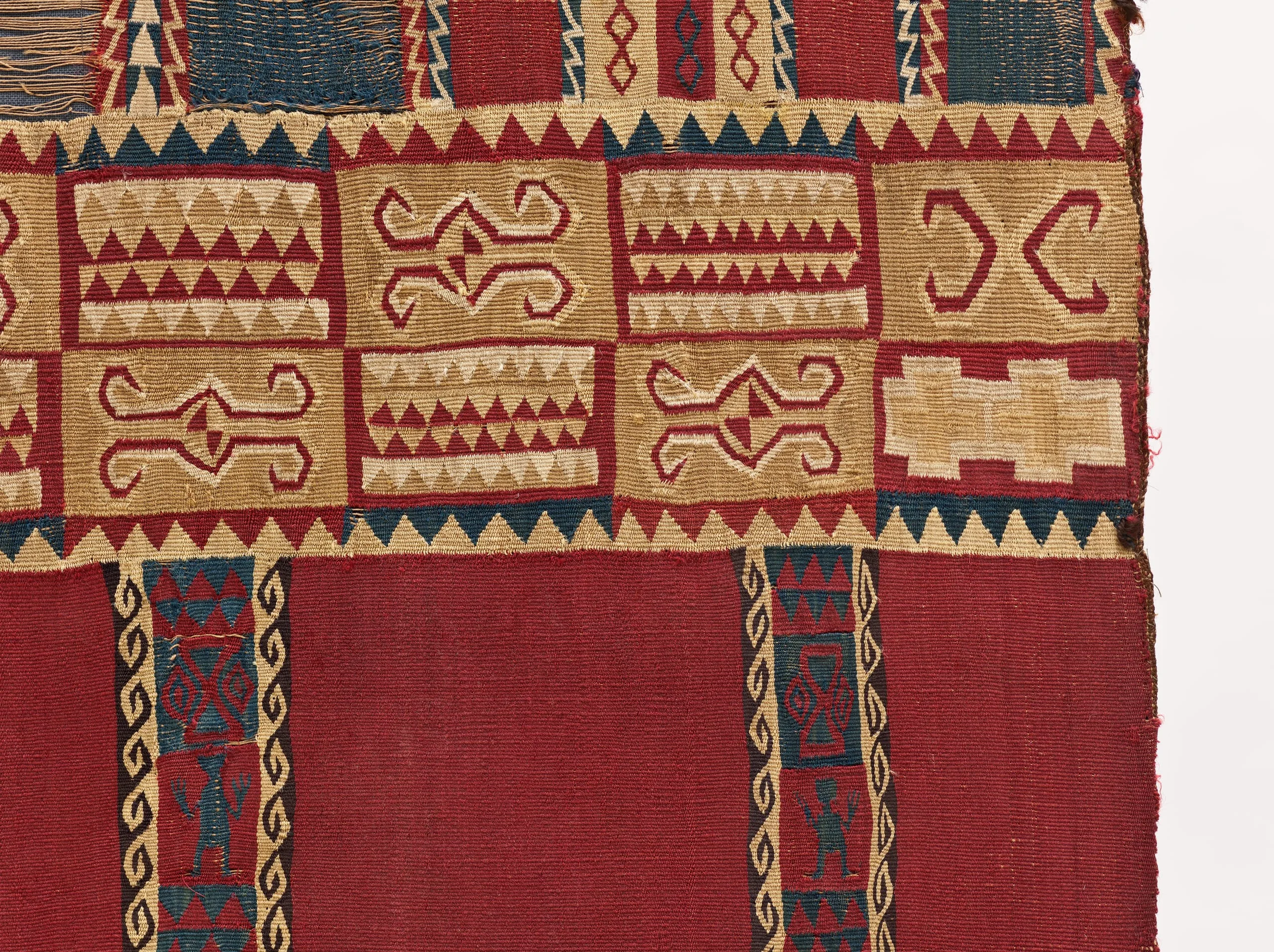
- Man’s Tunic (Uncu) (Túnica masculina [uncu])
- Date Made
- 16th century
- Medium
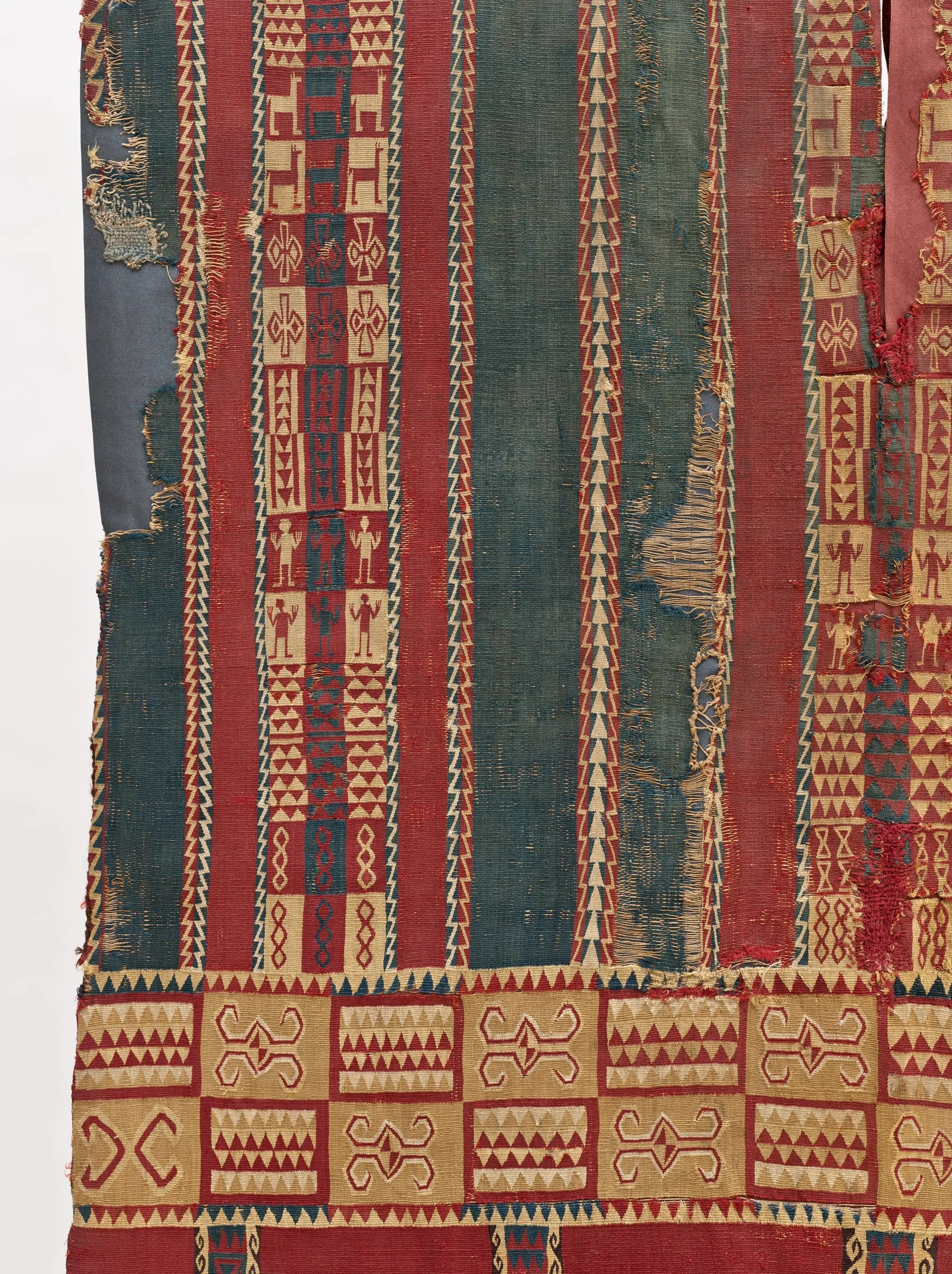
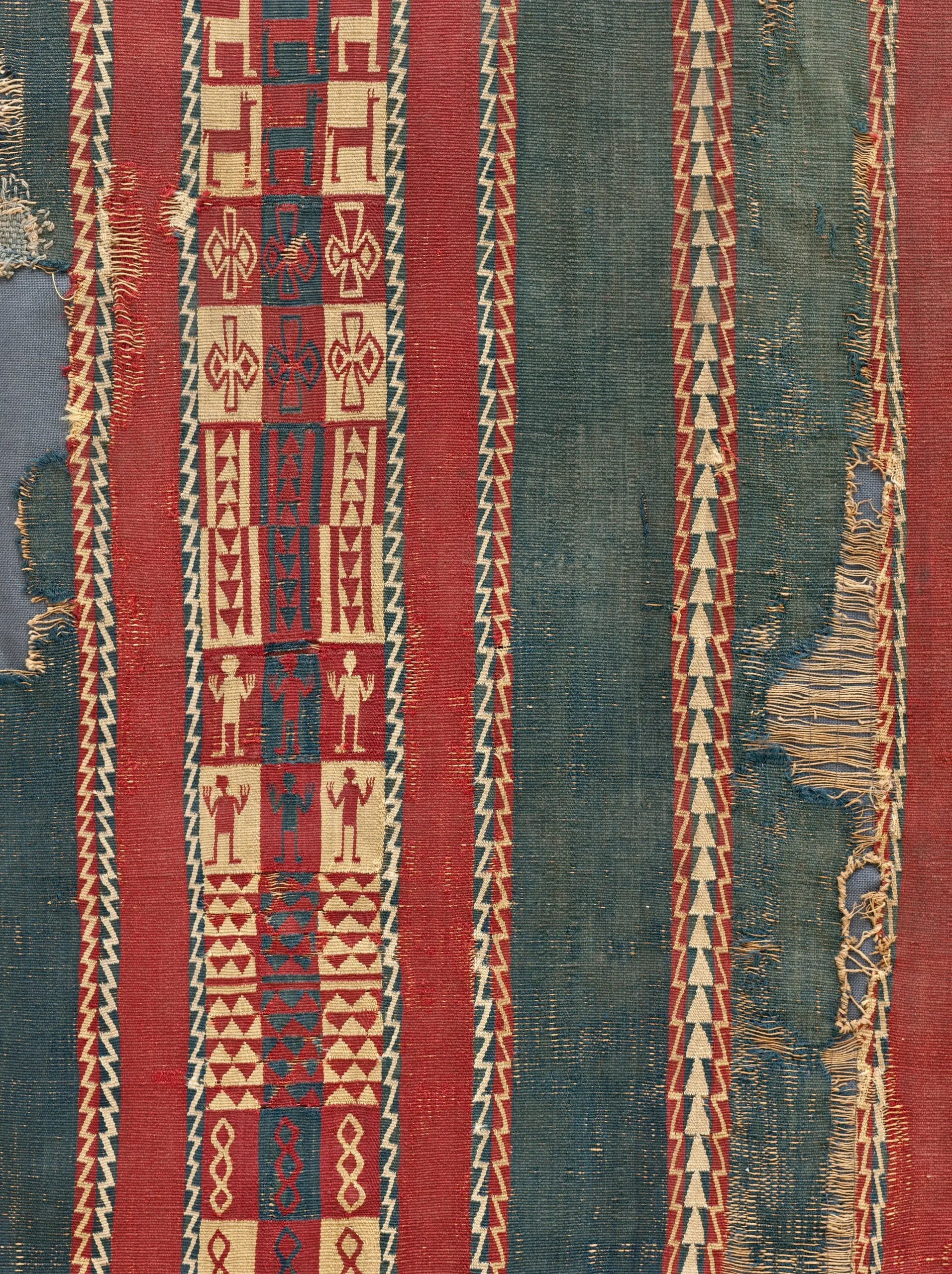
- Camelid-fiber and cotton tapestry weave, with cross-looped embroidery and braided edging
- Dimensions
- 35 3/4 × 29 3/4 in. (90.81 × 75.57 cm)
- Accession Number
- M.78.54.2
- Curatorial Notes
This finely woven man’s uncu (tunic) was created by weavers trained for the royal Inka workshops, possibly in the southern Andean highlands. Made in the period straddling the end of the Inka Empire (ca. 1438–1533) and the arrival of the Spaniards in the first half of the sixteenth century, the tunic draws from a complex set of social, political, and artistic traditions. With its intricate decorations—including a central waistband with Inka-style tocapu motifs (a geometric form of rank insignia)—the tunic would have signaled the high status of its wearer.
Ilona Katzew
2024
- Provenance
John Wise (1902–1981), New York, before 1970; LACMA, 1978.
- Selected Bibliography
- Katzew, Ilona, ed. Archive of the World: Art and Imagination in Spanish America, 1500–1800: Highlights from LACMA’s Collection. Exh. Cat. Los Angeles: Los Angeles County Museum of Art; New York: DelMonico Books/D.A.P., 2022.
- Selected Exhibition History
- Archive of the World: Art and Imagination in Spanish America, 1500–1800. October 20, 2023 - January 28, 2024
- Archive of the World: Art and Imagination in Spanish America, 1500–1800. June 12, 2022 - October 30, 2022
- Archive of the World: Art and Imagination in Spanish America, 1500–1800. June 22, 2024 - September 08, 2024