LACMA

ShopMembershipMyLACMATickets
LACMA
Los Angeles County Museum of Art
5905 Wilshire Blvd.
Los Angeles, CA 90036
info@lacma.org
(323) 857-6000
Sign up to receive emails
Subscribe
© Museum Associates 2025

Museum Hours

Monday

11 am–6 pm

Tuesday

11 am–6 pm

Wednesday

Closed

Thursday

11 am–6 pm

Friday

11 am–8 pm

Saturday

10 am–7 pm

Sunday

10 am–7 pm


  • About LACMA
  • Jobs
  • Building LACMA
  • Host An Event
  • Unframed
  • Press
  • FAQs
  • Log in to MyLACMA
  • Privacy Policy
© Museum Associates 2025
Collections

David Smith
Cubi XXIII1964

Not on view
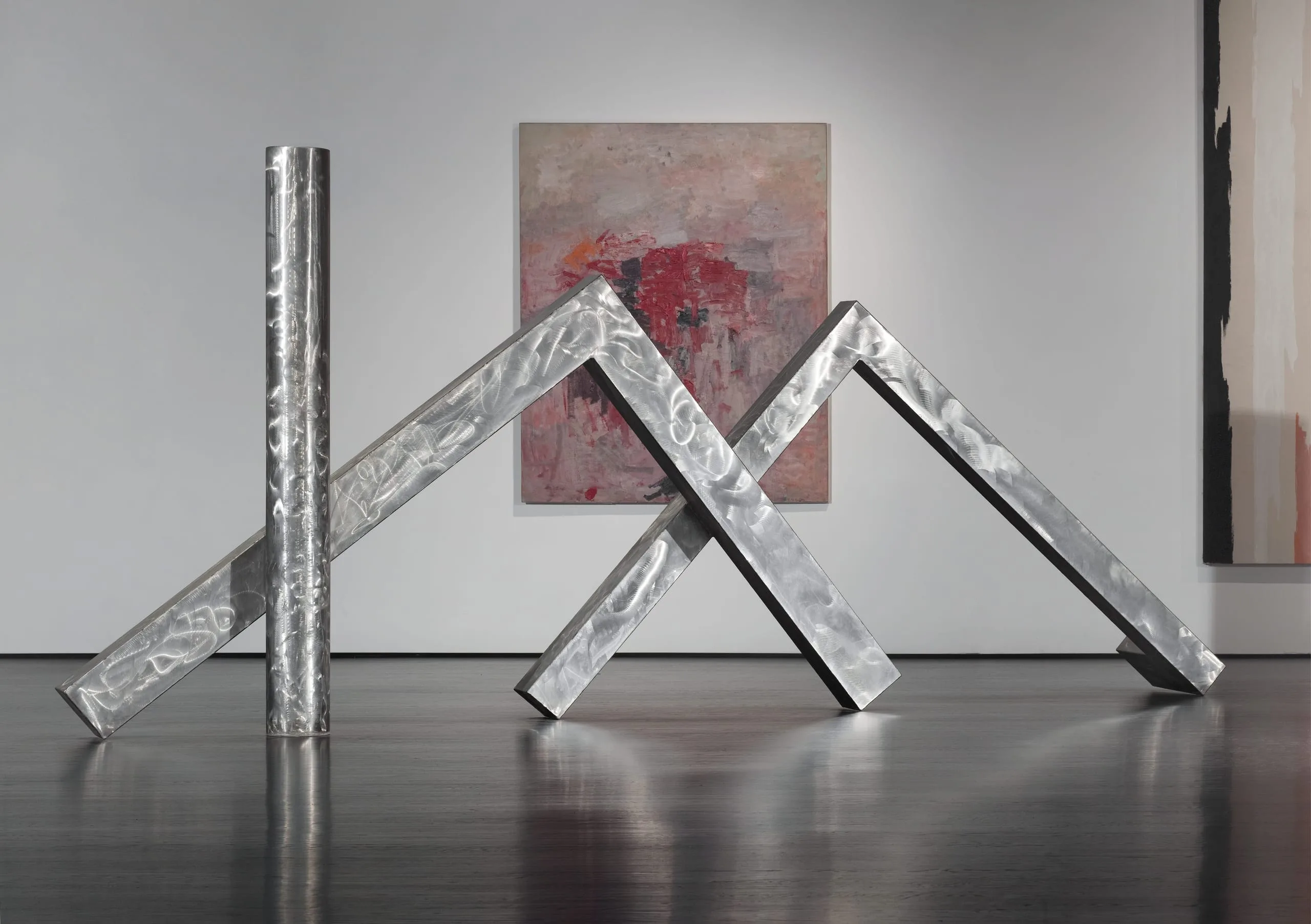
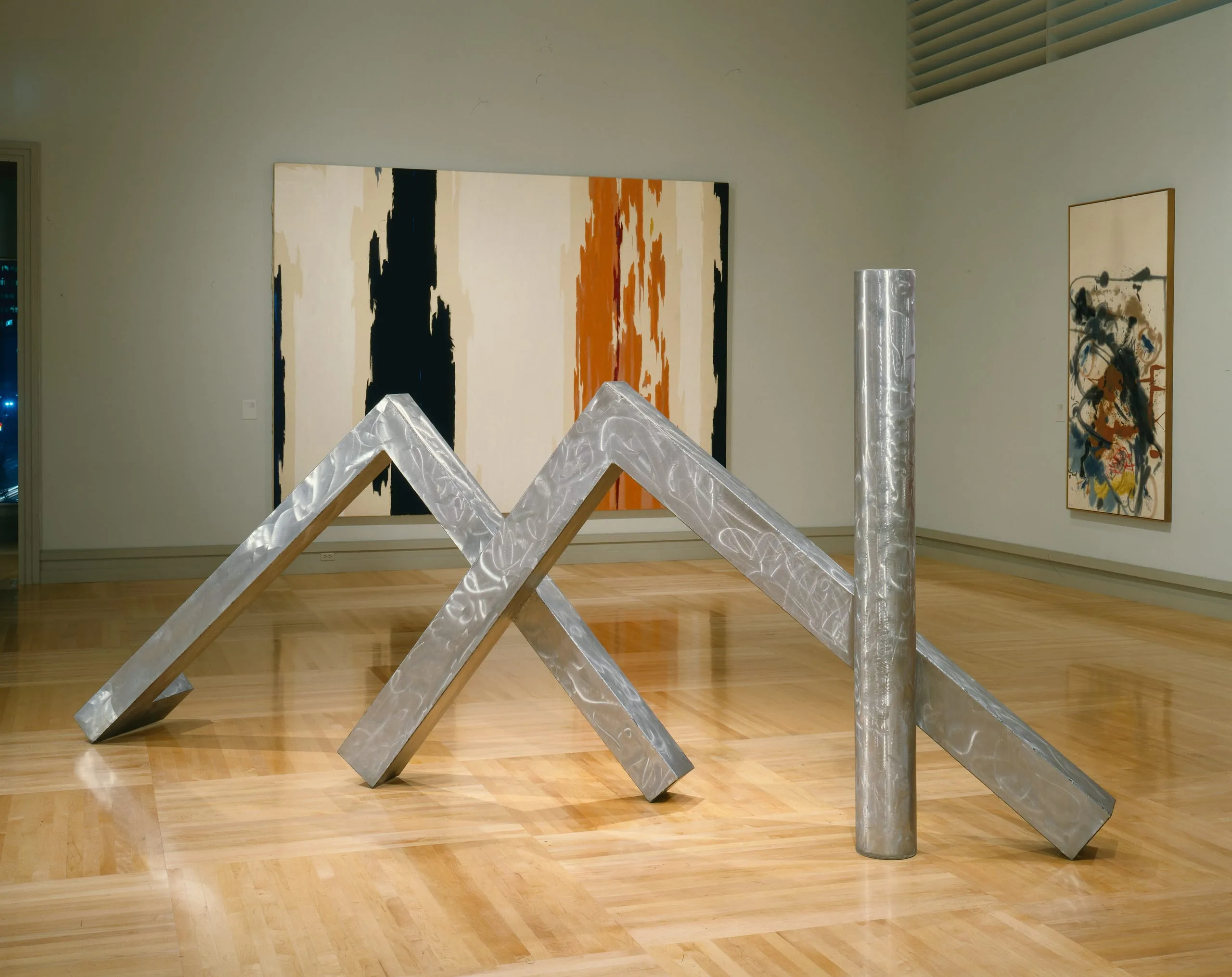
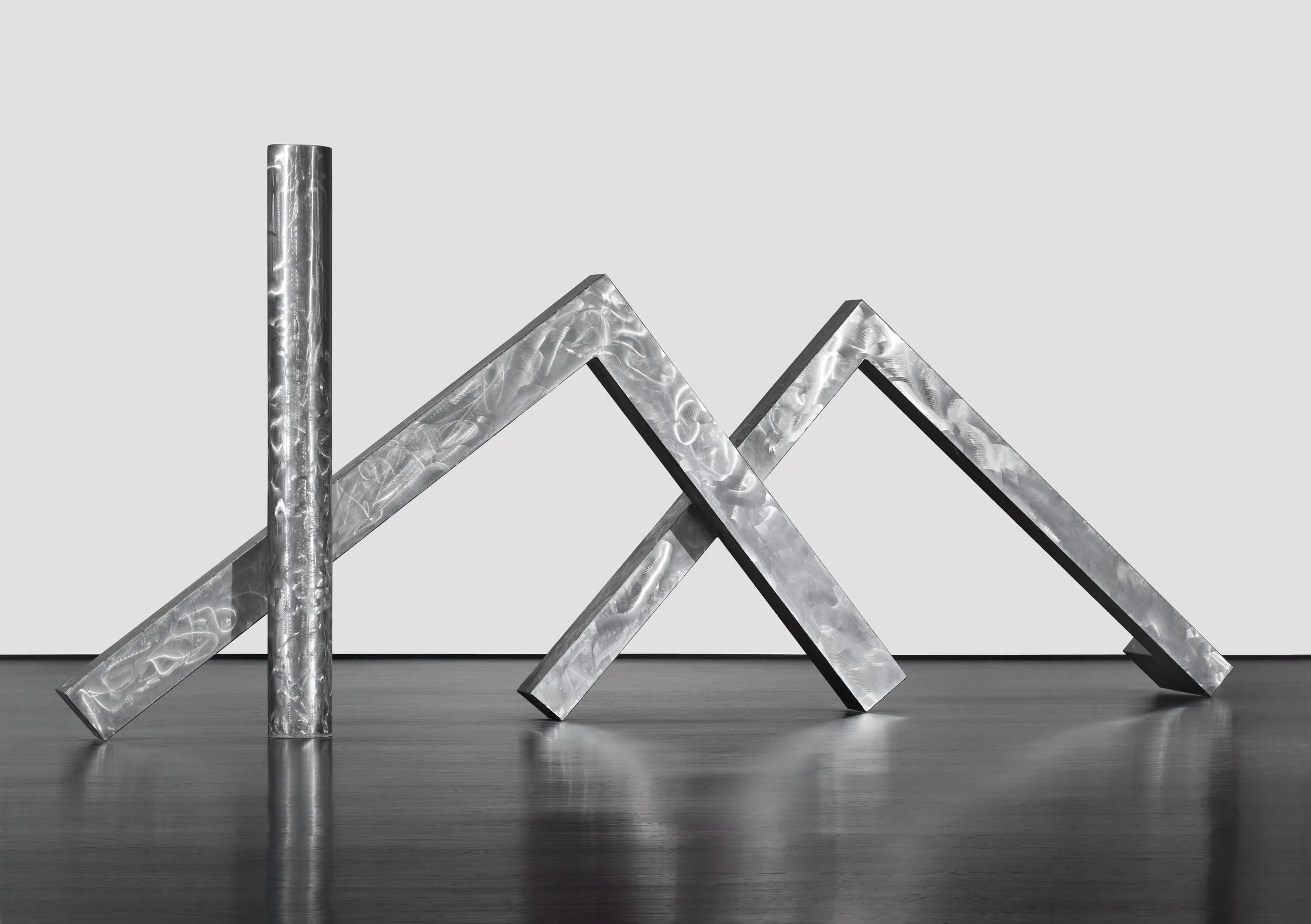
Cast aluminum floor sculpture of three V-shaped angular beams arranged in an M formation alongside a standing cylinder, with swirling textured surfaces, displayed in a gallery
Polished metal sculpture comprising a vertical cylindrical rod and two angled V-shaped forms arranged on a dark reflective floor, with hammered, rippled surface texture throughout.
Floor-based metal sculpture of polished aluminum components: a vertical cylinder at left and two diagonal rectangular beams forming a zigzag arrangement, with a reflective hammered surface texture, displayed on a dark wood floor before an abstract painting in muted pinks and red.
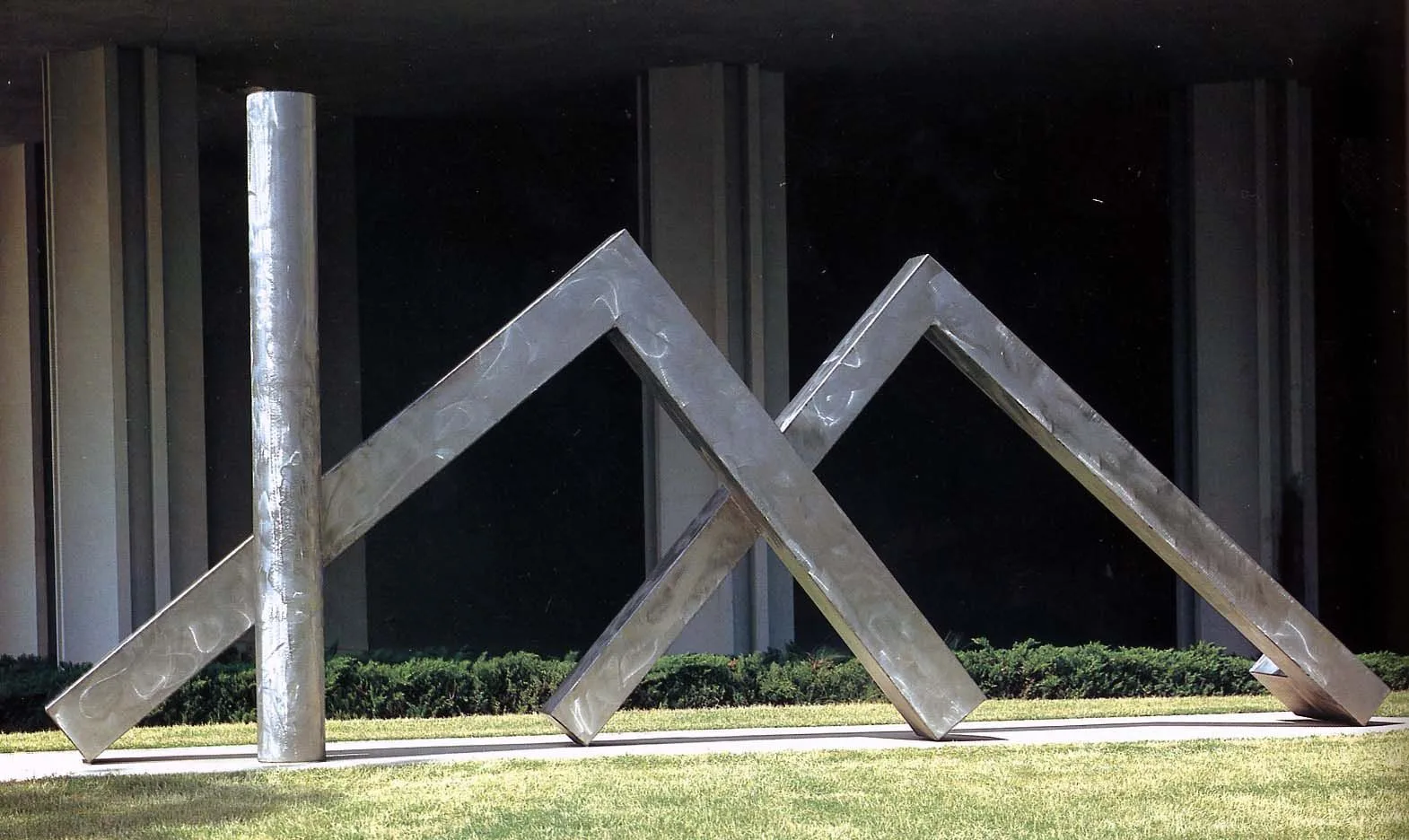
Outdoor steel sculpture consisting of a vertical cylindrical column and two large zigzag angular forms with polished reflective surfaces, installed on a grass lawn in front of a modernist building facade.
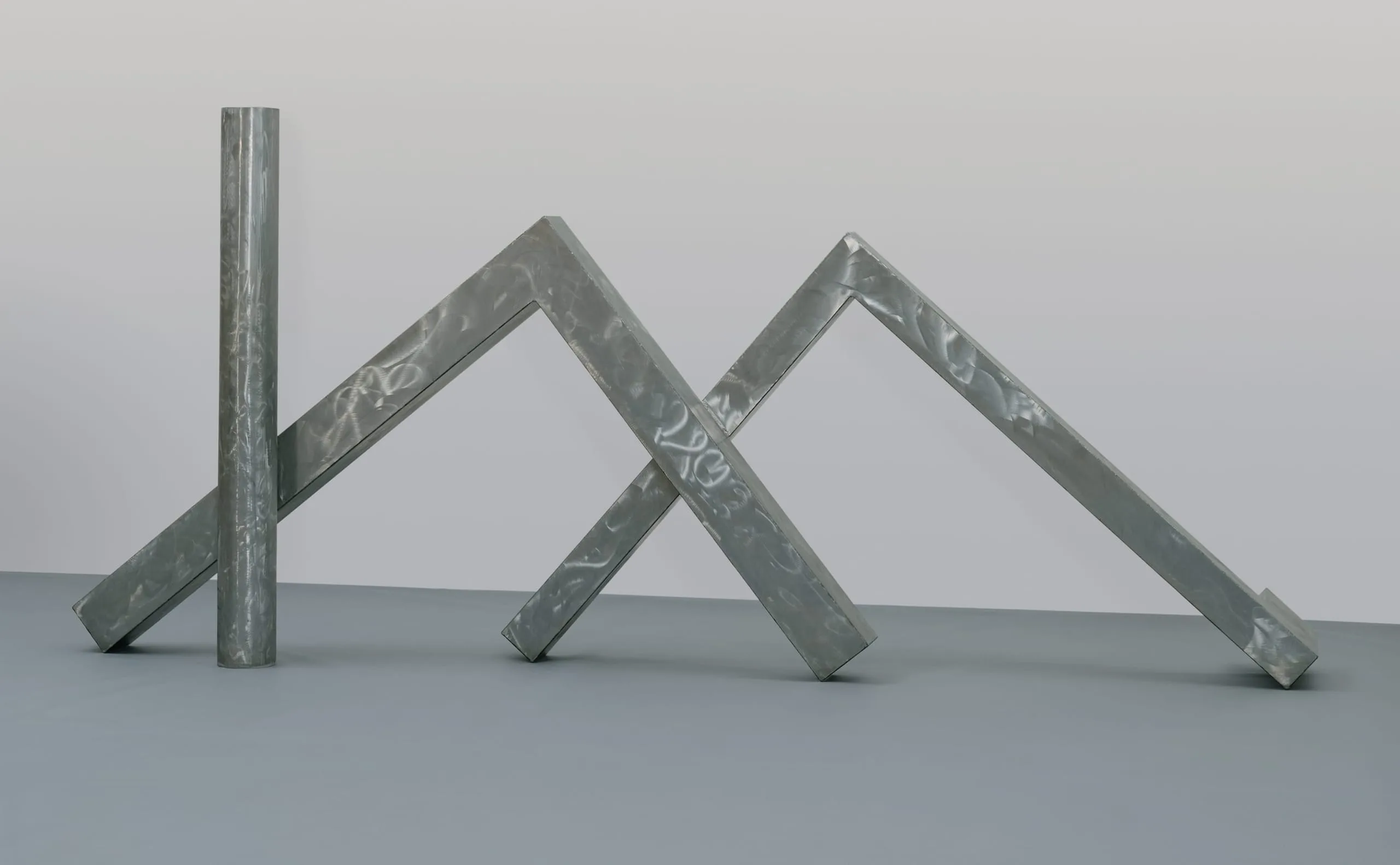
Floor sculpture of gray lead-coated rectangular beams arranged horizontally: a vertical post leaning against a diagonal bar at left, and two V-shaped forms crossing at center-right, with mottled metallic surface texture.
Artist or Maker
David Smith
Title
Cubi XXIII
Place Made
United States
Date Made
1964
Medium
Stainless steel
Dimensions
76 1/4 x 172 7/8 x 35 3/8 in. (193.67 x 439.1 x 89.85 cm)
Credit Line
Modern and Contemporary Art Council Fund
Accession Number
M.67.26
Classification
Sculpture
Collecting Area
Modern Art
Curatorial Notes

More than any other artist of his generation, David Smith brought American sculpture to international attention. He combined the teachings of European art history with American know-how. Smith derived formal structures from Cubism and Constructivism, added playfulness and symbolism from Surrealism, and found physical freedom in Expressionism. His blue-collar training as a steelworker brought a rugged and practical perspective to his work. The iron sculptures of Pablo Picasso and Julio González gave Smith the confidence and inspiration to use iron and steel, mediums he had previously associated with manual labor.

By the end of his career, Smith was exploring the medium itself as a theme: how steel interacts with sunlight, how negative space defines form, how lines in space may suggest human shapes. His final and most celebrated series, Cubi, is the mature realization of Smith's elegant and powerful geometry. Cubi XXIII is a study in light and mass; it does not so much occupy space as illuminate it.


In 1965 the museum was planning one of its earliest exhibitions, a show of Smith's sculpture, when the artist died in a car accident. The exhibition became a memorial to the man and his work.


Excerpted from Los Angeles County Museum of Art (World of Art series). Los Angeles: Los Angeles County Museum of Art; London: Thames & Hudson, 2003.
Selected Bibliography
  • Waldman, Diane. Transformations in Sculpture: Four Decades of American and European Art. New York: Solomon R. Guggenheim Foundation, 1985.
  • Nodelman, Sheldon. "David Smith." ARTnews 67, no.10 (1969): 28-31, 56-58.