LACMA

ShopMembershipMyLACMATickets
LACMA
Los Angeles County Museum of Art
5905 Wilshire Blvd.
Los Angeles, CA 90036
info@lacma.org
(323) 857-6000
Sign up to receive emails
Subscribe
© Museum Associates 2025

Museum Hours

Monday

11 am–6 pm

Tuesday

11 am–6 pm

Wednesday

Closed

Thursday

11 am–6 pm

Friday

11 am–8 pm

Saturday

10 am–7 pm

Sunday

10 am–7 pm


  • About LACMA
  • Jobs
  • Building LACMA
  • Host An Event
  • Unframed
  • Press
  • FAQs
  • Log in to MyLACMA
  • Privacy Policy
© Museum Associates 2025
Collections

Zsolnay Factory
Vasecirca 1895

Not on view
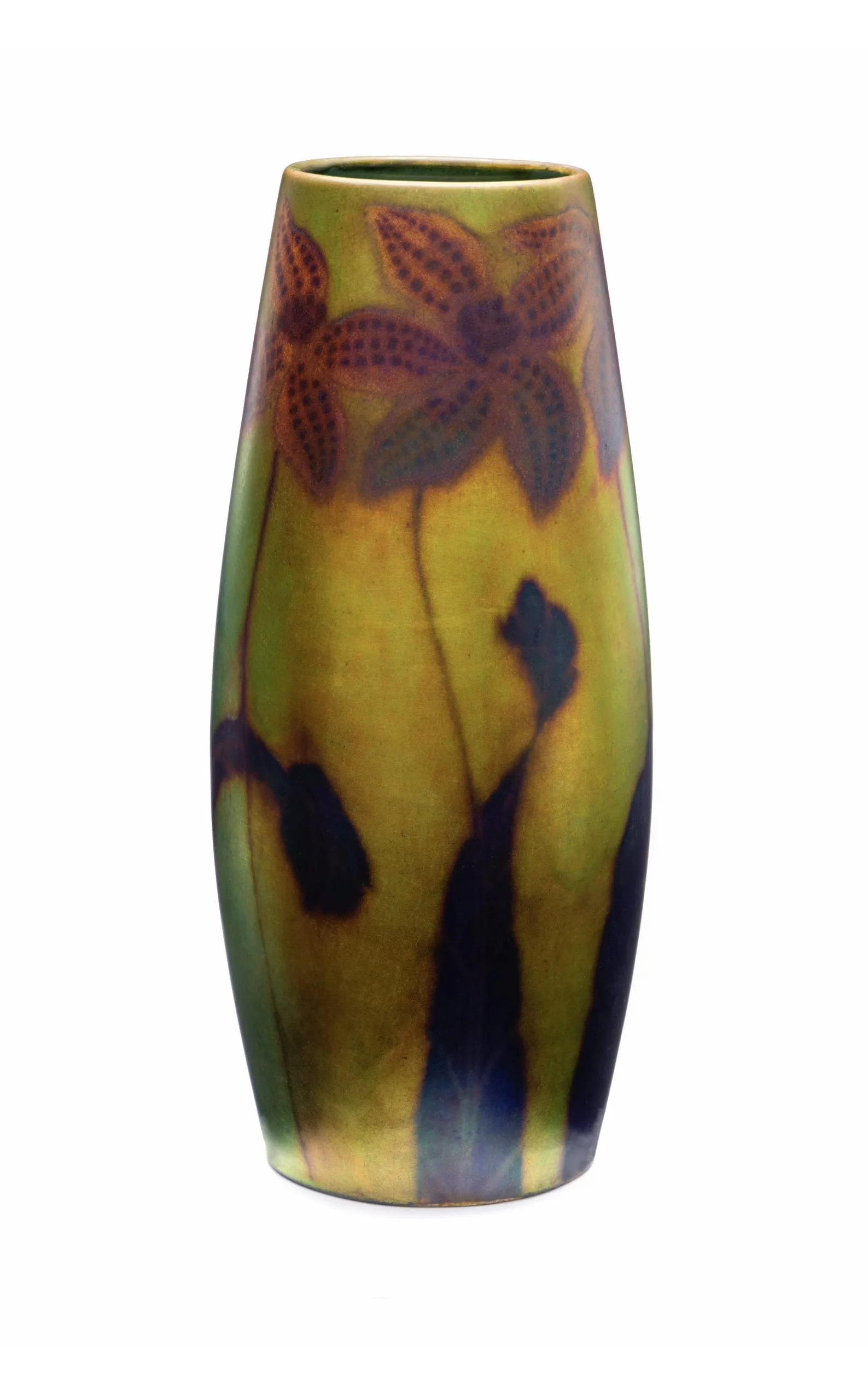
Ceramic vase with oval body, matte glaze shifting from olive green to amber to deep indigo, decorated with stylized botanical forms in burgundy and purple
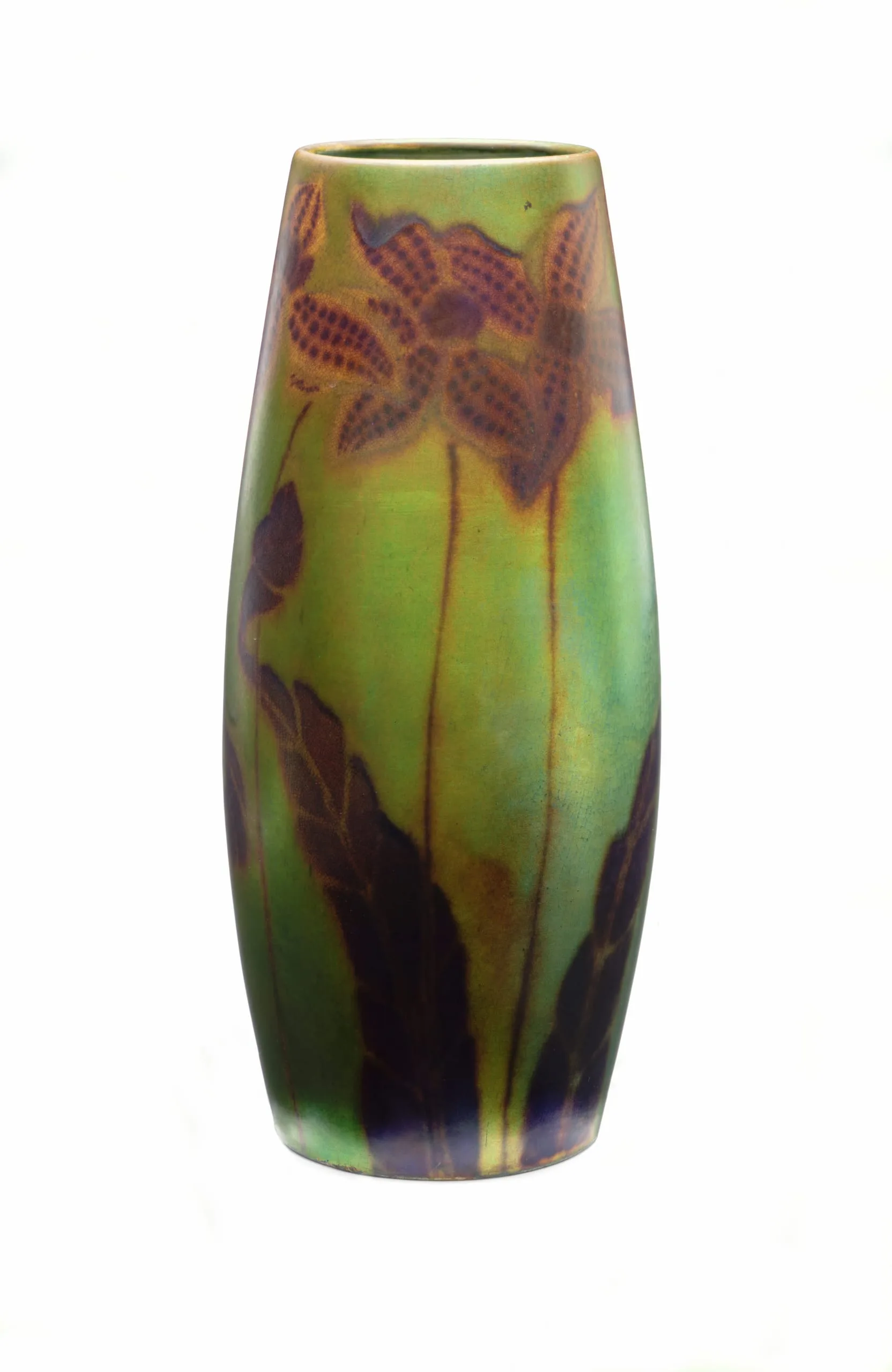
Ceramic vase with elongated oval form, bright green glaze with deep purple and brown floral motifs; stippled petals and trailing stems rendered in relief against the iridescent ground.
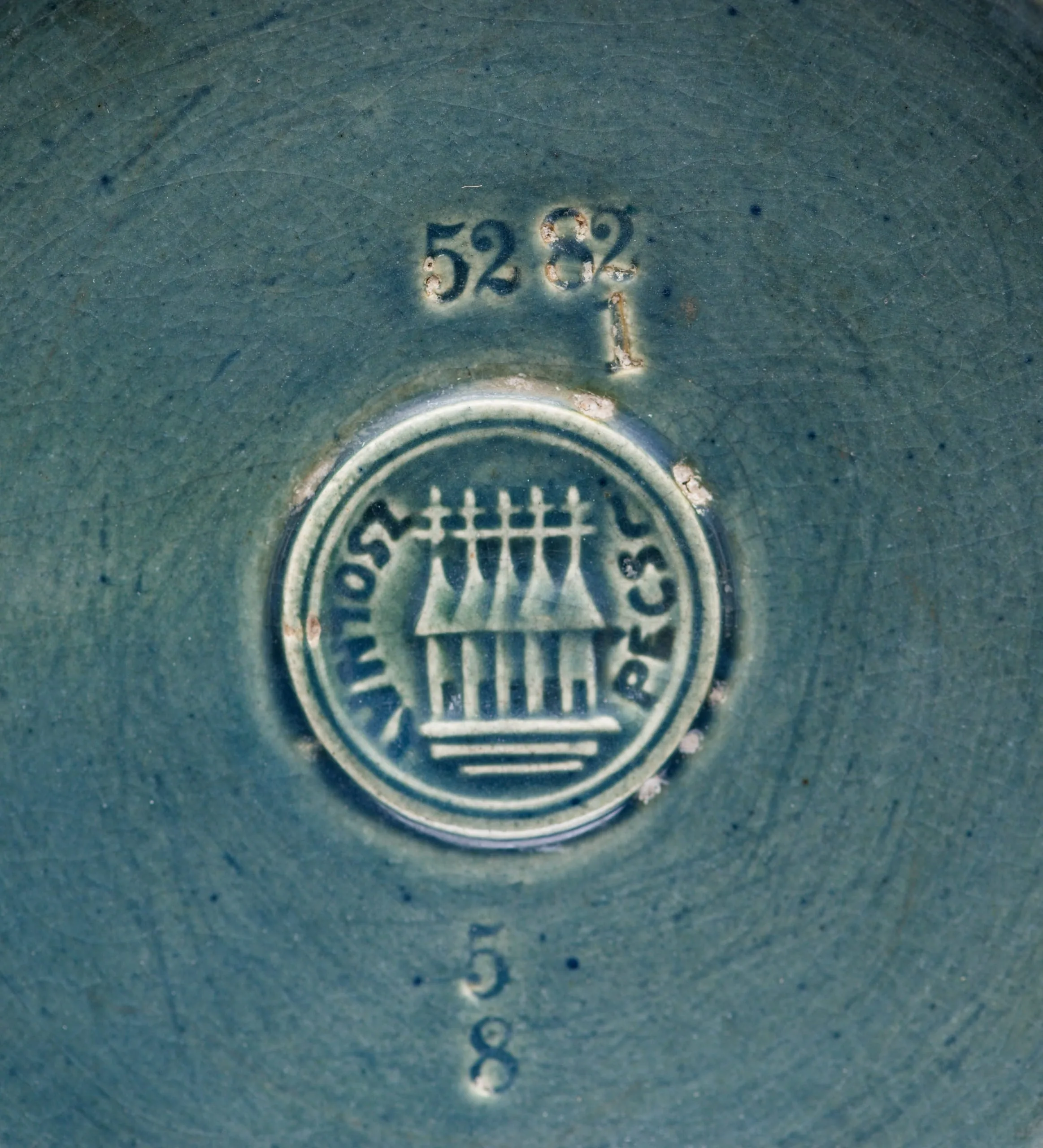
Close-up of a ceramic vessel's base with blue-green glaze, showing a circular impressed maker's mark depicting a multi-towered building with the text "ZSOLNAY PÉCS," and incised numerals above and below.
Manufactured by
Zsolnay Factory
Hungary, Pécs, founded 1853
Title
Vase
Date Made
circa 1895
Medium
Eosin-glazed earthenware
Dimensions
11 1/4 × 5 in. (28.58 × 12.7 cm)
Credit Line
Gift of Debbie and Mark Attanasio through the 2016 Decorative Arts and Design Acquisitions Committee (DA²)
Accession Number
M.2016.163
Classification
Furnishings
Collecting Area
Decorative Arts and Design
Curatorial Notes

By the end of the nineteenth century, the Zsolnay pottery works in Pécs, Hungary had become one of the leading ceramic manufacturers in Europe. Founded in 1853 as a small stoneware and earthenware factory, the company expanded its range of products during this period to include artistic wares in a variety of styles, from ancient to modern. Miklós Zsolnay, grandson of the company’s founder, spearheaded this transformation, while his father, Vilmos Zsolnay, was instrumental in technological developments like the metallic luster glaze he called "eosin." The glaze, which appears on this vase, especially complemented the sinuous motifs of the then fashionable Art Nouveau style. It initially distinguished Zsolnay’s finest products from those of its competitors but was soon subject to imitation (a mark of its immediate popularity). LACMA has four other examples of Zsolnay pottery in the collection (two shown at the 1911 "International Exhibition of Industrial Art in Turin"), but this is the only one to feature the firm’s luminous eosin glaze.

Wendy Kaplan, Curator & Department Head of Decorative Arts and Design