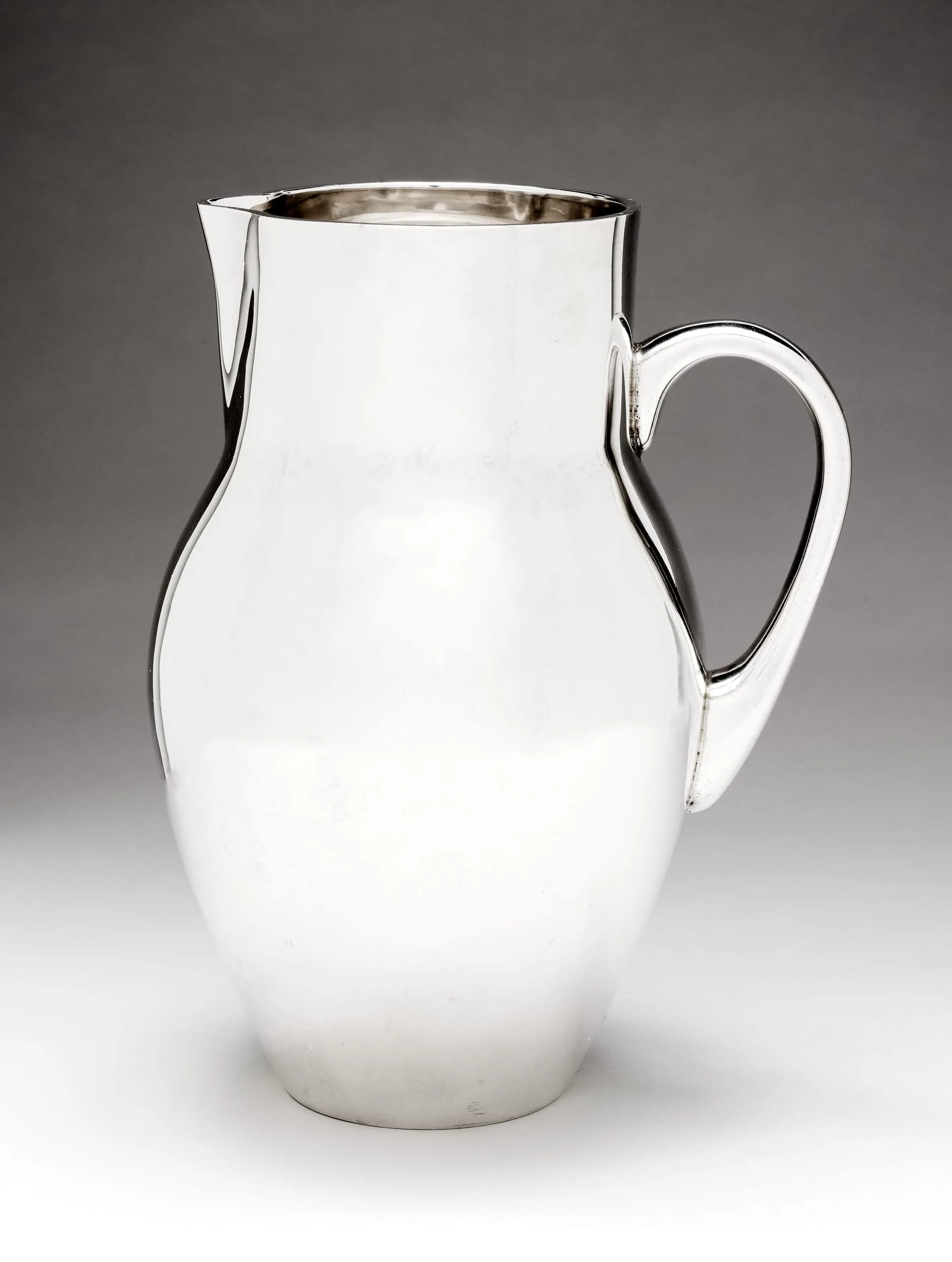
Luis Barragán is widely recognized as one of Mexico’s most influential architects. Born in Guadalajara, he moved to Mexico City in 1936, where he became increasingly concerned with the interior decoration of his buildings. He admired Cuban designer Clara Porset (1932–1981) and relied strongly on the advice of his close friend Chucho Reyes (the only person whom Barragán thanked when he accepted the Pritzker Prize in 1980). Reyes had proposed that he mix a range of seemingly disparate objects to attenuate some of his more rigid architectural forms: colonial crucifixes, casts of Greek and Roman sculpture, specially commissioned works by Mathias Goertiz (1915–1990), even large pieces of driftwood were all combined and used to decorate interiors and gardens.
In addition, Barragán often commissioned objects to be made from his own designs and was markedly specific about the types and quality of materials used. For example, he collaborated with Porset in designing furniture for his spaces and ordered carpets and more vernacular pieces to be produced in the workshops of Guadalajara that he knew well. The same attention to detail informs this silver pitcher, which bears the stamp of the Ortega workshop (a family of silversmiths active in Mexico City). With a delicately flared body, straight collar, and elegantly curved handle, the unadorned pitcher perfectly embodies Barragán’s aesthetic: it is spare, functional, and beautiful. Barragán also collaborated with the Ortega silversmiths on two silver tea sets which are kept today at the Casa Prieto, one of the first buildings in Barragán’s acclaimed development at the volcanic fields of El Pedregal, just outside Mexico City.
- JoAnna Reyes Walton, Research Assistant, Latin American Art, 2014