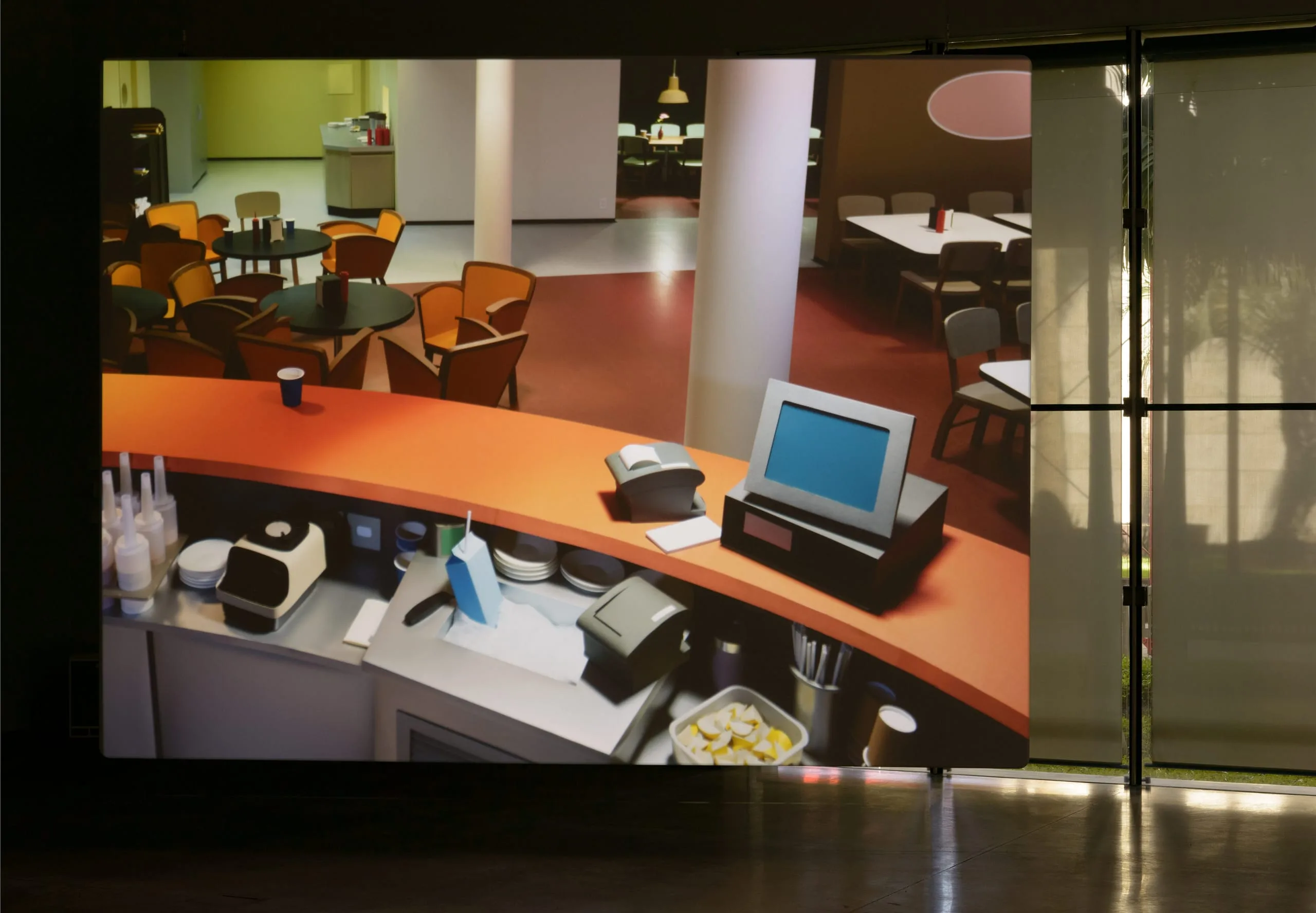
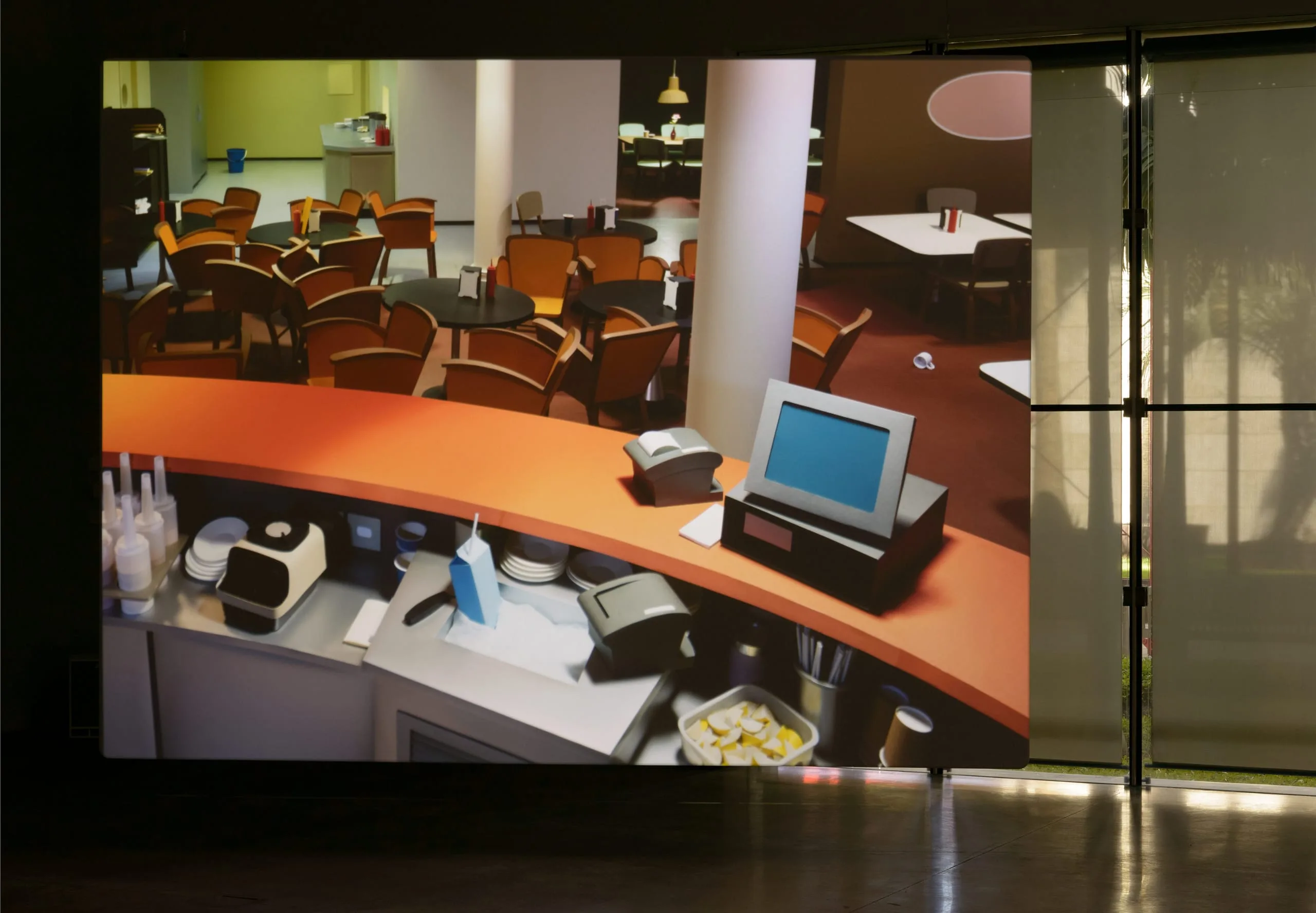
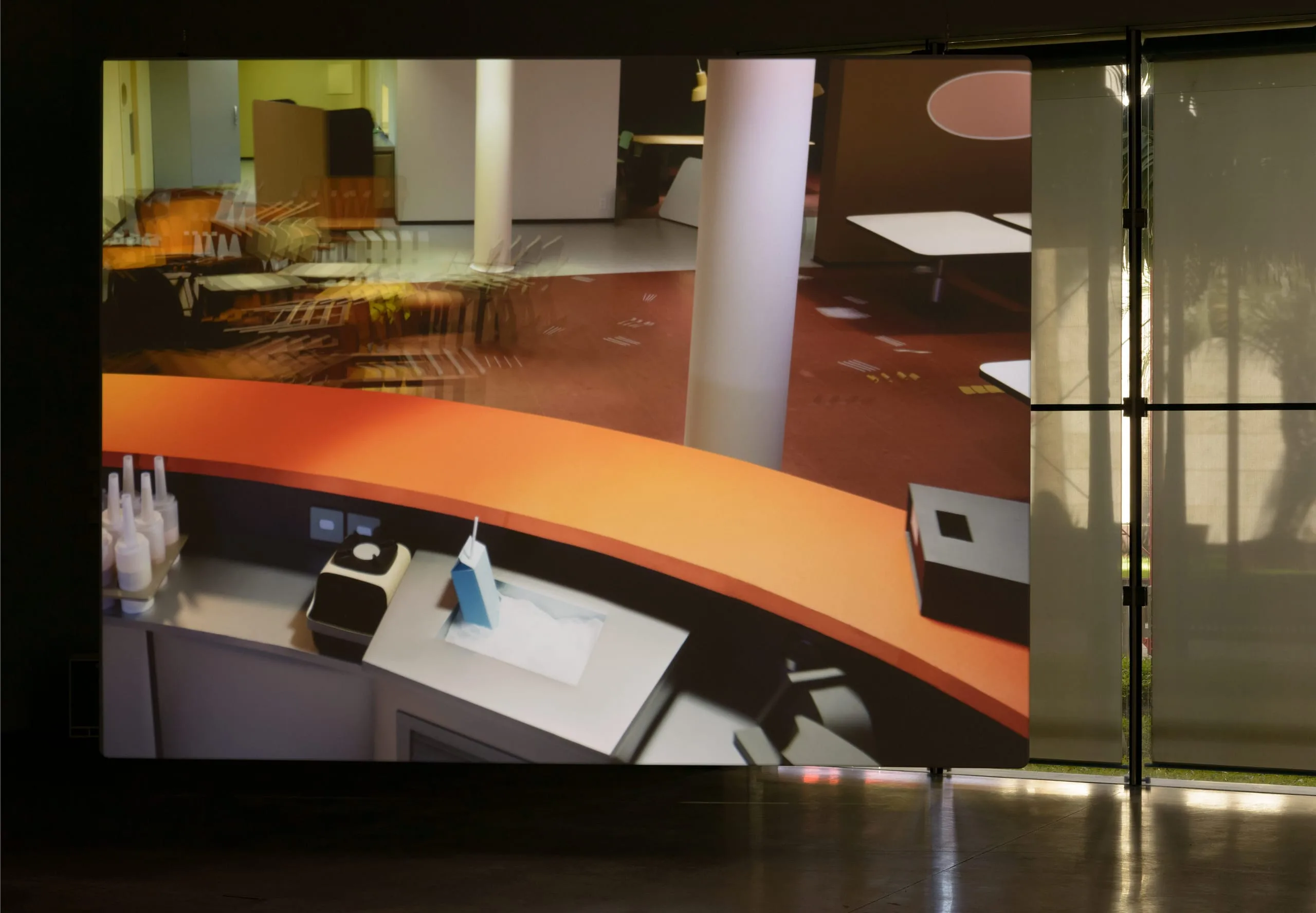
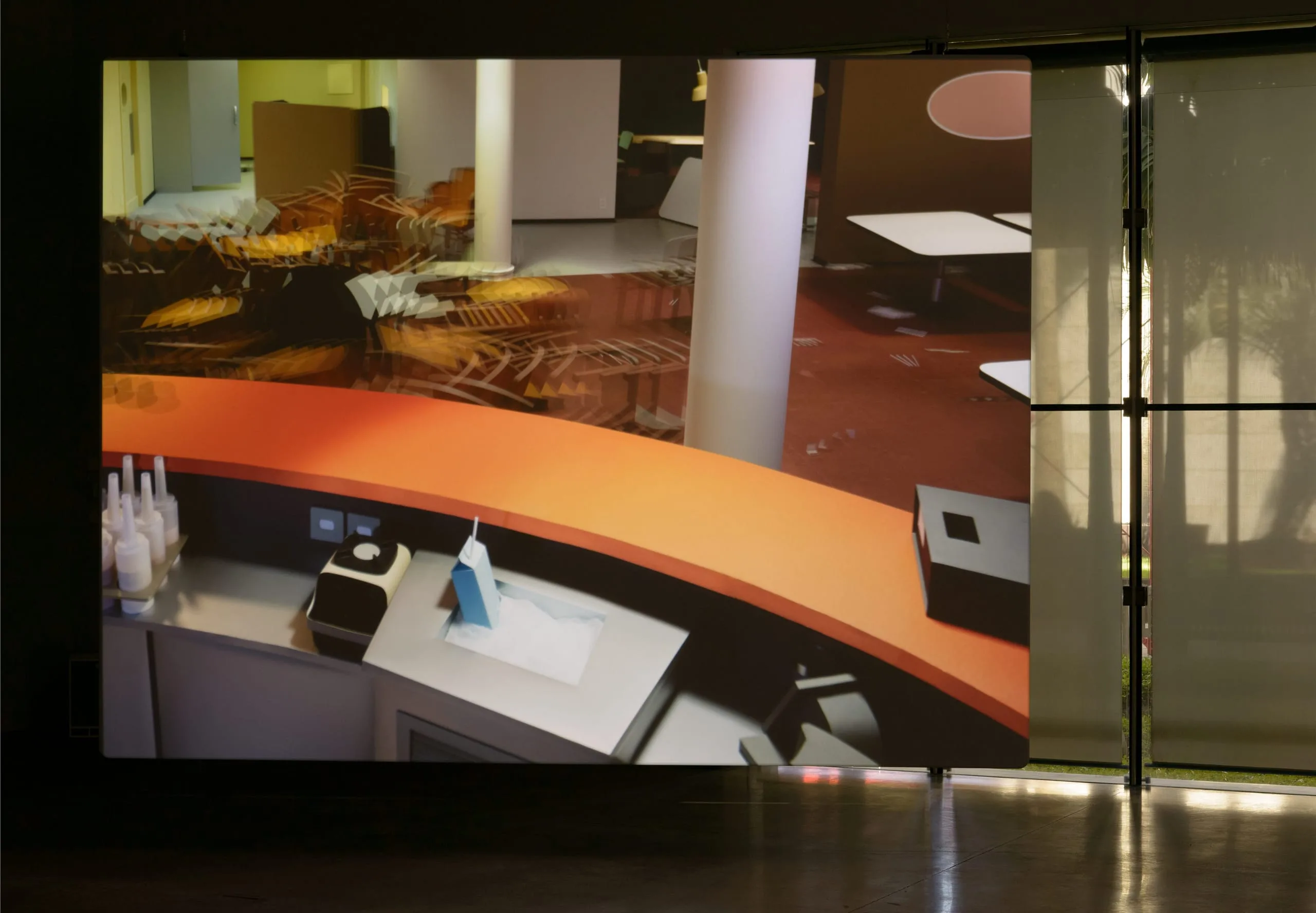
Based in Berlin and Los Angeles, Thomas Demand examines the workings of photographic memory and the imperfect permeability between collective and personal memories. For this purpose, the artist creates a 1:1 scale paper model of an entire photographic scene and photographs this set-up from an angle that approximates the vantage point of the original photograph. The resulting images are almost always devoid of human beings and are eerily pristine. The painstakingly built sets are then destroyed, leaving only photographic traces behind. Whether they depict Adolf Hitler’s bunker in Poland, Saddam Hussein’s kitchen in his Tikrit hide-out, or a control room at the now-defunct Fukushima Daiichi Nuclear Power Plant, Demand’s photographs call for a fresh new encounter with spaces of memory and their (in)ability to narrate traumatic histories. Why do some images become synonymous with turning points in history, whereas others peel away from collective memory? If historical photographs and visual memories do not fully overlap, how do we make sense of their differences? The artist’s work raises these complex questions and many more, underscoring the fine line between fabricating fiction and writing history.
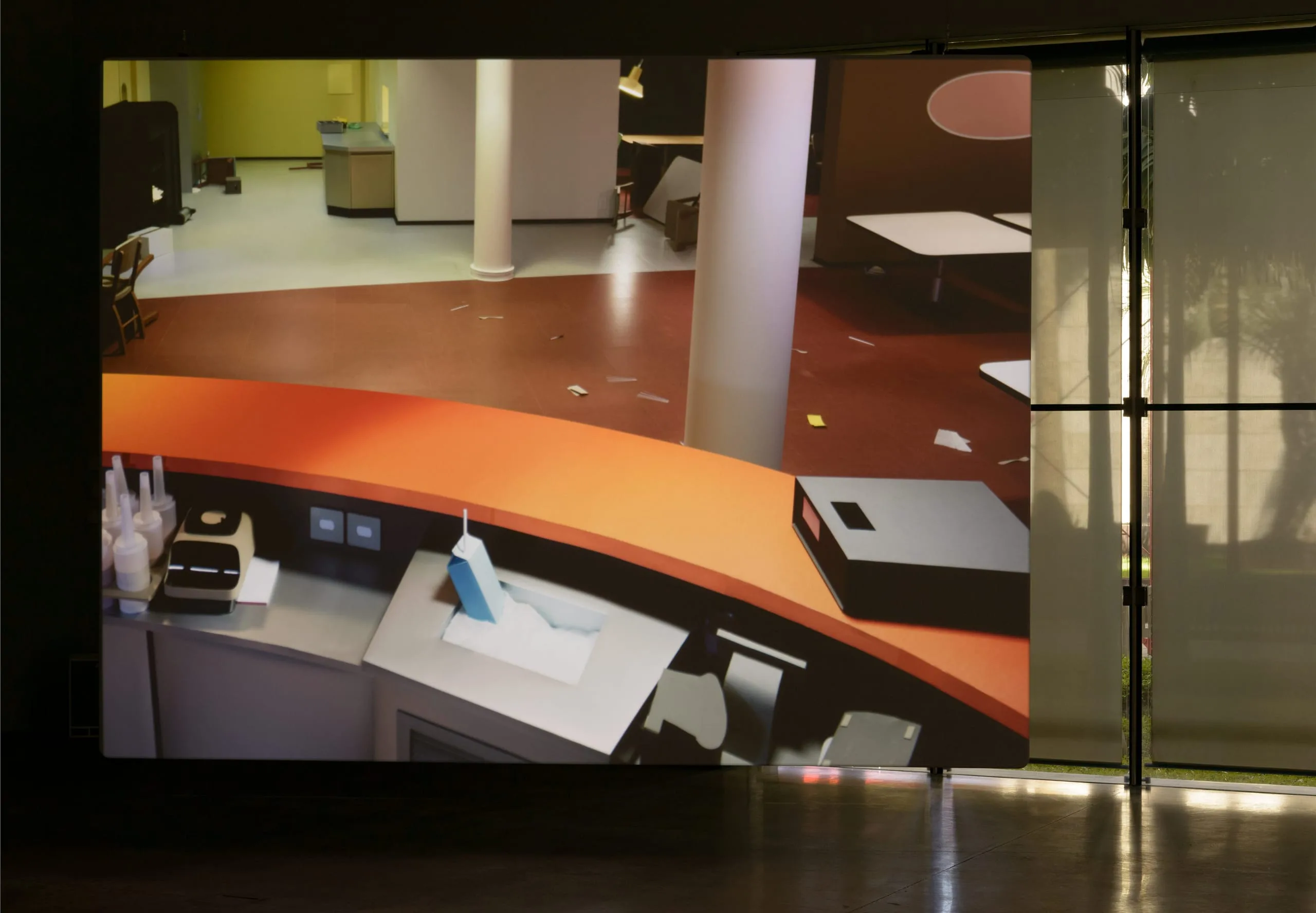
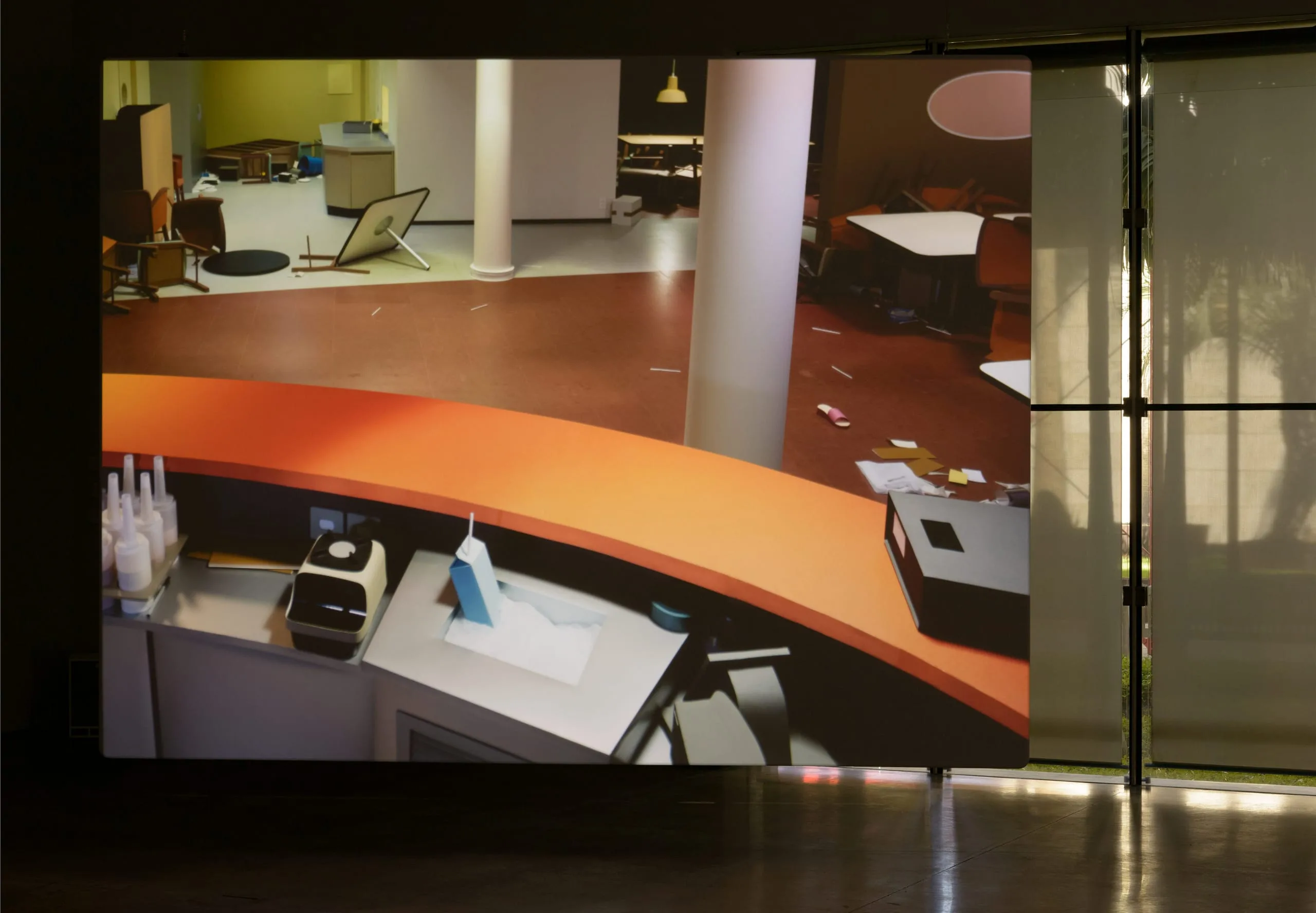
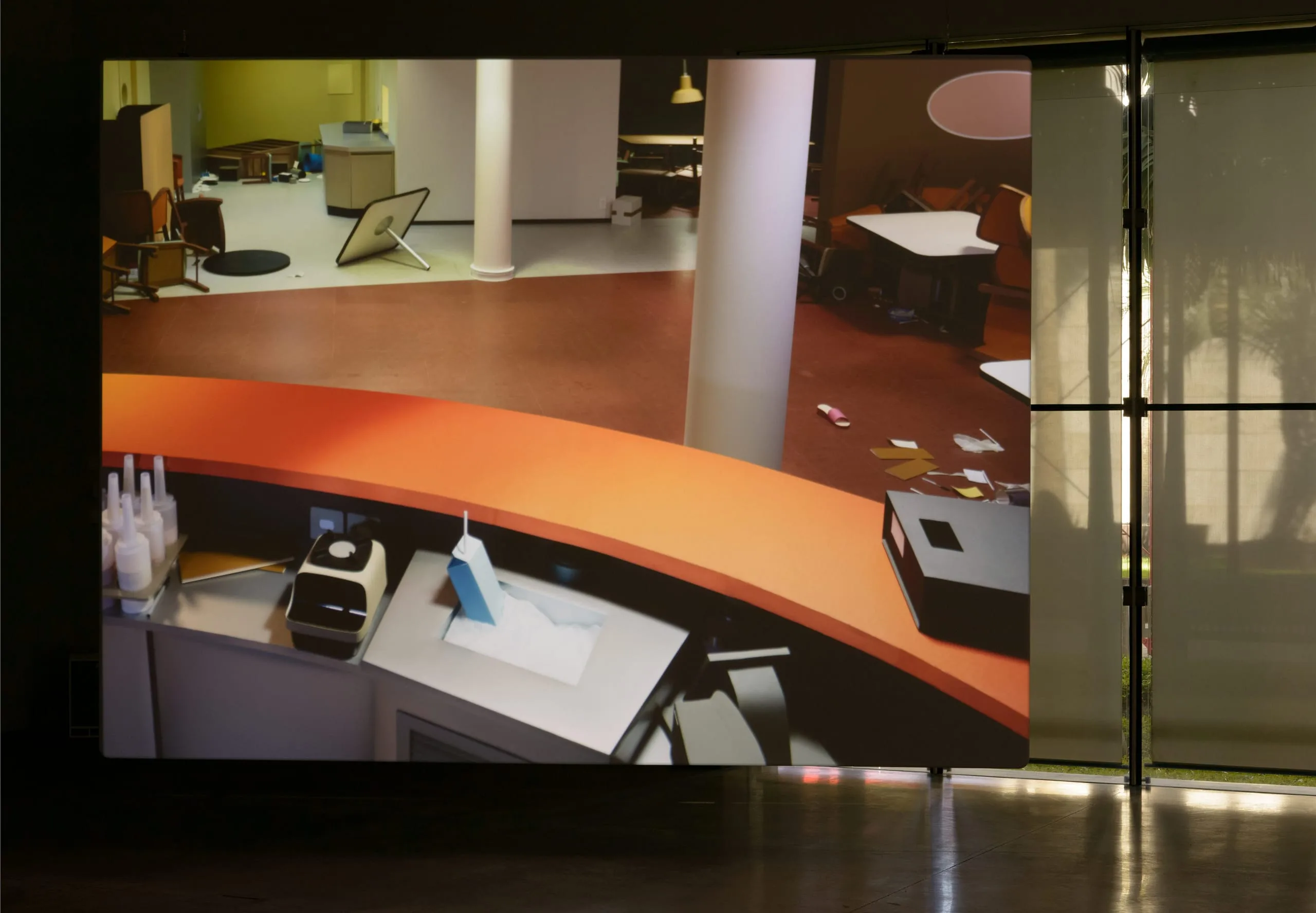
For Pacific Sun, Demand set out to recreate the setting of a 2 minute-long clip he saw on YouTube: the sliding and toppling of furniture and objects in the eponymous cruiser caught in a raging South Pacific storm between the Republic of Vanuatu and New Zealand. With the help of crew members who had worked on Zack Snyder’s 2013 film Man of Steel, the artist programmed a wireframe model of the room as seen from a security camera in order to analyze movement and developed a “script” for each of the 350 visible objects. A group of animators meticulously followed 3,000 pages of these scripts, moving objects millimeters at a time and photographing them over three and a half months, which yielded a stop-motion animation of 2,400 frames. Demand eschewed digital animation for stop-motion with the aim of rendering objects’ movements as realistically as possible, and thus, in the absence of struggling human passengers, these take on an uncannily anthropomorphic quality; the objects become the artist’s true protagonists.