LACMA

ShopMembershipMyLACMATickets
LACMA
Los Angeles County Museum of Art
5905 Wilshire Blvd.
Los Angeles, CA 90036
info@lacma.org
(323) 857-6000
Sign up to receive emails
Subscribe
© Museum Associates 2026
  • About LACMA
  • Jobs
  • Building LACMA
  • Host An Event
  • Unframed
  • Press
  • FAQs
  • Log in to MyLACMA
  • Privacy Policy
© Museum Associates 2026
Collections

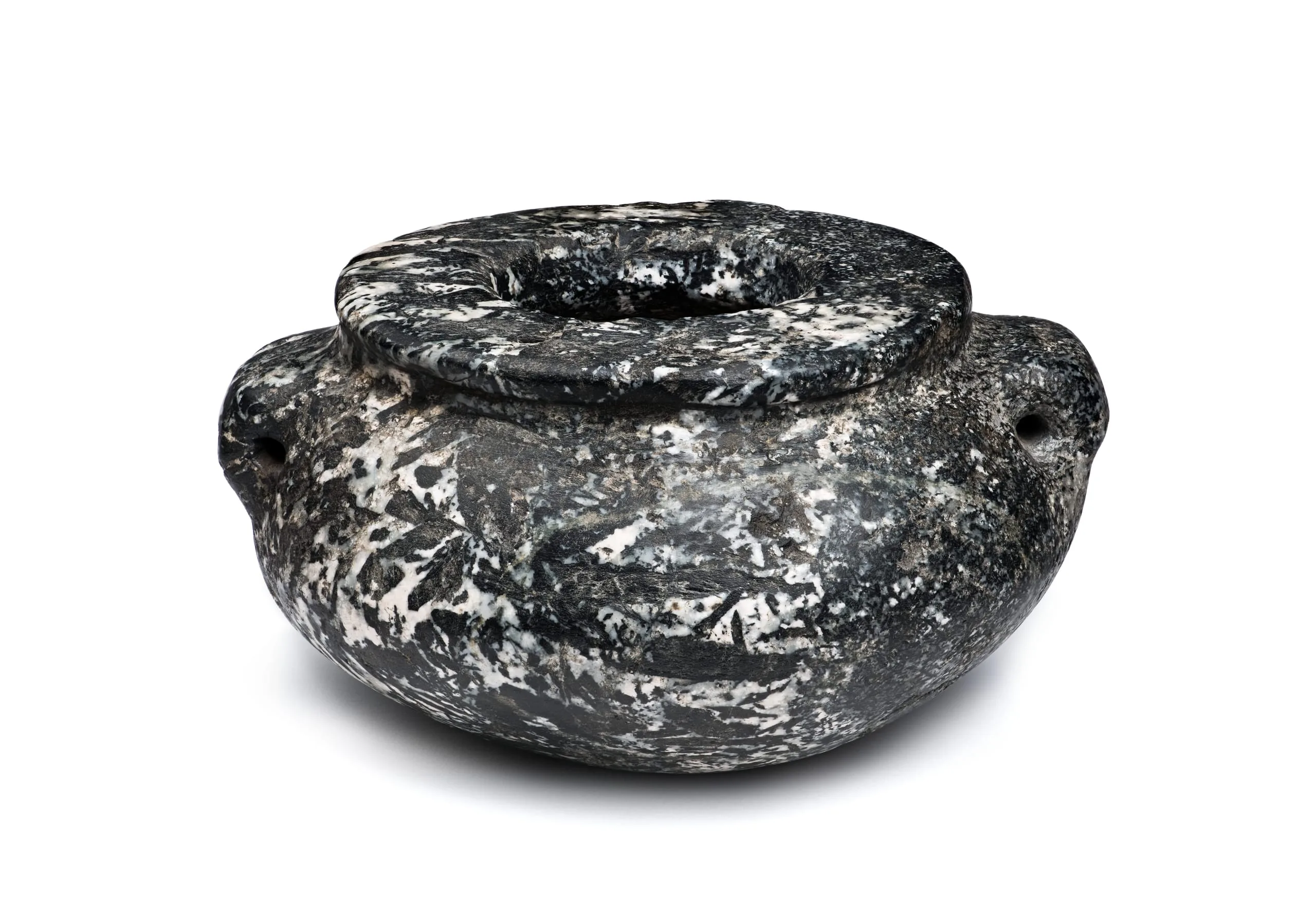
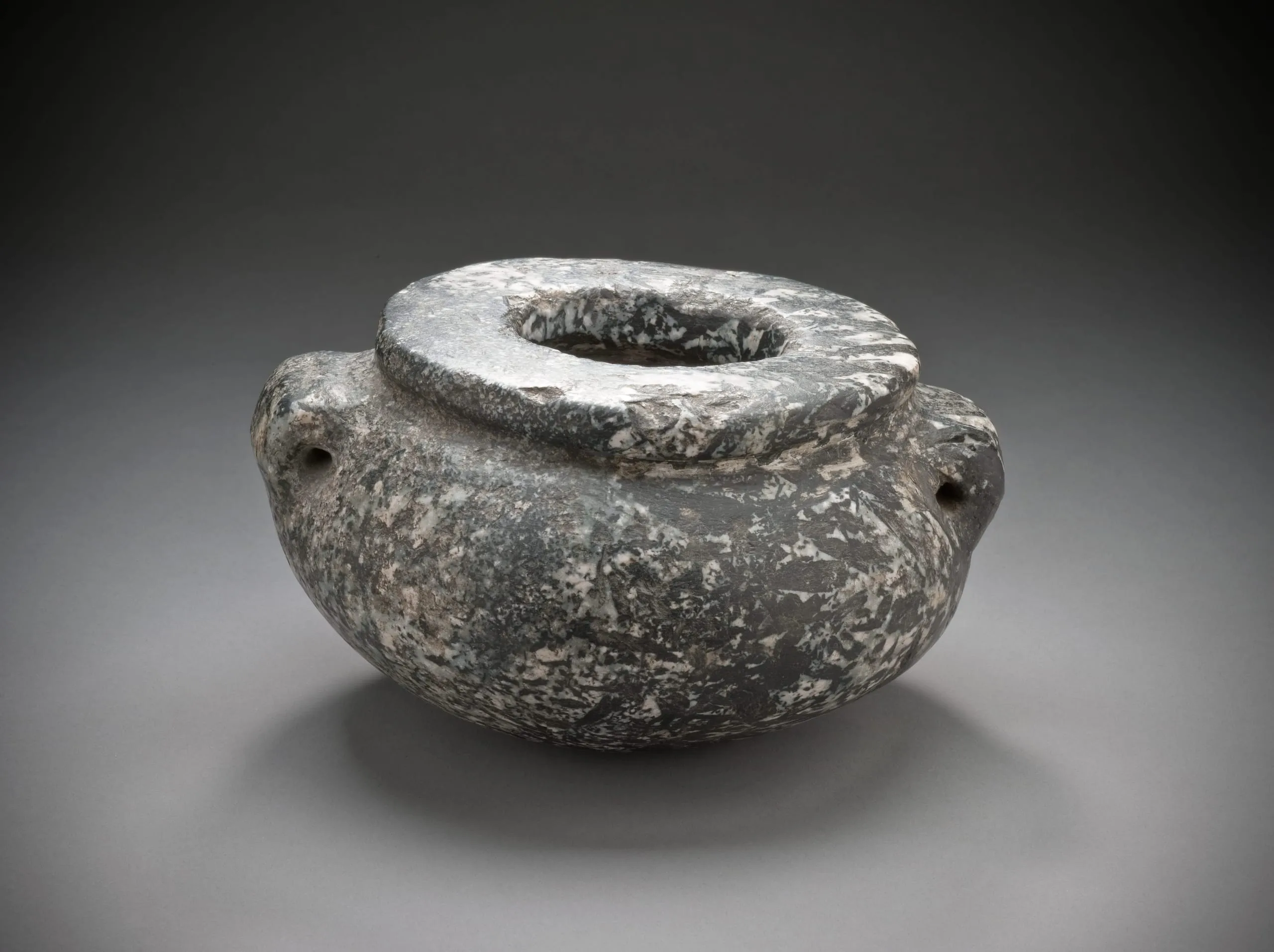
Squat Vase with Lug HandlesNaqada III Period (3200–3000 BCE) to early Dynastic Period (3100–2686 BCE)

On view:
Geffen Galleries, floor 1
Carved stone vessel with squat rounded body, mottled black and white surface, two pierced lug handles, and a flat disk lid with a torus ring handle
Carved stone vessel with wide, squat body in mottled dark gray and white stone, featuring a raised circular collar opening at the top and two small lug handles on opposing sides.

Unknown, Squat Vase with Lug Handles, Naqada III Period, 3050-2920 BCE, Los Angeles County Museum of Art, William Randolph Hearst Collection, photo © Museum Associates/LACMA

Title
Squat Vase with Lug Handles
Place Made
Egypt
Date Made
Naqada III Period (3200–3000 BCE) to early Dynastic Period (3100–2686 BCE)
Medium
Porphyritic Rock
Dimensions
4 1/2 × 8 × 5 in. (11.43 × 20.32 × 12.7 cm)
Credit Line
William Randolph Hearst Collection
Accession Number
50.37.8
Classification
Furnishings
Collecting Area
Egyptian Art
Curatorial Notes

Porphyry includes a wide range of stone materials, from the highly valued purple Imperial Porphyry, a rare and historically important stone derived from one mountain source in Egypt and used for imperial architectural elements, to a range of dark volcanic stones embedded with colorful inclusions. Stone vessels, favored as luxury items for royal and private tombs in early Egypt, likely contained foodstuffs or precious ointments for use in the next world. Squat vessels such as this one were often carved with two lugs, pierced horizontally from each end for suspension.