LACMA

ShopMembershipMyLACMATickets
LACMA
Los Angeles County Museum of Art
5905 Wilshire Blvd.
Los Angeles, CA 90036
info@lacma.org
(323) 857-6000
Sign up to receive emails
Subscribe
© Museum Associates 2025

Museum Hours

Monday

11 am–6 pm

Tuesday

11 am–6 pm

Wednesday

Closed

Thursday

11 am–6 pm

Friday

11 am–8 pm

Saturday

10 am–7 pm

Sunday

10 am–7 pm


  • About LACMA
  • Jobs
  • Building LACMA
  • Host An Event
  • Unframed
  • Press
  • FAQs
  • Log in to MyLACMA
  • Privacy Policy
© Museum Associates 2025
Collections

Unknown
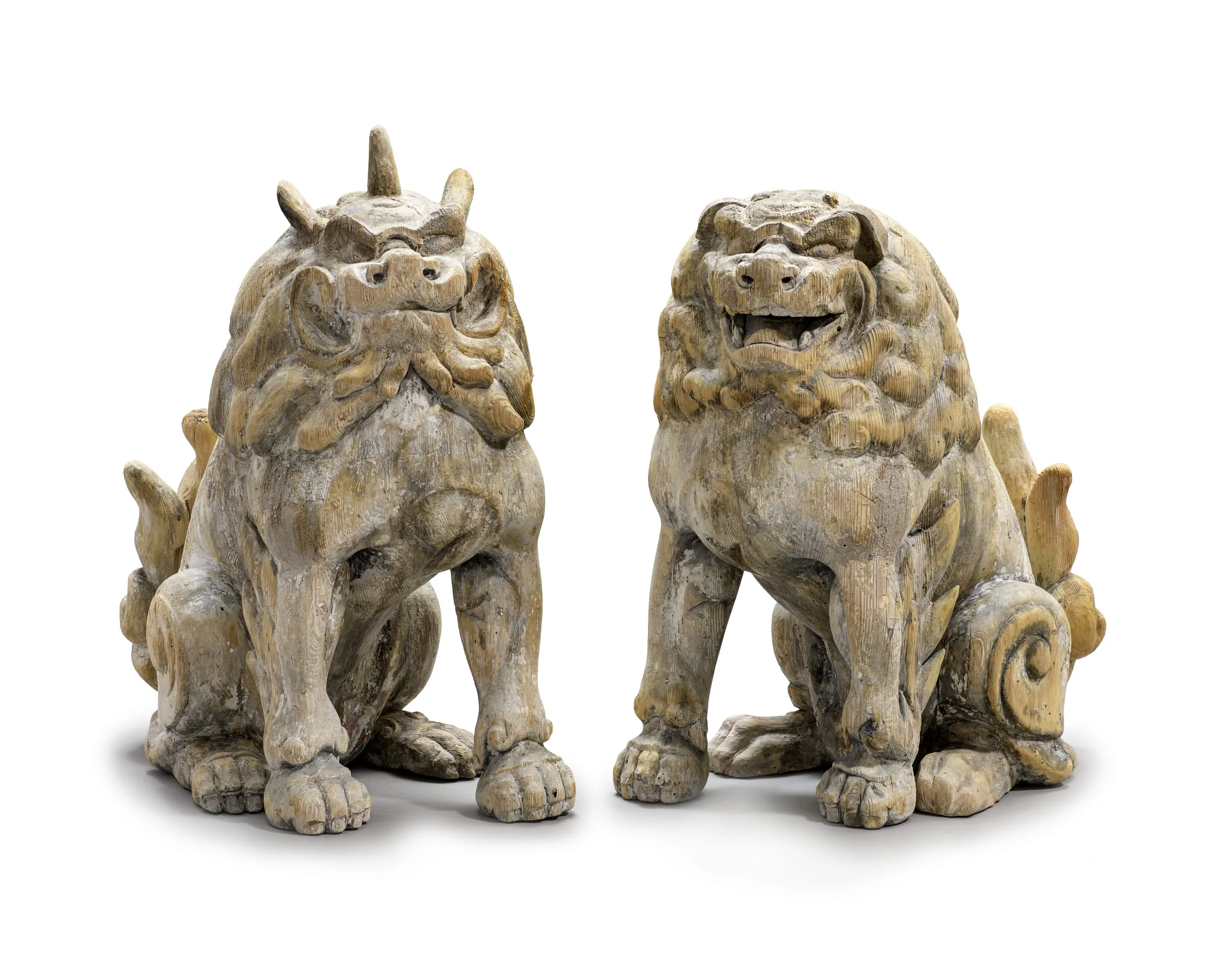
Pair of Guardian Animalscirca 1250

Not on view
Pair of weathered stone guardian lion sculptures, seated facing forward, with carved manes, clawed paws, and decorative tail scrolls
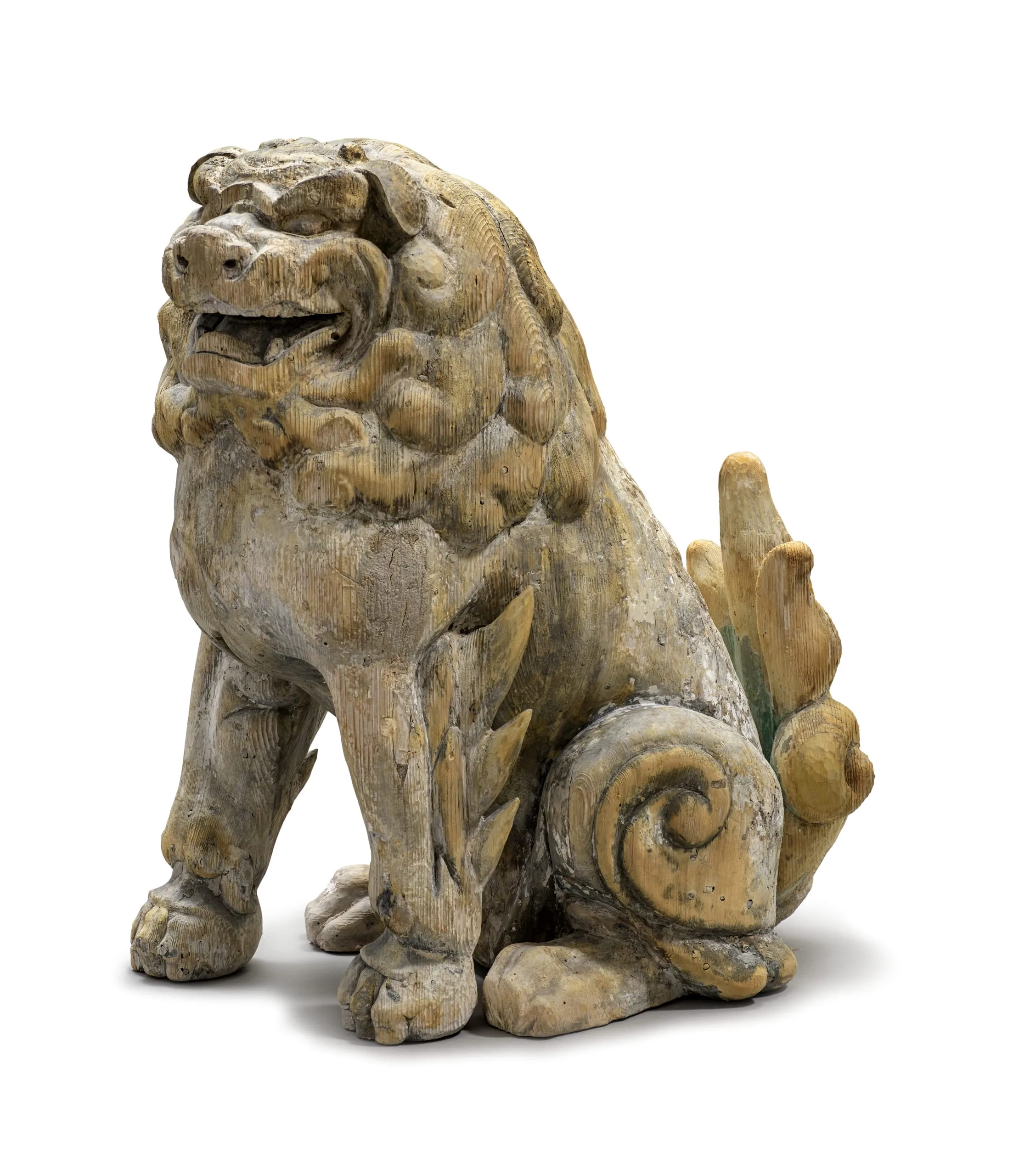
Carved wood sculpture of a seated guardian lion with curly mane, open mouth, and scrolling tail with flame-like projections; traces of yellow and green pigment remain on the weathered surface.
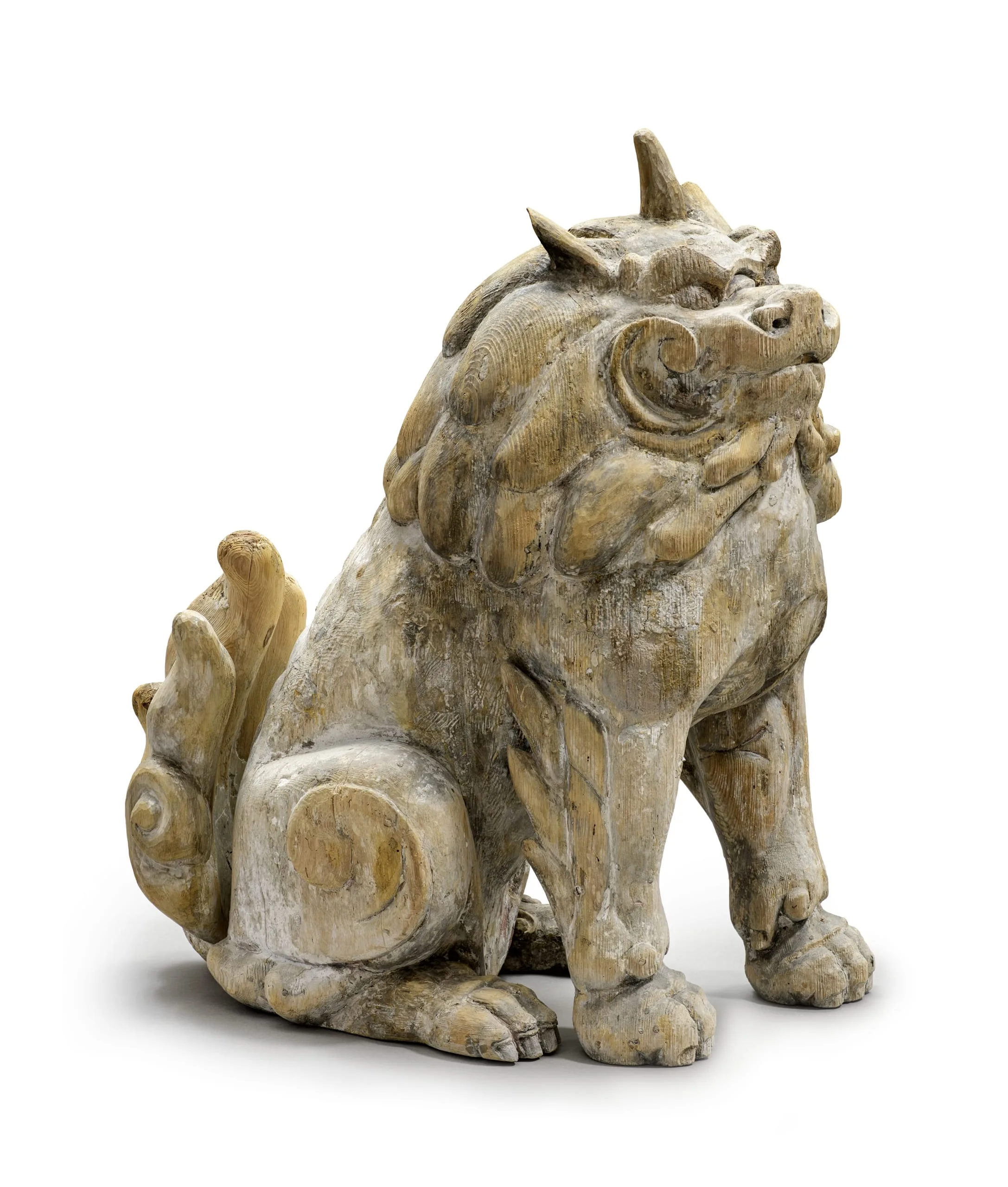
Carved stone sculpture of a seated guardian lion (shishi) with an open snarling mouth, single horn, curling mane, and a flame-tipped tail curled to one side; weathered pale ochre surface with visible chisel marks.
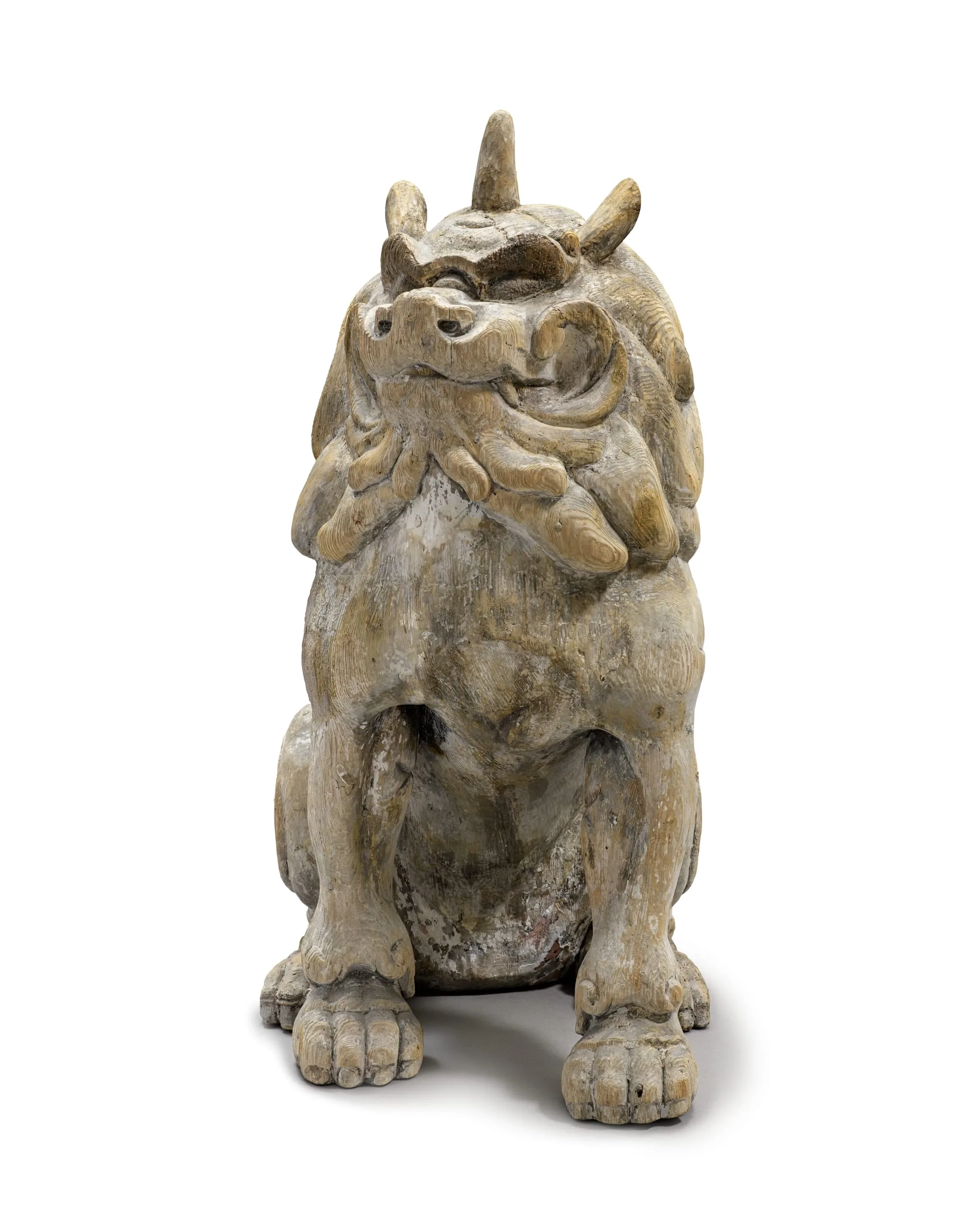
Stone sculpture of a seated guardian lion, or shishi, with a single horn, curling mane, and raised forepaws clutching a cub; weathered pale gray surface with traces of original finish.
Artist or Maker
Unknown
Title
Pair of Guardian Animals
Place Made
Japan
Date Made
circa 1250
Period
Kamakura period (1185 - 1333)
Medium
Wood with traces of pigment
Dimensions
.1) Mouth open: 20 1/4 x 11 x 19 1/2 in. (51.435 x 27.94 x 49.53 cm); .2) Mouth closed: 23 3/4 x 11 1/2 x 19 3/4 in. (60.33 x 29.21 x 50.17 cm)
Credit Line
Gift of the 2008 Collectors Committee
Accession Number
M.2008.56.1-.2
Classification
Sculpture
Collecting Area
Japanese Art
Curatorial Notes
Originally placed before a Shinto shrine or Buddhist temple, pairs of guardian animals were thought to protect the surrounding areas from harm or evil spirits. Always created in pairs, guardian animals would be positioned to flank an entrance. The open-mouth animal is based on a lion, and is saying the first sound of the Sanskrit alphabet, ah. While the other animal is based on a dog, with a closed mouth and horn, speaks the last sound of the Sanskrit alphabet, un; thus, all phenomena, the universe and everything within, are represented and by this pair of guardians.
The sculptures were created circa 1250, during the artistic zenith of the Kamakura period (1185-1333). Works from this period are characterized by extreme realism and attention to muscular form. The bold stance, powerful musculature, and fierce expressions of this pair of animals embody Kamakura realism. Each animal's chest is emphasized, as well as its upright posture. The fur on the tails and the forelegs is partially stylized to suggest flames, and both the mane and the fur are beautifully modeled. The flame-like fur and the addition of the horn underline the mythical nature of each beast.
This extraordinary pair of wood sculptures from the mid-thirteenth century has survived in exceptional condition (traces of original green pigment still cling to the inner surface on the tail of the lion), and will join another superb Kamakura-period sculpture, Bishamonten in LACMA's collection.