

Curator Notes
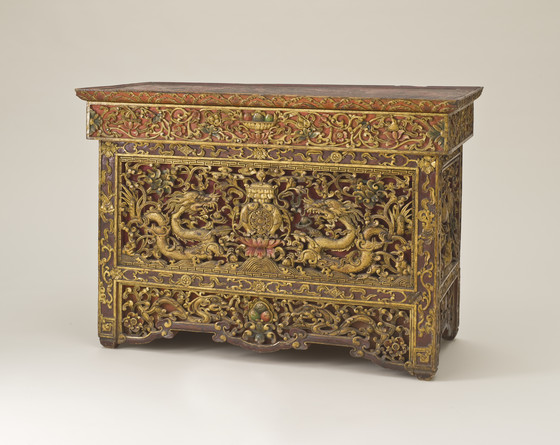
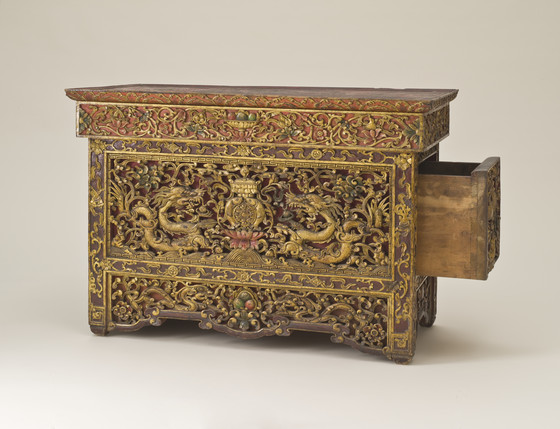
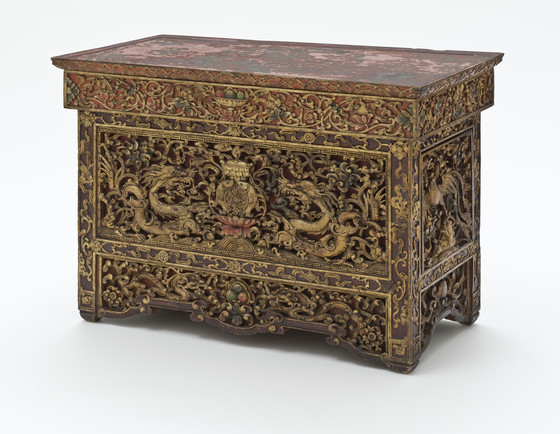
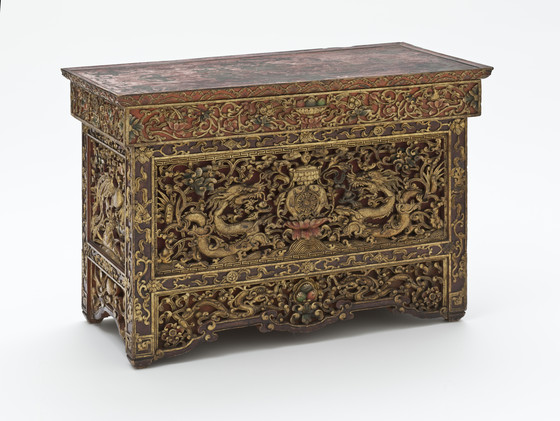
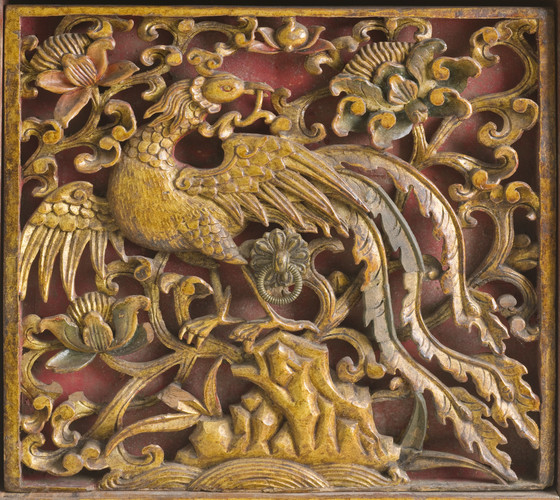
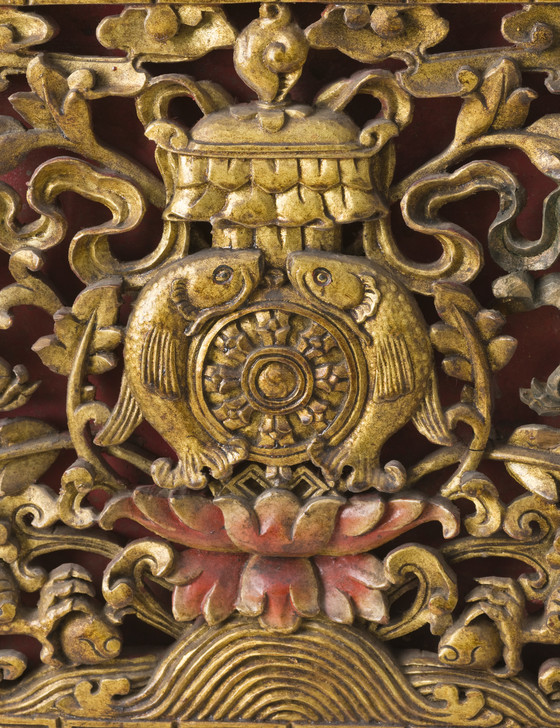
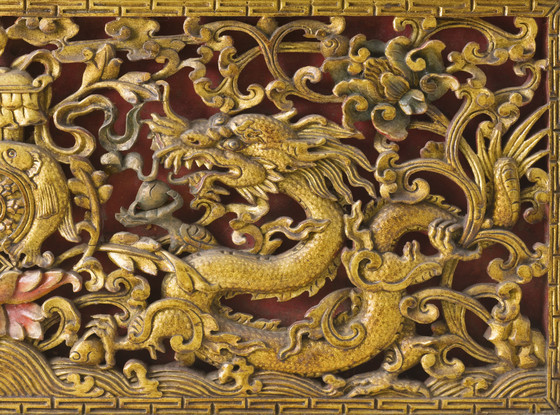
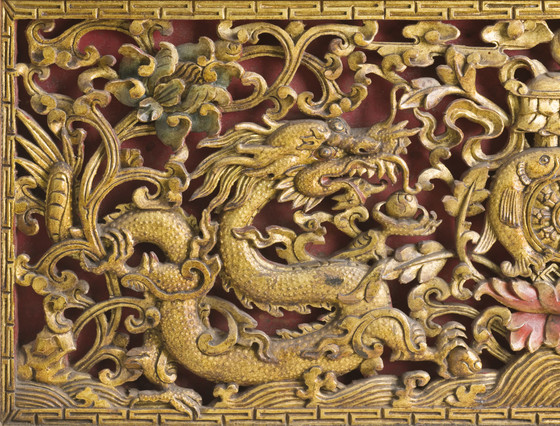
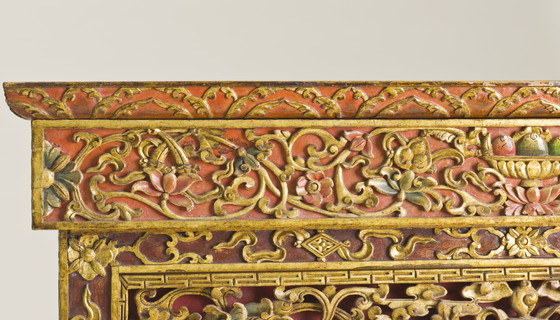
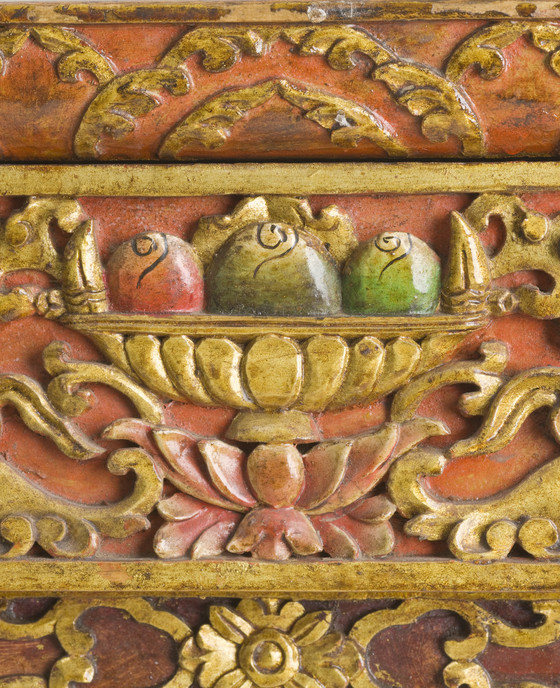
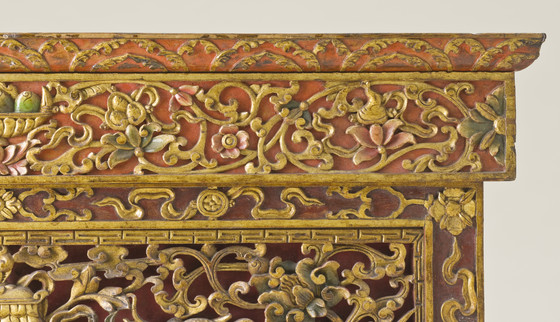
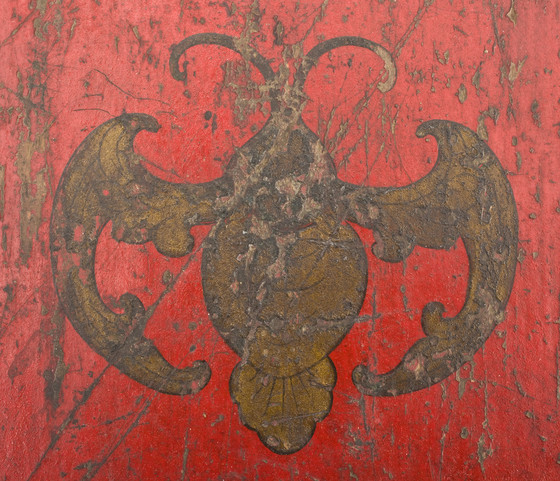
The masterpiece of Tibetan furniture made in the 18th or first half of the 19th century was originally meant to be used in front of a lama’s throne in a monastery or perhaps in front of a nobleman’s raised seat in a domestic chapel. The altar table is a tour de force of carving dexterity and sophisticated design. It is made with openwork decoration and painted with ground minerals pigments, predominately gold. The central panel features a pair of spirited Chinese-style dragons dramatically rearing up out of the sea and writhing amidst a lush tableau of flowering tendrils. Their ferocious faces are accentuated by bulging eyes, sharp fangs and streaming manes. In their claws the dragons hold a large pearl, which is the Buddhist magical gem that fulfills all wishes. The dragons flank and pay homage to a large treasure vase, one of the Eight Buddhist Auspicious Symbols that represents infinite riches. The shape of the vase is formed by an ingenious arrangement of the remaining seven Auspicious Symbols, including most noticeably the pair of golden fish and the wheel of the law (dharma chakra). The sides of the table each feature of phoenix amidst foliage. The proper left side pulls out to reveal a long storage drawer. The top board is painted with bats and other symbols of fortune, prosperity, and happiness. Such exceptionally sophisticated carving may represent the craftsmanship or influence of Newar artists from Nepal, where a highly developed tradition of woodcarving flourished.
See David Kamansky, ed., Wooden Wonders: Tibetan Furniture in Secular and Religious Life (Pasadena: Pacific Asia Museum and Chicago: Serindia Publications, 2004), pp. 220-221, no. 45.
More...